
How Do Elephants Find Water Underground?
Elephants genuinely locate underground water sources during severe drought by digging directly into dry riverbeds with their trunks, tusks, and front feet, reaching subsurface water tables invisible from the surface, a behaviour that not only saves the herd itself but creates functioning waterholes dozens of other species come to rely on once the elephants move on.
How Elephants Actually Detect Water Below the Surface
Researchers studying elephant drought behaviour believe the species relies on a genuine combination of memory and sensory cues rather than any single mechanism: matriarchs who have survived previous severe droughts recall specific riverbed locations where digging previously succeeded, while elephants more broadly appear able to detect subtle changes in soil moisture, vegetation type, and possibly infrasonic signals travelling through the ground, cues that point toward where a water table sits closest to the surface. This combination of learned memory and physical sensing is why older, more experienced matriarchs genuinely lead herds to productive digging sites considerably more reliably than younger elephants would manage alone.
The Physical Digging Process Itself
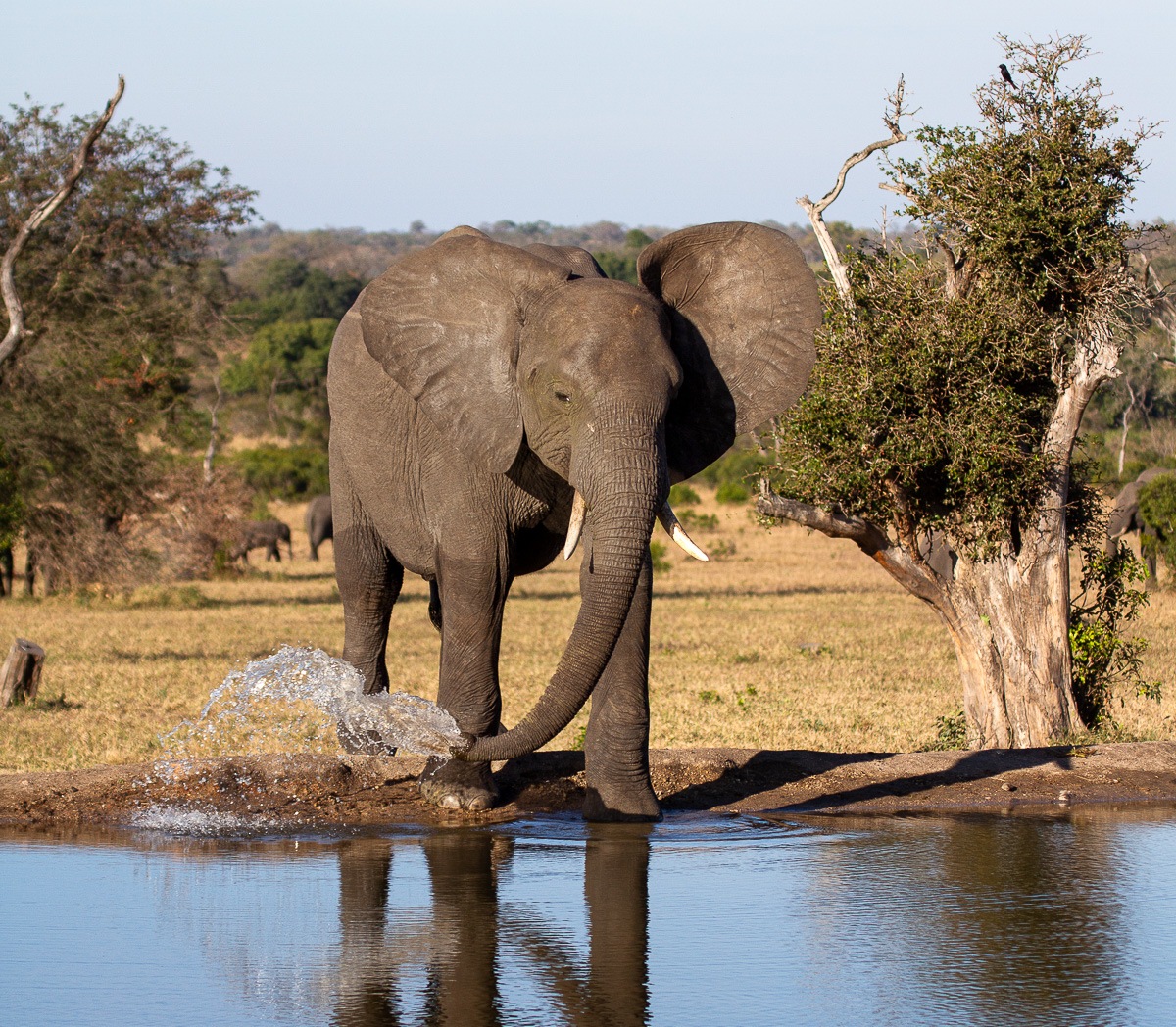
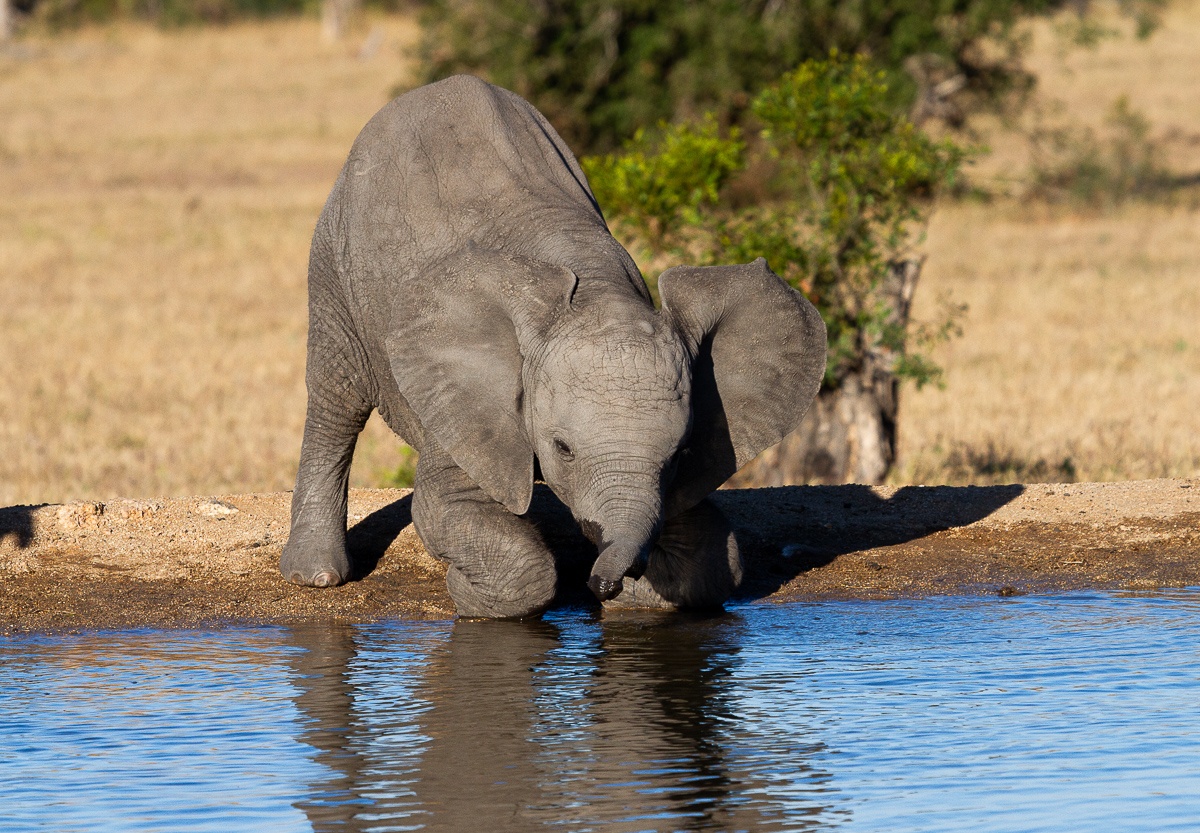
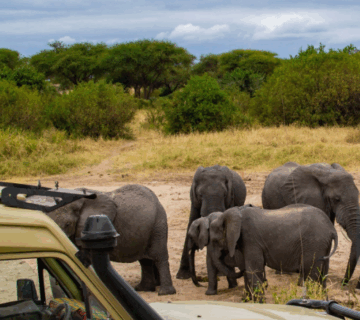
Once a promising dry riverbed location is chosen, an elephant genuinely uses its trunk to loosen sand and soil, then employs its tusks and front feet to excavate a hole that can reach a metre or more in depth, continuing until water genuinely seeps in from the surrounding water table. The trunk then does double duty, first as an excavation tool and afterward as the instrument used to actually drink once water accumulates, a single appendage handling both the mechanical labour and eventual consumption.
Why This Matters Most During Severe, Extended Drought
Elephant-dug wells become genuinely critical specifically when surface water has fully disappeared, a point many other species reach considerably before elephants do given how much water an adult elephant needs daily, meaning the behaviour tends to appear in the most severe stretches of dry season or multi-year drought rather than routine annual dry spells where some surface water typically persists.
How These Wells Become a Genuine Lifeline for Other Species
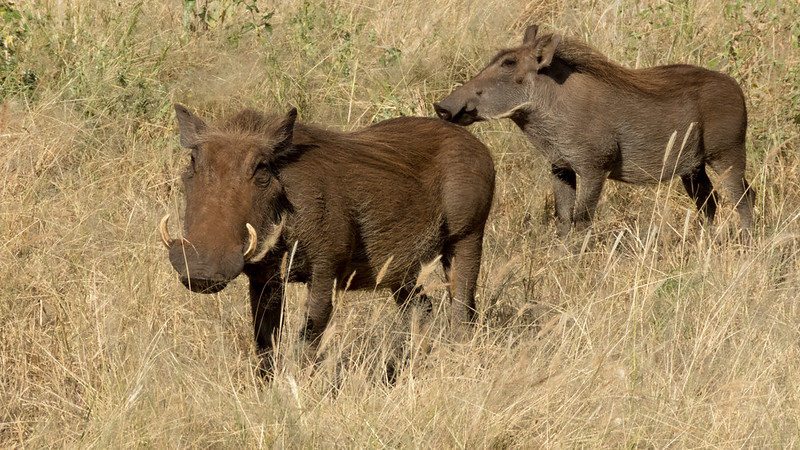
Once an elephant well is dug, considerably smaller species that couldn’t excavate to that depth themselves, antelope, warthog, and numerous bird species among them, genuinely depend on the resulting waterhole, turning a single elephant family’s excavation effort into a shared ecosystem resource that can sustain dozens of other species through the driest weeks of a severe drought. This ripple effect is one of the clearer, most direct examples of elephants functioning as a genuine keystone species rather than simply one large herbivore among many.
Matriarch Memory and Multi-Decade Drought Recall
Long-term elephant research has documented matriarchs leading herds directly to specific digging locations used during a drought that occurred well over a decade earlier, a level of spatial memory retention that underscores just how much herd survival during genuinely severe drought depends on one individual’s accumulated experience rather than the herd rediscovering viable water sources through trial and error each time conditions worsen.
Why Younger Elephants Genuinely Need to Witness This Behaviour
Because well-digging skill and location knowledge pass down primarily through direct observation of an experienced matriarch rather than instinct alone, a young elephant separated from an experienced family group, through poaching or population disruption, genuinely loses access to this specific survival knowledge, one of several documented ways that removing older, experienced individuals from a population causes damage extending well beyond the immediate loss of that one elephant.
Where to Potentially Observe This Behaviour in East Africa
Dry riverbed digging is most likely to be observed during genuinely severe dry-season conditions at destinations like Tarangire National Park, known for its elephant concentrations along the seasonally dry Tarangire River, though the behaviour itself remains opportunistic and isn’t something a standard game drive can reliably guarantee.
Best Time of Year for Elephant Viewing Generally
Elephants are visible year-round across East Africa’s major parks, though dry season concentrations around remaining water sources typically offer the most reliable, close-range viewing. See our regional best-time guide for how seasonal patterns generally affect wider game viewing.
Photographing Elephant Behaviour at Water
Capturing elephants at a waterhole, whether drinking, bathing, or digging, offers genuinely rich photographic opportunities given how much individual and social behaviour concentrates around water sources during dry conditions. See our camera gear guide for broader equipment recommendations.
What to Pack for Dry-Season Game Drives
Standard game drive gear – neutral clothing, sun protection, and binoculars – covers most of what dry-season viewing requires, and dust protection is genuinely worth adding given how dry conditions typically are during peak elephant water-source concentration periods. If your wider itinerary includes gorilla trekking, our gorilla trekking packing list covers that portion separately.
How Much Water an Elephant Actually Needs Daily
An adult elephant genuinely requires somewhere between 100 and 200 litres of water daily under normal conditions, a volume that explains why the species reaches crisis point during drought considerably faster than smaller herbivores, and why the drive to locate any available subsurface water becomes so behaviourally urgent once surface sources are fully exhausted.
Why Tusks Play a Genuinely Important Excavation Role
While the trunk handles the bulk of loosening and moving softer soil, tusks genuinely come into play when digging encounters harder, more compacted ground, providing the leverage needed to break through layers a trunk alone couldn’t manage, meaning tusked individuals, generally the older, more experienced elephants within a herd, are often better equipped for well-digging than younger elephants whose tusks haven’t fully developed.
How Elephant Wells Compare to Other Animal-Dug Water Sources
While other species including warthog and even some primates will opportunistically dig shallow scrapes in damp ground, elephant wells genuinely reach considerably greater depth and reliability given the species’ size and strength, making them functionally comparable in ecological importance to the artificial boreholes and pumped waterholes many conservation areas maintain, except entirely self-created and requiring no human intervention.
Why This Behaviour Reflects Genuine Problem-Solving, Not Just Instinct
Researchers studying elephant cognition point to well-digging as one of several behaviours suggesting genuine flexible problem-solving rather than fixed instinctive action, since the specific digging location, depth, and technique all appear to adjust based on individual site conditions rather than following one rigid, unvarying pattern, a level of behavioural adaptability consistent with the broader body of research on elephant intelligence and social learning.
Why Guides Value Explaining This Behaviour to Visitors
Given how much drought-driven behaviour like well-digging reveals about elephant intelligence and social structure, experienced guides at destinations like Tarangire genuinely value pointing out dry riverbed digging sites even when elephants aren’t actively present, using visible excavation marks to explain the behaviour and its wider ecological ripple effects to visitors who might otherwise only associate elephants with straightforward grazing and drinking.
Getting to Tarangire National Park
Tarangire sits within a comfortable drive of Tanzania’s northern safari circuit, commonly combined with Lake Manyara and the Serengeti on a longer itinerary.
How This Behaviour Compares to How Elephants Communicate Over Long Distances
Well-digging isn’t the only genuinely sophisticated survival behaviour elephants rely on during hardship – the species also uses low-frequency infrasonic calls to coordinate movement across considerable distances, potentially including signalling the discovery of a productive water source to family members who aren’t within visual range, adding a communication layer on top of the physical digging itself.
Why Drought Response Behaviour Differs Between Family Groups and Bulls
Female-led family herds genuinely tend to dig cooperatively, with several individuals taking turns at a single excavation site under the matriarch’s direction, while solitary or bachelor-group bulls typically dig alone and considerably more opportunistically, a difference in drought strategy that reflects the species’ broader social structure, in which experienced females carry and transmit most of the herd’s practical survival knowledge.
A Detail Worth Asking Your Guide About
Given how easy it is to drive past a dry, seemingly unremarkable riverbed without realising its significance, asking your guide specifically about elephant well-digging during a dry-season visit, and how it connects to the species’ well-documented social bonds and memory, genuinely adds meaningful behavioural context to what might otherwise look like empty, cracked ground.
Frequently Asked Questions
How do elephants know where to dig for water?
Through a combination of matriarch memory of past successful sites and sensory detection of soil moisture and vegetation cues indicating a nearby water table.
How deep do elephants typically dig these wells?
Often a metre or more, using tusks and front feet to break through compacted soil once the trunk has loosened the surface layer.
Do other animals use elephant-dug wells?
Yes, genuinely so – species too small to dig their own well, including antelope and warthog, commonly rely on elephant-created waterholes during severe drought.
How much water does an elephant need each day?
Roughly 100 to 200 litres under normal conditions, a volume that explains why drought affects elephants so urgently.
Where can I potentially see this behaviour on safari?
Tarangire National Park’s seasonally dry riverbeds during severe dry-season conditions offer the best documented opportunity, though sightings remain opportunistic.
Ready to Plan Your Tanzania Safari?
Whether observing elephant behaviour firsthand, Tarangire’s dry-season concentrations, or a full northern circuit itinerary is your priority, our team can build a trip matched to your interests. Get in touch with our team below today and let’s start planning your complete Tanzania safari itinerary together.

No comment