

How Do Impala Avoid Predators?
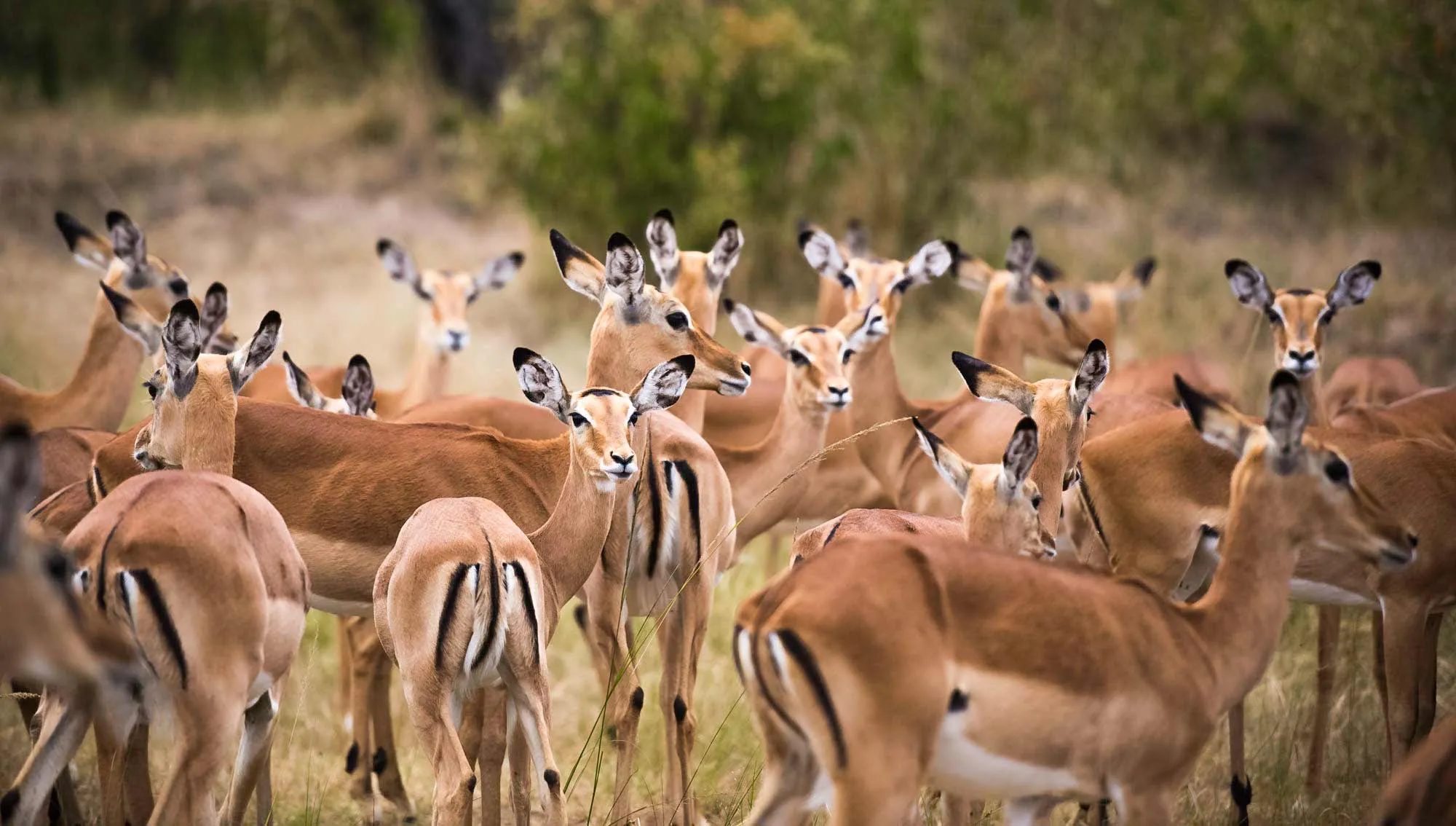
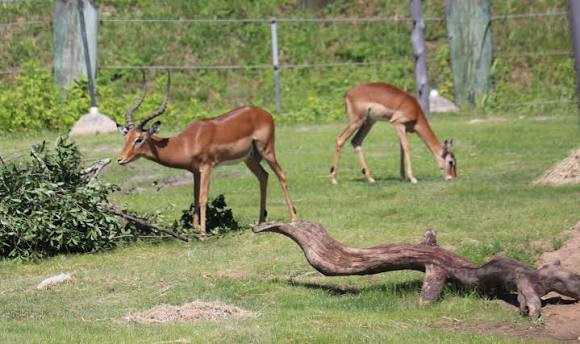
Impala genuinely survive intense predation pressure from nearly every major African carnivore through a combination of explosive, unpredictable jumping, dense herd vigilance, and a scent-gland communication system that together make this common antelope considerably harder to catch than its abundance and lack of formidable natural weapons might otherwise suggest.
Why the Impala’s Jump Is Genuinely More Than Just Escape Speed
An impala’s genuinely spectacular leap, capable of clearing distances beyond ten metres or heights over two metres in a single bound, functions as considerably more than simple flight, since a startled impala often leaps in a genuinely unpredictable zigzag pattern rather than a straight line, a deliberately erratic escape strategy that makes it considerably harder for a pursuing predator to anticipate landing position and commit to an accurate final strike.
How “Stotting” Genuinely Signals Fitness to a Watching Predator
Beyond pure escape, impala genuinely perform a stiff-legged bouncing display called stotting when they first detect a predator, similar in concept to gazelle stotting documented elsewhere on the savannah, a behaviour researchers believe functions as an honest signal of physical fitness that essentially communicates to the predator that pursuit would be a wasted effort against such an obviously strong, alert individual, often causing predators to abandon a stalk before ever committing to a chase at all.
Why Impala Herds Genuinely Combine Two Different Social Structures
Impala genuinely organise into either large, mixed non-territorial herds or smaller, defended breeding herds controlled by a single territorial male, and this dual social structure means overall vigilance levels genuinely shift depending on which grouping a given individual belongs to at any point in the year, with larger non-territorial herds typically benefiting from considerably more shared, redundant predator detection than smaller breeding groups can manage alone.
How Scent Glands Genuinely Help Herds Stay Coordinated Under Pressure
Impala genuinely possess scent glands on their hind legs that release a distinctive odour when the animal is startled or fleeing, a chemical alarm trail that helps scattered herd members regroup quickly after a predator attack disperses the group, meaning the species has a genuine built-in mechanism for restoring herd cohesion, and the associated safety-in-numbers benefit, within minutes of a chaotic, scattering escape rather than remaining fragmented and more individually vulnerable.
Why Impala Genuinely Rely on Mixed-Species Vigilance Networks
Impala frequently graze alongside other species including zebra and baboon, a genuinely mutually beneficial arrangement since each species brings different sensory strengths to the shared vigilance effort, baboon offering excellent visual height advantage from trees and zebra contributing strong eyesight of their own, meaning an impala herd embedded within a mixed-species gathering genuinely benefits from considerably more total threat-detection coverage than the same herd grazing in isolation.
How Impala Manage Predation Risk From Multiple Different Predator Species Simultaneously
Because impala genuinely face predation pressure from lion, leopard, cheetah, hyena, and wild dog all within the same range, often simultaneously, the species has evolved a genuinely broad, generalised defensive toolkit, speed, jumping unpredictability, herd vigilance, and scent-based coordination, rather than specialising narrowly against just one dominant threat, a defensive versatility that reflects just how varied and constant the species’ overall predation pressure genuinely is compared to prey species facing a narrower set of natural enemies.
Where to Observe Impala Predator-Evasion Behaviour in East Africa
Large impala herds are genuinely reliable to observe across Lake Mburo National Park and the Serengeti-Mara ecosystem, alongside strong populations documented near Queen Elizabeth National Park’s open grassland sectors, both known for strong resident predator populations that keep impala vigilance behaviour genuinely active and visible.
Best Time of Year for Impala Viewing
Impala are visible year-round given resident herd territories. See our regional best-time guide for how seasonal patterns generally affect wider game viewing.
Photographing Impala Jumping and Alert Behaviour
Capturing an impala mid-leap, or the distinctive stiff-legged stotting display, offers genuinely dynamic photographic opportunities beyond a standard grazing portrait. See our camera gear guide for broader equipment recommendations.
What to Pack for Predator-Prey-Focused Game Drives
Standard game drive gear – neutral clothing, sun protection, and binoculars – covers most of what impala viewing requires. If your wider itinerary includes gorilla trekking, our gorilla trekking packing list covers that portion separately.
Why Territorial Males Face a Genuinely Elevated Predation Trade-Off
A territorial male impala genuinely spends considerable energy and attention defending his breeding herd and territory boundary from rival males, a preoccupation that measurably reduces the amount of vigilance he can simultaneously dedicate to predator watching, meaning territorial males genuinely face somewhat elevated individual predation risk compared to bachelor males living in larger, more purely vigilance-focused non-territorial herds.
How Impala Alarm Calls Genuinely Differ From Other Antelope Species
Impala genuinely produce a distinctive nasal snorting alarm call upon detecting a predator, a vocalisation other nearby herbivores, including species that don’t naturally associate with impala, have been shown to recognise and respond to, meaning impala alarm calls genuinely function as a kind of shared savannah-wide early-warning signal extending well beyond the immediate impala herd itself.
Why Young Impala Face Genuinely Concentrated Predation Pressure
Newborn impala calves, dropped in a genuinely synchronised birthing pulse timed to flood the local predator population with far more potential prey than can possibly be consumed, face intense predation risk during their first few vulnerable weeks, a reproductive strategy called predator swamping that genuinely improves overall calf survival odds across the herd as a whole even though individual calves remain considerably vulnerable during this specific concentrated birthing window.
Comparing Impala Defence Strategy to Gazelle Species
While Thomson’s and Grant’s gazelle rely on broadly similar stotting and speed-based evasion, impala genuinely add jumping unpredictability and scent-based herd coordination that gazelle species don’t rely on to the same degree, a meaningful behavioural distinction reflecting impala’s somewhat different typical habitat, favouring slightly denser bush-edge terrain where an unpredictable jump trajectory genuinely provides more evasive value than it would across fully open gazelle grassland.
Why Guides Value Explaining This Defensive Toolkit to Visitors
Given how often impala are dismissed by visitors as simply common, unremarkable plains antelope, experienced guides genuinely value explaining the considerable behavioural sophistication behind their survival strategy, adding real appreciation for a species that, despite lacking dramatic size or weaponry, remains genuinely one of the savannah’s most successful and adaptable prey animals.
Combining Impala Behaviour Viewing With a Wider Predator-Prey Circuit
Impala predator-evasion viewing pairs naturally with a broader predator-focused itinerary covering leopard behaviour within the same overall trip, giving travelers genuine insight into East Africa’s full predator-prey ecosystem.
Why Impala Are Genuinely a Preferred Prey Species for Leopard Specifically
Given their moderate size and tendency to favour the same denser bush-edge habitat leopards specialise in hunting, impala genuinely represent one of the leopard’s most consistently targeted prey species across much of East Africa, and this frequent predator-prey pairing has driven measurable co-evolutionary pressure, with impala vigilance behaviour genuinely calibrated as much toward detecting a well-camouflaged, ambush-style leopard as toward the more visible, open-terrain hunting style lion typically use.
How Impala Genuinely Adjust Behaviour Based on Moon Phase and Visibility
Researchers studying nocturnal predation risk have found impala genuinely alter grazing location and alertness levels based on moonlight conditions, favouring more open ground during brighter moon phases when visual predator detection is easier, and shifting toward denser, more defensible cover during darker nights when leopard and other ambush predators gain a genuine stealth advantage, a measurable behavioural adjustment directly tracking lunar cycle rather than remaining fixed regardless of nighttime visibility conditions, similar in principle to how cheetahs time hunts around temperature and visibility rather than a fixed daily schedule.
Why Impala Genuinely Serve as a Useful Indicator Species for Guides
Because impala vigilance behaviour responds so visibly and quickly to nearby predator presence, experienced guides genuinely use a suddenly alert or bunched impala herd as a practical real-time cue that a lion, leopard, or other predator may be active nearby, treating the antelope’s own defensive behaviour as a genuinely reliable early indicator worth investigating further before committing to a different search direction.
Frequently Asked Questions
Why do impala jump in a zigzag pattern when fleeing?
The unpredictable trajectory makes it considerably harder for a pursuing predator to anticipate landing position and commit to an accurate final strike.
What is “stotting” and why do impala do it?
A stiff-legged bouncing display that signals fitness to a watching predator, often causing it to abandon a stalk before committing to a chase.
How do scattered impala herds regroup after a predator attack?
Scent glands on their hind legs release a distinctive odour when startled, helping scattered herd members quickly relocate each other.
Do other animals respond to impala alarm calls?
Yes, genuinely so – other herbivores nearby recognise and respond to the distinctive nasal snorting alarm, extending the warning beyond impala alone.
Where can I see impala predator-evasion behaviour on safari?
Lake Mburo National Park and the Serengeti-Mara ecosystem both offer strong resident predator populations and active impala herds.
Ready to Plan Your Uganda Safari?
Whether observing impala behaviour firsthand, the wider predator dynamic, or a full Uganda itinerary is your priority, our team can build a trip matched to your interests. Get in touch with our team below today and let’s start planning your complete Uganda safari itinerary together.

No comment