
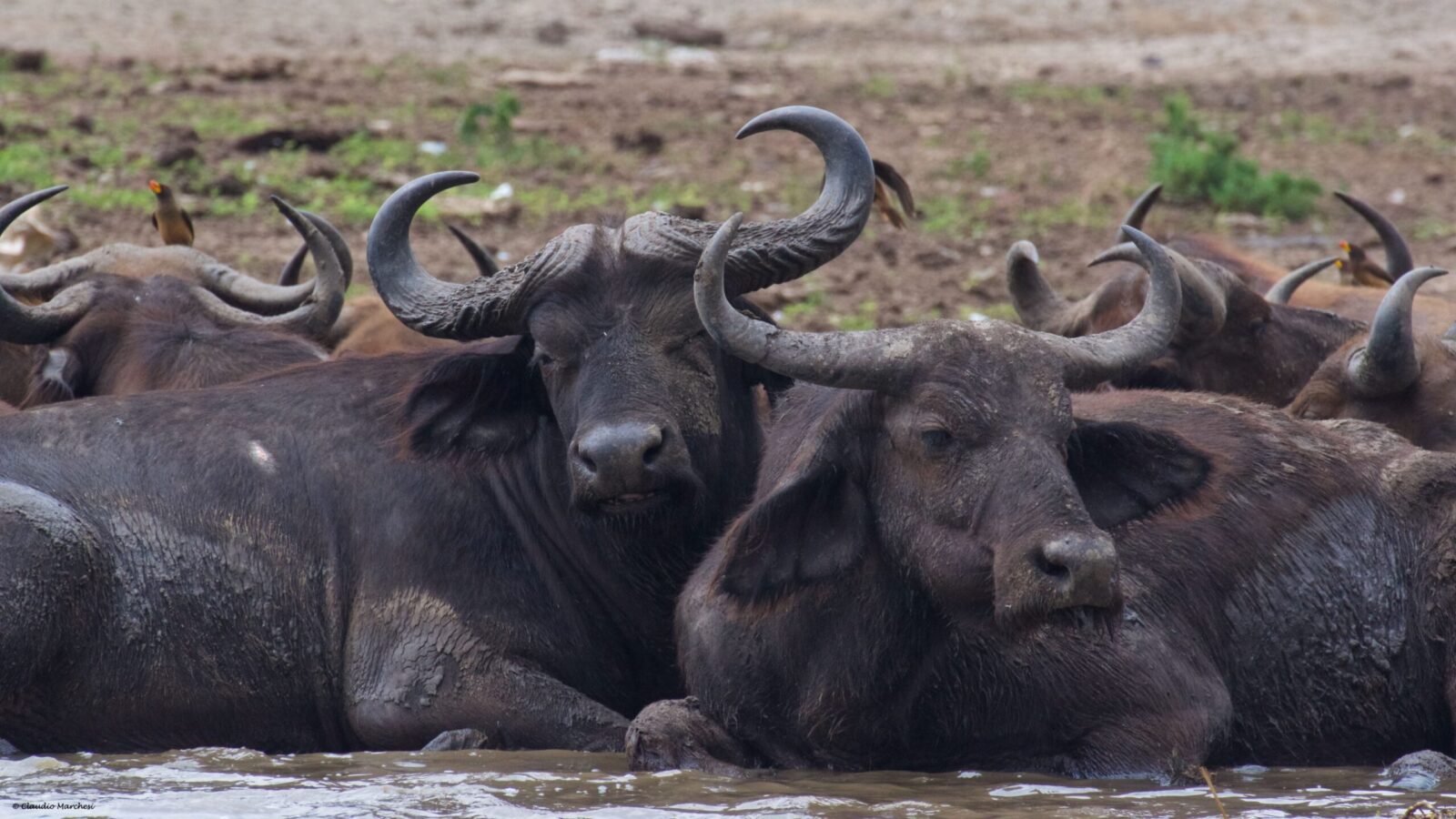
Buffalo herds in Ngorongoro Crater graze the caldera floor in genuinely large numbers, forming one of the most consistently, reliably seen Big Five sightings within this compact, contained ecosystem where the crater’s unique geography concentrates wildlife more densely than almost anywhere else in Africa.
Where to Find Buffalo in Ngorongoro
Buffalo range across the crater floor’s open grassland, with particularly large concentrations near the swampy areas and Lerai Forest where water and grazing both remain reliably available throughout the year. This concentration within such a compact area makes buffalo sightings here genuinely dependable regardless of when exactly during the day you visit.
Herd Size Within a Contained Ecosystem
Ngorongoro’s buffalo herds can number in the hundreds, a genuinely impressive concentration given the crater’s contained overall size, reflecting the caldera’s rich volcanic soil and reliable year-round water supply. Watching a herd of this scale move across the crater floor, framed by the dramatic rim rising on all sides, is a visually striking experience distinct from buffalo viewing in more open, unbounded ecosystems.
Buffalo and the Crater’s Dense Lion Population
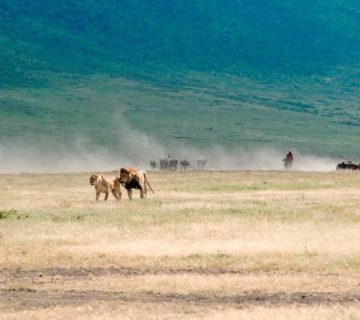
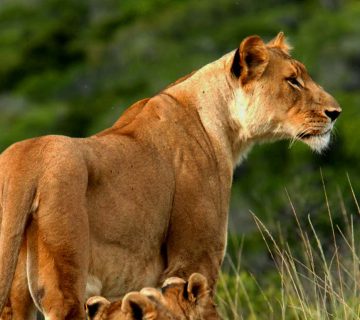
Buffalo form a significant part of the diet for Ngorongoro’s lion prides, among the densest populations per square kilometre anywhere in Africa, and the two species’ interaction has been documented in detail by researchers studying the crater’s contained predator-prey dynamics. Watching a large buffalo herd’s collective response to nearby lion activity offers genuine, detailed insight into this well-studied relationship.
Ngorongoro’s Full Big Five Picture
Buffalo is one of five species making Ngorongoro Crater one of the very few places in Africa where a genuine Big Five day is realistically achievable, alongside rhino, lion, elephant, and leopard concentrated within the same compact crater floor.
Solitary Bulls in the Crater
Older male buffalo, pushed out of the main herd as younger bulls take over breeding dominance, are occasionally seen alone or in small bachelor groups around the crater’s swamp edges, earning the familiar “dagga boy” nickname given how often they’re found wallowing in isolation. These solitary bulls carry the same reputation for unpredictability found in buffalo populations across East Africa.
Best Time of Year for Buffalo Sightings
Buffalo are visible on the crater floor year-round given the caldera’s consistent water supply, making Ngorongoro one of the more reliable Big Five destinations regardless of season. This consistency is part of what makes the crater such a popular choice for travelers with limited time who want dependable sightings across multiple species.
How Ngorongoro Compares to the Serengeti for Buffalo
The Serengeti offers genuinely massive herds given its far larger overall size, sometimes numbering in the thousands, while Ngorongoro’s smaller, contained crater floor concentrates sightings more predictably within a compact, easily covered area alongside the rest of the Big Five.
Self-Drive vs Guided Safaris in Ngorongoro
Self-driving on the crater floor is not permitted for independent tourists without a licensed guide, given the area’s protected status and the value of coordinated vehicle movement in such a compact, wildlife-dense space. A guided safari is essentially mandatory here for any crater floor visit.
Photographing Ngorongoro’s Buffalo
Large herds against the crater floor’s open grassland and dramatic rim backdrop offer genuinely strong photographic conditions, particularly in the soft light of early morning game drives before the crater’s famous afternoon cloud cover sets in. A wider-angle lens is worth having on hand alongside standard telephoto gear specifically for capturing the scale of the crater’s largest herds.
Buffalo as Africa’s Most Dangerous Big Five Species
Cape buffalo are frequently cited by professional guides as among the most dangerous Big Five species to encounter on foot, given their unpredictable temperament and willingness to charge when threatened, particularly solitary “dagga boy” bulls. This reputation applies just as much within Ngorongoro’s contained ecosystem as anywhere else in East Africa.
Crater Descent and Logistics
Access to the crater floor is via a single steep descent road, with vehicles typically spending a full day exploring before ascending again in the afternoon, a logistical structure that shapes how most Ngorongoro visits are planned. Most visitors stay at a lodge along the crater rim, offering genuinely spectacular views over the crater floor below.
What to Pack for a Ngorongoro Safari
Standard game drive gear – neutral clothing, sun protection, and binoculars – covers most of what the crater requires, and a warm layer is worth packing given how cool mornings along the crater rim can feel at this altitude. If your wider East Africa itinerary includes gorilla trekking, our gorilla trekking packing list covers that portion separately.
Combining Buffalo Viewing With a Serengeti Extension
Most Tanzania itineraries pair Ngorongoro with the neighbouring Serengeti, given the two parks’ close proximity and complementary wildlife highlights, giving travelers both the crater’s concentrated buffalo herds and the Serengeti’s vast, open-plains experience within a single well-planned trip. See our Serengeti lion guide for more on that side of a combined itinerary.
The Maasai and Ngorongoro Conservation Area
Unlike a standard national park, Ngorongoro Conservation Area permits Maasai pastoralist communities to graze cattle within its boundaries, a genuinely unique multi-use conservation model that coexists alongside the crater’s protected wildlife, including its large buffalo herds. This arrangement reflects a deliberate balance between conservation and the traditional land rights of the Maasai people.
Visiting Responsibly: Supporting Ongoing Conservation
Every visitor to Ngorongoro contributes directly to the crater’s ongoing conservation funding through park fees and guided activity costs, supporting the same ranger patrols and monitoring programmes that protect buffalo and the crater’s wider wildlife. Choosing a reputable local operator who works closely with conservation area management further ensures your visit genuinely supports this ongoing protection effort for future generations of both wildlife and visitors alike.
Buffalo’s Role in the Crater Ecosystem
As one of Ngorongoro’s primary large grazing herbivores, buffalo play a significant role in shaping the crater floor’s grassland through consistent, heavy grazing pressure, influencing vegetation patterns that in turn affect where other species choose to feed. This ecological role, combined with buffalo’s importance as a major prey species for the crater’s dense lion population, makes them a genuinely central part of Ngorongoro’s contained food web.
The Crater’s Unique Geological Formation
Ngorongoro Crater, technically a caldera rather than a true crater, formed when a massive volcano estimated to have once stood taller than Kilimanjaro collapsed inward on itself roughly two to three million years ago. This geological event created the world’s largest inactive, intact, and unfilled volcanic caldera, concentrating buffalo and the crater’s other wildlife within a genuinely contained, easily covered landscape.
Buffalo Conservation Status in Ngorongoro
The crater’s buffalo population has remained comparatively stable and healthy given the area’s genuinely strong protected status and rich year-round grazing, part of a broader Tanzanian conservation recovery story shared across the country’s protected areas since the poaching crisis of the 1970s and 80s. Today’s large, reliable herds reflect decades of consistent conservation management within this contained ecosystem.
Best Lodges for Buffalo Viewing
Properties along the crater rim offer the most convenient access to the single descent road used each morning, minimising pre-dawn transfer time before a full day exploring the crater floor’s buffalo territory. Discussing lodge location and typical departure timing directly with your operator is worth doing if an early start and maximum crater floor time are genuine priorities.
Combining Buffalo Viewing With a Wider Tanzania Circuit
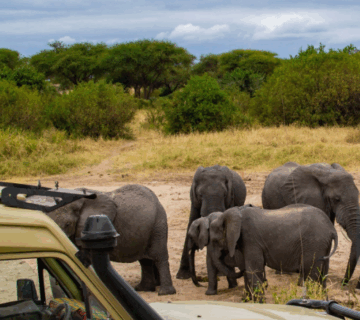
Beyond the Serengeti, many longer Tanzania itineraries also combine Ngorongoro with Tarangire’s elephant herds or a wider Big Five circuit, giving travelers a genuinely comprehensive picture of Tanzania’s different wildlife-viewing experiences within a single well-sequenced trip.
Frequently Asked Questions
Are buffalo dangerous to encounter in Ngorongoro?
Generally not from within a vehicle, though on foot they’re considered genuinely dangerous, particularly solitary bulls, which is why the crater floor requires a licensed guide at all times.
How large can Ngorongoro’s buffalo herds get?
Genuinely large given the crater’s compact size, sometimes numbering in the hundreds, reflecting the caldera’s rich volcanic soil and reliable water supply.
Is Ngorongoro or the Serengeti better for buffalo viewing?
The Serengeti offers larger overall herds, while Ngorongoro provides a more concentrated, efficiently covered experience within a single day alongside the rest of the Big Five.
Can I see the full Big Five in one day at Ngorongoro?
Yes, this is one of the very few places in Africa where a genuine Big Five day is realistically achievable within a single crater floor visit.
Can I drive myself around the crater floor?
No, a licensed guide is required for crater floor access, both for conservation reasons and to navigate the area’s coordinated vehicle movement system.
How does Ngorongoro’s buffalo viewing compare to Uganda’s parks?
See our Murchison Falls buffalo guide for how open-savannah herds compare to Ngorongoro’s contained crater-floor concentration.
Ready to Plan Your Ngorongoro Safari?
Whether Ngorongoro’s large buffalo herds, a full Big Five day, or a combination with the Serengeti is your priority, our team can build a Tanzania trip matched to your time and interests. Get in touch with our team below today and let’s start planning your complete Tanzania safari together.

No comment