
Safari in November: Is the Short Rain Season Worth Booking?
November is one of the most overlooked months for an African safari. While many travelers focus on the dry season between June and October, November brings a different kind of wildlife experience across East Africa. The first short rains refresh the savanna, forests become greener, migratory birds arrive, and some popular parks begin to feel less crowded than they do during the peak travel months. For travelers who value beautiful scenery, wildlife photography, birdwatching, and potentially better accommodation rates, November can be an excellent time to visit Africa.
The main concern is usually the weather. Travelers often worry that rain will spoil game drives, make roads impassable, or reduce the chances of seeing wildlife. These concerns deserve consideration, especially for itineraries involving remote parks or forest trekking. However, the short rainy season does not mean that it rains continuously or that safari activities stop. In many areas, showers occur intermittently, leaving opportunities for morning game drives, afternoon wildlife viewing, and other outdoor experiences.
November also brings seasonal changes to wildlife movements. In Tanzania, the Great Wildebeest Migration generally begins moving south toward the central and southern Serengeti as fresh grazing becomes available, although the timing varies with rainfall. In Kenya, resident wildlife remains an attraction even as many migrating herds move back into Tanzania. Uganda and Rwanda offer year-round opportunities to see mountain gorillas and chimpanzees, although their forest trails can become muddy and more challenging during wetter periods.
The decision to book a November safari depends on what you want from your holiday. If you require consistently dry conditions and want to focus on the busiest migration-viewing period, other months may be more suitable. If you prefer greener landscapes, fewer vehicles in selected destinations, excellent birdlife, and a more flexible approach to travel, November deserves serious consideration.
Why November Is Worth Considering for a Safari
November marks the beginning of the short rainy season in many parts of East Africa. After several months of relatively dry weather, rainfall begins to restore moisture to the soil, encouraging fresh grass growth and changing the appearance of the landscape. Dust settles, trees and shrubs become greener, and seasonal pools may begin to fill with water.
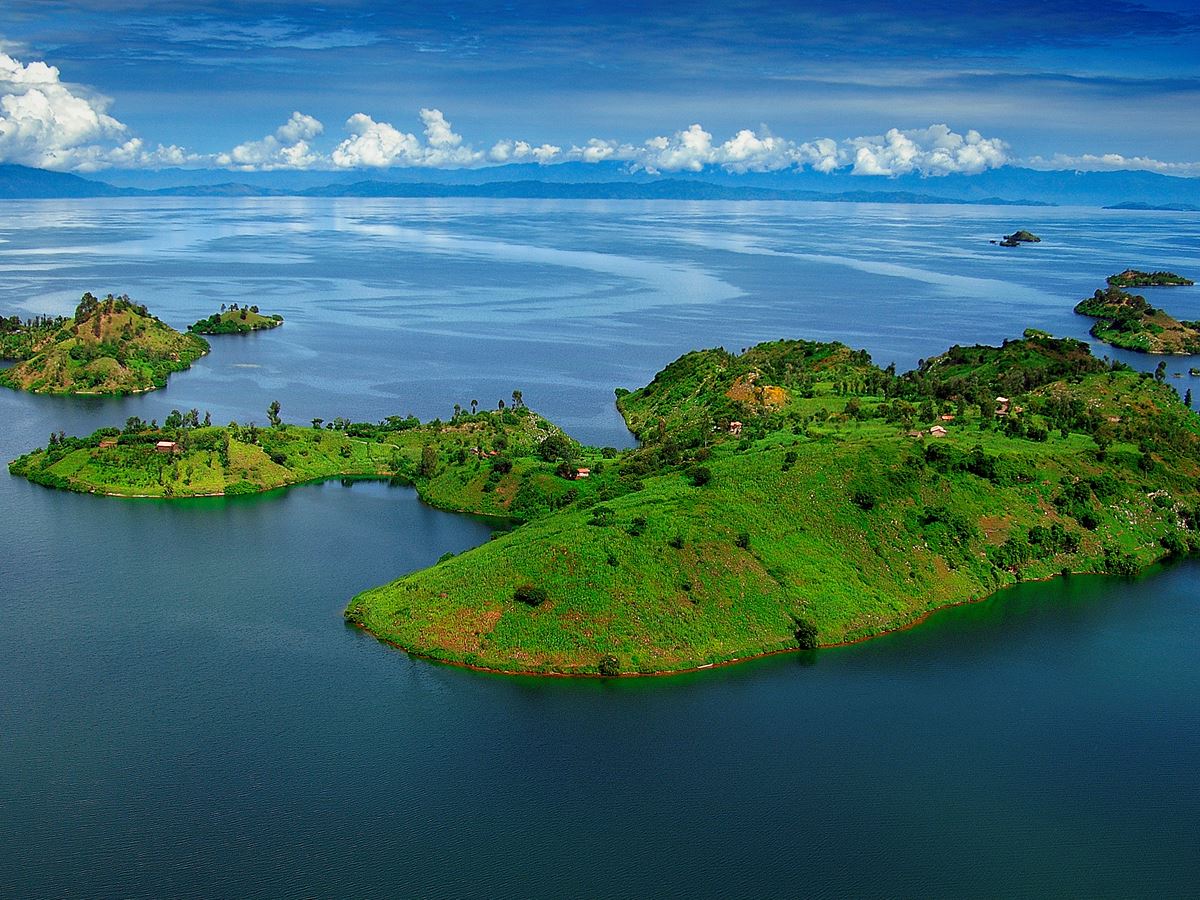
These changes create a different safari atmosphere from the dry months. Instead of golden grasslands and dusty tracks, visitors may find bright green plains, dramatic cloud formations, and animals moving through refreshed vegetation. For photographers, the combination of green scenery and changing light can be particularly attractive.
Wildlife viewing can remain rewarding because the major animals do not disappear when the rains arrive. Lions, leopards, elephants, buffaloes, giraffes, zebras, antelopes, and many other species continue to inhabit the national parks throughout the year. What changes is how easily guides can locate them. As water becomes available across a wider area, animals may spread out rather than gathering around a limited number of water sources. Taller grass can also make some species harder to see.
November can appeal to travelers who want to experience wildlife without the pressure of the busiest holiday periods. Some parks and lodges receive fewer visitors than during July, August, and September, although popular destinations can remain busy. Accommodation availability may improve in certain locations, and some properties offer seasonal rates that are more attractive than peak-season prices.
Another advantage is the opportunity to combine different experiences. A November safari can include savanna game drives, birdwatching, forest walks, chimpanzee tracking, gorilla trekking, cultural visits, and even a beach stay. The key is to select destinations that work well under the expected weather conditions and allow enough time for travel delays or changes in outdoor activities.
What Are the Short Rains in East Africa?
East Africa commonly experiences two main rainy seasons, often described as the long rains and the short rains. The long rains generally occur between March and May, while the short rains commonly fall between October or November and December, depending on the region and the year.
The term short rains refers to a seasonal rainfall period rather than a guarantee that every shower will be brief. Some days may have a short afternoon shower followed by sunshine, while others may experience prolonged rain. Rainfall can also vary considerably between nearby areas because of altitude, landscape, and local weather patterns.
In Kenya and northern Tanzania, November often brings a transition from dry-season conditions to greener landscapes. In Uganda and Rwanda, rainfall patterns can be more complicated because of elevation, tropical forests, and regional differences. Mountain forests may receive rain even when lower-lying savanna areas are relatively dry.
For safari travelers, this variation matters. A trip to the Maasai Mara may experience a different weather pattern from a visit to the Serengeti, while Bwindi Impenetrable National Park can have muddy trails even when the weather in Kampala is relatively clear. Checking conditions for each destination is more useful than relying on a general forecast for an entire country.
The short rains can affect roads, particularly unpaved tracks in remote parks. Some routes may become slippery, and transfers can take longer than expected. However, established lodges and national parks continue to host visitors during this season. With suitable transport, an experienced guide, and a flexible schedule, rain can usually be managed as part of the safari experience.
Early November or Late November: Which Is Better?
The first and second halves of November can offer different experiences, but the difference depends on where you travel and how the seasonal rains develop.
Early November may retain some dry-season characteristics, particularly in areas where rainfall arrives later. Wildlife viewing can remain strong, and the vegetation may not yet have become dense. This can be attractive for travelers who want to enjoy relatively open landscapes while benefiting from potentially lower visitor numbers than during the main peak season.
Late November may bring greener scenery and more regular showers in some destinations. Fresh grass becomes more widespread, bird activity can increase, and the landscape may look dramatically different from a few weeks earlier. However, rain may affect road conditions and make some wildlife more difficult to locate in thickening vegetation.
Neither period is automatically superior. If your priority is dry roads and straightforward game drives, early November may be the safer choice, although rainfall can still occur. If you are interested in green landscapes, bird photography, and a quieter safari atmosphere, late November may be more appealing.
Travelers planning to follow the Great Wildebeest Migration should make their decision according to the likely location of the herds rather than choosing a date alone. The migration is a continuous movement across the Serengeti ecosystem, and its timing responds to rainfall and fresh grazing. A well-located camp and several nights in the appropriate region are more useful than a rigid itinerary based on assumptions about where the animals should be.
Kenya in November: Green Landscapes and Resident Wildlife
Kenya remains a rewarding safari destination in November, even though the main Great Migration herds are generally moving back toward Tanzania. The Maasai Mara continues to support abundant resident wildlife, including lions, elephants, buffaloes, giraffes, zebras, hyenas, and several antelope species.
The short rains can refresh the Mara’s grasslands, creating attractive conditions for landscape photography. Migratory birds also begin appearing across many East African habitats, adding to the variety of wildlife experiences. However, rain and fresh grazing may spread animals across a wider area, so sightings can require more searching than during the driest months.
The Maasai Mara can still be a good choice for visitors who want a classic savanna safari. Rather than focusing exclusively on river crossings, travelers can spend time following resident predators, observing grazing herds, and exploring different habitats. A guide who knows the reserve well can adjust the daily route according to recent sightings and local conditions.
Amboseli National Park is another option, particularly for travelers interested in elephants and scenic landscapes. The park’s wetlands attract wildlife, while the open plains provide opportunities for observing large herds. Mount Kilimanjaro forms a spectacular backdrop when the summit is visible, although clouds can obscure the mountain at any time of year. November’s changing skies can create beautiful photographic conditions, but clear views cannot be guaranteed.
Samburu National Reserve offers a different experience in northern Kenya, with species such as Grevy’s zebra, reticulated giraffe, gerenuk, and Beisa oryx. Conditions in this region differ from those in southern Kenya, so rainfall and road conditions should be checked for the specific travel dates.
Travelers seeking a quieter experience can consider private conservancies near the Maasai Mara or destinations away from the most popular safari routes. Conservancies may have different vehicle policies and activity options, depending on local regulations. Choosing accommodation in a suitable location can make a substantial difference to the experience, particularly when the weather changes.
Tanzania in November: Following the Great Wildebeest Migration
Tanzania is one of the most interesting destinations for a November safari because the Great Wildebeest Migration generally begins moving south through the Serengeti ecosystem as fresh grazing becomes available. The herds’ movements depend on rainfall, so the exact timing and location vary each year.
During much of the dry season, migrating wildebeest and zebras may be found in the northern Serengeti and Kenya’s Maasai Mara. As seasonal rains develop, herds commonly begin moving through central Serengeti toward the southern plains. Some animals may remain in northern areas for a time, while others move south earlier. A November itinerary should therefore be planned around current conditions rather than fixed assumptions.
The Serengeti remains rewarding even when the migration is spread across a large area. Resident lions, leopards, cheetahs, elephants, giraffes, and other wildlife can be encountered throughout the ecosystem. Green landscapes and dramatic skies also create excellent photography opportunities, although thicker grass can make animals harder to spot in some areas.
Tarangire National Park can be another worthwhile addition. Known for its elephants, baobab trees, and varied savanna habitats, Tarangire offers a different experience from the Serengeti. Wildlife distribution changes with rainfall and water availability, so game drives may produce different patterns of sightings from those seen during the driest months.
The Ngorongoro Conservation Area offers dramatic volcanic scenery and opportunities to see a range of animals within the crater. Lions, buffaloes, zebras, wildebeest, hyenas, and elephants are among the species found there, while black rhinos are present but not guaranteed to be seen. The crater remains popular throughout the year, so November does not necessarily mean that every wildlife-viewing location will be quiet.
Travelers interested in a more remote safari may also consider southern Tanzania, including Ruaha National Park, depending on available transport and accommodation. The best route depends on whether your main priority is migration activity, big-cat sightings, elephants, birdwatching, or a quieter wilderness experience.
Uganda in November: Gorilla Trekking and Savanna Safaris
Uganda offers a particularly diverse safari experience because visitors can combine traditional game drives with mountain gorilla trekking, chimpanzee tracking, boat excursions, and forest walks. November is generally a wetter period in many parts of the country, but it remains possible to enjoy a rewarding safari with suitable preparation.
Murchison Falls National Park is a strong choice for classic wildlife viewing. Its savanna and woodland habitats support elephants, giraffes, buffaloes, Uganda kob, lions, and other species. Game drives are complemented by boat trips along the Nile, where visitors can observe hippos, crocodiles, elephants near the riverbanks, and a variety of waterbirds. The powerful Murchison Falls add a scenic highlight to the journey.
Queen Elizabeth National Park provides another varied safari experience, with open grasslands, woodland, crater lakes, wetlands, and the Kazinga Channel. Game drives can produce sightings of elephants, buffaloes, Uganda kob, lions, and other wildlife. Boat cruises on the channel are especially rewarding for viewing hippos and birds, while the Ishasha sector is known for tree-climbing lions. Finding those lions depends on their movements and should not be treated as a certainty.
Rain can make some park tracks muddy, and fresh vegetation may reduce visibility in certain areas. However, wildlife remains present, and the changing scenery can make the experience attractive for photography. An experienced driver-guide can select routes according to road conditions and recent sightings.
Bwindi Impenetrable National Park is one of Uganda’s most important destinations for mountain gorilla trekking. November can be challenging because the forest trails are often wet, muddy, and slippery. Treks may involve steep slopes, thick vegetation, and extended periods of walking, depending on the location of the assigned gorilla family.
The rain does not prevent gorilla trekking from taking place, and gorillas can be tracked throughout the year. However, visitors should be physically prepared and carry sturdy waterproof footwear, long trousers, a rain jacket, and suitable daypack protection. Trekking duration varies because the gorillas move through the forest, and no particular walking time can be guaranteed.
Kibale National Park is another excellent destination for travelers interested in chimpanzees. Chimpanzee tracking allows visitors to observe these intelligent primates in their natural habitat, while the surrounding forest supports other primates and a wide range of birdlife. Rain can affect trail conditions, so it is important to follow the guide’s instructions and allow sufficient time for activities.
A November itinerary combining Murchison Falls, Kibale, Queen Elizabeth, and Bwindi can offer a broad introduction to Uganda’s wildlife. However, the route should be designed around realistic transfer times and the possibility of rain rather than attempting to visit too many places in a short period.
Rwanda in November: Gorilla Trekking in the Rainforest
Rwanda is an appealing destination for travelers who want to combine mountain gorilla trekking with scenic landscapes and relatively manageable travel distances. November is often part of the short-rains period, and Volcanoes National Park can experience wet trails and changing weather. Nevertheless, gorilla trekking remains possible, and the forest’s misty atmosphere can create memorable experiences.
Volcanoes National Park protects mountain gorillas in a landscape of volcanic slopes, bamboo forests, and montane vegetation. Visitors receive a briefing before entering the forest with trained guides and trackers. The hike can be relatively short or physically demanding, depending on where the assigned gorilla family is located.
Wet ground can make some sections slippery, and thick vegetation may require careful movement. Waterproof clothing, sturdy boots, long trousers, and a suitable walking pace are essential. Visitors should also be prepared for changes in temperature and the possibility of rain during the trek.
Rwanda offers more than gorilla trekking. Akagera National Park provides a savanna safari with opportunities to see elephants, giraffes, zebras, buffaloes, antelopes, and predators. Its lakes and wetlands support diverse birdlife, while game drives and boat trips offer different ways to explore the park. Rainfall can make vegetation greener, but wildlife may be more dispersed as water becomes available across the landscape.
Nyungwe National Park is another option for travelers interested in chimpanzee tracking, forest birdwatching, and canopy experiences. Its highland forest environment differs considerably from Akagera’s open savanna, making it a useful addition for visitors who want a varied itinerary.
Travelers who want to combine gorilla trekking with another park should allow enough time for road transfers and activities. Gorilla permits should be confirmed before finalizing accommodation and transport, particularly for fixed travel dates. Although November may offer more flexibility in some circumstances, permit availability should never be assumed.
Is November a Good Month for Big Five Wildlife Viewing?
November can still provide rewarding opportunities to see the Big Five: lions, leopards, elephants, buffaloes, and rhinos. These animals remain in their natural habitats throughout the year, but the ease of finding them depends on the park, vegetation, weather, and the skill of the guide.
Lions may be seen resting in shaded areas during warm periods or becoming more active when temperatures fall. Leopards are often harder to locate because they are solitary, elusive, and frequently remain within woodland or dense vegetation. Elephants and buffaloes can be observed in savanna areas, forests, and near water sources, depending on the destination.
Rhino sightings depend heavily on where you travel. Some parks and conservancies are known for protecting black or white rhinos, but their presence does not guarantee a sighting. Travelers with a strong interest in rhinos should choose destinations based on conservation areas where rhino viewing is a realistic possibility.
As rain encourages fresh vegetation, wildlife may spread across a wider area. Animals that were concentrated near permanent water sources during the dry season may no longer need to travel as far to drink. Taller grass can also make smaller antelopes and predators more difficult to spot.
These conditions do not make November a poor month for wildlife viewing. They simply change the experience. Guides may need to explore a broader area, and visitors may benefit from spending more nights in a park rather than moving between destinations every day.
A successful safari is not defined solely by how many species appear on a checklist. Watching elephants interact, observing a lion pride at rest, following a herd across the plains, or listening to birds in a wetland can be rewarding experiences in their own right. November offers many such opportunities when the itinerary is planned carefully.
Why November Is Excellent for Birdwatching
Birdwatching is one of the strongest reasons to consider an East African safari in November. Seasonal rainfall supports new plant growth and insect activity, while migratory birds begin arriving in many habitats. Lakes, wetlands, rivers, forests, and savanna areas can all offer different opportunities.
In Uganda, the Nile, Kazinga Channel, and wetlands around Murchison Falls and Queen Elizabeth national parks provide habitats for waterbirds and other species. Forest parks such as Bwindi and Kibale offer a different range of birds, including forest specialists that are not commonly seen in open savanna.
Rwanda’s Akagera National Park provides opportunities to explore lake edges, papyrus wetlands, woodland, and grassland. Nyungwe’s high-altitude forest is important for forest birdwatching and supports a distinctive range of species. Kenya and Tanzania also offer productive birding across savanna, lakes, rivers, and woodland.
November can be especially interesting for travelers who want to combine birdwatching with general wildlife viewing. Migratory birds add seasonal variety, while resident species remain present throughout the year. The exact birds seen depend on the habitat, weather, and timing of migration, so visitors should avoid assuming that every species will be present on a specific date.
A dedicated birding guide can make a considerable difference by identifying species, explaining behavior, and selecting suitable locations. Binoculars are essential, while a camera with a suitable lens can help capture distant birds. Comfortable clothing, waterproof protection, and patience are also valuable, particularly in forests and wetlands.
Even travelers whose main interest is large mammals can benefit from taking time to appreciate birdlife during game drives and boat excursions. November can make a familiar safari route feel different because seasonal visitors add new sounds, colors, and behavior to the landscape.
Green Landscapes and Photography Opportunities
The green season creates a distinct visual experience for safari photography. Fresh grass, renewed foliage, storm clouds, and changing light can transform familiar landscapes into dramatic scenes. November is particularly attractive for photographers who want more than the dry, golden look associated with peak-season safaris.
Wildlife can appear against lush green backgrounds, while rain-washed vegetation adds texture to forest photographs. Cloud formations over mountains and plains can provide a sense of scale, and the light immediately after a shower may produce rich colors and atmospheric conditions.
Photographers should still understand the practical trade-offs. Thick grass can hide animals, and predators may be harder to locate in dense vegetation. Rain can affect visibility, and low-light conditions may require adjustments to camera settings. Patience and flexibility are especially important during this period.
A waterproof camera cover, dry bag, lens cloth, and protection for spare batteries can help safeguard equipment. A telephoto lens is useful for photographing wildlife without approaching too closely, while a wider lens can capture landscapes, forests, and animals within their surroundings.
Early mornings and late afternoons often provide favorable light, although weather conditions vary. A knowledgeable guide can help position the vehicle responsibly and identify opportunities as they arise. Wildlife photography should always prioritize animal welfare, with appropriate distances and adherence to park rules.
Travelers who want to focus on photography should explain their priorities when planning the safari. Someone interested in birds and green landscapes may benefit from different locations and timing than someone focused on big cats or the Great Migration. A well-designed itinerary can make November’s changing conditions an advantage rather than an inconvenience.
Are November Safaris Less Crowded and More Affordable?
November is often quieter than the peak dry-season months in parts of East Africa, but it is not universally a low season. Visitor numbers depend on the destination, school holidays, accommodation availability, and demand for specific wildlife experiences.
Some lodges and camps offer more attractive rates during the short rains, particularly in areas where demand decreases after September and October. Other properties, especially those in sought-after migration locations or popular gorilla trekking regions, may remain expensive or have limited availability.
Travelers can improve their chances of finding better value by considering mid-range accommodation, choosing fewer destinations, and spending more nights in each park. This reduces repeated transfer costs and allows more time for wildlife viewing. It can also make the trip less tiring, particularly when rain affects road conditions.
Location remains important. A cheaper lodge far from the main wildlife areas may require longer drives, reducing the time available for game viewing. A well-positioned property can offer better overall value even if its nightly price is higher.
Before booking, request a clear explanation of what the safari price includes. Park fees, meals, private transport, boat trips, gorilla permits, chimpanzee permits, domestic flights, drinks, and tips may be handled differently by different operators. Understanding these details makes it easier to compare quotations accurately.
November is particularly suitable for travelers who have some flexibility in their dates and accommodation preferences. However, if you have fixed travel dates or want a specific gorilla permit, camp, or migration location, booking early remains sensible.
What Are the Main Disadvantages of a November Safari?
The biggest disadvantage is uncertainty about weather. Although the short rains are often described as intermittent, rainfall can be heavier or more prolonged in some areas. Travelers who expect uninterrupted sunshine may find the changing conditions inconvenient.
Road conditions are another consideration. Dirt tracks can become muddy or slippery, and some remote routes may take longer to navigate. Transfers between parks can be affected, particularly where roads are unpaved or drainage is poor. A reliable safari vehicle and an experienced driver-guide are important.
Wildlife can also be harder to spot in some habitats. Fresh grass and denser vegetation may conceal smaller animals, while the availability of water can spread wildlife over a wider area. Travelers who want the most predictable dry-season viewing conditions may prefer June through September in many savanna destinations.
Gorilla and chimpanzee trekking can be more physically demanding when trails are wet. Muddy slopes and thick vegetation require good footwear, careful movement, and an appropriate level of fitness. Visitors should not assume that forest trekking will be easy simply because permits are available.
Some remote camps or seasonal properties may change their operating arrangements during wetter periods, so accommodation and transport should be confirmed for the exact dates. Beach plans may also require flexibility because rain and sea conditions can vary along the Indian Ocean coast.
These disadvantages do not mean that November is a poor month to travel. They mean that travelers should choose the right destinations, prepare for rain, and avoid building an itinerary that depends on perfect weather every day.
What to Pack for a November Safari
Packing for November requires preparation for warm weather, rain, and changing temperatures. Lightweight clothing in neutral colors is suitable for game drives, while a warm layer is useful for early morning departures. A waterproof jacket is essential, especially for travelers visiting forest parks or spending extended periods outdoors.
For gorilla and chimpanzee trekking, sturdy hiking boots with good grip are important. Long trousers and long-sleeved shirts help protect against vegetation and insects, while a small daypack can carry drinking water, personal medication, snacks where permitted, and other essentials. A rain cover for the daypack is useful during forest walks.
Travelers should bring sunscreen, sunglasses, a hat, and insect repellent. The sun can still be strong between showers, and humid conditions can make outdoor activities tiring. Binoculars are useful for spotting birds and distant wildlife, while photographers should protect cameras and lenses with waterproof covers and dry bags.
A spare pair of socks and quick-drying clothing can make a difference after a wet game drive or trek. Travelers should also carry any necessary personal medication and keep travel documents protected from moisture.
If the itinerary includes domestic flights, check luggage weight restrictions before departure. Small aircraft may have strict limits and often require soft-sided bags. Travel insurance should cover the planned activities, including trekking where relevant, and visitors should understand how to access assistance if weather disrupts transport.
Finally, leave some flexibility in the schedule. A spare morning or an extra night in a key destination can make the trip more comfortable if rain delays a transfer or changes an activity.
How Many Days Should You Spend on Safari in November?
The ideal length depends on your destinations and interests. A three- or four-day safari can work well for one major park, but a longer trip provides more flexibility when weather and road conditions change.
In Kenya, four to six days can provide a worthwhile experience focused on the Maasai Mara or a combination of parks. Travelers who want to see elephants in Amboseli or explore northern Kenya should allow extra time for transfers and activities. If the migration is a priority, choose the Serengeti or Mara region according to current herd movements.
In Tanzania, six to eight days can combine the Serengeti, Ngorongoro Crater, and Tarangire. A migration-focused itinerary should spend enough nights in the likely location of the herds rather than treating the Serengeti as a single stop. Travelers considering southern Tanzania may need additional time because of distances and transport arrangements.
Uganda rewards a longer itinerary because its main attractions are spread across the country. A week can introduce visitors to savanna wildlife and primates, while a longer trip can combine Murchison Falls, Kibale, Queen Elizabeth, and Bwindi. The schedule should account for road transfers, trekking time, and the possibility of rain.
Rwanda can work well for a shorter gorilla trekking trip, but adding Akagera or Nyungwe requires additional nights. Travelers should avoid scheduling a demanding trek immediately before a long transfer or important flight.
In every destination, the goal should be to balance travel time with meaningful wildlife experiences. A well-paced safari gives guides the freedom to adjust routes, allows visitors to enjoy each park, and reduces the stress of trying to fit too much into a short holiday.
Is November the Right Month for Your Safari?
November is worth booking if you value green landscapes, seasonal birdlife, potentially quieter parks, and the chance to experience East Africa outside the busiest dry-season period. Kenya and Tanzania can still offer excellent game drives, Uganda combines savanna wildlife with primate experiences, and Rwanda remains a strong destination for mountain gorilla trekking.
The main trade-off is weather. Rain can affect roads, vegetation, and trekking conditions, and wildlife may be more dispersed than during the driest months. The Great Wildebeest Migration also changes location during this period, so travelers should choose the relevant part of Tanzania or Kenya based on current conditions rather than relying on a fixed calendar.
For travelers who prioritize predictable dry weather and classic open-plains viewing, another month may be more suitable. For those who appreciate fresh scenery, birdwatching, photographic opportunities, and a more flexible style of travel, November can be an excellent choice.
Book essential permits and accommodation in advance, choose a route suited to seasonal conditions, and allow enough time in each destination. Bring suitable rain protection and work with a knowledgeable guide who can adapt activities to the weather and recent wildlife sightings.
A November safari is not simply a cheaper version of a dry-season trip. It is a different experience, shaped by rain, fresh vegetation, changing wildlife movements, and a more colorful landscape. When planned around those conditions, it can provide memorable wildlife encounters and a rewarding introduction to East Africa.







No comment