
Safari in December: Festive Travel and Peak-Price Planning
December is one of the most exciting months to plan an African safari, especially for travelers who want to combine wildlife viewing with Christmas celebrations, family holidays, and a relaxing beach escape. Across East Africa, the month offers a mix of seasonal landscapes, resident wildlife, migratory birds, and opportunities to explore national parks before or during the festive travel rush. In many destinations, the short rains begin to ease as December progresses, leaving fresh green scenery and increasingly favorable conditions for game drives.
However, December is also a month of two very different travel periods. The first half can offer a useful balance between good safari conditions, accommodation availability, and more manageable prices. The second half, particularly Christmas week and New Year, brings a sharp increase in demand as families and international travelers use their holidays to visit Africa. Popular lodges, gorilla trekking permits, domestic flights, and beach resorts can become difficult to secure, while accommodation rates may rise considerably.
For travelers who plan carefully, December can deliver an excellent safari experience. Kenya and Tanzania offer opportunities to see abundant wildlife across their savanna parks, Uganda combines traditional game drives with gorilla and chimpanzee trekking, and Rwanda provides mountain gorilla encounters alongside scenic national parks. Tanzania is especially interesting for travelers hoping to see the Great Wildebeest Migration returning toward the southern Serengeti, where fresh grazing becomes available after seasonal rainfall.
The main challenge is balancing the experience you want with your budget and travel dates. A safari during the first week of December may have a different price and atmosphere from one beginning on Christmas Eve. Understanding these differences helps you decide whether to travel early, pay the festive premium, or choose another month.
Why December Is a Popular Month for African Safaris
December attracts travelers for several reasons, beginning with the opportunity to escape cold winter weather in other parts of the world. For visitors from Europe and North America, the month provides a chance to exchange short days and cold temperatures for warm African landscapes, outdoor activities, and wildlife encounters. Families can also take advantage of school holidays, while couples and groups can organize festive trips around Christmas and New Year.
In East Africa, December often follows the short-rains period. The exact timing varies by destination and year, but many areas experience a transition toward drier conditions as the month progresses. The landscape may remain green after recent rainfall, creating attractive conditions for photography and scenic travel. Some savanna parks offer excellent game drives, while forest destinations continue to provide opportunities for primate trekking.
December also offers a wide choice of experiences. Travelers can follow the Great Migration in Tanzania, observe elephants in Amboseli, explore the plains of the Maasai Mara, cruise along the Nile in Uganda, or trek through the mountain forests of Rwanda and Uganda to see gorillas. A safari can also be combined with a beach holiday on the Kenyan or Tanzanian coast, including Zanzibar.
The festive atmosphere adds another dimension. Some lodges organize special Christmas meals, seasonal decorations, family activities, or New Year celebrations. The exact arrangements depend on the property, and some may apply compulsory festive supplements or minimum-stay requirements.
The disadvantage is that demand increases sharply around the holidays. December should not automatically be treated as a quiet or inexpensive month. While early December may offer more flexibility, the final weeks can be among the most expensive periods of the year for selected safari camps and beach resorts.
Early December Versus Christmas and New Year
The most important decision when planning a December safari is whether to travel before the festive rush or during the main holiday period.
Early December is often the better option for travelers who want a good safari experience without paying the highest festive rates. Accommodation availability may be more favorable, and some lodges continue to offer seasonal prices below those charged over Christmas and New Year. Wildlife viewing can still be excellent, and the landscape may be especially attractive after the short rains.
The first half of December can experience occasional showers in some destinations. These may affect road conditions or temporarily change game-drive plans, but they do not necessarily prevent wildlife viewing. Travelers should remain flexible and choose an itinerary that does not depend on every activity taking place at an exact time.
From around the second half of December, demand often increases as Christmas approaches. The busiest period commonly extends through New Year and into the first days of January. Popular camps may fill well in advance, and some properties require guests to book several consecutive nights or pay additional charges for festive meals and celebrations.
Christmas and New Year travel can be particularly enjoyable for families who want to spend the holidays together in an unusual setting. Watching elephants cross the savanna, enjoying a sunset from a lodge terrace, or celebrating the end of the year in the African wilderness can create memorable experiences. However, travelers should be prepared for higher costs and reduced flexibility.
If your dates are flexible, compare the total cost of an early-December departure with a trip beginning just before Christmas. Include flights, accommodation, park fees, permits, transfers, and any compulsory festive supplements. A small change in departure date can sometimes make a substantial difference to the overall budget.
What Is the Weather Like During a December Safari?
December weather varies considerably across East Africa. In many safari destinations, the short rains begin to ease during the month, but there is no single date when dry conditions return everywhere. Some parks may receive occasional showers well into December, while other areas experience relatively dry weather earlier.
In Kenya and northern Tanzania, the landscape can remain green after seasonal rainfall. Daytime temperatures are often warm, while mornings and evenings may be cooler, particularly at higher elevations. Coastal destinations such as Zanzibar and Kenya’s Indian Ocean shoreline tend to be hotter and more humid.
Uganda and Rwanda have more complicated local weather patterns because of elevation, forest cover, and regional differences in rainfall. Mountain gorilla trekking areas can remain wet even when lower-lying locations are relatively dry. Travelers should prepare for rain during forest activities regardless of the forecast for the nearest major town.
The changing weather affects safari conditions in several ways. Fresh grass and green vegetation can improve the scenery, while rainfall may reduce dust on park tracks. On the other hand, taller vegetation can make certain animals harder to spot, and unpaved roads may become slippery after heavy showers.
Travelers should not assume that December guarantees either perfect sunshine or constant rain. A well-planned safari allows for changing conditions and uses local knowledge to adjust routes when necessary. Checking the forecast shortly before departure is useful, but conditions in remote parks can change quickly.
For most visitors, a light waterproof jacket, comfortable clothing, sun protection, and suitable footwear are enough to prepare for the range of conditions likely during a December trip. Gorilla and chimpanzee trekking require more specialized preparation because trails can be muddy and steep.
Kenya in December: Wildlife, Families and Festive Safaris
Kenya is an excellent destination for a December safari, particularly for travelers interested in classic savanna wildlife, family-friendly activities, and combining game drives with a beach holiday. Although the Great Wildebeest Migration is generally moving away from the Maasai Mara toward Tanzania by this time, the Mara continues to support abundant resident wildlife.
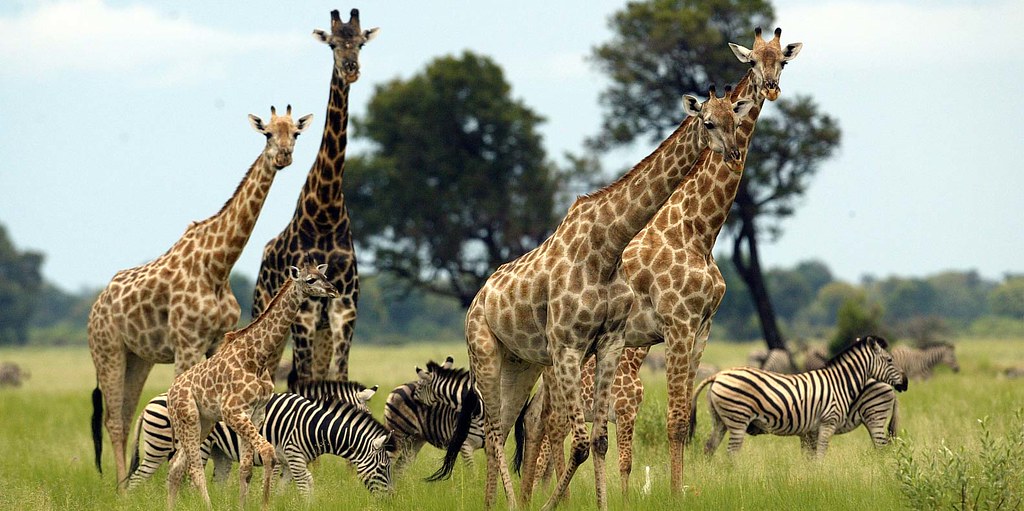
Lions, leopards, cheetahs, elephants, buffaloes, giraffes, zebras, and numerous antelope species remain major attractions. December’s changing vegetation can create attractive scenery, and the period may offer excellent opportunities for photography. However, wildlife distribution changes with rainfall, so sightings depend on the location, habitat, and guide’s knowledge.
Amboseli National Park is another strong option. It is famous for its elephants, open landscapes, wetlands, and views of Mount Kilimanjaro when the weather permits. The wetlands provide important resources for wildlife, while the open terrain can be useful for observing large animals. Cloud cover may hide Kilimanjaro’s summit, so mountain views should be treated as a possibility rather than a guarantee.
Samburu National Reserve offers a different landscape and several species associated with Kenya’s drier northern regions, including Grevy’s zebra, reticulated giraffe, gerenuk, and Beisa oryx. It can be an appealing choice for travelers who want to explore beyond the most familiar safari parks.
Families should consider how much time children can comfortably spend in a safari vehicle. A few nights in one park may be more enjoyable than changing accommodation every day. Lodges with family rooms, swimming pools, flexible meal arrangements, and suitable activities can make the trip easier, although the availability of these facilities varies.
For visitors who want to end the trip at the coast, Kenya offers options such as Diani Beach and Watamu. A safari followed by several nights beside the Indian Ocean creates a balanced holiday, with wildlife viewing followed by swimming, boat excursions, and time to relax. Because coastal accommodation is popular during Christmas and New Year, it should be booked alongside the safari rather than left until the final stages of planning.
Tanzania in December: The Serengeti and the Great Migration
Tanzania is one of the most compelling destinations for a December safari because the Great Wildebeest Migration generally moves toward the southern Serengeti and surrounding short-grass plains as seasonal rains encourage fresh grazing. The exact location of the herds changes from year to year, but December can provide opportunities to see large concentrations of wildebeest and zebras in the broader Serengeti ecosystem.
This period is different from the famous river-crossing season associated with the northern Serengeti and Kenya’s Maasai Mara. Travelers visiting in December should focus on the southern and central Serengeti according to current herd movements rather than expecting the large northern river crossings commonly associated with July through September.
The southern Serengeti and the Ndutu area can become especially interesting as the herds gather on the plains. Late December may bring the first signs of the upcoming calving period, although the main calving activity generally becomes more pronounced later in the season, particularly around January and February. The timing depends on rainfall and grazing conditions.
Even when the migration herds are not concentrated near a particular camp, Tanzania’s resident wildlife remains a major attraction. Lions, cheetahs, leopards, elephants, giraffes, hyenas, and many grazing animals can be encountered across the Serengeti. Green landscapes and dramatic skies also create rewarding photographic conditions.
The Ngorongoro Conservation Area can add a different dimension to the trip. The crater floor supports a concentration of wildlife in a spectacular volcanic setting, with opportunities to see lions, buffaloes, zebras, wildebeest, elephants, and other species. Black rhinos are present but not guaranteed to be seen. The crater remains popular, so visitors should expect other vehicles at well-known sightings.
Tarangire National Park is another option, particularly for elephants and baobab landscapes. Wildlife distribution changes with the season, and the experience in December can differ from the dry-season concentration around the Tarangire River.
A Tanzania itinerary should be designed around the main interest. Migration-focused travelers need accommodation in the appropriate part of the Serengeti, while visitors who want a broader wildlife experience may prefer a combination of the Serengeti, Ngorongoro, and Tarangire. The festive period requires early booking, especially for camps in sought-after wildlife areas.
Uganda in December: Gorilla Trekking and Traditional Game Drives
Uganda offers one of the most varied safari experiences in East Africa because visitors can combine savanna wildlife, forest primates, river excursions, and mountain landscapes. December often marks a transition toward drier conditions in parts of the country, although showers can continue, especially early in the month and in high-altitude forest areas.
Murchison Falls National Park is an excellent choice for travelers interested in elephants, giraffes, buffaloes, lions, Uganda kob, and other savanna wildlife. Game drives across the park can be combined with a boat trip along the Nile, where hippos, crocodiles, elephants, and birds may be observed near the riverbanks. The dramatic Murchison Falls provide another highlight.
Queen Elizabeth National Park offers a different landscape, with savanna, woodland, crater lakes, and wetlands. Game drives can produce sightings of elephants, buffaloes, Uganda kob, lions, and other wildlife, while a boat cruise on the Kazinga Channel offers opportunities to observe hippos and waterbirds. The Ishasha sector is known for tree-climbing lions, although finding them depends on their movements.
December is also a valuable month to consider gorilla trekking in Bwindi Impenetrable National Park or Mgahinga Gorilla National Park. Mountain gorillas can be tracked throughout the year, and the experience remains one of Uganda’s most memorable wildlife encounters. However, forest conditions can still be wet, particularly during periods of rain.
Trekking involves walking through natural forest, sometimes over steep slopes, muddy trails, and uneven ground. Visitors should bring sturdy boots, long trousers, a waterproof jacket, drinking water, and a small daypack. The duration of the trek depends on where the assigned gorilla family is located, so travelers should avoid arranging demanding transfers immediately afterward.
Kibale National Park is another worthwhile destination for chimpanzee tracking. The forest supports chimpanzees and other primates, while guided walks offer opportunities to learn about their behavior and habitat. Combining Kibale with Queen Elizabeth and Bwindi provides a diverse itinerary, but the route requires realistic driving times.
December is a popular travel month, so gorilla permits, accommodation, and transport should be organized early if the trip falls over Christmas or New Year. Travelers who have fixed dates should confirm permit availability before committing to non-refundable flights or accommodation.
Rwanda in December: Gorilla Trekking and Scenic Wildlife Parks
Rwanda is well suited to travelers who want to combine mountain gorilla trekking with scenic landscapes and relatively manageable road transfers. Volcanoes National Park is the country’s leading destination for gorilla trekking, protecting mountain gorillas within a dramatic landscape of volcanic slopes, bamboo forest, and montane vegetation.
December can provide useful opportunities for trekking, but visitors should still prepare for rain and muddy ground. The hike may be short or physically demanding depending on the location of the assigned gorilla family. A trained guide and tracking team lead the experience, and visitors must follow park rules designed to protect the gorillas and reduce the risk of disease transmission.
Travelers should reserve gorilla permits well in advance, especially for the Christmas and New Year period. The number of visitors allowed to trek with each habituated gorilla group is limited, and preferred dates may become unavailable. Booking early also makes it easier to select accommodation and organize transfers around the permit date.
Akagera National Park offers a contrasting safari experience, with open savanna, woodland, lakes, and wetlands. Visitors can look for elephants, giraffes, zebras, buffaloes, antelopes, and predators during game drives. Boat trips and birdwatching add variety, making Akagera a useful addition for travelers who want to experience both primates and classic African wildlife.
Nyungwe National Park is another option for visitors interested in chimpanzee tracking, forest walks, birdwatching, and canopy experiences. Its highland forest environment is very different from Akagera’s open plains, giving travelers an opportunity to explore Rwanda’s varied habitats.
A December itinerary can combine Volcanoes National Park with Akagera or Nyungwe, depending on the time available. Travelers should allow sufficient time for each activity and avoid making the schedule so tight that a delay affects the rest of the holiday.
Festive Safaris for Families and Couples
A December safari can be particularly appealing for families because school holidays create an opportunity for parents and children to travel together. Wildlife experiences provide a natural way to introduce younger travelers to animal behavior, conservation, and the landscapes of Africa.
Family itineraries should be designed around the ages, interests, and stamina of the children. Long game drives may be difficult for very young children, so choosing accommodation near productive wildlife areas can reduce time spent on the road. Properties with family rooms, flexible dining arrangements, and child-friendly facilities can make the holiday more comfortable.
Parents should confirm age restrictions for activities before booking. Gorilla trekking, chimpanzee tracking, walking safaris, and some other experiences have minimum age requirements or specific rules. A family may need to divide activities so that adults can participate in a trek while another suitable arrangement is made for younger children.
Couples can use December for a romantic safari combining wildlife viewing with private accommodation, scenic sundowners, and a beach extension. Some lodges offer special meals or arrangements for celebrations, but these services should be confirmed in advance rather than assumed to be included in the package.
Groups of friends can also benefit from traveling together, particularly when sharing a private safari vehicle. However, the itinerary should balance everyone’s interests and budget. Some travelers may want longer game drives, while others prefer photography, birdwatching, or time at the lodge.
The festive atmosphere is part of December’s appeal, but the best experience comes from selecting a trip that suits the travelers rather than simply choosing the most expensive lodge or the busiest destination.
Combining a Safari With a Beach Holiday
One of the strongest reasons to choose December is the opportunity to combine wildlife viewing with time on the Indian Ocean coast. After several days of early morning game drives and long wildlife-viewing sessions, a beach stay offers a slower pace and a different setting.
In Kenya, Diani Beach and Watamu are popular choices for travelers who want to add swimming, boat trips, marine activities, and coastal relaxation to a safari. In Tanzania, Zanzibar provides white-sand beaches, warm water, cultural experiences, and opportunities to explore historic Stone Town. Other parts of the Tanzanian coast may also suit travelers looking for a different atmosphere.
Weather on the coast can be hot and humid in December, with the possibility of showers. Conditions vary, so travelers should not assume that every day will be sunny. Beach activities and boat excursions may also be affected by sea conditions or weather.
The order of the trip depends on your flights, preferred destinations, and travel style. Some visitors prefer the safari first, followed by a few days relaxing at the beach. Others may begin with the coast and finish with wildlife viewing. For most itineraries, it is sensible to minimize unnecessary transfers and avoid tight connections between domestic flights and international departures.
A safari-and-beach holiday can also help spread the pace of a festive trip. The safari provides early starts and active days, while the beach offers more time to rest. This combination works particularly well for families, couples, and travelers celebrating a special occasion.
Because coastal resorts are popular during Christmas and New Year, book the beach accommodation at the same time as the safari. Waiting until the safari is confirmed can leave fewer choices and higher prices for the second part of the trip.
Why December Safari Prices Increase
December prices rise primarily because demand increases during the festive holiday period. International travelers use the Christmas break to take longer holidays, families travel during school closures, and residents may also visit popular parks and coastal destinations. At the same time, many safari camps and lodges have limited room capacity.
Accommodation providers may apply festive-season rates, compulsory Christmas or New Year supplements, or minimum-stay requirements. Popular camps may sell out months before departure, leaving travelers with fewer alternatives. Domestic flights and coastal accommodation can also become more expensive or harder to secure.
The price difference between early December and the final weeks of the month can be significant, but the amount varies by destination and property. It is not accurate to assume that every lodge increases its rates by the same percentage. The only reliable way to compare costs is to request quotations for the exact dates and accommodation category.
Safari costs also depend on the itinerary itself. A private vehicle, luxury lodge, domestic flights, and multiple park visits can raise the total substantially. A simpler itinerary with mid-range accommodation and fewer transfers may provide a better balance between comfort and cost.
Travelers should compare the full package rather than focusing only on the nightly rate. Park fees, meals, transfers, activities, permits, drinks, tips, and festive supplements may be treated differently by different operators. A low initial quotation may exclude important costs that appear later.
For a December safari, transparency is essential. Ask for a clear written breakdown of included and excluded services, payment deadlines, cancellation terms, and any additional charges that apply during Christmas and New Year.
How to Plan a December Safari on a Budget
Travelers do not need to abandon the idea of a December safari simply because festive prices can be high. A few planning decisions can make the trip more manageable without sacrificing the experiences that matter most.
The simplest option is to travel in early December rather than over Christmas week. This can provide more accommodation choices and potentially lower rates while retaining good wildlife-viewing opportunities. If your schedule is flexible, compare several departure dates before making a decision.
Choosing mid-range accommodation can also help. A comfortable lodge in a good location may provide an excellent safari experience without the cost of a luxury property. Location should remain a priority because a cheaper lodge far from wildlife areas may require longer drives and reduce time spent on game viewing.
Another way to control costs is to visit fewer parks. Travelers sometimes try to include too many destinations in a short trip, creating additional transport expenses and tiring travel days. Spending three nights in one well-chosen park may provide a more rewarding experience than spending one night in several locations.
Group travel can reduce the per-person cost of a private vehicle when participants share the same itinerary. However, the group should agree on the accommodation standard, activities, and budget before booking. Different expectations can cause difficulties once the trip begins.
Travelers should also compare the cost of road transfers with domestic flights. Flying can save time on some routes, but baggage restrictions and additional transfer costs must be considered. Road travel may be more economical when the journey itself includes interesting stops, although long distances can make it tiring.
Finally, book essential services early. Waiting until the last moment can reduce your choice of accommodation and transport, especially during the festive period. A carefully planned itinerary is often more effective than cutting costs at the expense of convenience or wildlife-viewing time.
When Should You Book a December Safari?
For travel during Christmas and New Year, booking several months in advance is a sensible approach. For popular camps, family rooms, preferred gorilla trekking dates, and well-positioned migration accommodation, planning six to twelve months ahead can provide greater choice. This is a planning guideline rather than a guarantee that every property will be available or every early booking will be cheaper.
The first step is to confirm the main purpose of the trip. If gorilla trekking is essential, check permit availability before finalizing the itinerary. If the Great Migration is the priority, choose the appropriate part of the Serengeti based on expected seasonal movements. If the trip includes a beach holiday, confirm the coastal accommodation alongside the safari.
International flights should be coordinated with the ground itinerary, allowing enough time for transfers and unexpected delays. Avoid scheduling a critical international departure immediately after a long road journey or a domestic flight with limited alternatives.
Read payment and cancellation conditions carefully. Festive-season accommodation may require deposits or stricter cancellation terms, and permits may have separate rules. Understand when the balance is due and what happens if travel plans change.
If you are booking a family trip, confirm room configurations, child policies, meal arrangements, and activity age limits. If you are traveling with a group, ensure that everyone agrees on the itinerary and payment schedule before deposits are made.
Early planning does not remove every uncertainty, but it gives you more control over the choices that matter most. December is a busy travel period, and the best accommodation and travel arrangements may not remain available for long.
What to Pack for a December Safari
Packing for December requires preparation for warm weather, possible showers, cool early mornings, and different environments. Lightweight clothing in neutral colors works well for game drives, while a fleece or light jacket is useful for morning departures and higher-altitude destinations.
A waterproof jacket is worth carrying, especially during the first half of December or when visiting forest parks. For gorilla and chimpanzee trekking, sturdy hiking boots with good grip are important because trails can be slippery after rain. Long trousers and long-sleeved shirts help protect against vegetation and insects.
Sun protection remains essential. Bring sunscreen, sunglasses, a hat, and enough drinking water for outdoor activities. Binoculars can improve wildlife viewing, while a camera with a suitable lens can help capture animals at a distance. A dry bag or waterproof camera cover is useful if showers occur during game drives or boat trips.
Travelers heading to the coast should pack light, breathable clothing, swimwear, and any equipment needed for planned water activities. Those visiting higher elevations should bring warmer layers because temperatures can be cooler than in lowland parks.
Keep personal medication, travel documents, and essential items accessible. Check baggage restrictions before booking domestic flights, especially on small aircraft where weight limits may be strict.
Finally, remember that December can be warm and humid. Comfortable clothing, regular hydration, and realistic activity schedules help make long game drives and outdoor excursions more enjoyable.
Common Mistakes to Avoid When Booking a December Safari
One of the most common mistakes is assuming that every December date has the same price. Early December and the Christmas-New Year period can have very different rates and availability. Travelers who compare only general monthly prices may underestimate the cost of their preferred dates.
Another mistake is booking accommodation before confirming essential activities. Gorilla permits, domestic flights, and accommodation in migration areas can all influence the route. Confirming these priorities first helps prevent unnecessary transfers or changes later.
Travelers should also avoid assuming that the Great Migration will be in the northern Serengeti or Maasai Mara throughout December. The herds generally move toward the southern Serengeti as fresh grazing becomes available, but their location varies. Current information should guide the choice of camp and itinerary.
Overloading the schedule is another problem. Too many parks can mean long road journeys and insufficient time for game drives. A relaxed route is especially valuable during a period when weather can affect travel.
Finally, do not overlook the total package cost. Festive meals, extra nights, park fees, permits, transfers, and cancellation conditions can make a substantial difference. Read the quotation carefully and ask questions before paying a deposit.
Is December the Right Month for Your Safari?
December is an excellent month for travelers who want to combine wildlife viewing with festive celebrations, family time, and a possible beach holiday. Kenya and Tanzania offer classic savanna experiences, Uganda provides a varied combination of game drives and primate trekking, and Rwanda is a strong option for mountain gorillas and scenic national parks.
The month is particularly attractive when the itinerary is built around the right dates. Early December may provide better value and more flexibility, while Christmas and New Year offer a special atmosphere at a higher cost. Tanzania can be especially rewarding for travelers interested in the Great Migration’s return toward the southern Serengeti, while Uganda and Rwanda offer year-round primate experiences that remain possible during changing weather.
The main challenge is planning around demand. Book popular accommodation and essential permits early, confirm the full package price, and allow sufficient time for transfers. If your dates are flexible, compare the first half of December with the festive period before making a final decision.
A December safari can be much more than a holiday trip. It can be an opportunity to celebrate with family, photograph Africa’s changing landscapes, observe wildlife in its natural habitat, and end the year with experiences that are difficult to replicate elsewhere. With a realistic budget and a carefully designed itinerary, December can be one of the most memorable times to explore East Africa.







No comment