
Safari in January: What Wildlife and Weather to Expect in East Africa
January is an excellent month to plan a safari in East Africa, especially if you want warm weather, rewarding wildlife viewing, green landscapes, and the chance to experience the Great Wildebeest Migration in Tanzania. Across Uganda, Kenya, Rwanda, and Tanzania, January often falls within a relatively dry period between the main rainy seasons. However, conditions vary considerably between destinations, and mountain forests, open savannahs, highland regions, and coastal areas do not experience identical weather.
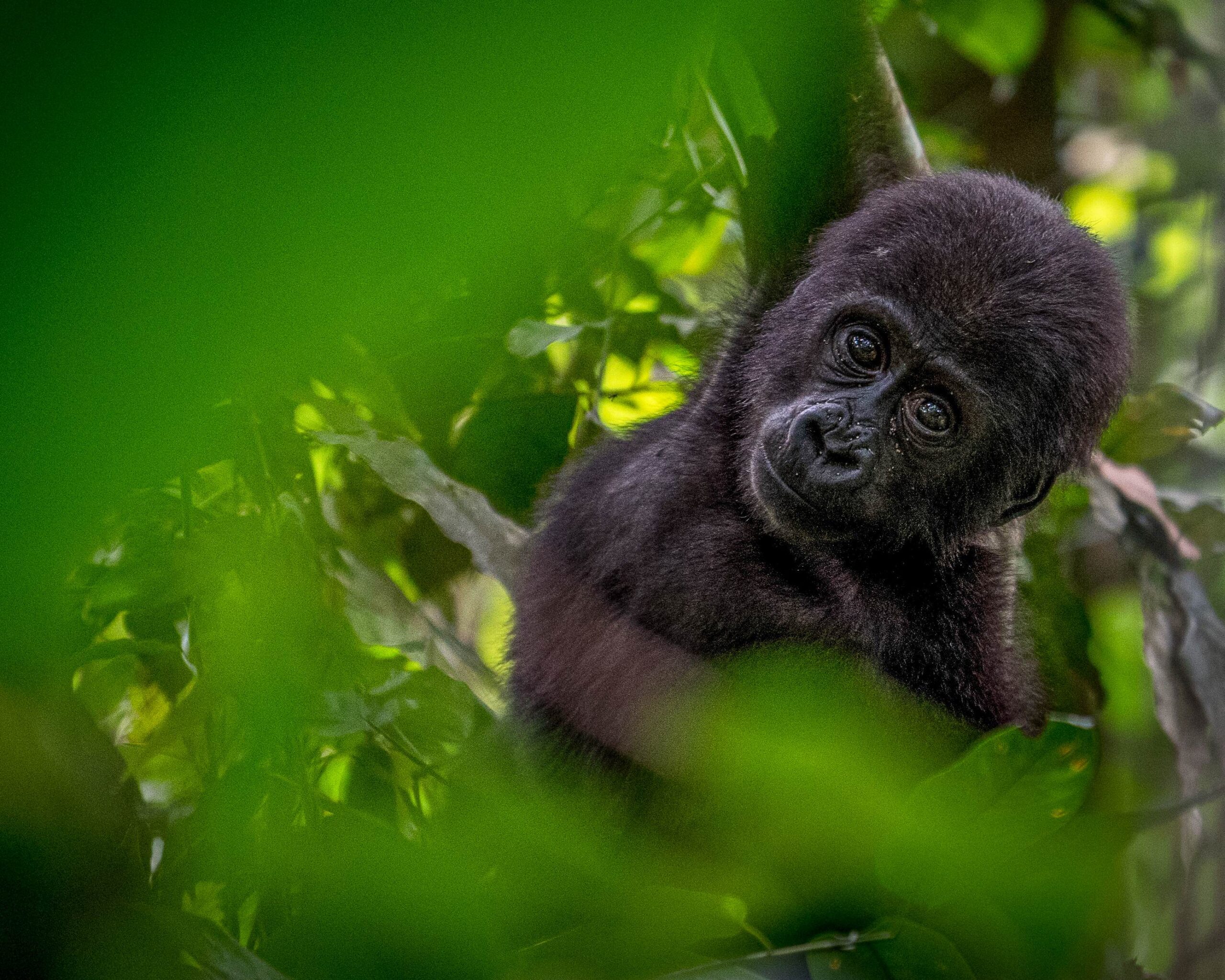
For wildlife enthusiasts, January offers several distinctive experiences. The southern Serengeti and Ndutu area in Tanzania become important locations for the wildebeest migration and the approaching calving season. Kenya’s national parks continue to offer opportunities to see lions, elephants, giraffes, rhinos, buffaloes, and other resident wildlife. Uganda and Rwanda provide opportunities for mountain gorilla trekking, chimpanzee tracking, forest walks, and classic savannah game drives.
January also suits travellers who want to combine a wildlife safari with a beach holiday. Zanzibar and Kenya’s Indian Ocean coast are popular options for warm-weather relaxation after several days of game drives or forest trekking.
However, January is not automatically dry everywhere, and wildlife movements do not follow a fixed calendar. Rainfall, altitude, local conditions, and animal behaviour all influence what you experience. Understanding these differences will help you choose the right parks, prepare suitable clothing, and plan a safari that matches your interests.
What Is the Weather Like in East Africa in January?
January generally falls within one of the warmer and relatively drier periods in several East African safari destinations. In many savannah areas, the short rains of the preceding months have eased, leaving landscapes that are still green but often easier to explore than during periods of persistent rainfall.
Daytime temperatures in lower-elevation safari areas can commonly reach the upper twenties or around 30°C, although conditions vary by location. Nights and early mornings may be considerably cooler, particularly in highland areas and at elevated safari lodges. The equatorial location means that seasonal differences are often influenced more by rainfall and altitude than by the four-season pattern familiar to travellers from Europe or North America.
In Tanzania’s northern safari circuit, January is generally a good month for game drives, especially in the Serengeti and Ngorongoro areas. Warm days, changing cloud cover, and occasional showers are possible, but rain does not usually prevent a safari from taking place.
Kenya also offers rewarding January wildlife viewing. Many savannah parks experience warm conditions, while the central highlands can be cooler and the coast more humid. Some regions may receive occasional rainfall, so it is unwise to assume that every day will be sunny.
Uganda and Rwanda have tropical climates influenced strongly by elevation. January is often a relatively dry period for gorilla trekking and wildlife safaris, but showers can still occur, particularly in forested and mountainous areas. The fact that a destination is experiencing a dry season does not mean its rainforest trails will always be dry.
Travellers should also remember that weather can change within a single day. A cool morning game drive may become hot by midday, while a clear afternoon can give way to rain in the mountains. Packing layers, sun protection, and lightweight rain gear is more useful than preparing for only one type of weather.
Wildlife to Expect in January
January is rewarding because it combines excellent opportunities to observe resident wildlife with seasonal events that are particularly important in certain ecosystems. The species you encounter will depend on the parks you visit, the habitats available, and the time you spend exploring them.
Lions, elephants, buffaloes, giraffes, zebras, antelopes, hippos, crocodiles, and many bird species can be seen in different parts of East Africa throughout the year. Leopards and cheetahs may also be encountered, although sightings depend on location, luck, and the quality of guiding.
Tanzania deserves special attention in January because of the wildebeest migration. Large herds move through the Serengeti ecosystem in response to rainfall and fresh grazing. Around the southern Serengeti and Ndutu plains, conditions can become favourable for wildebeest to gather and give birth as the calving season develops.
This concentration of grazing animals can attract predators. Lions, cheetahs, hyenas, and leopards inhabit the ecosystem, creating opportunities to observe hunting strategies, territorial behaviour, and interactions between predators and prey. These encounters are never guaranteed, but January can be an excellent period for travellers interested in predator behaviour.
Kenya offers strong resident wildlife viewing, even though the main migration herds are generally in Tanzania at this time of year. Elephants in Amboseli, rhinos in protected sanctuaries, and big cats in several reserves can provide rewarding sightings.
In Uganda, travellers can combine savannah wildlife with primate experiences. Queen Elizabeth National Park, Murchison Falls National Park, and other protected areas support different combinations of mammals and birds. In Rwanda, Akagera National Park offers savannah game drives, while the country’s forests provide opportunities to track gorillas and chimpanzees.
January is also an appealing month for birdwatching. Many areas still hold migratory birds, while resident species remain active across wetlands, woodlands, lakes, and grasslands.
January Safari in Tanzania: The Great Wildebeest Migration
<text color=”default” size=”sm”> </text>
<AsyncImage query=”Great Wildebeest Migration southern Serengeti Ndutu January wildebeest herds green plains Tanzania” aspectRatio=”16:9″ width=”100%” />
Tanzania is one of the strongest choices for a January safari, particularly if the Great Wildebeest Migration is high on your travel list. During this period, migration herds often gather in the southern Serengeti and the Ndutu area, where nutritious grass supports pregnant wildebeest and their young.
The migration is a continuous movement rather than a single event that happens in one place on a specific date. Wildebeest, zebras, and other grazing animals move across the Serengeti ecosystem according to rainfall, grazing conditions, and water availability. Their location can shift from year to year, so a well-planned itinerary should allow for these natural changes.
January is often associated with the beginning or development of the calving period, although the largest concentration of births commonly occurs in February. Visitors travelling in January may see pregnant females, young calves, large herds grazing together, and predators following the movement of the animals.
The southern plains can be particularly appealing to wildlife photographers. Green grass, open horizons, and groups of animals create attractive compositions. Predators may be active around the herds, and patient game drives can provide opportunities to observe behaviour that is less obvious during other periods.
The Serengeti is not only about migration. Resident lions, leopards, cheetahs, elephants, giraffes, hyenas, and many smaller mammals remain important parts of the ecosystem. The exact animals seen during a drive depend on the route, habitat, and time of day.
Travellers should choose accommodation according to the migration area they hope to explore. Lodges and camps in the southern Serengeti or around Ndutu may provide more convenient access to calving-season habitats than accommodation much farther north. Seasonal camp locations and operating dates should be confirmed before booking.
Is January a Good Month to See Lions and Other Big Cats?
January can be a rewarding month for big-cat viewing, especially in Tanzania’s southern Serengeti ecosystem. The presence of large numbers of grazing animals during the developing calving season can create opportunities for predators to hunt, defend territories, and interact with other members of their species.
Lions are among the most frequently sought-after animals on an African safari. They may be seen resting beneath trees, moving across open grassland, feeding, or interacting with members of their pride. Early morning and late afternoon game drives often provide good opportunities to observe active behaviour, although lions can be encountered at different times.
Cheetahs may be found in suitable open habitats where visibility helps them detect prey. Their hunting behaviour is especially interesting to observe, but a sighting does not guarantee a chase. Much of a cheetah’s day may be spent resting, scanning the surroundings, or moving between suitable areas.
Leopards are more elusive because they often rest in trees, use dense vegetation for cover, and move quietly through their territories. A knowledgeable guide can help identify tracks, listen for alarm calls, and search likely habitats, but even experienced guides cannot guarantee a sighting.
Hyenas are also important predators and scavengers in the ecosystem. Their interactions with lions and other carnivores can be fascinating, particularly around areas where prey animals gather.
For the best experience, avoid choosing a safari solely on the promise of seeing a specific hunting event. Wildlife behaviour is unpredictable. A good itinerary provides enough time in productive habitats, uses experienced guides, and allows you to appreciate animals even when they are resting rather than performing dramatic behaviour.
January Safari in Kenya: Resident Wildlife and Scenic Landscapes
<AsyncImage query=”Amboseli National Park Kenya elephants Mount Kilimanjaro clear January morning safari” aspectRatio=”16:9″ width=”100%” />
Kenya is another excellent option for January, especially for travellers interested in elephants, rhinos, big cats, varied landscapes, and a combination of wildlife and coastal relaxation. Although the Great Migration is usually associated with Tanzania during this period, Kenya’s resident wildlife populations continue to offer rewarding game drives.
Amboseli National Park is well known for its elephants and views of Mount Kilimanjaro when the mountain is visible. January can provide attractive photography conditions, particularly during clear mornings. The park’s wetlands support wildlife through the year, and elephants are a major attraction.
The Maasai Mara remains home to lions, elephants, buffaloes, giraffes, zebras, and numerous antelope species. January is generally outside the main period when the migration herds gather in the reserve, but the Mara still supports resident wildlife and can provide excellent game viewing.
Travellers interested in rhinos may consider protected areas such as Lake Nakuru National Park, where conservation efforts support important rhino populations. Wildlife sightings vary, and birdlife can add another dimension to the experience.
Samburu National Reserve offers a different landscape in northern Kenya, with species adapted to drier conditions. Depending on the area visited, travellers may encounter Grevy’s zebras, reticulated giraffes, gerenuks, and other wildlife associated with northern Kenya’s ecosystems.
The best park depends on your priorities. Amboseli suits travellers interested in elephants and mountain scenery, the Maasai Mara offers classic savannah wildlife, Lake Nakuru is known for its rhino conservation areas and birdlife, and Samburu provides a distinctive northern Kenya experience.
January conditions are not identical across the country, so build your itinerary around the parks you want to visit rather than assuming that every destination offers the same weather and wildlife opportunities.
January Safari in Uganda: Gorillas, Chimpanzees, and Big Five Wildlife
<AsyncImage query=”Bwindi Impenetrable National Park Uganda mountain gorilla family tropical rainforest” aspectRatio=”16:9″ width=”100%” />
Uganda is a strong choice for travellers who want to combine classic game drives with primate experiences. January is often a favourable period for visiting several of the country’s wildlife destinations, although rainforest conditions can remain wet and unpredictable.
Bwindi Impenetrable National Park is one of the world’s leading destinations for mountain gorilla trekking. The forest is dense, humid, and mountainous, with trails that may cross steep slopes and muddy sections even during relatively dry months. January can offer useful trekking conditions, but visitors should still prepare for rain, damp vegetation, and uneven terrain.
Gorilla trekking involves walking through the forest with trained guides and trackers. The duration varies according to where the gorilla family is located and the terrain encountered. Some treks are relatively short, while others require several hours of hiking. Sturdy footwear, long trousers, long sleeves, and rain protection are practical essentials.
Kibale Forest National Park is a leading destination for chimpanzee tracking. Visitors may observe chimpanzees moving through the canopy, feeding, calling, or travelling across the forest floor. Other primates and forest birds add to the experience, although chimpanzee sightings and behaviour are never completely predictable.
For savannah wildlife, Queen Elizabeth National Park offers game drives and boat excursions along the Kazinga Channel. The park supports elephants, buffaloes, antelopes, hippos, crocodiles, and a variety of bird species. Tree-climbing lions are associated with the Ishasha sector, although their presence in a particular location is never guaranteed.
Murchison Falls National Park provides another strong option for January travel. Game drives across its savannah habitats can produce sightings of giraffes, elephants, buffaloes, antelopes, and predators. A boat trip along the Nile offers a different perspective on the landscape, with opportunities to observe hippos, crocodiles, and waterbirds.
Uganda is particularly suitable for travellers who want a varied itinerary rather than spending the entire holiday in one ecosystem. However, travel distances can be substantial. Allow enough time between destinations and avoid planning too many long transfers in a short safari.
January Safari in Rwanda: Gorilla Trekking and Akagera Wildlife
<AsyncImage query=”Volcanoes National Park Rwanda mountain gorillas misty Virunga volcanoes forest” aspectRatio=”16:9″ width=”100%” />
Rwanda offers an appealing January combination of mountain gorilla trekking, forest experiences, cultural visits, and savannah wildlife. The country’s compact size makes it possible to combine several experiences within a relatively short holiday, although road transfers and trekking activities still require realistic planning.
Volcanoes National Park is Rwanda’s principal destination for mountain gorilla trekking. The park protects montane forest and bamboo habitats on the slopes of the Virunga volcanoes. January often falls within a relatively dry period, but rainfall remains possible, and forest trails can be muddy or slippery.
Gorilla trekking is a guided activity, and visitors must follow park rules regarding distance, health, photography, and behaviour around the animals. If you are feeling unwell before the trek, inform the relevant staff because respiratory illnesses can pose a risk to great apes.
For chimpanzees and other forest wildlife, Nyungwe National Park offers guided primate tracking, forest walks, and birdwatching. Its high elevation and rainforest environment mean that weather can differ from conditions around Kigali or Akagera. Waterproof clothing and suitable walking shoes remain useful even when the wider region is experiencing a relatively dry spell.
Akagera National Park provides Rwanda’s principal savannah safari experience. The park supports elephants, lions, leopards, buffaloes, rhinos, giraffes, zebras, antelopes, and numerous bird species. Game drives and boat excursions can be combined depending on the itinerary and activities available.
A January Rwanda safari can suit travellers who want mountain gorillas and classic wildlife within one trip. A short itinerary might focus on Volcanoes National Park and Kigali, while a longer holiday could include Akagera or Nyungwe. The right combination depends on your budget, interests, and willingness to travel between different regions.
Birdwatching in January Across East Africa
January is an appealing month for birdwatching because many habitats support a combination of resident birds and seasonal migrants. Lakes, wetlands, savannahs, forests, and coastal environments each attract different species, making regional variety a major advantage.
The Great Rift Valley lakes in Kenya offer opportunities to observe waterbirds, including pelicans, storks, herons, and flamingos where conditions support them. The number of flamingos at a particular lake can change substantially as water levels, food availability, and other environmental factors change. No specific concentration should be treated as guaranteed.
In Tanzania, the Serengeti and surrounding ecosystems support a wide range of grassland and woodland birds. Raptors may be seen scanning open terrain, while smaller species occupy shrubs and trees. The presence of migratory birds adds variety to the resident birdlife.
Uganda is especially attractive to birdwatchers because of its wide range of habitats. Wetlands, forests, lakeshores, and savannah parks support many different species. Depending on the itinerary, travellers may encounter kingfishers, bee-eaters, hornbills, eagles, storks, and numerous forest birds.
Rwanda’s forests and wetlands also offer rewarding birdwatching opportunities. Nyungwe is particularly appealing to travellers interested in forest species, while Akagera supports birds associated with savannah, woodland, and wetland environments.
Bring binoculars, a field guide or suitable bird-identification application, and a camera if photography is important to you. A knowledgeable local bird guide can make a considerable difference by helping you identify calls, recognise less obvious species, and understand the habitats where particular birds are likely to occur.
Can You See the Big Five in January?
January can be a good month to search for the Big Five: lions, leopards, elephants, buffaloes, and rhinos. However, no destination can guarantee that every visitor will see all five animals during a particular trip.
The term refers to five species historically associated with big-game hunting. Today, it is widely used in safari tourism to describe one of the classic wildlife-viewing goals. Each species presents different viewing challenges, and success depends on the parks visited, the length of the safari, and the animals’ movements.
Elephants and buffaloes are often encountered in several East African parks. Lions may be easier to find in some open savannah ecosystems, while leopards are more difficult to observe because of their elusive behaviour. Rhino sightings depend heavily on the protected areas visited and the conservation conditions in those locations.
Travellers hoping to see all five should choose parks with suitable populations rather than assuming that every national park contains all five species. Combining several destinations may improve the range of opportunities, but it also increases travel time and cost.
A safari of several days generally provides more opportunities than a single game drive because guides can explore different habitats and respond to recent wildlife sightings. Early morning and late afternoon drives are often productive, but wildlife can be encountered throughout the day.
It is also worth appreciating species beyond the Big Five. Giraffes, zebras, cheetahs, hippos, crocodiles, antelopes, primates, and birds all contribute to the diversity of an East African safari.
Is January a Good Month for Photography?
January can be particularly attractive for wildlife photography because many landscapes remain green after seasonal rains, while periods of clearer weather create useful opportunities for natural light. The combination of vegetation, open skies, and active wildlife can produce images that look different from the dry, dusty scenes often associated with East African safaris.
In southern Tanzania, the wildebeest herds can provide opportunities for photographing large groups of animals, newborn calves, and predators. The green plains offer strong colour contrasts, while changing cloud cover can create dramatic skies.
Amboseli in Kenya is appealing for elephant photography, especially when Mount Kilimanjaro is visible behind the landscape. However, mountain views are influenced by cloud and atmospheric conditions, so even a carefully planned trip cannot guarantee a clear view.
In Uganda and Rwanda, forest photography presents different challenges. Low light, dense vegetation, and changing weather can make it difficult to capture sharp images of gorillas and chimpanzees. A camera that performs well in low light, a suitable lens, and protection against moisture can be more useful than carrying the largest possible equipment collection.
Respectful photography is essential during primate encounters. Follow the instructions of guides and park authorities, avoid using flash where prohibited, and do not move closer to wildlife simply to obtain a better image.
For general game drives, a telephoto lens can help photograph distant animals without disturbing them. A wider lens is useful for landscapes and large herds. Carry spare batteries and memory cards, and protect equipment against dust, rain, and accidental knocks.
What Should You Pack for a January Safari?
Your packing list should reflect the destinations and activities on your itinerary. Although January can be warm across much of East Africa, early morning game drives, highland lodges, and forest trekking may require warmer or more protective clothing.
Lightweight, breathable clothing is useful for savannah game drives. Neutral colours such as khaki, olive, brown, and beige are practical choices for many wildlife activities. A warm fleece or light jacket is useful for early departures and cool evenings, particularly in elevated areas.
Bring a lightweight waterproof jacket or rain shell. Even during relatively dry periods, showers can occur, and forest trekking can involve damp conditions. Waterproof protection for cameras, phones, and other electronics is also useful.
For gorilla trekking and chimpanzee tracking, pack sturdy shoes or hiking boots with good grip, long trousers, long-sleeved clothing, and suitable socks. Gloves may help protect your hands when holding vegetation on steep or muddy trails, provided they are suitable for the activity.
Sun protection is important for open game drives. Pack a hat, sunglasses, sunscreen, and lip protection. Insect repellent may also be useful, alongside any prescribed malaria-prevention medication recommended for your destination.
Carry binoculars if you enjoy wildlife viewing, and bring a camera or smartphone suited to your needs. A reusable water bottle can be useful where safe refill arrangements are available. Keep personal medication, travel documents, and essential charging equipment accessible during transfers.
Avoid overpacking heavy clothing or unnecessary equipment. A well-planned safari usually requires a combination of light layers, practical footwear, rain protection, and activity-specific supplies rather than a completely different outfit for every day.
Are January Safaris Crowded?
January visitor numbers vary by destination, accommodation category, and travel dates. The first days of January can be busy because of the holiday period, while demand may change later in the month. Popular migration areas in Tanzania can attract considerable interest, especially around the calving season.
Kenya’s well-known parks also receive visitors during January, particularly travellers seeking warm weather and wildlife viewing outside the main migration period. In Uganda and Rwanda, demand for gorilla permits and accommodation depends on the trekking sector, available permits, holiday schedules, and the time of booking.
It is therefore not accurate to describe the whole of East Africa as either quiet or crowded throughout January. Some camps may have limited availability, while other destinations may feel less busy than during their main peak season.
If you want to travel during the first week of January, book important accommodation and activities well in advance. Gorilla trekking permits should be secured before finalising a trip that depends on specific trekking dates. Migration-focused accommodation should also be selected according to the expected location of the herds.
Travellers with flexible dates may find more choice by comparing different weeks in January. However, the best dates depend on the experience you want rather than simply choosing the least busy period.
How Much Does a January Safari Cost?
The cost of a January safari depends on the country, length of stay, accommodation standard, transport arrangements, activities, and number of travellers. A private safari with high-end lodges and internal flights will cost considerably more than a road-based trip using simpler accommodation.
Tanzania’s migration-focused safaris can involve additional accommodation costs when travellers choose camps positioned near seasonal wildlife movements. The value of that location may be worth the extra expense if the migration is the main reason for travelling.
In Kenya, costs depend on the reserves visited, accommodation choices, park fees, and whether the trip includes domestic flights or private road transfers. A multi-park itinerary may provide greater variety but also requires more transport and accommodation spending.
Uganda and Rwanda have different cost structures. Gorilla trekking permits form a major part of the budget for many visitors, and the overall price also depends on accommodation, road transfers, guide services, and whether chimpanzee tracking or savannah game drives are included.
A January safari should be priced according to confirmed inclusions rather than a headline rate alone. Check whether park fees, permits, meals, drinking water, airport transfers, accommodation, and scheduled activities are included. Ask about optional excursions, gratuities, travel insurance, and other personal expenses.
If you want to reduce costs, consider sharing a safari vehicle, choosing accommodation that suits your budget, or focusing on fewer destinations. Avoid adding several parks simply to make the itinerary appear more comprehensive. A well-paced trip with enough time in each location can provide a better experience than an exhausting schedule with constant transfers.
How to Plan the Best January Safari Itinerary
The best itinerary begins with your main wildlife interest. If seeing the Great Wildebeest Migration is your priority, focus on Tanzania’s southern Serengeti and Ndutu area, allowing enough time for game drives and adjusting your plans to seasonal conditions.
If you want a classic Kenya safari, consider combining destinations that offer different habitats and wildlife experiences. Amboseli can provide excellent elephant viewing and mountain scenery, while the Maasai Mara offers extensive savannah wildlife. Lake Nakuru or Samburu may be suitable additions depending on your interests and the length of your holiday.
Travellers who want gorillas and savannah wildlife should consider Uganda or Rwanda. In Uganda, a longer itinerary can combine Bwindi or Kibale with Queen Elizabeth National Park or Murchison Falls National Park. Rwanda can combine Volcanoes National Park with Akagera, or with Nyungwe for travellers interested in forest primates and birdwatching.
Be realistic about travel times. Distances on a map can be misleading because road conditions, park entrances, border procedures, and the terrain can make journeys longer than expected. Domestic flights may save time on certain routes, but they introduce baggage restrictions and additional costs.
Avoid scheduling a strenuous trek immediately after a long international journey if you can allow time to rest. Likewise, leave enough flexibility for weather changes, wildlife movements, and delays between destinations.
A good itinerary balances wildlife activities with rest, realistic transfer times, and enough opportunities to enjoy each destination. January provides many possibilities across East Africa, but choosing a focused route is often more rewarding than trying to visit every famous park in one trip.
Combining a January Safari With a Beach Holiday
January is a popular month for combining East African wildlife experiences with a coastal stay. After several days of early morning game drives or demanding forest trekking, a few days beside the Indian Ocean can provide a welcome change of pace.
Zanzibar is a popular extension after a Tanzania safari. Travellers can combine the Serengeti, Ngorongoro Crater, or other northern circuit destinations with time on the island’s beaches. January is generally hot, and the sea can be inviting, although humidity and occasional showers are possible.
Kenya’s coast also offers beach options, including Diani Beach and other coastal destinations. These can be combined with a safari in Kenya, depending on your departure airport and the time available.
A Uganda safari can be paired with relaxation at Lake Victoria or a broader regional itinerary, while Rwanda can be combined with other East African destinations if you have sufficient time and the necessary travel arrangements.
Think carefully about the order of your activities. Some travellers prefer to begin with a safari and finish at the beach, while others enjoy a relaxing stay before more physically demanding activities. The right order depends on flight schedules, your preferred pace, and whether you want to finish the holiday with quiet relaxation.
Allow time for transfers and international flights rather than assuming you can move directly from a remote lodge to a beach hotel without delays. Confirm luggage arrangements if the trip includes small domestic aircraft, and ensure your travel insurance covers the activities you intend to undertake.
Is January the Right Month for Your East African Safari?
January is an excellent option for travellers who want to combine wildlife viewing with warm weather, green scenery, birdwatching, and a range of activities across East Africa. Tanzania stands out for the developing wildebeest calving season, Kenya offers strong resident wildlife viewing, and Uganda and Rwanda provide opportunities for gorilla trekking, chimpanzee tracking, and savannah safaris.
The most suitable destination depends on what you want to experience. Choose Tanzania if the migration and predator activity are central to your plans. Consider Kenya for classic game drives and varied wildlife habitats. Choose Uganda if you want to combine primates with extensive savannah experiences, or Rwanda if you prefer gorilla trekking with the option of adding a compact savannah safari.
January also suits travellers interested in photography and birdwatching, especially when they choose locations with the habitats and seasonal conditions that match their interests.
Do not plan around the assumption that every destination will be dry or that a particular animal will appear on a specific day. Weather patterns vary, and wildlife moves according to natural conditions. Experienced local guides, suitable accommodation, realistic transfer times, and a well-chosen itinerary are more valuable than rigid expectations.
For a successful January safari, decide which wildlife experiences matter most, choose parks accordingly, confirm seasonal accommodation and activity arrangements, and pack for both warm days and changing conditions. With the right planning, January can provide a memorable introduction to East Africa’s remarkable wildlife and landscapes.







No comment