
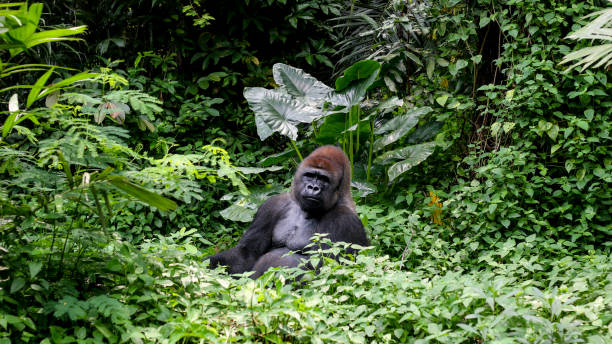
Where Gorilla Permit Money Goes
Where Gorilla Permit Money Goes: Parks, Rangers and Communities
Deep inside Uganda’s Bwindi Impenetrable National Park, a ranger begins another morning patrol. Nearby, trackers are searching for mountain gorilla families while local porters prepare to assist visitors along the forest trails.
Across the border in Rwanda’s Volcanoes National Park, conservation teams carry out similar work.
Behind these activities is a conservation system requiring continuous financial support.
For travellers, one important question is: where does gorilla permit money go?
The money collected through gorilla tourism contributes to protected-area management, wildlife monitoring, ranger operations and community development. It helps create an economic reason to conserve forests that might otherwise face pressure from agriculture, settlement and other activities.
However, not every dollar is allocated directly to gorillas, and the distribution systems differ between Uganda and Rwanda.
Understanding these arrangements helps visitors see how their safari can contribute to conservation.
1. Why Are Gorilla Trekking Permits Expensive?
Mountain gorillas inhabit a small number of protected mountain forests in East and Central Africa.
They require extensive habitat protection, disease monitoring and carefully managed tourism.
Unlike a conventional wildlife drive, gorilla trekking involves specialised personnel who locate and monitor individual families.
Visitor numbers are deliberately restricted.
Each habituated family generally receives no more than eight standard tourists daily, with viewing limited to one hour.
These restrictions help protect gorillas but also limit the number of permits available.
Permit prices therefore reflect a conservation tourism model in which relatively few visitors contribute substantial revenue.
2. Who Collects Gorilla Permit Revenue?
In Uganda, gorilla trekking permits are issued through the Uganda Wildlife Authority, commonly called UWA.
The authority manages Bwindi Impenetrable National Park and Mgahinga Gorilla National Park.
In Rwanda, gorilla trekking permits are administered through Rwanda Development Board, or RDB.
The revenue becomes part of the broader financial arrangements supporting protected areas and tourism management.
Uganda and Rwanda Comparison
| Feature | Uganda | Rwanda |
|---|---|---|
| Main authority | Uganda Wildlife Authority | Rwanda Development Board |
| Gorilla parks | Bwindi and Mgahinga | Volcanoes National Park |
| Conservation support | Park operations and wildlife protection | Park operations and wildlife protection |
| Community revenue sharing | 20% park-entry revenue policy plus gorilla-permit contribution | 10% of national park tourism revenues |
| Ranger and tracker operations | Supported through park management arrangements | Supported through park management arrangements |
These figures describe revenue-sharing policies, not the full allocation of each individual permit.
3. How Gorilla Permit Money Supports National Parks
Protected forests require substantial investment.
Park authorities must maintain visitor facilities, manage ranger operations and oversee protected habitats.
They also need transport, communication equipment, administrative services and field supplies.
Gorilla tourism revenue contributes to the financial resources available for these responsibilities.
Main Park Management Needs
| Activity | Why Funding Matters |
|---|---|
| Ranger operations | Protects wildlife and visitors |
| Habitat management | Maintains suitable gorilla environments |
| Visitor facilities | Supports organised tourism |
| Communication equipment | Coordinates forest teams |
| Conservation monitoring | Records wildlife health and movements |
| Administration | Manages permits, staffing and operations |
Exact spending amounts vary by authority and budget year.
4. How Rangers Benefit From Gorilla Tourism
Rangers are among the most important people involved in mountain gorilla conservation.
They patrol forests, supervise trekking activities and respond to potential threats.
Their work can involve difficult terrain, unpredictable weather and long hours.
Conservation operations require funding for wages, training, equipment, transport and field logistics.
Gorilla tourism helps sustain the institutions responsible for this work.
However, visitors should not assume that a specific percentage of their permit goes directly into ranger salaries.
Personnel expenses are part of wider management budgets rather than a universally published per-permit allocation.
5. How Trackers Contribute to Conservation
Trackers enter the forest to locate gorilla families before tourists arrive.
They examine nesting areas, feeding signs and recent movements.
Their knowledge helps ranger-guides lead visitors towards the correct habituated family.
Trackers also contribute valuable observations about births, deaths, injuries and changes in group membership.
Regular monitoring is essential for understanding mountain gorilla populations.
The financial resources generated by tourism help maintain the organised conservation systems in which these teams operate.
6. Does Permit Money Support Veterinary Care?
Gorillas can suffer injuries and diseases, including infections transmitted by humans.
Veterinary monitoring and conservation health programmes help identify threats.
Specialist organisations, including Gorilla Doctors, work with government authorities and conservation partners to support mountain gorilla health.
Their programmes may receive funding from donors, grants and institutional partnerships in addition to the broader conservation benefits of tourism.
It would therefore be misleading to claim that every gorilla permit directly pays a fixed veterinary fee.
Nevertheless, tourism contributes to the conservation environment that makes regular monitoring and veterinary cooperation possible.
7. Uganda’s Community Revenue-Sharing Programme
Uganda Wildlife Authority operates a formal revenue-sharing system for communities neighbouring protected areas.
Its published policy describes sharing 20% of annual park revenue with neighbouring communities, while more recent statutory explanations identify the relevant revenue base as park entry fees.
UWA also publishes a separate contribution of USD 10 from each gorilla trekking permit sold at Bwindi.
These provisions should not be combined into a claim that 20% of every USD 800 permit is automatically paid to nearby villages.
How Community Funding Is Used
Eligible projects can include:
- Schools and classrooms.
- Health centres.
- Water tanks and clean water access.
- Feeder roads.
- Beekeeping and livestock projects.
- Tree planting and livelihood activities.
- Measures to reduce human-wildlife conflict.
The purpose is to ensure that households living close to wildlife receive benefits from conservation.
8. A Real Example From Bwindi and Mgahinga
In June 2025, Uganda Wildlife Authority announced approximately UGX 2.19 billion in revenue-sharing funds for communities surrounding the Bwindi-Mgahinga Conservation Area.
The money came from park entry fees and the gorilla permit levy.
It was intended to support local development projects and strengthen community involvement in conservation.
The announcement demonstrates how tourism revenue can be converted into identifiable financial allocations.
However, the amount represents a particular disbursement, not an annual payment guaranteed to every community.
Allocations depend on collected revenues and approved projects.
9. Rwanda’s 10% Tourism Revenue-Sharing Programme
Rwanda operates a tourism revenue-sharing system through Rwanda Development Board.
Under this programme, 10% of national park tourism revenues is reinvested in development initiatives benefiting neighbouring communities.
The policy applies to revenues from Rwanda’s national parks rather than representing a direct 10% deduction from every gorilla permit for a particular village.
What Does Rwanda Fund?
Community projects have included:
- Classrooms and educational facilities.
- Health centres.
- Clean drinking water systems.
- Housing initiatives.
- Agricultural and livestock support.
- Livelihood and community development programmes.
These investments aim to improve household welfare and strengthen local participation in conservation.
10. Rwanda’s Community Funding in 2026
In August 2026, Rwanda Development Board reported that its tourism revenue-sharing programme had supported nearly 1,300 projects over two decades.
The cumulative investment exceeded RWF 23 billion.
For districts neighbouring Volcanoes National Park, approximately RWF 1.98 billion was allocated in 2026.
Announced 2026 Allocations
| District | Approximate Allocation |
|---|---|
| Musanze | RWF 659.8 million |
| Nyabihu | RWF 659.8 million |
| Burera | RWF 495 million |
| Rubavu | RWF 164.95 million |
These allocations demonstrate the scale of organised community investment associated with protected-area tourism.
They are not a breakdown of one individual’s gorilla trekking payment.
11. Why Communities Need Conservation Benefits
Mountain gorilla habitats border areas where people depend on farming, livestock and local natural resources.
Living near a protected forest can involve restrictions on resource use.
Wild animals may also damage crops or create other challenges.
When communities receive schools, water facilities, employment and income opportunities from conservation, there is a stronger incentive to support wildlife protection.
Revenue sharing therefore recognises that conservation affects local people as well as animals.
However, funding programmes must be transparent and responsive to community needs to deliver lasting benefits.
12. How Gorilla Tourism Creates Employment
Permit revenue is only one part of the economic contribution from gorilla trekking.
Visitors also spend money on accommodation, transport, food and local services.
This creates opportunities for:
- Safari driver-guides.
- Porters.
- Lodge employees.
- Community guides.
- Craft sellers.
- Farmers supplying accommodation facilities.
- Local transport businesses.
These earnings do not necessarily come directly from permit revenue.
They are additional economic benefits generated when travellers visit gorilla destinations.
13. Do Porters Receive Part of the Permit Fee?
Porter hiring fees are normally paid separately from gorilla trekking permits.
Travellers may hire a porter to carry luggage and assist along steep or muddy trails.
That direct payment helps support local workers.
Additional gratuities are voluntary.
Visitors should therefore budget separately for the trekking permit, porter hire and optional tips.
Paying for these services can provide immediate benefits to people living near the parks.
14. Does Every Dollar Go Directly to Gorilla Protection?
No.
Conservation tourism requires a broad range of services and infrastructure.
Revenue supports the institutions responsible for managing protected areas, and portions are allocated through established community programmes.
It is also important to distinguish between permit revenue, overall park income, private tourism spending and donor-funded conservation projects.
Without an official audited breakdown for a particular year, nobody should claim that an exact dollar amount from every permit pays for rangers, veterinary care or community projects.
The clearest figures are those published under specific revenue-sharing programmes.
15. How Does Permit Revenue Help Prevent Poaching?
Anti-poaching operations involve patrols, monitoring, community engagement and responding to illegal activities.
Protected-area funding helps maintain the people and equipment required for wildlife law enforcement.
Community development programmes can also create alternatives to activities that damage forests or wildlife.
However, anti-poaching success depends on more than tourism revenue.
Effective law enforcement, local cooperation, education and long-term habitat management remain essential.
16. How Can Travellers Make Their Safari More Beneficial?
Visitors can strengthen the positive effects of their trip through responsible choices.
Book genuine permits through authorised channels or reputable operators.
Choose accommodation that employs local people and supports responsible environmental practices.
Hire porters when appropriate.
Purchase crafts directly from recognised local producers.
Consider community-led walks or cultural experiences that clearly explain how earnings are distributed.
Most importantly, obey the conservation rules during gorilla viewing.
Protecting gorillas from disease and disturbance is just as important as contributing financially.
17. Uganda vs Rwanda: Which Gives More Back?
The two countries use different revenue-sharing formulas, so comparing the headline percentages alone can be misleading.
Uganda’s published arrangements include park-entry revenue sharing and a separate gorilla permit contribution.
Rwanda reinvests 10% of national park tourism revenues through its community programme.
A proper comparison would also need to consider total revenues, the number of people benefiting, programme administration and the actual outcomes of funded projects.
Both approaches aim to connect conservation with local development.
Neither programme should be judged solely by the permit price.
18. Frequently Asked Questions
Does Gorilla Permit Money Pay Ranger Salaries?
Permit revenue contributes to the protected-area management system that supports ranger operations. The exact per-permit salary allocation is not publicly itemised as a universal fixed amount.
Do Local Villages Receive Gorilla Permit Money?
Yes, communities benefit through established revenue-sharing programmes, although the rules differ between Uganda and Rwanda.
Does the Porter Fee Come From My Permit?
Normally no. Porter hiring is a separate service.
Does Gorilla Tourism Help Veterinary Conservation?
It supports the wider conservation system, while specialist veterinary programmes may also rely on grants, donors and partnerships.
Can Travellers See Which Projects Receive Funding?
Official announcements from Uganda Wildlife Authority and Rwanda Development Board provide information about allocations and supported community projects.
What Your Gorilla Permit Really Supports
Gorilla trekking permits are more than tickets to observe rare wildlife.
They form part of a conservation economy supporting protected forests, ranger operations, wildlife monitoring and local development.
In Uganda, formal community revenue sharing and a gorilla-permit levy help direct benefits towards neighbouring households.
In Rwanda, 10% of national park tourism revenues supports community development initiatives.
These programmes complement employment opportunities created by lodges, guides, porters and local businesses.
Although the exact allocation of each individual permit is not publicly itemised, the broader contribution of well-managed gorilla tourism is significant.







No comment