
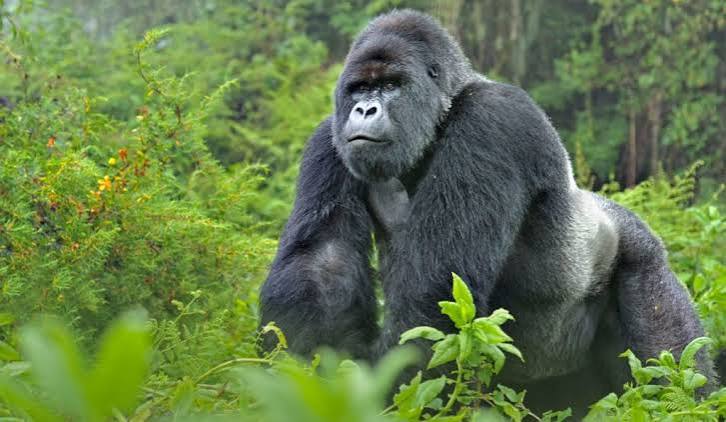
Rwanda in 5 Days Without Gorillas: A Complete Alternative Itinerary
Gorilla trekking dominates Rwanda’s tourism reputation so thoroughly that many travellers assume there’s little reason to visit without booking a permit. That assumption sells the country short. A genuinely rewarding five-day Rwanda itinerary without gorilla trekking is entirely achievable, built around savanna wildlife at Akagera, primate-rich rainforest at Nyungwe, Lake Kivu’s shoreline, and Kigali’s own cultural depth, at a fraction of the cost a gorilla permit alone would add to the trip.
Key Highlights
- A five-day loop covering Kigali, Akagera National Park, Nyungwe Forest National Park and Lake Kivu, entirely without a gorilla trekking permit
- Akagera offers genuine Big Five savanna game viewing, Rwanda’s only park with this combination
- Nyungwe Forest holds thirteen primate species and East Africa’s most accessible canopy walk
- Lake Kivu adds a relaxed, scenic close to the trip, with boat activities and lakeside lodges
- Total cost runs substantially lower than an itinerary including an 800-dollar-plus gorilla permit
- Kigali itself, often treated as pure transit, offers enough cultural and historical depth to anchor a full day on its own
Day One: Kigali
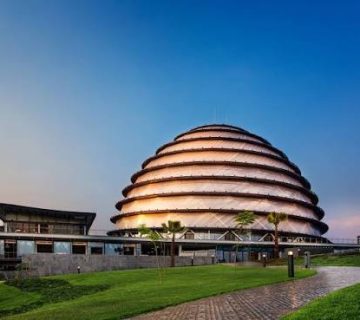
Rather than treating Kigali as a one-night stopover, a gorilla-free itinerary can afford to give the capital genuine time. A morning at the Kigali Genocide Memorial provides essential historical context for the rest of the trip, followed by an afternoon exploring Nyamirambo’s markets and street life on a guided community walking tour. Round out the day with dinner and a rooftop view of the illuminated Convention Centre dome, ideally from one of the Kimihurura rooftop bars covered in our Kigali nightlife guide.
Day Two: Transfer to Akagera and First Game Drive
Akagera National Park, roughly two to three hours from Kigali by road, is Rwanda’s only savanna park and the sole place in the country offering a genuine Big Five game-viewing experience, a direct result of a documented conservation recovery programme that reintroduced lions and rhinos after decades of absence. Our piece on Akagera’s Big Five comeback story covers that recovery in full. Arrive by early afternoon for a first game drive, then settle into a park-area lodge for the night.
Day Three: A Full Akagera Day
A second day at Akagera allows for both a morning and evening game drive, the two periods offering the strongest wildlife activity, plus time for a boat safari on Lake Ihema, one of the park’s signature activities and a genuinely different way to encounter hippos, crocodiles and water birds than a standard drive provides. Akagera’s relatively compact size compared to East Africa’s larger savanna parks means two full days deliver a satisfying, unrushed wildlife experience without needing a longer stay.
Day Four: Transfer to Nyungwe Forest
The transfer from Akagera to Nyungwe Forest National Park in Rwanda’s southwest is a longer overland leg, best treated as a full travel day with scenic stops along the way rather than rushed. Nyungwe holds the strongest primate diversity of any single protected area in Rwanda, thirteen recorded species, and offers Africa’s most accessible canopy walkway, a suspended walkway through the forest canopy that delivers a genuinely different wildlife perspective from ground-level forest walks elsewhere on the continent.
What Makes Nyungwe Worth the Detour
Beyond the canopy walk, Nyungwe offers chimpanzee tracking as its own separate, non-gorilla primate trekking experience, alongside strong birding and waterfall hikes through genuinely old-growth montane rainforest. For travellers specifically avoiding gorilla trekking, chimp tracking here delivers a comparably immersive primate encounter at a considerably lower permit cost.
Day Five: Lake Kivu and Departure
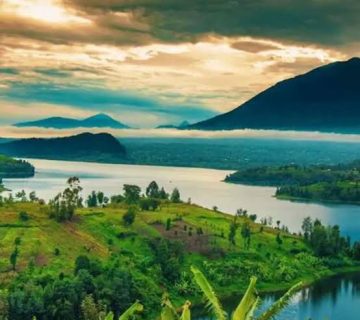
A scenic drive from Nyungwe toward Lake Kivu’s shoreline closes the itinerary on a deliberately relaxed note, swimming, boat rides, and simply enjoying lakeside lodge scenery after four days of wildlife-focused activity. Depending on your departure logistics, a night at Lake Kivu before returning to Kigali, or a direct transfer back to the capital for departure, both work depending on flight timing.
Alternative: Swap in a Cultural Detour
Travellers wanting more cultural depth than wildlife can swap a Lake Kivu day for a stop at the King’s Palace Museum in Nyanza and the Huye university town corridor, both reachable en route back toward Kigali from the southwest, giving the trip a stronger cultural-history throughline alongside its wildlife focus.
A Realistic Budget Breakdown
Removing a gorilla permit from the equation, currently running well into the hundreds of dollars per person in Rwanda, fundamentally changes what this trip can afford elsewhere. Park entrance and activity fees at Akagera and Nyungwe are considerably more modest than gorilla permit pricing, and the savings can realistically fund an extra night at a higher-end lodge, a scenic flight between destinations instead of a long road transfer, or simply a meaningfully lower total trip cost for budget-conscious travellers. This isn’t a consolation itinerary built around what you can’t afford; it’s a genuinely different trip with its own distinct financial logic.
Where the Savings Actually Go
Travellers who redirect gorilla-permit savings toward accommodation upgrades often find the overall trip quality genuinely improves rather than simply costing less — a lakeside lodge on Kivu or a forest-edge property at Nyungwe delivers a different, arguably more relaxing kind of luxury than the necessarily functional lodges clustered around gorilla trekking’s Volcanoes National Park entry points.
Logistics: How the Days Actually Connect
This itinerary’s four main stops, Kigali, Akagera, Nyungwe and Lake Kivu, form a rough loop across Rwanda’s genuinely compact geography, meaning transfer times, while real, never stretch into the kind of exhausting cross-country hauls a similarly ambitious itinerary might require in a larger country. Rwanda’s well-maintained road network, a frequently noted point of national pride, keeps even the longer Akagera-to-Nyungwe leg manageable within a single travel day when paired with scenic stops.
Working With a Local Operator vs Self-Driving
While self-driving is technically possible on this route, working with a local operator who handles vehicle logistics, park bookings and lodge reservations removes a genuine layer of complexity from a trip covering this much varied terrain, from savanna to rainforest to lakeshore, in a single compact week. Most travellers find the cost difference well justified by the reduced planning burden alone.
Why Skip Gorilla Trekking on This Trip?
Beyond straightforward budget considerations, a gorilla-free itinerary suits travellers with limited physical capacity for a demanding forest trek, those who’ve already trekked gorillas on a previous Rwanda visit and want a different focus this time, or simply travellers who want to understand Rwanda more broadly rather than treating the country purely as a gorilla-trekking destination. None of this diminishes gorilla trekking’s genuine appeal; it simply recognises that Rwanda offers a legitimately complete trip without it.
Packing for a Trip Across Four Distinct Landscapes
Few five-day itineraries anywhere demand quite this much packing versatility: Akagera’s hot, dry savanna calls for lightweight, breathable clothing and strong sun protection, Nyungwe’s cool, wet montane rainforest genuinely requires proper rain gear and layers, and Lake Kivu’s lakeside warmth suits swimwear and casual evening wear. Packing in layers, rather than a single climate-specific wardrobe, is the only realistic way to stay comfortable across all four stops without overpacking.
Essentials Worth Prioritising
A genuinely waterproof jacket for Nyungwe, sturdy closed shoes for both the savanna game drives and forest trails, sun protection for the open Akagera plains, and a swimsuit for Lake Kivu cover the trip’s core climate range. Binoculars, useful at every single stop from Akagera’s game drives to Nyungwe’s canopy walk to Lake Kivu’s birdlife, are worth the extra luggage space given how much value they add across such a varied itinerary.
Frequently Asked Questions
Can I add gorilla trekking later if I change my mind?
Yes, gorilla permits can be booked separately for a future visit, and nothing about this itinerary precludes returning specifically for trekking at a later date.
Is five days enough time, or should I extend the trip?
Five days delivers a genuinely satisfying, if efficiently paced, version of this itinerary; extending to seven or eight days allows a more relaxed pace with less back-to-back travel between destinations.
Do I need a 4×4 vehicle for this itinerary?
A standard vehicle handles most of the route, though a 4×4 is advisable for Akagera’s game-drive tracks specifically, and most tour operators provide appropriate vehicles as standard.
How does the cost compare to a gorilla-trekking-inclusive itinerary?
Substantially lower, given that gorilla permits alone run into the hundreds of dollars per person; this itinerary redirects that budget toward more days, higher-end lodges, or simply a lower overall trip cost.
Is this itinerary suitable for families with children?
Yes, generally more so than a gorilla-trekking-focused trip — Akagera’s game drives and Lake Kivu’s beach and boat activities are considerably more accessible for younger travellers than the physical demands of a forest trek, making this a genuinely family-friendly alternative structure.
What’s the best time of year for this specific route?
Rwanda’s dry seasons, roughly June to September and December to February, offer the most reliable game viewing at Akagera and the easiest hiking conditions at Nyungwe, though all four stops remain accessible and worthwhile year-round for travellers with less flexible scheduling.
Can this itinerary be shortened to four days if my schedule is tighter?
Yes, though something has to give — the most common adjustment is compressing Akagera to a single night rather than two full days, or skipping the Lake Kivu close in favour of a direct return to Kigali from Nyungwe.
Recommended Safaris
This five-day route draws together several of Rwanda’s strongest non-gorilla destinations. Our pieces on Akagera National Park and the Kigali Genocide Memorial cover two of this itinerary’s anchor stops in depth. Ready to build your own gorilla-free Rwanda itinerary? Reach our team through our Book Now page and we’ll plan it around your dates.

No comment