
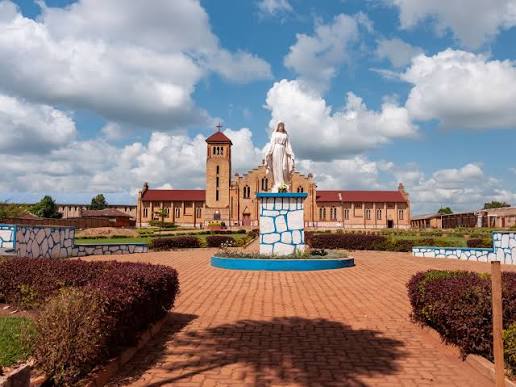
Huye Town Guide: Rwanda’s Intellectual and Cultural Heartland
Most Rwanda itineraries skip straight from Kigali to gorilla trekking in the north, bypassing a town that, for most of the 20th century, was the actual intellectual centre of the country. Huye, still widely known by its colonial-era name Butare, holds Rwanda’s oldest university and its most significant museum, a genuinely different kind of stop from the wildlife-focused itinerary most travellers build around Rwanda.
Key Highlights
- Located in Rwanda’s Southern Province, roughly 132 to 135 kilometres south of Kigali
- Long known by its colonial-era name Butare, with Huye reflecting a return to the town’s original local name
- Home to the National University of Rwanda, the country’s oldest university, founded in 1963
- The National Museum of Rwanda, opened in 1989, was the country’s first major museum and remains its most significant
- Arboretum Ruhande, a 200-hectare botanical reserve established in 1934, offers a peaceful walking counterpoint to the town’s academic and museum focus
- A natural stop on the route between Kigali and Nyungwe Forest National Park in Rwanda’s southwest
Butare or Huye: A Name Reflecting History
The town’s dual identity, Butare from the colonial and early post-independence era, Huye as its original and now officially reasserted local name, mirrors a broader pattern across Rwanda of reclaiming pre-colonial place names as part of the country’s national identity. Both names are still widely used and understood interchangeably by Rwandans and travel resources alike, so encountering either while researching or travelling shouldn’t cause confusion.
Rwanda’s Oldest University
Huye is home to the National University of Rwanda, founded in 1963 as the country’s first university and today integrated into the broader University of Rwanda system, a bilingual institution that has anchored the town’s identity as Rwanda’s intellectual centre for over six decades. That academic presence gives Huye a genuinely different atmosphere from Rwanda’s more tourism-oriented towns, a working university town with its own rhythm and character rather than a destination built primarily around visitor attractions.
The National Museum of Rwanda
Opened in 1989, the National Museum of Rwanda was the country’s first major museum and remains its most comprehensive, housed in a distinctive circular building gifted by Belgian King Baudouin to mark 25 years of Rwandan independence, its architecture deliberately referencing traditional Rwandan design forms. The museum’s ethnographic collections span maps, photographs, art objects and artifacts documenting traditional hunting, fishing, basketry, pottery, textile-making, woodcarving and metallurgy across seven distinct exhibition areas covering Rwandan geography, food systems, housing, craft, dress and prehistory.
Why This Museum Matters for Understanding Rwanda
For travellers whose Rwanda itinerary otherwise focuses almost entirely on gorilla trekking and natural landscapes, the National Museum offers essential cultural and historical context that no amount of time in Volcanoes National Park can provide on its own — a genuine, well-curated introduction to Rwandan material culture and history stretching back well before the 20th-century events that dominate most visitors’ background knowledge of the country.
The Ethnographic Museum’s Role in National Memory
Beyond its role introducing visitors to Rwandan material culture, the National Museum’s collection carries added significance as one of the country’s most substantial institutional records of pre-genocide Rwandan society, artifacts and documentation that survived a period when so much else was destroyed or lost. Viewed alongside sites like the Kigali Genocide Memorial, the museum’s holdings function as a genuine counterpoint, evidence of the rich, continuous cultural life that existed both before and after the darkest chapter of the country’s modern history.
A Research Institution as Much as a Public Museum
The museum continues to function as an active research and academic resource, supporting scholarship on Rwandan history, anthropology and material culture well beyond its role as a visitor attraction, a dimension that connects it directly to Huye’s broader identity as the country’s intellectual centre. This ongoing academic function is part of why the museum’s collections continue to grow and its interpretive materials continue to be updated, rather than remaining frozen as a static historical snapshot from its 1989 opening.
Arboretum Ruhande: A Quiet Botanical Counterpoint
Established in 1934 by Catholic missionary brothers specifically to promote agroforestry research in Rwanda, Arboretum Ruhande spans roughly 200 hectares and holds more than 148 hardwood species alongside 56 conifer species, a genuinely substantial mix of indigenous and introduced trees maintained for nearly a century. Walking through the arboretum offers a peaceful, unhurried counterpoint to the town’s academic and museum-focused attractions, with birds, butterflies and even monkeys adding genuine wildlife interest to what’s primarily a botanical and research-focused space.
A University Town’s Everyday Life
Beyond its formal attractions, Huye offers a genuinely different texture of Rwandan life than either Kigali’s capital-city pace or the more tourism-oriented towns clustered around the national parks. Student life shapes much of the town’s visible rhythm, local cafés and eateries near the university catering to a mix of students, faculty and researchers rather than international visitors, giving Huye an atmosphere considerably more grounded in ordinary Rwandan life than many other stops on a typical safari-focused itinerary.
Markets and Local Commerce
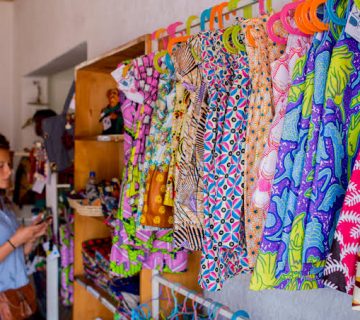
Huye’s central market offers a genuine, unpolished slice of everyday commerce, fresh produce, household goods and local crafts traded much as they would be in any Rwandan provincial town, without the curated, visitor-oriented presentation found at craft cooperatives specifically set up for tourism. It’s a worthwhile stop for travellers who enjoy this kind of unstructured, observational immersion in daily life over a formal attraction.
Where to Stay
Huye’s accommodation options are more modest than Kigali’s or the lodges clustered around Rwanda’s national parks, reflecting the town’s role as a practical stopover and university centre rather than a purpose-built tourism destination. A handful of mid-range hotels and guesthouses serve the town adequately for a one- or two-night stay, sufficient for travellers using Huye as a waypoint rather than requiring the higher-end lodge infrastructure found elsewhere in Rwanda’s tourism circuit.
Planning Your Visit
Getting There and Fitting It Into a Wider Itinerary
Huye sits roughly two to three hours’ drive south of Kigali, positioning it as a natural stop for travellers routing onward toward Nyungwe Forest National Park in Rwanda’s southwest, rather than a dedicated separate destination requiring its own round trip. Building in a half-day or full day in Huye en route to Nyungwe makes efficient use of driving time that would otherwise be purely transitional.
Best Time to Visit
The museum and arboretum are both accessible year-round, and neither activity depends heavily on weather conditions the way outdoor wildlife activities elsewhere in Rwanda can. A weekday visit generally offers a quieter, less crowded experience at the museum specifically, given the university town’s own weekday academic rhythms.
Why “Intellectual Heartland” Isn’t Just a Marketing Phrase
Rwanda has invested deliberately in Huye’s role as an educational and research centre well beyond the university itself, with affiliated research institutions, the National Museum’s own scholarly work, and a broader concentration of academic and cultural infrastructure that genuinely distinguishes the town from Rwanda’s other provincial centres. This isn’t a case of tourism marketing borrowing a grand title loosely; Huye’s status as Rwanda’s intellectual heartland reflects a real, decades-long concentration of educational and research investment specific to this one location.
A Living Institution, Not a Historical Relic
Unlike some university towns that trade primarily on faded historical prestige, Huye’s academic institutions remain genuinely active, current centres of Rwandan higher education and research, meaning a visit here connects to contemporary Rwandan intellectual life rather than purely to the past. Students and researchers moving through the town on any given day are a visible, ongoing part of what makes Huye distinctive, not a historical footnote being preserved for tourists.
Frequently Asked Questions
How much time should I budget for Huye?
A half-day covers the National Museum and a walk through the arboretum comfortably; a full day allows a more relaxed pace and time to explore the university town atmosphere itself.
Is Huye worth visiting if I’m short on time in Rwanda?
If your itinerary is tightly focused purely on gorilla trekking with minimal spare days, Huye is easier to skip than some other stops; but for travellers with even one flexible day routing toward Nyungwe, it offers genuinely distinctive cultural content unavailable elsewhere on a standard Rwanda itinerary.
Can I combine a Huye visit with Nyanza’s King’s Palace Museum?
Yes, Nyanza sits along a similar southbound route from Kigali and is commonly combined with a Huye stop on the way toward Nyungwe, giving travellers both the ethnographic and royal-history sides of Rwandan cultural heritage on the same general route.
Is the museum captioned in English?
Exhibits typically include multilingual signage covering Kinyarwanda, French and English, making the museum genuinely accessible to international visitors without requiring a guide, though a knowledgeable guide adds real depth beyond the written captions.
What language is most useful for a Huye visit?
Kinyarwanda, French and increasingly English are all spoken across the town, particularly around the university and museum, so most visitors manage comfortably with English alone, though a few basic Kinyarwanda phrases are always warmly received.
Is Huye safe to explore independently?
Yes, Huye is generally considered safe for independent walking exploration, sharing Rwanda’s broader reputation for low crime and well-maintained public order, though standard travel common sense around valuables and awareness still applies as it would anywhere.
Recommended Safaris
Huye works naturally as a stop on the route toward Nyungwe Forest National Park. Ready to build a Huye stop into your own Rwanda itinerary, between Kigali and points further south toward Nyungwe? Reach our team through our Book Now page and we’ll plan it around your dates.


No comment