
4 Days Kivu Shoreline Syzygium cordatum Tree-Planting Safari from Kigali to Karongi
Overview
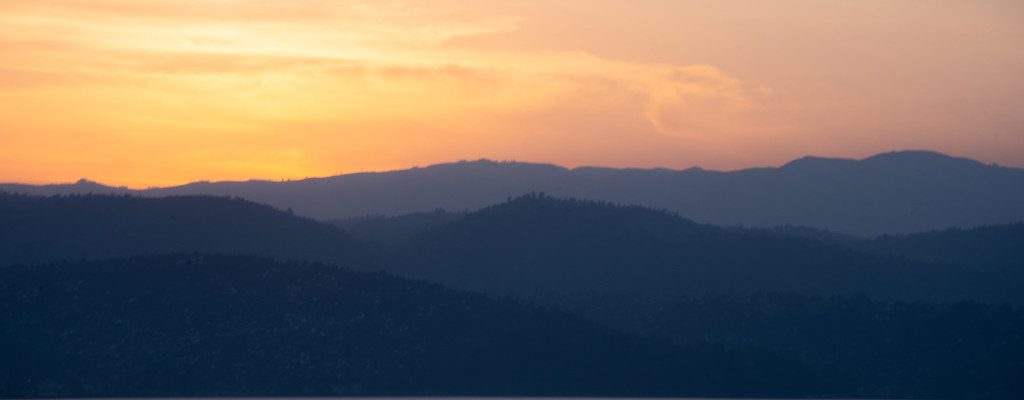
Lake Kivu is one of Rwanda’s most scenic destinations, with green hills descending towards calm waters, small islands, fishing communities and peaceful lakeside settlements. Karongi, also known as Kibuye, lies along the central part of the Rwandan shoreline and offers an excellent setting for a short nature and community tourism experience.
This four-day safari begins in Kigali and travels west to Karongi. Along the way, you enjoy views of Rwanda’s rolling countryside before reaching Lake Kivu. The programme combines a tree-planting activity with time to explore the lake, visit local communities and enjoy the relaxed atmosphere of the shoreline.
The conservation programme features seven tree species: Syzygium cordatum, Markhamia lutea, Ficus thonningii, Erythrina abyssinica, Grevillea robusta, Cordia africana and Albizia gummifera. These trees offer different benefits, including shade, soil protection, timber, traditional uses and support for local biodiversity. The planting location and species selection should be agreed with the local project team to ensure that each tree is suitable for the site.
The safari starts and ends in Kigali, making it suitable for travellers who want to combine a Lake Kivu holiday with a practical conservation activity.
Safari Highlights
- Scenic road journey from Kigali to Karongi through Rwanda’s western countryside.
- Tree-planting activity featuring seven selected tree species.
- Exploration of Lake Kivu and its scenic islands by boat.
- Opportunities to interact with local communities and learn about life along the shoreline.
- Relaxation at a lakeside accommodation overlooking Lake Kivu.
Tree species featured in the planting programme
Syzygium cordatum – Waterberry
Main uses: The tree produces fruits eaten by birds and other wildlife. It can provide shade and contributes to vegetation around suitable moist habitats.
Why plant it? Waterberry is suitable for appropriate moist sites, including areas near streams and wetlands. Planting it in the right locations can support local biodiversity and help restore natural vegetation.
Planted at: Selected Kivu shoreline community planting sites in Karongi.
Markhamia lutea – Nile tulip tree
Main uses: Its timber is used for construction and other household purposes. Farmers also value it for firewood, bean stakes, shade and traditional medicinal uses.
Why plant it? This indigenous tree can contribute to farm productivity and soil conservation. Its flowers also provide a useful resource for pollinators.
Planted at: Selected community and agroforestry sites in Karongi.
Ficus thonningii – Common wild fig
Main uses: The tree provides shade, fodder, firewood and materials for traditional uses. Its fruits are an important food source for birds and other wildlife.
Why plant it? Fig trees support biodiversity and can provide valuable shade around farms and settlements. Their extensive root systems can also help stabilise suitable soils.
Planted at: Selected community and shoreline planting sites in Karongi.
Erythrina abyssinica – Lucky bean tree
Main uses: Communities use the tree for traditional medicine, timber and other household purposes. Its flowers attract pollinators, while its leaves can contribute organic matter to the soil.
Why plant it? As a leguminous tree, it can contribute to soil improvement. It also provides habitat and food resources for wildlife when planted in suitable locations.
Planted at: Selected community and agroforestry sites in Karongi.
Grevillea robusta – Silver oak
Main uses: The tree is widely planted for timber, poles, firewood and shade. Farmers also use it in agroforestry systems, including around coffee and other crops.
Why plant it? Grevillea can provide useful farm products and shade when properly managed. It is an introduced species in East Africa, so it should be planted selectively where local forestry guidance recommends it rather than replacing indigenous vegetation.
Planted at: Selected farm and agroforestry sites in Karongi.
Cordia africana – Sudan teak
Main uses: Its timber is valued for furniture, joinery and other woodworking. The tree can also provide shade and support local biodiversity.
Why plant it? Cordia africana is a valuable indigenous tree with both ecological and economic benefits. Planting it can support long-term tree cover and provide future resources for communities when harvested sustainably.
Planted at: Selected community and agroforestry sites in Karongi.
Albizia gummifera – Forest long-pod albizia
Main uses: The tree is valued for timber, shade and its contribution to soil improvement. Its leaves can provide organic matter, while its canopy offers habitat for wildlife.
Why plant it? As a leguminous tree, Albizia gummifera can contribute to soil fertility. It is useful in suitable agroforestry and restoration settings, where it can help improve vegetation cover and support local livelihoods.
Planted at: Selected community and agroforestry sites in Karongi.
Detailed Itinerary
Day 1: Kigali to Karongi, scenic drive to Lake Kivu
After breakfast, meet your safari guide in Kigali and begin the journey towards Karongi in Rwanda’s Western Province. The drive takes you through rolling hills, cultivated landscapes and rural settlements, offering a look at everyday life outside the capital.
You can stop along the way for photographs, refreshments and short visits to local markets where time allows. As you approach Lake Kivu, the scenery changes to steep green hills and wide views across the water.
Arrive in Karongi in the afternoon and check in at your lakeside accommodation. Depending on your arrival time, enjoy a relaxed walk around the property or spend time overlooking the lake.
In the evening, have dinner at the lodge and prepare for the following day’s tree-planting activity.
Accommodation: Budget, mid-range or luxury lodge in Karongi.
Meals: Lunch and dinner.
Day 2: Tree planting and community conservation around Karongi
After breakfast, travel to the selected community planting site around Karongi. Meet the local coordinator or community representatives, who will explain the purpose of the planting activity and the importance of choosing suitable locations for each tree species.
Before planting begins, receive a short demonstration on preparing planting holes, handling seedlings, positioning roots and filling the soil around each young tree. You will then take part in planting the selected species: Syzygium cordatum, Markhamia lutea, Ficus thonningii, Erythrina abyssinica, Grevillea robusta, Cordia africana and Albizia gummifera.
The planting team will explain the characteristics of each tree and its potential contribution to the surrounding environment and community. The activity should also cover aftercare, including watering, mulching, protection from livestock and monitoring seedling survival. Planting is only the first stage of successful restoration, so arrangements for ongoing care are important.
Enjoy lunch before continuing with a community visit. Depending on the location, you may meet local residents involved in farming, environmental activities or tourism. Learn how communities use trees for shade, household needs, soil improvement and other practical purposes.
Return to your accommodation in the afternoon. Spend the rest of the day relaxing beside Lake Kivu.
Accommodation: Budget, mid-range or luxury lodge in Karongi.
Meals: Breakfast, lunch and dinner.
Day 3: Lake Kivu boat excursion and shoreline exploration
After breakfast, head to the lakeshore for a boat excursion on Lake Kivu. Karongi is known for its islands and beautiful views across the water. A local boat operator can arrange a trip to selected islands, depending on weather, available time and the agreed route.
Enjoy the scenery, observe lakeside settlements and learn about fishing and other activities that support communities around the lake. You may also have opportunities to see birds around the shoreline and islands.
Return to Karongi for lunch. In the afternoon, explore more of the local area or visit a community activity connected to Lake Kivu tourism. You can also spend time at the waterfront, enjoy the views or arrange a kayaking experience if available.
In the evening, return to your accommodation for dinner and an overnight stay.
Accommodation: Budget, mid-range or luxury lodge in Karongi.
Meals: Breakfast, lunch and dinner.
Day 4: Karongi to Kigali
Enjoy breakfast overlooking Lake Kivu before checking out of your accommodation. Depending on your departure time, take a short walk along the lakeshore or enjoy a final view of the surrounding hills.
Begin the return journey to Kigali, travelling through Rwanda’s western countryside. Stop for refreshments and photographs along the way.
Arrive in Kigali in the afternoon and transfer to your hotel, residence or Kigali International Airport, depending on your onward travel arrangements.
Meals: Breakfast and lunch.
Optional Activities
Kayaking on Lake Kivu: Explore quiet sections of the shoreline by kayak and enjoy views of the surrounding hills. Local operators and accommodation providers may offer guided excursions.
Island boat excursions: Visit selected islands around Karongi and learn about local communities, fishing activities and the natural environment.
Coffee experiences: Where available, visit a coffee-growing community or processing facility to learn about coffee production around Lake Kivu.
Cultural experiences: Arrange a visit with a local community group to learn about traditional activities, food and daily life in the region.
Sunset relaxation: Spend time beside the lake as the sun sets behind the surrounding hills.
Frequently Asked Questions
How far is Karongi from Kigali?
Karongi is approximately 135 to 150 kilometres from Kigali by road, depending on the route and starting point. The drive generally takes around three to four hours, although road conditions, traffic and stops can affect the journey.
What is included in the tree-planting activity?
The activity can include a local project briefing, an introduction to the selected tree species, seedling handling, planting demonstrations and participation in planting. The exact number of seedlings and the planting location should be confirmed before travel.
Can I plant all seven tree species during the safari?
Yes, if the project team has healthy seedlings available and the selected site is suitable for each tree species. Some trees have different soil, moisture and spacing requirements, so the local coordinator should determine where each one is planted.
Is Grevillea robusta an indigenous tree in Rwanda?
No. Grevillea robusta is an introduced species in East Africa. It is commonly used in agroforestry, but planting decisions should consider local environmental conditions and the purpose of the site. Indigenous trees should remain central to projects focused on restoring native vegetation.
Can I swim in Lake Kivu?
Swimming is possible in suitable areas of Lake Kivu. Follow local guidance, use recognised swimming areas and check conditions before entering the water.
Is the boat excursion included?
The boat excursion can be included in the package when confirmed during booking. The route, duration and island stops depend on local arrangements and weather conditions.
What should I pack for the tree-planting activity?
Bring comfortable outdoor clothing, closed shoes, a hat, sunscreen, insect repellent and a reusable water bottle. Work gloves can also be useful. Your safari operator should confirm whether planting tools and gloves will be provided.
Can children participate in the tree planting?
Children can participate when the planting site is safe and the activity is supervised. The project coordinator should assign age-appropriate tasks and ensure that children handle tools and seedlings safely.
Tour Includes
- Travel in a 4×4 car
- Professional guide
- Park fees
- Accommodation
- Meals
- All Activities In Itinerary
Tour Excludes
- Alcoholic drinks
- Laundry
- Tips
- Shopping
- Insurance
- Anything not included per itinerary
Exploring Lake Kivu and Karongi
Karongi is one of the most attractive stops along Rwanda’s Lake Kivu shoreline. Its green hills, quiet bays and islands create opportunities for boat trips, lakeside relaxation and community experiences. Visitors can enjoy the scenery from their accommodation, explore the waterfront or arrange activities with local operators.
The lake also supports fishing communities whose livelihoods depend on its waters. A guided visit can help travellers understand the relationship between the lake, local culture and the surrounding environment.
Tree planting and environmental conservation around Lake Kivu
Tree planting can contribute to environmental protection around Lake Kivu when projects select suitable species and maintain the seedlings after planting. Trees can help protect soil, provide shade, support wildlife and contribute organic matter to agricultural land.
The seven species featured in this programme offer different benefits. Indigenous trees such as Markhamia lutea, Ficus thonningii, Erythrina abyssinica, Cordia africana, Albizia gummifera and Syzygium cordatum can support local biodiversity and community needs when planted in appropriate habitats. Grevillea robusta can provide agroforestry benefits where its use is suitable.
The long-term success of the programme depends on more than the number of seedlings planted. Communities need access to water, suitable planting materials and practical support to protect young trees from livestock, drought, weeds and other threats. Monitoring survival rates also helps determine whether the planting programme is achieving its objectives.
Community tourism around Karongi
Community tourism gives visitors opportunities to learn about local livelihoods and take part in activities that connect tourism with environmental responsibility. Around Karongi, these experiences can include boat excursions, fishing-related activities, cultural visits and community-led tourism services.
Working with local guides, boat operators, accommodation providers and planting coordinators helps direct tourism spending towards the people who live in the area. Visitors can also learn about the challenges facing lakeside communities and the role of responsible tourism in supporting local development.
Practical Notes
Transport: A private 4×4 or comfortable safari vehicle is suitable for the journey between Kigali and Karongi. The main route is accessible by road, but travel time depends on traffic, weather and stops.
Tree planting: The seven species should be planted according to local soil conditions, moisture levels and site requirements. Grevillea robusta should be used selectively in appropriate agroforestry settings.
Clothing: Pack comfortable clothes, closed walking shoes, a hat and a light jacket for the cooler evenings beside the lake.
Weather: Conditions around Lake Kivu can change. Carry rain protection, especially if you plan to take part in outdoor activities.
Responsible tourism: Follow instructions from local guides and planting coordinators. Avoid damaging existing vegetation and respect community customs during visits.
Tree aftercare: Confirm who will water, protect and monitor the planted seedlings after your visit. Long-term maintenance is essential for successful tree establishment.
Best Time to Visit Lake Kivu
Lake Kivu and Karongi can be visited throughout the year. The drier periods, generally from June to September and December to February, are often convenient for road travel, boat excursions and outdoor activities.
The rainy seasons, generally from March to May and October to November, bring greener landscapes and can provide suitable conditions for tree planting when soil moisture is adequate. However, heavy rain can affect road conditions and outdoor schedules.
For this safari, the best planting period depends on local rainfall, seedling availability and the condition of the selected site. Coordinate with the community planting team before confirming your travel dates.
Get Your Tailored 15 Days Kenya , Rwanda and Uganda safari
Uganda Safari Photos
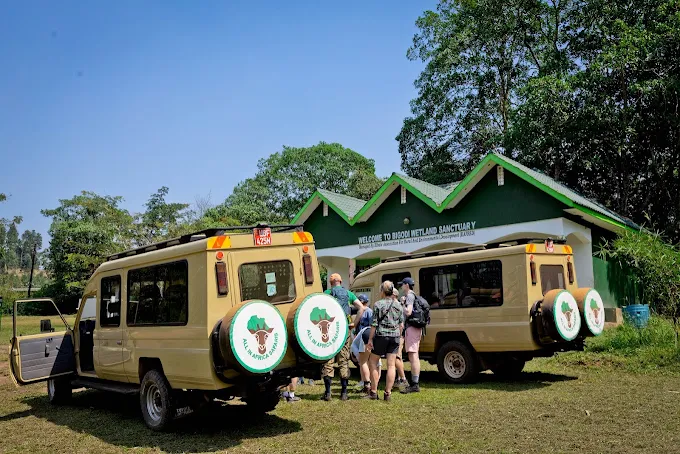
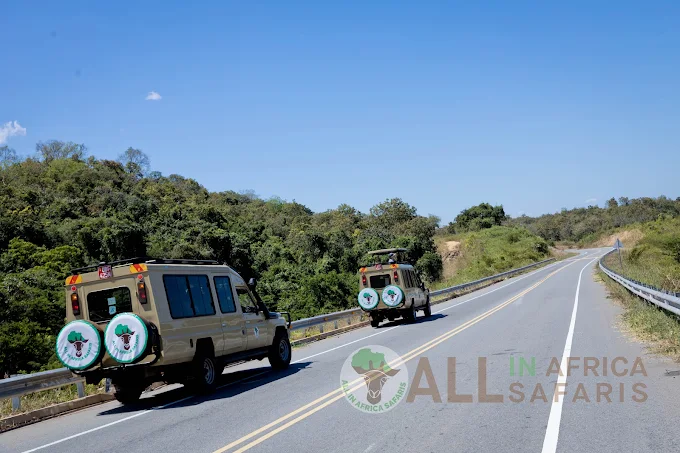
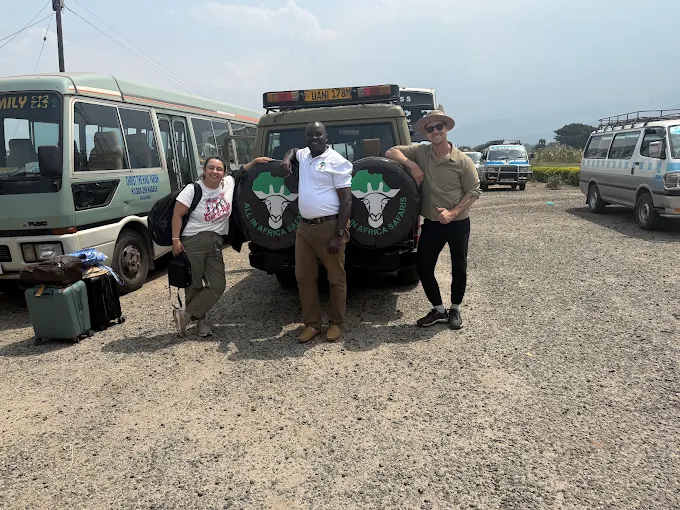
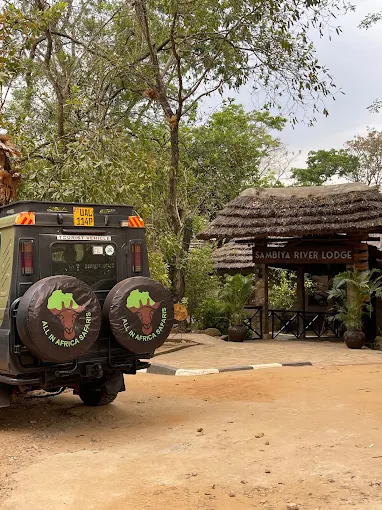
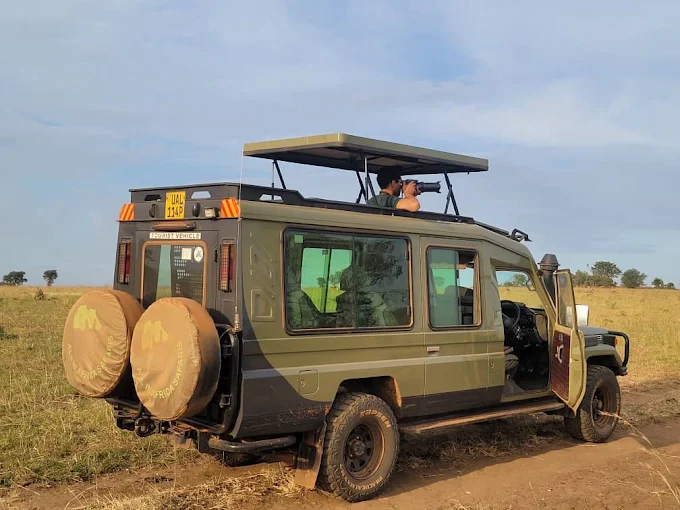
Our Green Spot Campaign
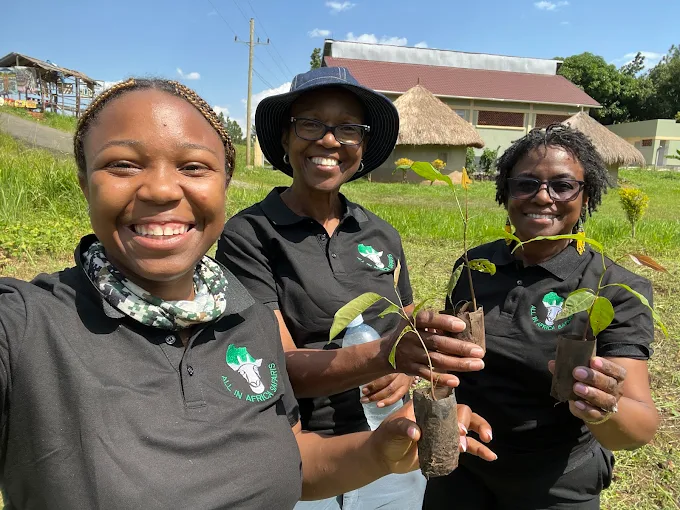
Every safari with us supports our Green Spot Campaign — planting trees across Uganda’s communities. Learn more & get involved →
All in Africa Safaris arranges tours to Uganda, Rwanda, Kenya and Tanzania
3 Days Murchison Falls Safari
Discover the Wildlife in the Murchison Falls National Park with engagement with a boat cruise and game drives which lead to a nature walk on top of the falls
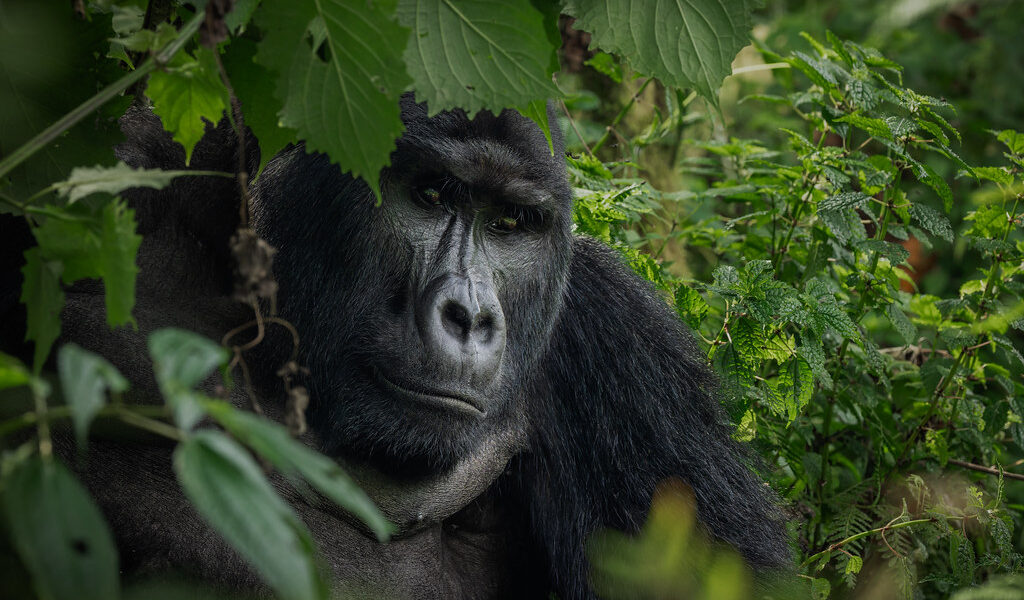
4 Days Gorillas & Queen Wildlife
Visit the magical national parks of Uganda known as Bwindi Forest and Queen Elizabeth National Park including gorilla trekking and wildlife views for travelers
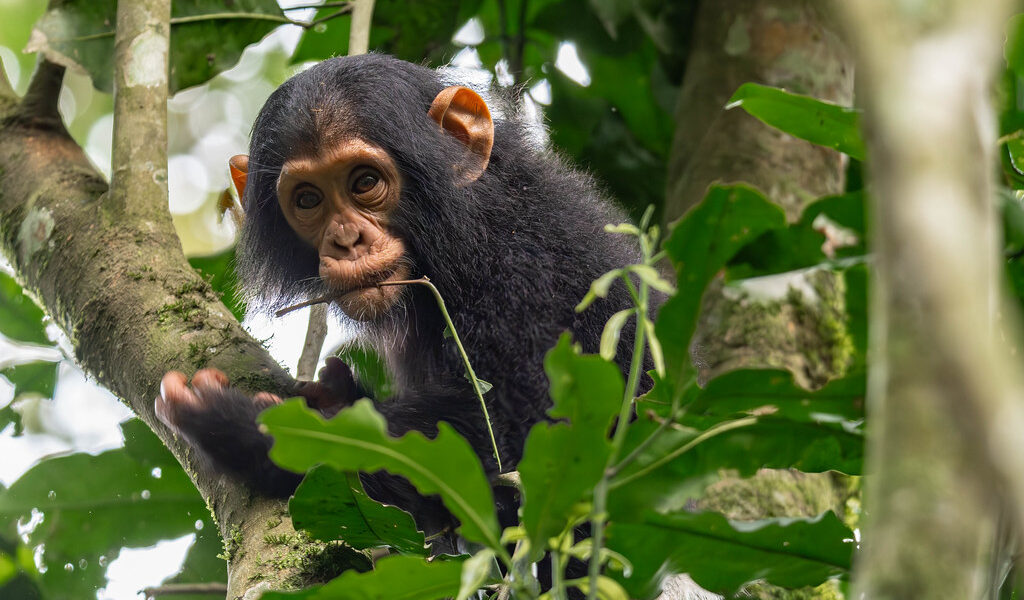
5 Days Gorillas & Chimps Track
Explore the great Mgahinga National Park conserving and protecting the endangered Mountain gorillas & chimpanzees in the pearl of Africa
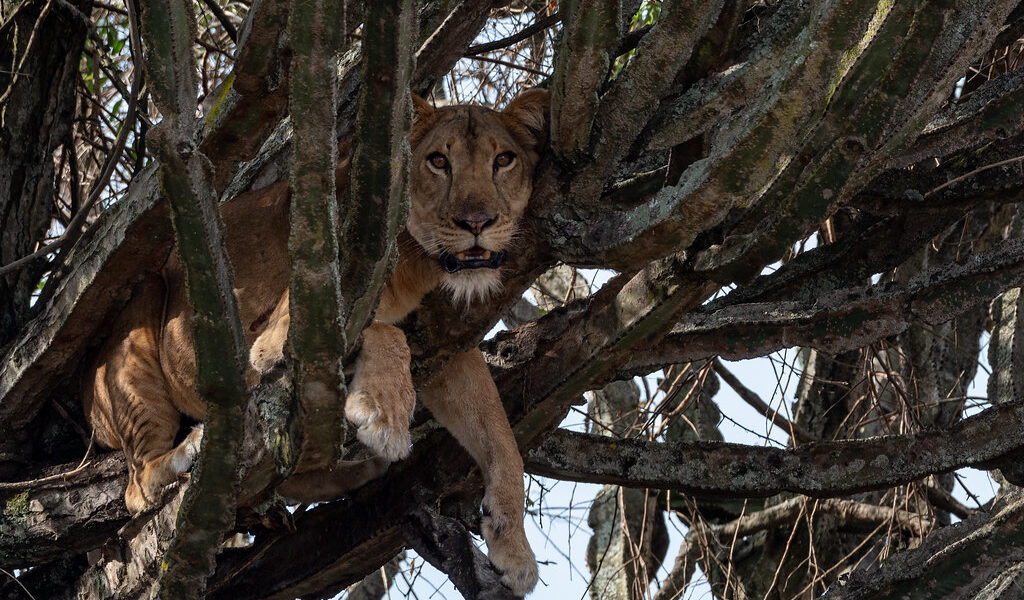
6 Days Uganda Safari
Visit the magical national parks of Uganda known as Bwindi Forest and Queen Elizabeth National Park which include the gorilla trekking and wildlife views
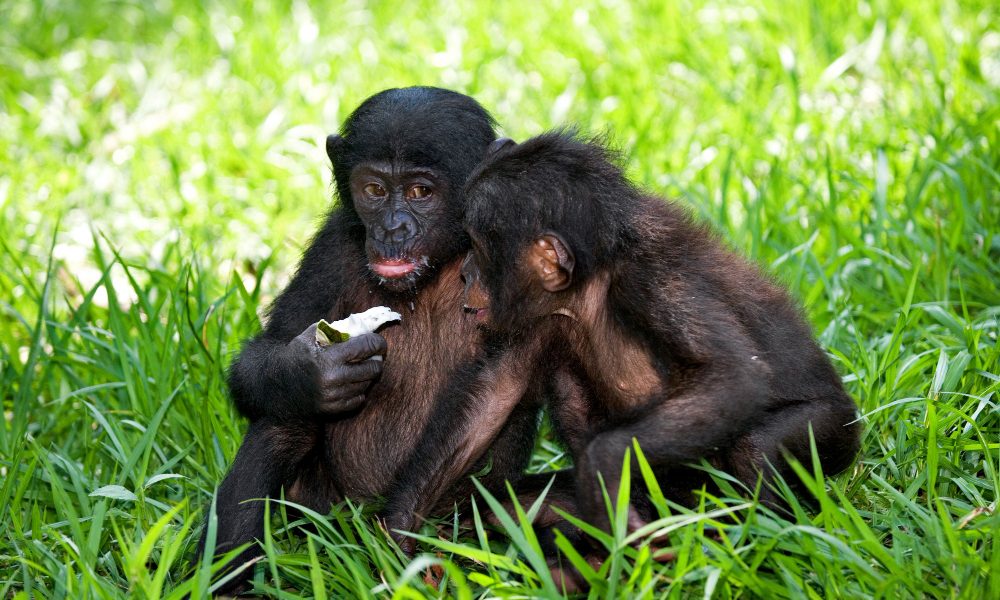
1 Day Bwindi Gorilla Tour from Kigali
A fast-paced day trip from Kigali into Bwindi Impenetrable Forest for a single unforgettable hour with a mountain gorilla family
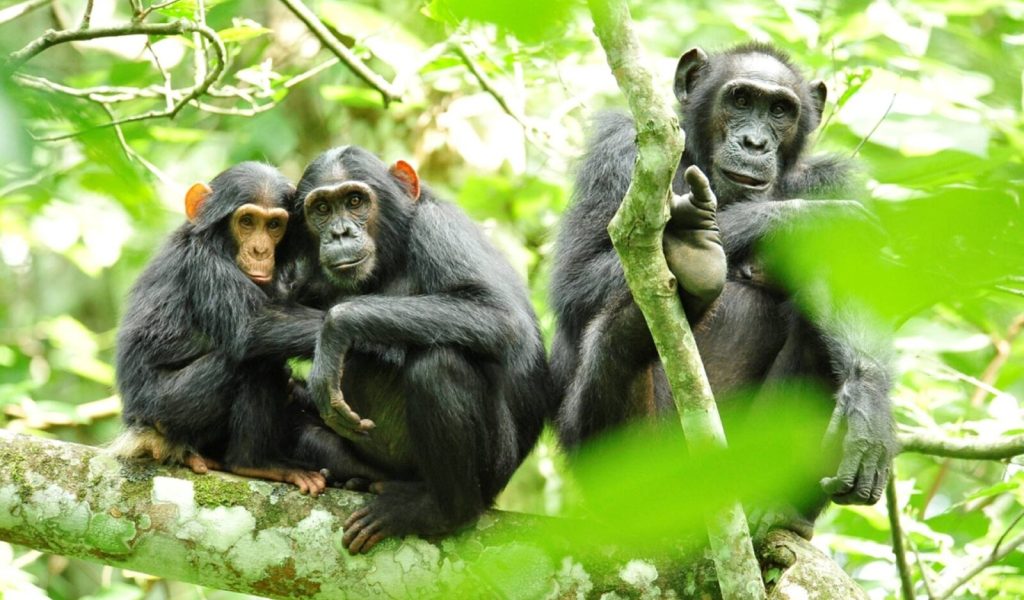
3 Days Chimpanzee Tracking in Kibale
Track chimpanzees through Africa’s primate capital, Kibale Forest, alongside a community walk through Bigodi Wetland Sanctuary
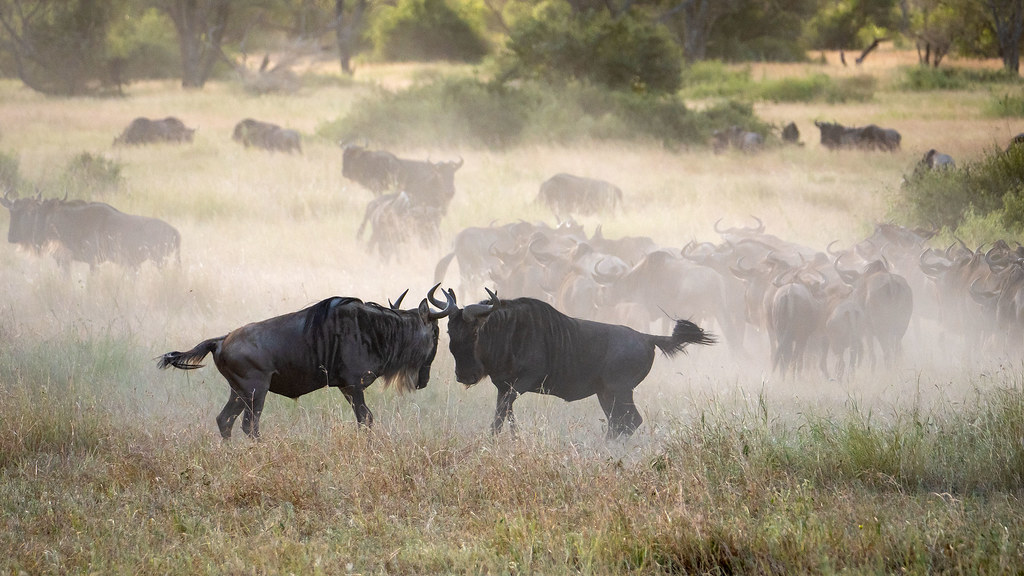
4 Days Kidepo Valley Wildlife Safari
Venture into Uganda’s most remote wilderness for cheetahs, ostriches and dramatic mountain scenery few visitors ever see
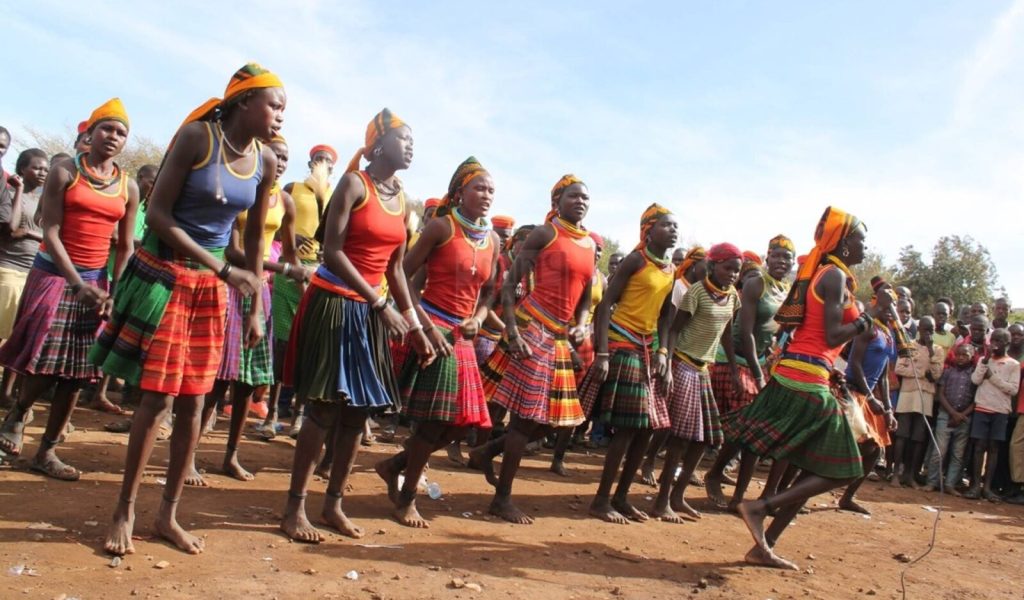
7 Day Kidepo and Sipi Safari
Combine Kidepo Valley’s wild plains with waterfall hikes and coffee tours in the Sipi Falls region
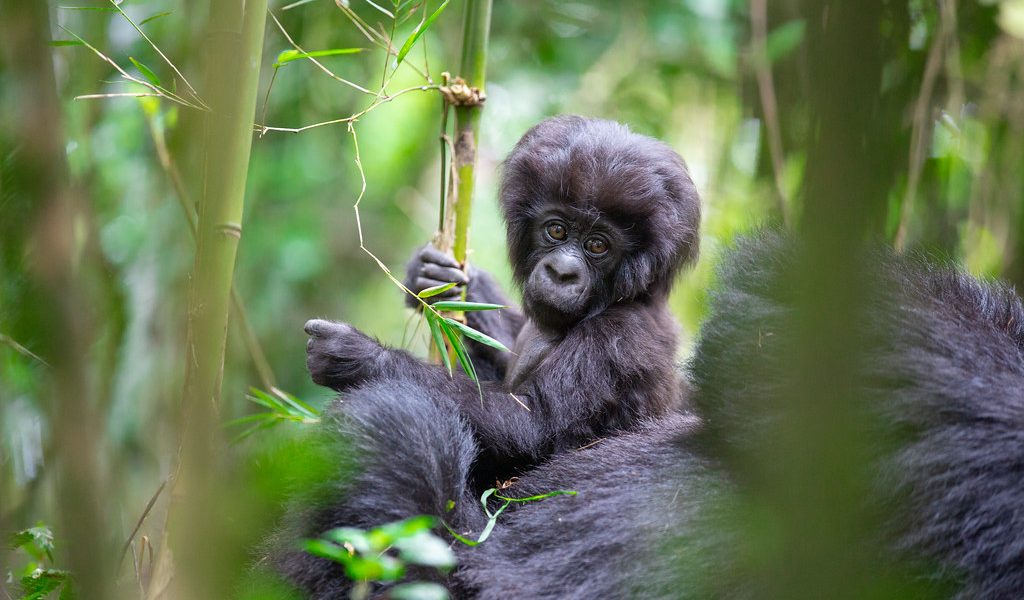
10 Days Rwanda Uganda Safari
A complete circuit through Volcanoes, Bwindi, Queen Elizabeth and Kibale for gorillas, chimps and classic wildlife
12 Days Uganda Leisure Holidays
An unhurried two-week journey through Murchison Falls, Kibale, Queen Elizabeth, Bwindi and Lake Mburo
14 Days Uganda Northern Circuit
Explore Kidepo Valley, Murchison Falls and Sipi Falls on this off-the-beaten-path northern adventure
15 Days Uganda Safari
Uganda’s full highlight reel across two relaxed weeks of gorillas, chimps, wildlife and scenic countryside