
4 Days Lake Mburo Savannah Milicia excelsa Tree-Planting Safari from Entebbe to Lake Mburo
Overview
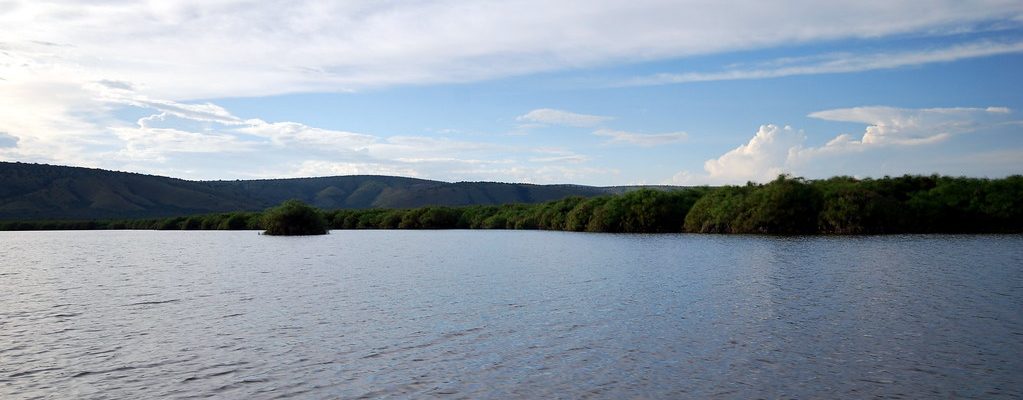
This four-day Lake Mburo safari combines wildlife viewing, savannah exploration and community tree planting in one of Uganda’s most accessible national parks. Starting in Entebbe, the journey takes you southwest through Uganda’s countryside to Lake Mburo National Park, a beautiful savannah and woodland landscape known for zebras, impalas, elands, giraffes, buffaloes and numerous bird species.
Lake Mburo is particularly suitable for visitors interested in walking safaris, game drives, boat excursions and cycling experiences. Its mixture of open grasslands, acacia woodland, rocky outcrops and wetland habitats supports a variety of wildlife. The park is also an important conservation area within the cattle-keeping landscapes of southwestern Uganda.
This safari includes a practical tree-planting activity featuring eight species: Milicia excelsa, Markhamia lutea, Albizia coriaria, Ficus natalensis, Vachellia sieberiana, Vachellia hockii, Combretum molle and Ziziphus mucronata. The programme introduces visitors to indigenous trees that support biodiversity, provide shade, protect soils and offer useful resources for surrounding communities.
You will participate in planting at an agreed community or restoration site outside protected wildlife habitats, with local coordinators explaining the importance of species selection, planting techniques and seedling care.
The experience also includes wildlife viewing in Lake Mburo National Park, a boat excursion on Lake Mburo and opportunities to discover the savannah environment. It is suitable for couples, families, nature enthusiasts and travellers interested in combining a Ugandan safari with practical conservation activities.
Safari Highlights
- Travel from Entebbe through Uganda's scenic countryside to Lake Mburo National Park.
- Enjoy game drives in search of zebras, impalas, elands, giraffes, buffaloes and other wildlife.
- Participate in a community tree-planting programme featuring eight indigenous tree species.
- Learn about Milicia excelsa, Markhamia lutea, Albizia coriaria, Ficus natalensis, Vachellia sieberiana, Vachellia hockii, Combretum molle and Ziziphus mucronata.
- Enjoy a boat excursion on Lake Mburo and observe wildlife around the shoreline.
- Discover the park's savannah, woodland and wetland habitats.
- Enjoy opportunities for birdwatching, nature photography and community interaction.
Tree species featured in the planting programme
Milicia excelsa – African teak
Main uses
Milicia excelsa is a large indigenous African hardwood tree commonly known as African teak or iroko. Its timber is highly valued for furniture, flooring, construction and other woodworking purposes. The tree also provides shade and contributes to forest biodiversity.
Why plant it?
African teak is an important indigenous timber species with significant ecological and economic value. Planting it in suitable locations supports the restoration of native tree cover and can provide future timber resources when managed sustainably. Mature trees also contribute to habitat quality and carbon storage.
Planted at
Suitable community woodlots, farms, institutional grounds and approved restoration sites around Lake Mburo and neighbouring communities.
Markhamia lutea – Nile tulip tree
Main uses
Markhamia lutea is an indigenous East African tree recognised by its attractive yellow trumpet-shaped flowers. It is planted for shade, ornamental value and traditional uses. Its wood is used for selected household and farm purposes.
Why plant it?
The Nile tulip tree supports biodiversity by providing flowers that attract pollinators. It also improves the appearance of community landscapes, provides shade and contributes to tree cover on farms and institutional land.
Planted at
Schools, homesteads, farms, community compounds and suitable restoration areas around Lake Mburo.
Albizia coriaria – Mugavu
Main uses
Albizia coriaria is an indigenous East African tree valued for shade, traditional uses and its contribution to agroforestry. Its foliage can provide livestock fodder in managed settings, while its canopy offers shelter for people and animals.
Why plant it?
Mugavu is useful in farm landscapes because it provides shade and contributes organic matter through falling leaves. Its presence can support agroforestry systems and improve the diversity of trees in agricultural areas.
Planted at
Community farms, grazing landscapes, homesteads, school compounds and suitable restoration sites.
Ficus natalensis – Natal fig
Main uses
Ficus natalensis is an indigenous fig tree widely recognised in Uganda and other parts of East Africa. Its fruits provide food for birds and other wildlife. The tree also provides shade, while its bark has traditionally been used in the production of bark cloth in Uganda.
Why plant it?
Natal fig supports biodiversity by providing food and shelter for wildlife. It also has cultural importance in Uganda because of its association with traditional bark-cloth production. Planting it can help preserve indigenous tree heritage and strengthen community landscapes.
Planted at
Community cultural sites, homesteads, schools, farms and suitable restoration areas.
Vachellia sieberiana – Paperbark thorn
Main uses
Vachellia sieberiana is an indigenous African acacia tree recognised by its distinctive pale, papery bark and spreading crown. It provides shade, supports wildlife and contributes to savannah woodland habitats. Its foliage and pods can also provide browse or fodder for livestock and wild herbivores.
Why plant it?
Paperbark thorn is well suited to appropriate savannah and woodland environments. It supports biodiversity, provides shade and contributes to the restoration of native vegetation. Its presence can also improve the structure of managed grazing landscapes.
Planted at
Suitable savannah restoration sites, community grazing areas, farms and conservation landscapes around Lake Mburo.
Vachellia hockii – Hock’s acacia
Main uses
Vachellia hockii is an indigenous African acacia commonly found in savannah and woodland habitats. It provides browse, shade and habitat for insects and other wildlife. Its branches and canopy contribute to the structure of natural savannah vegetation.
Why plant it?
Hock’s acacia is valuable for restoring suitable native savannah landscapes. It can support biodiversity and provide resources for wildlife and livestock. Planting it in appropriate locations helps maintain the ecological character of the surrounding landscape.
Planted at
Suitable community grazing areas, savannah restoration sites and managed conservation landscapes around Lake Mburo.
Combretum molle – Velvet bushwillow
Main uses
Combretum molle is an indigenous African tree found in woodland and savannah habitats. It is valued for traditional uses, firewood and its contribution to natural vegetation. Its flowers and structure support insects and other wildlife.
Why plant it?
Velvet bushwillow contributes to the diversity of indigenous savannah woodland. It can grow in suitable dry and seasonally wet environments and provides habitat for wildlife. Including it in restoration projects helps recreate a varied native plant community.
Planted at
Suitable woodland restoration areas, community land, farms and savannah landscapes around Lake Mburo.
Ziziphus mucronata – Buffalo thorn
Main uses
Ziziphus mucronata is an indigenous African tree or shrub recognised by its distinctive paired thorns. Its fruits are eaten by birds, mammals and people. Communities also use the tree for traditional purposes, fencing and selected household applications.
Why plant it?
Buffalo thorn supports wildlife by providing food and shelter. It can also contribute to natural fencing, soil protection and the restoration of suitable dryland environments. Its ability to grow in different savannah conditions makes it useful for selected community planting programmes.
Planted at
Community farms, homesteads, suitable boundary plantings and savannah restoration sites around Lake Mburo.
Detailed Itinerary
Day 1: Entebbe to Lake Mburo National Park
After breakfast, meet your safari guide in Entebbe and begin the journey to Lake Mburo National Park in southwestern Uganda. The drive takes you through central Uganda’s countryside, passing rural settlements, cultivated landscapes and traditional trading centres.
Make a stop at the Equator crossing in Kayabwe for photographs and a short break. You can learn about the geographical significance of the Equator and visit local craft shops before continuing towards Mbarara and Lake Mburo.
Arrive at your lodge in the afternoon and check in. Depending on your arrival time, enjoy a relaxed walk around the lodge or take in views of the surrounding savannah landscape.
Your guide will introduce you to the park’s wildlife, the planned tree-planting activity and the following day’s safari programme.
Enjoy dinner and an overnight stay.
Accommodation: Budget, mid-range or luxury lodge near Lake Mburo National Park.
Meals: Lunch and dinner.
Day 2: Game drive and Lake Mburo boat excursion
After an early breakfast, enter Lake Mburo National Park for a guided game drive. The park is known for its diverse savannah wildlife and is one of Uganda’s best places to see zebras and impalas.
Explore open grasslands and woodland areas in search of zebras, impalas, topis, elands, buffaloes, warthogs and giraffes. You may also encounter waterbucks, bushbucks and different bird species. Leopards are present in the park, although sightings are less predictable.
Your guide will explain the behaviour of the animals and how they use different habitats within the park. The game drive also provides opportunities to photograph the landscape and observe the relationship between wildlife and vegetation.
Return to your lodge for lunch or enjoy a packed meal depending on the schedule.
In the afternoon, enjoy a boat excursion on Lake Mburo. The lake and its shoreline attract hippos, crocodiles and water-associated birds. You may see buffaloes and other animals approaching the water to drink.
After the boat activity, return to your lodge for dinner and relaxation.
Accommodation: Budget, mid-range or luxury lodge near Lake Mburo National Park.
Meals: Breakfast, lunch and dinner.
Day 3: Community tree planting and conservation experience
After breakfast, travel to an agreed community or conservation planting site near Lake Mburo. Meet the local project coordinators, who will introduce the tree-planting programme and explain the importance of maintaining indigenous tree cover in the savannah and farming landscapes around the park.
The activity features eight species: Milicia excelsa, Markhamia lutea, Albizia coriaria, Ficus natalensis, Vachellia sieberiana, Vachellia hockii, Combretum molle and Ziziphus mucronata.
Learn about the uses and ecological benefits of each tree. The coordinators will explain how species selection depends on soil conditions, rainfall, altitude and the intended purpose of the planting site.
Participate in preparing planting holes, positioning seedlings, covering their roots and watering them where water is available. You will also learn about suitable spacing, mulching and protecting young trees from livestock and other potential damage.
After lunch, take part in a conservation discussion with local representatives. Learn how indigenous trees support wildlife habitats, improve farm environments, provide shade and contribute to soil protection.
The session will also cover seedling monitoring and aftercare. Local communities play an important role in ensuring that planted trees survive beyond the initial activity.
Return to your lodge in the afternoon for dinner.
Accommodation: Budget, mid-range or luxury lodge near Lake Mburo National Park.
Meals: Breakfast, lunch and dinner.
Day 4: Morning wildlife experience and return to Entebbe
Enjoy an early breakfast before participating in a final wildlife experience around Lake Mburo. Depending on your preference and local arrangements, choose a morning game drive or a guided nature walk in an approved area.
A walking safari provides an opportunity to explore the smaller details of the savannah environment, including animal tracks, insects, plants and birdlife. Accompanied by an authorised ranger or guide, you can learn how wildlife uses the landscape and how conservation teams monitor the park.
Return to your lodge, check out and begin the journey back to Entebbe. Stop for lunch along the way and enjoy the countryside scenery.
Arrive in Entebbe in the late afternoon or evening. You will be dropped off at your hotel or Entebbe International Airport according to your onward travel arrangements.
Accommodation: Not included unless an additional night is requested.
Meals: Breakfast and lunch.
Optional Activities
You can add other activities to your Lake Mburo experience depending on your interests, available time and local operating arrangements.
- Guided walking safari: Explore selected areas on foot with an authorised ranger and learn about animal tracks, plants and smaller wildlife.
- Horseback safari: Enjoy a guided horse-riding experience through suitable wildlife areas outside or within authorised park arrangements.
- Cycling safari: Explore selected routes around the park and surrounding communities by bicycle.
- Night game drive: Search for nocturnal wildlife such as bush babies, genets, porcupines and other animals with an authorised guide.
- Additional birdwatching: Spend more time identifying savannah, woodland and wetland bird species.
- Community visit: Meet local residents and learn about cattle keeping, farming, crafts and community conservation projects.
- Additional tree planting: Extend your contribution by supporting more seedlings or participating in a school greening activity.
Frequently Asked Questions
What wildlife can I see in Lake Mburo National Park?
Lake Mburo supports zebras, impalas, elands, giraffes, buffaloes, topis, waterbucks, bushbucks, warthogs, hippos and crocodiles. Leopards are also present, although sightings are not guaranteed. The park is particularly attractive for visitors interested in savannah wildlife and birdwatching.
Is Lake Mburo suitable for a short safari?
Yes. Its location in southwestern Uganda makes it suitable for a short safari from Entebbe or Kampala. Four days provide enough time for game drives, a boat excursion, tree planting and an additional wildlife activity.
Which tree species are included in the planting programme?
The programme features eight species: Milicia excelsa, Markhamia lutea, Albizia coriaria, Ficus natalensis, Vachellia sieberiana, Vachellia hockii, Combretum molle and Ziziphus mucronata.
Where does tree planting take place?
Tree planting takes place at an agreed community, farm, school or restoration site near Lake Mburo. The location is selected with local partners and landowners. Planting is not conducted inside the national park unless specifically authorised by the relevant park authorities.
Can visitors participate without previous planting experience?
Yes. Local coordinators provide instructions and demonstrate how to prepare planting holes, position seedlings and cover the roots. Visitors can participate regardless of previous experience.
Is Lake Mburo good for birdwatching?
Yes. The park contains savannah, woodland, wetland and lakeside habitats that support a wide variety of birds. A guided birdwatching activity can be arranged for visitors interested in identifying local species.
Can I see zebras in Lake Mburo?
Yes. Lake Mburo is one of Uganda’s best-known destinations for observing plains zebras. They are frequently seen grazing in the park’s open grassland areas.
Is the boat excursion included?
The standard itinerary includes a Lake Mburo boat excursion. Confirm the activity and any applicable park or operator charges in your final safari quotation.
Can I combine Lake Mburo with other Uganda destinations?
Yes. Lake Mburo can be combined with Bwindi Impenetrable National Park, Queen Elizabeth National Park, Kibale Forest National Park or Lake Bunyonyi for a longer Uganda safari.
Wildlife and savannah habitats of Lake Mburo
Lake Mburo National Park protects an important savannah and wetland landscape in southwestern Uganda. Its vegetation includes open grasslands, acacia woodland, thickets, rocky areas and wetland habitats surrounding lakes and seasonal water sources.
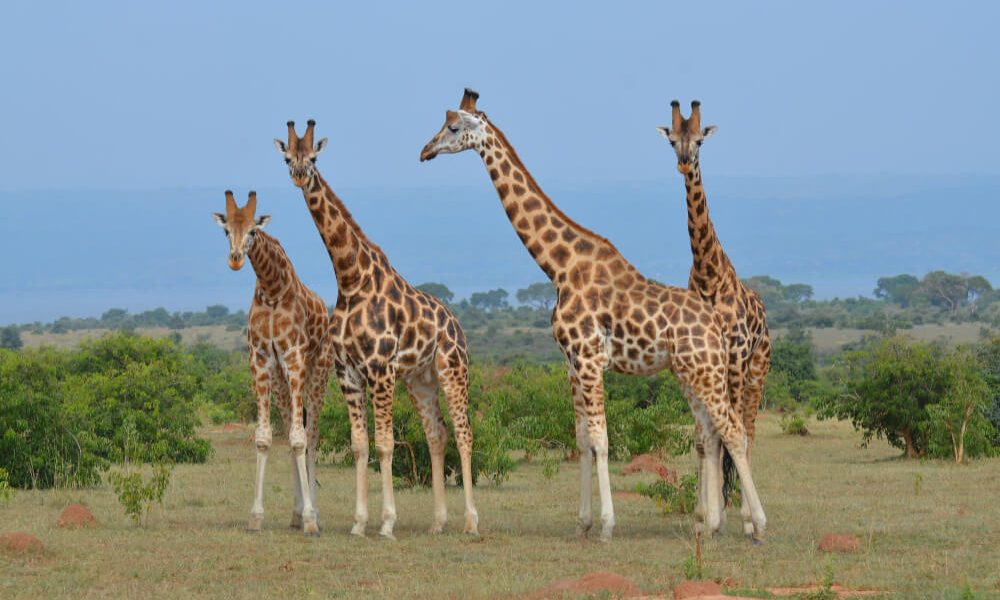
The park is particularly known for its zebras and impalas. Other herbivores include elands, topis, buffaloes, giraffes and several antelope species. Hippos and crocodiles inhabit the lake, while predators such as leopards occur in the wider ecosystem.
The park’s different habitats support a wide range of birds. Wetlands attract water-associated species, while woodland and grassland areas provide feeding and nesting opportunities for other birds.
Visitors can explore these habitats through game drives, boat excursions and authorised walking activities. Each activity offers a different perspective on the park’s wildlife and natural environment.
Conservation and community tree planting around Lake Mburo
The landscapes surrounding Lake Mburo support wildlife, livestock keeping, farming and community livelihoods. Maintaining healthy vegetation is important for protecting soil, supporting biodiversity and improving the resilience of local farms.
The eight featured tree species offer different benefits. Milicia excelsa and Cordia-related indigenous woodland trees are valued for their timber and ecological contributions, while Markhamia lutea and Ficus natalensis provide shade and support wildlife. Albizia coriaria contributes to agroforestry systems, and the three savannah-associated species, Vachellia sieberiana, Vachellia hockii and Combretum molle, are suitable for selected native woodland and grazing landscapes. Ziziphus mucronata adds further value through its fruits, protective growth and wildlife benefits.
Community planting programmes should select species according to the ecological conditions and intended use of each site. Trees planted near farms may serve different purposes from those established in woodland restoration areas.
Long-term care is essential. Local residents and project coordinators should monitor seedling survival, provide water during dry periods where necessary, control competing vegetation and protect young trees from livestock damage.
Birdwatching in Lake Mburo National Park
Lake Mburo is an attractive birdwatching destination because of its mixture of wetland, lake, woodland and savannah habitats. Visitors can observe different bird communities during game drives, boat excursions and guided walks.
The lakeshore is suitable for searching for water-associated birds, while open grasslands and woodland areas support species adapted to savannah environments. Early morning and late afternoon are generally productive periods for birdwatching.
Visitors interested in bird identification should carry binoculars, a field guide and a camera if they enjoy photography. A knowledgeable local guide can help identify birds by their calls, flight patterns and feeding behaviour.
Community experiences around Lake Mburo
The communities around Lake Mburo have strong connections to livestock keeping, agriculture and natural resource management. Visitors can learn about cattle-rearing traditions, local food, crafts and the relationship between farming and wildlife conservation.
Community visits can also introduce travellers to local environmental initiatives, including tree planting, soil protection and sustainable land management. Buying locally made products and using community-operated services can support residents who participate in tourism activities.
Responsible community tourism should be organised through local representatives and conducted with respect for residents’ privacy, traditions and daily activities.
Practical Notes
Travel documents: Carry a valid passport and confirm Uganda’s current entry and visa requirements before travelling.
Clothing: Pack lightweight clothing for daytime activities, a light jacket for early morning game drives and comfortable walking shoes.
Tree planting: Wear closed shoes, practical clothes and a hat. Planting activities may involve soil, watering and outdoor work.
Sun protection: Carry sunscreen, sunglasses and drinking water during game drives and outdoor activities.
Wildlife viewing: Follow your guide’s instructions, remain inside the safari vehicle during game drives unless authorised to leave it and maintain a safe distance from wildlife.
Boat safety: Follow the boat operator’s instructions and wear a life jacket when required.
Photography: Carry a camera or smartphone with sufficient storage and battery power. Avoid disturbing animals to obtain photographs.
Tree care: Ensure that the planting programme includes arrangements for monitoring, watering and protecting seedlings after the activity.
Accommodation: Budget, mid-range and luxury lodges are available around Lake Mburo. Your choice should consider location, comfort and access to park activities.
Transport: A private four-wheel-drive vehicle is recommended for comfortable travel and wildlife viewing.
Best Time to Visit Lake Mburo for Safari and Tree Planting
Lake Mburo National Park can be visited throughout the year. The drier periods, generally from June to August and December to February, are popular for wildlife viewing because vegetation may be less dense and some animals gather around reliable water sources.
The rainy seasons, commonly occurring around March to May and September to November, bring greener landscapes and can provide suitable conditions for tree planting. However, heavy rainfall may affect access to some roads and planting sites.
Tree planting should be scheduled according to local rainfall patterns and the availability of healthy seedlings. Planting at the beginning of a suitable rainy period can improve seedling establishment, provided the species are appropriate for the site.
For a balanced experience, coordinate the safari dates with local planting partners and confirm the availability of park activities before travel. This four-day journey provides a practical combination of Uganda wildlife viewing, Lake Mburo scenery and community conservation participation.
Tour Includes
- Travel in a 4×4 car
- Professional guide
- Park fees
- Accommodation
- Meals
- All Activities In Itinerary
Tour Excludes
- Alcoholic drinks
- Laundry
- Tips
- Shopping
- Insurance
- Anything not included per itinerary
Get Your Tailored 4 Days Lake Mburo Savannah Milicia excelsa Tree-Planting Safari from Entebbe to Lake Mburo
Uganda Safari Photos
Our Green Spot Campaign
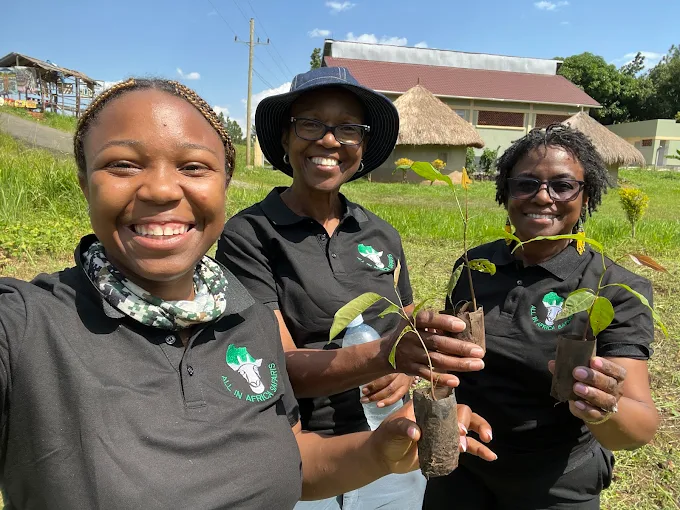
Every safari with us supports our Green Spot Campaign — planting trees across Uganda’s communities. Learn more & get involved →
All in Africa Safaris arranges tours to Uganda, Rwanda, Kenya and Tanzania
3 Days Murchison Falls Safari
Discover the Wildlife in the Murchison Falls National Park with engagement with a boat cruise and game drives which lead to a nature walk on top of the falls
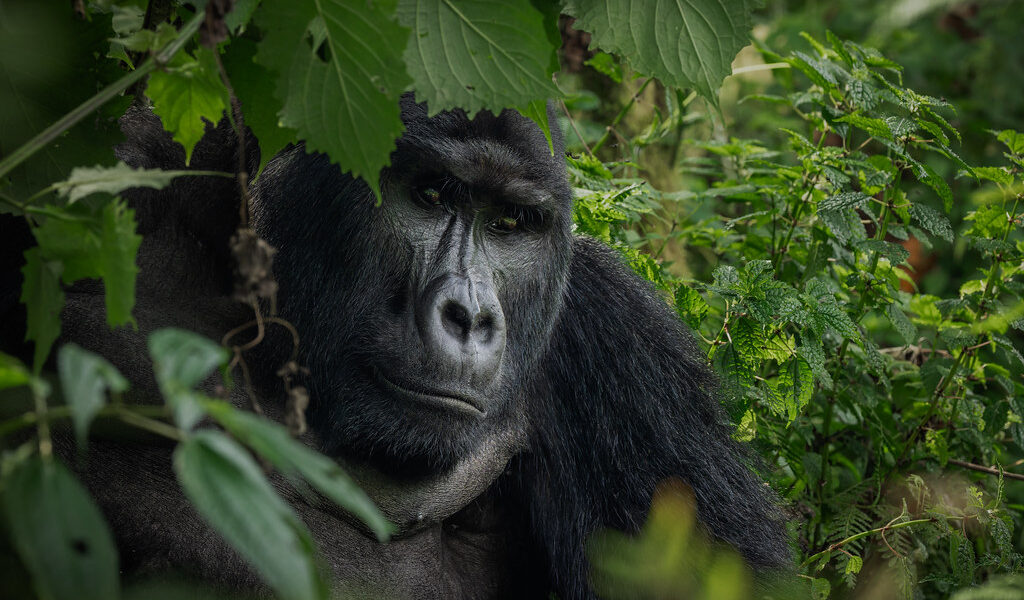
4 Days Gorillas & Queen Wildlife
Visit the magical national parks of Uganda known as Bwindi Forest and Queen Elizabeth National Park including gorilla trekking and wildlife views for travelers
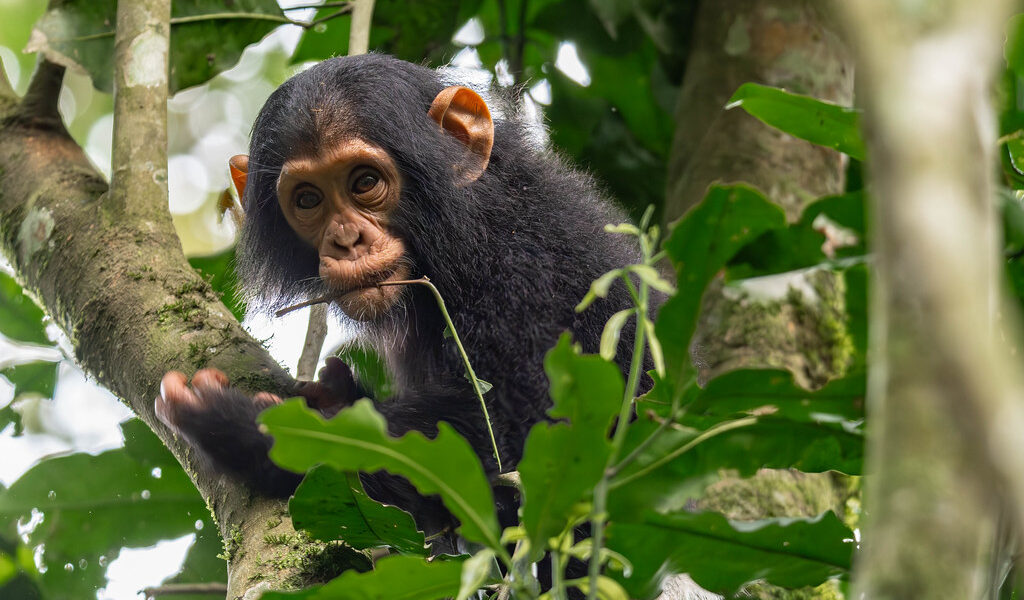
5 Days Gorillas & Chimps Track
Explore the great Mgahinga National Park conserving and protecting the endangered Mountain gorillas & chimpanzees in the pearl of Africa
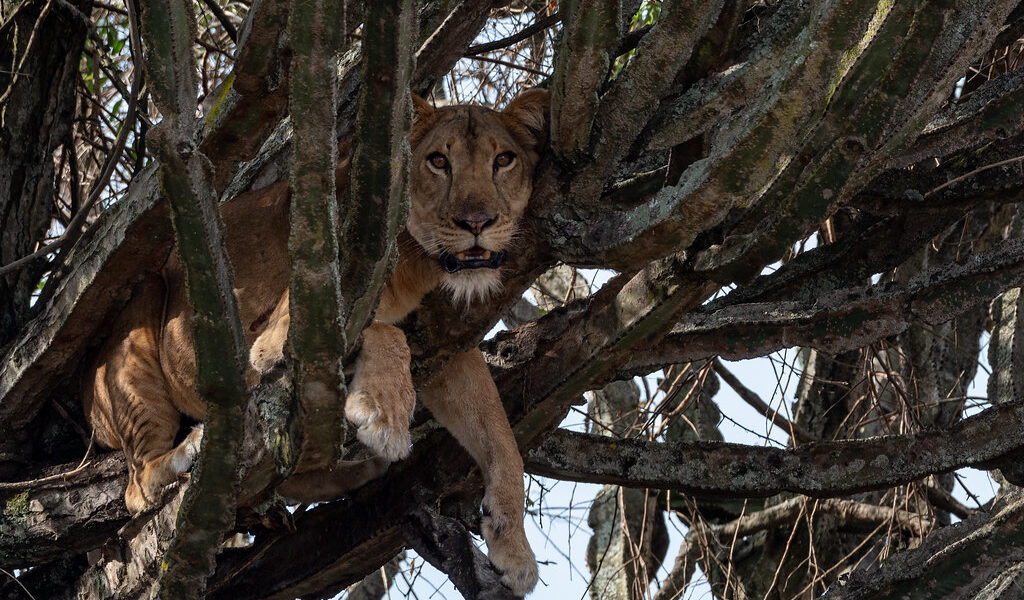
6 Days Uganda Safari
Visit the magical national parks of Uganda known as Bwindi Forest and Queen Elizabeth National Park which include the gorilla trekking and wildlife views
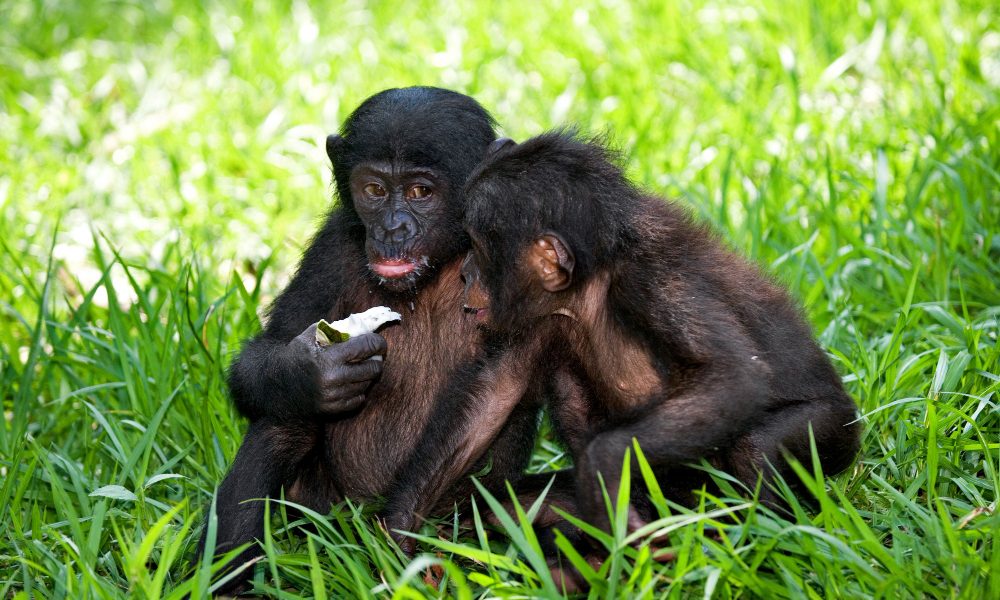
1 Day Bwindi Gorilla Tour from Kigali
A fast-paced day trip from Kigali into Bwindi Impenetrable Forest for a single unforgettable hour with a mountain gorilla family
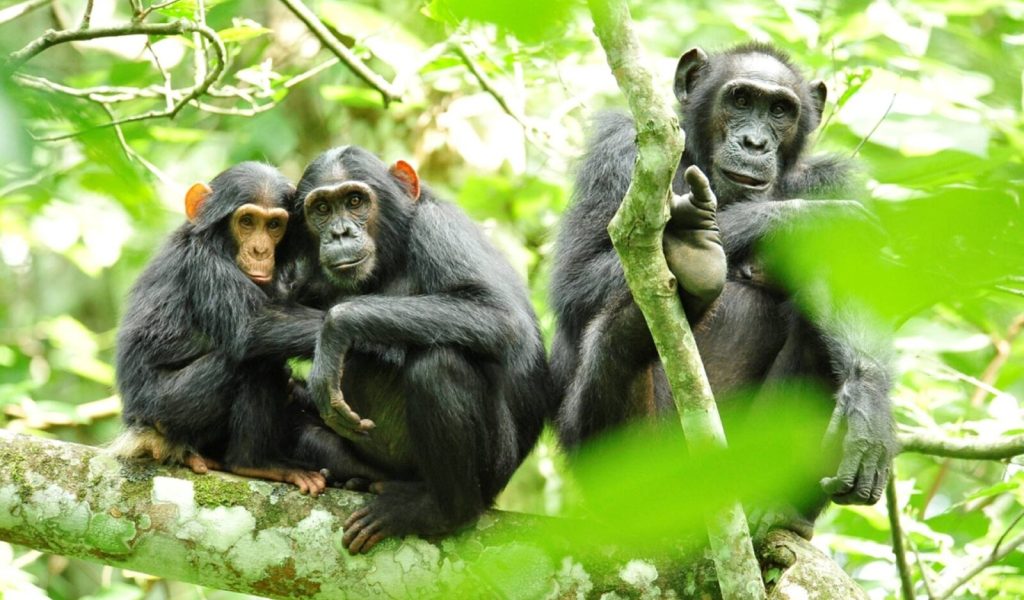
3 Days Chimpanzee Tracking in Kibale
Track chimpanzees through Africa’s primate capital, Kibale Forest, alongside a community walk through Bigodi Wetland Sanctuary
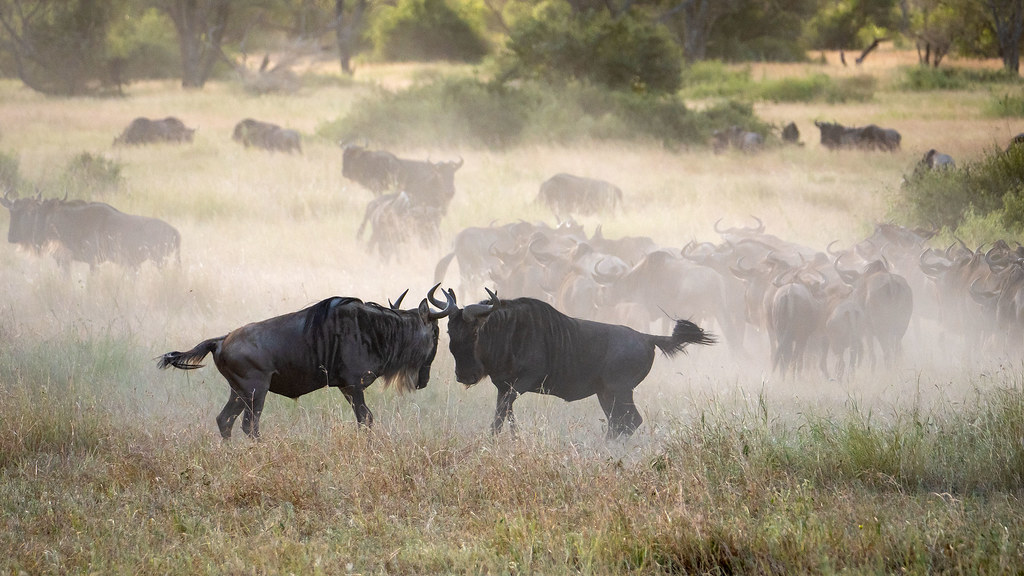
4 Days Kidepo Valley Wildlife Safari
Venture into Uganda’s most remote wilderness for cheetahs, ostriches and dramatic mountain scenery few visitors ever see
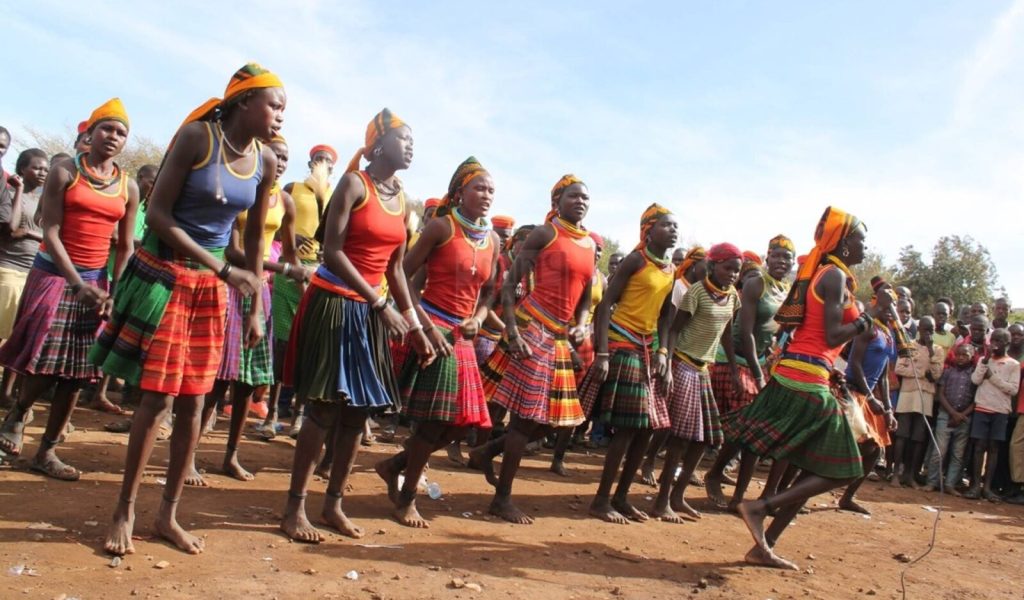
7 Day Kidepo and Sipi Safari
Combine Kidepo Valley’s wild plains with waterfall hikes and coffee tours in the Sipi Falls region
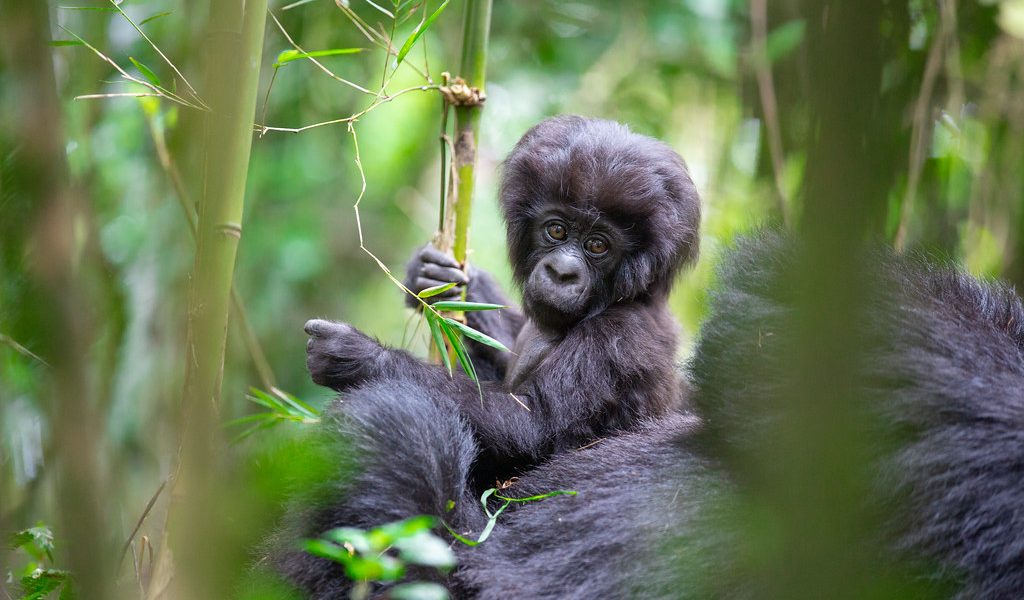
10 Days Rwanda Uganda Safari
A complete circuit through Volcanoes, Bwindi, Queen Elizabeth and Kibale for gorillas, chimps and classic wildlife
12 Days Uganda Leisure Holidays
An unhurried two-week journey through Murchison Falls, Kibale, Queen Elizabeth, Bwindi and Lake Mburo
14 Days Uganda Northern Circuit
Explore Kidepo Valley, Murchison Falls and Sipi Falls on this off-the-beaten-path northern adventure
15 Days Uganda Safari
Uganda’s full highlight reel across two relaxed weeks of gorillas, chimps, wildlife and scenic countryside