
Nyamirambo Walking Tour: Kigali’s Most Colourful Neighbourhood
Kigali’s oldest neighbourhood doesn’t look like the rest of the capital. Nyamirambo trades the city’s manicured boulevards for narrow, colourful streets, car-free zones where children play openly, and a genuine working-class energy that most standard Kigali itineraries never reach. A guided walking tour here, run through a local women’s empowerment organisation, offers one of the most direct, unfiltered windows into everyday Rwandan urban life available anywhere in the capital.
Key Highlights
- Nyamirambo is Kigali’s oldest neighbourhood, distinct in character and layout from the rest of the modern capital
- Walking tours are run through the Nyamirambo Women’s Center, a local NGO promoting gender equality and women’s empowerment, established roughly 15 years ago
- Tours run about 2.5 hours, led by young local guides trained specifically by the Center
- Stops typically include a hair salon with vintage 1980s-era dryers, a tailor working without printed patterns, a local outdoor market, and a cassava flour processor
- The route passes through car-free zones where children play, alongside stalls and small local businesses
- Some tours conclude with a home-cooked lunch at a local family’s house, adding a genuinely intimate closing note
Why This Tour Exists
The Nyamirambo Women’s Center trains young people from the neighbourhood itself to lead these walking tours, employing local guides directly and channelling tour proceeds back into the Center’s broader gender-equality and women’s empowerment programming. This isn’t a generic city tour outsourced to an unrelated operator; it’s a deliberately community-rooted model where the economic benefit of tourism flows directly to the neighbourhood being shown off, and where guides are genuinely from the streets they’re walking you through rather than external tour company staff.
What the Walk Actually Covers
Over roughly two and a half hours, the tour weaves through a sequence of genuinely everyday stops: a local hair salon still using semi-circular hood dryers from the 1980s, a tailor who works entirely without printed patterns, cutting and constructing garments by eye and experience alone, and a bustling outdoor market where a cassava flour processor demonstrates the transformation of raw cassava root into a household staple ingredient.
Car-Free Streets and Everyday Life
Part of the walk passes through Nyamirambo’s car-free zones, streets where children play openly and daily neighbourhood life unfolds without the traffic that dominates much of the rest of Kigali, alongside a stop at a shared water tap and a local “milk bar” serving fresh milk the way it’s traditionally consumed across much of the region. These stops aren’t curated attractions so much as genuine slices of ordinary Nyamirambo life that happen to be walkable on a guided route.
The Nyamirambo Women’s Center’s Broader Work
Beyond running walking tours, the Nyamirambo Women’s Center operates as a genuine community hub, running skills training programs, a sewing cooperative producing goods sold to support the organisation’s work, and broader gender-equality and empowerment initiatives serving women across the neighbourhood. The walking tour functions as both an income stream supporting this wider mission and a direct introduction for visitors to the kind of grassroots, locally-driven development work happening in this specific corner of Kigali.
A Cooperative Sewing Workshop
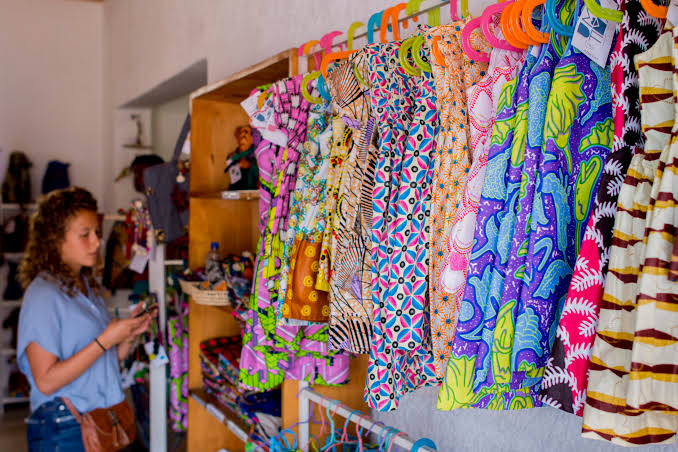
The Center’s sewing cooperative trains women in tailoring and garment-making skills, producing bags, clothing and other goods often available for purchase directly at the Center, giving visitors on the walking tour a tangible way to support the organisation’s work beyond the tour fee itself. Buying directly from the cooperative connects your purchase to a specific, visible economic outcome for the women involved, rather than an anonymous transaction with no clear connection to its impact.
Why Nyamirambo’s Character Differs So Much From Central Kigali
Kigali’s more central districts have undergone substantial modern redevelopment in recent decades, wide boulevards, modern architecture, a deliberately polished civic aesthetic, while Nyamirambo has largely retained its older, denser, more organic street layout and building stock as the city’s original established neighbourhood. That contrast is part of what makes a Nyamirambo visit so valuable for understanding Kigali’s fuller urban story — not every part of the capital has been remade in the same modern image, and Nyamirambo preserves a genuinely different, older layer of the city’s development.
A Genuinely Mixed, Working Neighbourhood
Nyamirambo’s population and street life reflect a genuinely mixed community, small business owners, market traders, families, and a significant Muslim community centred around the neighbourhood’s mosque, giving the area a distinct cultural and religious character within Kigali’s wider urban fabric. This diversity is part of what a good walking tour guide can help visitors understand and appreciate, well beyond the surface-level colour and street activity that first catches a visitor’s eye.
Nyamirambo’s Historical Significance for Kigali
As Kigali’s oldest established neighbourhood, Nyamirambo holds a genuinely significant place in the capital’s own development history, having grown organically over a longer period than the more recently planned and developed central districts. That older development pattern is precisely why the neighbourhood’s street layout, building density and overall urban texture differ so visibly from the rest of the city, a living record of an earlier phase of Kigali’s growth still genuinely intact and inhabited today.
A Neighbourhood That Resisted Complete Redevelopment
While other parts of Kigali have undergone substantial modern redevelopment, Nyamirambo has largely retained its established character, a combination of genuine heritage value, practical redevelopment cost, and the neighbourhood’s own residents’ investment in the area as it exists rather than as a site for wholesale reconstruction. Understanding this history adds real depth to a walking tour, framing what you’re seeing as a genuinely preserved piece of Kigali’s urban past rather than simply an area that modernisation happened to bypass.
A Home-Cooked Ending
Certain tour packages conclude with lunch at a local family’s home, a genuinely intimate close to the experience that goes well beyond what a standard restaurant meal could offer in terms of direct cultural exchange. Sharing a meal cooked in someone’s actual home, rather than a tourism-oriented restaurant setting, tends to be the detail most visitors single out afterward as the tour’s most memorable element, a conversation over food that often runs longer than the walk itself once genuine rapport with the host family sets in.
Why This Complements a Gorilla-Trekking Itinerary So Well
For travellers whose Rwanda trip otherwise centres almost entirely on gorilla trekking and national park time, a Nyamirambo walking tour offers a genuinely different register of experience, urban, community-focused and centred on ordinary human life rather than wildlife. It’s a natural fit for a Kigali stay at either end of a trip, adding real texture to an itinerary that might otherwise treat the capital purely as a transit point.
Planning Your Visit
Booking Ahead
Tours are best arranged in advance directly with the Nyamirambo Women’s Center or through a tour operator with an established relationship with them, ensuring your visit directly supports the organisation’s community programming rather than an unrelated intermediary.
What to Bring
Comfortable walking shoes suited to uneven streets, cash for any small purchases along the way, particularly if you’re drawn to the tailor’s work or market goods, and a genuine openness to engaging directly with the neighbourhood rather than observing purely from a distance. A camera is worth bringing, though asking permission before photographing individuals directly, rather than simply raising the lens without a word, matters more here than at a typical tourist attraction, given how genuinely lived-in and ordinary the surroundings actually are.
Timing Your Tour Within a Kigali Stay
Morning tours generally catch the neighbourhood at its most active, market stalls freshly stocked and daily commerce in full swing, while a later-morning or early-afternoon slot still offers a genuine experience without the very earliest rush. Building the tour into either the start or end of your Rwanda trip, rather than squeezing it between a tight gorilla-trekking schedule, gives it the unhurried attention it genuinely rewards.
Frequently Asked Questions
Is this tour appropriate for solo travellers?
Yes, it’s a genuinely popular choice for solo visitors specifically, since the guided, small-group format offers built-in social interaction and a sense of security that independent exploration of an unfamiliar neighbourhood might not provide.
Is the tour physically demanding?
No, it’s a relatively gentle walking pace over roughly two and a half hours, accessible to most fitness levels without any strenuous terrain involved.
Does tour revenue genuinely support the local community?
Yes — tours are run directly through the Nyamirambo Women’s Center, with proceeds supporting the organisation’s gender-equality and empowerment programming and directly employing local guides from the neighbourhood.
Is Nyamirambo safe for tourists to walk through?
Yes, particularly as part of a guided tour with a knowledgeable local guide, which is the recommended and most common way to experience the neighbourhood as a visitor.
Can I customise the tour, or is it a fixed route?
Tours generally follow an established route covering the neighbourhood’s key stops, though specific inclusions like the home-cooked lunch option can vary, so it’s worth confirming exactly what’s included when booking.
Can I buy items made by the Center’s sewing cooperative?
Yes, bags, clothing and other goods produced by the cooperative are typically available for purchase, giving visitors a tangible way to support the organisation’s work beyond the tour fee itself.
Recommended Safaris
A Nyamirambo walking tour pairs naturally with a Kigali stay before or after gorilla trekking. Ready to build this experience into your own Rwanda itinerary, at either end of a gorilla trekking trip? Reach our team through our Book Now page and we’ll plan it around your dates.







No comment