
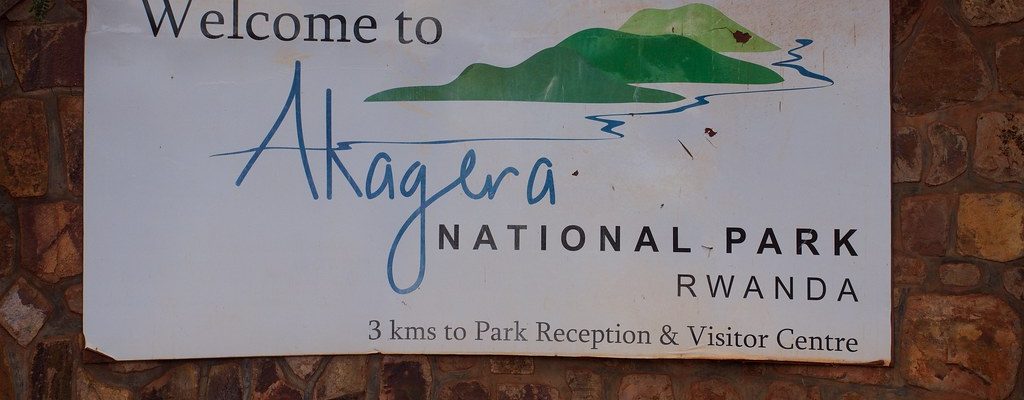
5 Days Akagera Big Five Syzygium cordatum Tree-Planting Safari from Kigali to Akagera
Overview
Akagera National Park is Rwanda’s premier savannah wildlife destination, known for its open plains, rolling hills, wetlands, lakes and diverse wildlife. Located in eastern Rwanda, the park offers visitors the opportunity to see the Big Five: lions, leopards, elephants, buffaloes and rhinos. Its landscapes also support giraffes, zebras, antelopes, hippos, crocodiles and numerous bird species.
This five-day safari begins in Kigali and takes you to Akagera National Park for wildlife viewing, game drives and a boat excursion on Lake Ihema. The experience combines a classic Big Five safari with a tree-planting activity that introduces visitors to selected tree species and their contribution to environmental conservation.
The tree-planting programme features eight species: Syzygium cordatum, Markhamia lutea, Ficus thonningii, Erythrina abyssinica, Ficus sycomorus, Vachellia sieberiana, Combretum molle and Cordia africana. These trees have different ecological and practical benefits, including supporting wildlife, providing shade, improving soil conditions and contributing to sustainable community livelihoods. The planting team will help select suitable locations according to each species’ environmental requirements.
After exploring Akagera, return to Kigali for your departure or onward travel arrangements.
Safari Highlights
- Search for the Big Five during game drives in Akagera National Park.
- Explore Akagera's savannah plains, woodland habitats, lakes and wetlands.
- Enjoy a boat excursion on Lake Ihema to observe hippos, crocodiles and waterbirds.
- Participate in a tree-planting activity featuring eight selected tree species.
- Discover Rwanda's wildlife conservation efforts and community initiatives.
- Enjoy scenic countryside views during the journey between Kigali and Akagera.
Tree species featured in the planting programme
Syzygium cordatum – Waterberry
Main uses: The tree produces fruits eaten by birds and other wildlife. It also provides shade and can be used for firewood and traditional purposes.
Why plant it? Waterberry is valuable for biodiversity and is suitable for moist environments. Planting it in appropriate locations can help restore vegetation and provide food for wildlife.
Planted at: Selected community and conservation planting sites around Akagera.
Markhamia lutea – Nile tulip tree
Main uses: Its timber is used for construction and household purposes. Farmers also value it for firewood, bean stakes, shade and traditional medicinal uses.
Why plant it? This indigenous tree can contribute to farm productivity and soil conservation. Its flowers attract pollinators, making it useful in suitable agroforestry and restoration settings.
Planted at: Selected community and agroforestry sites around Akagera.
Ficus thonningii – Common wild fig
Main uses: The tree provides shade, fodder, firewood and materials for traditional uses. Its fruits are an important food source for birds and other wildlife.
Why plant it? Fig trees support biodiversity and provide food and shelter for wildlife. Their extensive root systems can also help stabilise suitable soils.
Planted at: Selected community and conservation planting sites around Akagera.
Erythrina abyssinica – Lucky bean tree
Main uses: Communities use the tree for traditional medicine, timber and other household purposes. Its flowers attract pollinators, while its leaves contribute organic matter to the soil.
Why plant it? As a leguminous tree, it can contribute to soil improvement. It also provides habitat and food resources for wildlife when planted in suitable locations.
Planted at: Selected community and agroforestry sites around Akagera.
Ficus sycomorus – Sycamore fig
Main uses: The tree produces fruits eaten by birds, monkeys and other wildlife. It also provides substantial shade, fodder and traditional household uses.
Why plant it? Sycamore fig is an important food and habitat tree. Its broad canopy can provide shelter, while its fruits support wildlife throughout the year when available.
Planted at: Selected suitable community and conservation sites around Akagera.
Vachellia sieberiana – Paperbark thorn
Main uses: The tree provides shade, browse and habitat for wildlife. Its wood is used for fuel and other local purposes, while its foliage can serve as livestock fodder.
Why plant it? This indigenous savannah tree is suitable for appropriate grassland and woodland environments. It can support biodiversity, provide shade and contribute to the restoration of natural vegetation.
Planted at: Selected savannah and community restoration sites around Akagera.
Combretum molle – Velvet bushwillow
Main uses: Its wood is used for firewood and charcoal, while different parts of the tree have traditional medicinal applications. It also provides habitat and food resources for insects and other wildlife.
Why plant it? Combretum molle is a useful indigenous woodland species. Planting it in suitable areas can support native vegetation, improve habitat diversity and contribute to ecological restoration.
Planted at: Selected woodland and community restoration sites around Akagera.
Cordia africana – Sudan teak
Main uses: Its timber is valued for furniture, joinery and other woodworking. The tree also provides shade and supports local biodiversity.
Why plant it? Cordia africana is a valuable indigenous tree with ecological and economic benefits. Planting it can support long-term tree cover and provide future resources for communities when harvested sustainably.
Planted at: Selected community and agroforestry sites around Akagera.
Detailed Itinerary
Day 1: Kigali to Akagera National Park and afternoon game drive
After breakfast, meet your safari guide in Kigali and travel east towards Akagera National Park. The journey takes you through Rwanda’s countryside, with views of cultivated hills, rural settlements and changing landscapes.
Arrive at the park and complete the entry formalities before proceeding to your lodge. After lunch and a short rest, head out for an afternoon game drive.
Explore the park’s savannah landscapes in search of elephants, buffaloes, giraffes, zebras, antelopes and other wildlife. Your guide will help identify animals and explain their behaviour, habitats and conservation status.
Akagera is also home to lions and black and white rhinos, although sightings are never guaranteed. As the afternoon progresses, enjoy the changing scenery and watch for wildlife becoming active towards sunset.
Return to your lodge for dinner and an overnight stay.
Accommodation: Budget, mid-range or luxury lodge in Akagera.
Meals: Lunch and dinner.
Day 2: Full-day Big Five game drive in Akagera
Wake up early for breakfast before heading into the park for a full-day wildlife adventure. Exploring different sections of Akagera gives you more opportunities to encounter the park’s famous wildlife.
Search for elephants, buffaloes, lions, leopards and rhinos while exploring savannah plains, woodland areas and other habitats. You may also encounter giraffes, zebras, impalas, topis, waterbucks and warthogs.
Enjoy a picnic lunch at a designated location inside the park. Your guide will choose the day’s route based on wildlife movements, road conditions and the best available viewing opportunities.
Continue exploring in the afternoon before returning to your lodge for dinner and relaxation.
Accommodation: Budget, mid-range or luxury lodge in Akagera.
Meals: Breakfast, lunch and dinner.
Day 3: Morning game drive and Lake Ihema boat excursion
Begin the day with an early morning game drive when many animals are active. Your guide will help you search for predators and other wildlife while exploring different habitats.
Return to the lodge for lunch and some relaxation before continuing to Lake Ihema for a boat excursion.
During the boat trip, look for hippos resting in the water, Nile crocodiles along the banks and waterbirds feeding around the lake. You may see African fish eagles, herons, egrets, kingfishers and other wetland species.
Enjoy the scenery and learn about the importance of Akagera’s lakes and wetlands to wildlife and local ecosystems.
After the boat excursion, return to your lodge for dinner and an overnight stay.
Accommodation: Budget, mid-range or luxury lodge in Akagera.
Meals: Breakfast, lunch and dinner.
Day 4: Tree planting and community conservation experience around Akagera
After breakfast, travel to the selected tree-planting site around Akagera. Meet the local project coordinator and community representatives for an introduction to the conservation programme.
Learn about the eight selected tree species: Syzygium cordatum, Markhamia lutea, Ficus thonningii, Erythrina abyssinica, Ficus sycomorus, Vachellia sieberiana, Combretum molle and Cordia africana.
The planting team will demonstrate how to prepare planting holes, handle seedlings and position young trees correctly. You will then participate in planting, following guidance on spacing, soil preparation and species selection.
Each tree has different ecological requirements. Some are more suitable for moist locations, while others are better adapted to woodland or savannah environments. The local project team will determine the appropriate planting locations.
After planting, learn about seedling protection, watering, mulching and long-term monitoring. These activities help improve survival rates and ensure that the project contributes to lasting environmental benefits.
Enjoy lunch before visiting a nearby community or conservation initiative. Learn how local residents participate in environmental protection, sustainable agriculture and tourism-related activities.
Return to your lodge in the afternoon for relaxation, dinner and an overnight stay.
Accommodation: Budget, mid-range or luxury lodge in Akagera.
Meals: Breakfast, lunch and dinner.
Day 5: Akagera to Kigali and departure
Enjoy breakfast at your lodge before checking out. Depending on your departure schedule, you may have time for a short morning activity or a relaxed view of the surrounding landscape.
Begin the return journey to Kigali, passing through Rwanda’s eastern countryside. Stop along the way for refreshments and photographs where appropriate.
Arrive in Kigali and transfer to Kigali International Airport or your preferred hotel. If your flight departs late, additional time can be arranged for a short city visit.
Meals: Breakfast and lunch.
Optional Activities
Additional game drives: Spend more time exploring Akagera’s different habitats in search of wildlife. Additional drives can improve your opportunities to encounter species that were not seen during the scheduled activities.
Night game drive: Where available and permitted, join a guided night drive to look for nocturnal wildlife such as genets, civets, bushbabies and other night-active animals.
Birdwatching: Explore Akagera’s wetlands, lakes, woodlands and savannah habitats in search of resident and migratory birds.
Cultural experiences: Visit a local community to learn about traditional activities, local food and livelihoods around the park.
Photography safari: Arrange additional time at selected wildlife viewing locations to photograph elephants, giraffes, antelopes, birds and other animals.
Frequently Asked Questions
Can I see all the Big Five in Akagera National Park?
Akagera is home to all five members of the Big Five: lions, leopards, elephants, buffaloes and rhinos. However, sightings are not guaranteed because the animals move freely across the park. Experienced guides use recent wildlife information to select suitable game-drive routes.
How many game drives are included?
The itinerary includes an afternoon game drive on Day 1, a full-day game drive on Day 2 and a morning game drive on Day 3. Additional game drives can be arranged depending on your interests and budget.
What wildlife can I see besides the Big Five?
Akagera supports giraffes, zebras, hippos, crocodiles, impalas, topis, waterbucks, bushbucks, warthogs and many other species. Its wetlands and woodlands also provide habitats for a wide variety of birds.
What is special about Lake Ihema?
Lake Ihema is one of Akagera’s major lakes and an important wetland habitat. A boat excursion offers opportunities to see hippos, crocodiles and waterbirds while enjoying views of the surrounding landscape.
What happens during the tree-planting activity?
You receive an introduction to the selected tree species, learn how to handle seedlings and prepare planting holes, and participate in planting. The activity also explains the importance of protecting and monitoring young trees after planting.
Can I plant all eight tree species?
Planting all eight species depends on seedling availability and the suitability of the selected site. The local project team should assess soil, moisture, habitat and spacing requirements before deciding where each species will be planted.
Is the tree-planting activity inside Akagera National Park?
The planting activity should take place at an approved community or conservation site outside the park’s protected wildlife habitats unless specific authorisation has been obtained. The exact location should be confirmed before the safari.
Is this safari suitable for families?
Yes. Families can enjoy wildlife viewing, the Lake Ihema boat excursion and supervised tree planting. Game-drive schedules and planting activities can be adjusted to suit children’s ages and comfort.
What should I pack for this safari?
Bring comfortable safari clothing, neutral-coloured outfits, walking shoes, a hat, sunglasses, sunscreen, insect repellent and a reusable water bottle. Binoculars and a camera are useful for wildlife viewing. Pack closed shoes and comfortable outdoor clothing for tree planting.
Tour Includes
- Travel in a 4×4 car
- Professional guide
- Park fees
- Accommodation
- Meals
- All Activities In Itinerary
Tour Excludes
- Alcoholic drinks
- Laundry
- Tips
- Shopping
- Insurance
- Anything not included per itinerary
Wildlife in Akagera National Park
Akagera National Park protects one of Rwanda’s most important savannah ecosystems. Its landscape includes open grasslands, acacia woodlands, rolling hills, papyrus swamps and several lakes. These habitats support a wide range of mammals, reptiles and birds.
The park is particularly important for Rwanda’s Big Five tourism. Elephants and buffaloes are frequently encountered in suitable areas, while lions and leopards require patience and careful searching. Both black and white rhinos contribute to the park’s wildlife conservation importance.
Other animals include giraffes, zebras, hippos, crocodiles, impalas, topis, waterbucks and warthogs. The different habitats also support a rich bird population, making Akagera a rewarding destination for birdwatchers.
Tree planting and environmental conservation around Akagera
Tree planting around Akagera can support environmental conservation when projects use suitable species and work with local communities. Trees provide shade, food and shelter for wildlife, help protect soil and can contribute to sustainable farming systems.
The eight species featured in this safari have different ecological roles. Indigenous trees such as Syzygium cordatum, Markhamia lutea, Ficus thonningii, Erythrina abyssinica, Ficus sycomorus, Vachellia sieberiana, Combretum molle and Cordia africana can contribute to habitat restoration and biodiversity when planted in appropriate locations.
The planting programme should consider the natural vegetation of the area. Savannah and woodland species should be planted in suitable habitats, while trees that prefer moist conditions should be placed where soil moisture supports their growth. Planting should not replace natural grassland or interfere with protected wildlife habitats.
Long-term care is essential. Communities and project coordinators should arrange watering where necessary, protect seedlings from livestock and fire, control competing weeds and monitor survival rates. These activities help ensure that the trees continue growing after visitors leave.
Birdwatching in Akagera National Park
Akagera is an excellent birdwatching destination because of its combination of wetlands, lakes, woodlands and savannah. Lake Ihema and the surrounding papyrus swamps attract many waterbirds, while woodland and grassland areas support different groups of resident and migratory species.
Visitors may encounter African fish eagles, herons, egrets, kingfishers, storks, bee-eaters, rollers and various waterfowl. The park is also known for the rare shoebill, although sightings are not guaranteed.
A boat excursion provides a good opportunity to observe birds around the water, while game drives allow visitors to explore species found in the park’s other habitats. Carry binoculars and allow enough time for birdwatching stops.
Community tourism around Akagera
Communities around Akagera play an important role in supporting conservation and tourism. Community-based tourism activities provide opportunities for visitors to learn about local culture, traditional livelihoods and the relationship between people and protected wildlife areas.
Visitors can meet local residents, explore community initiatives and learn about activities such as farming, craft production and environmental education. Tree planting provides another way to participate in conservation while learning about the value of native trees and responsible land management.
Working with local guides, community organisations and planting coordinators helps ensure that tourism activities provide practical benefits to people living near the park.
Practical Notes
Transport: A private 4×4 safari vehicle is recommended for travel between Kigali and Akagera and for game drives inside the park.
Accommodation: The itinerary can be arranged using budget, mid-range or luxury accommodation in Kigali and Akagera.
Wildlife viewing: Animals move freely throughout the park, so sightings depend on location, season and daily movements. Follow your guide’s advice during game drives.
Tree planting: The eight tree species should be planted according to local habitat conditions. The project team should confirm the planting site, seedling availability and aftercare arrangements before travel.
Clothing: Wear comfortable safari clothing in neutral colours. Bring a hat, sunglasses, sunscreen and closed shoes for the planting activity.
Health and safety: Carry personal medication and insect repellent. Follow park rules and remain inside the safari vehicle unless your guide confirms that it is safe to leave.
Responsible tourism: Avoid littering, disturbing wildlife or damaging vegetation. Follow instructions from park rangers, local guides and community planting coordinators.
Get Your Tailored 15 Days Kenya , Rwanda and Uganda safari
Uganda Safari Photos
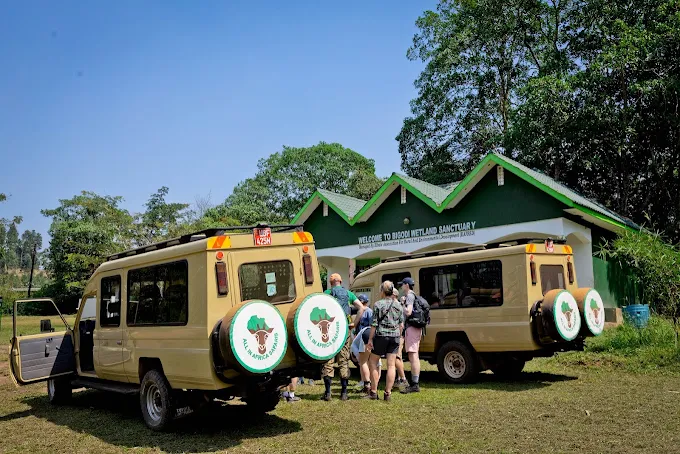
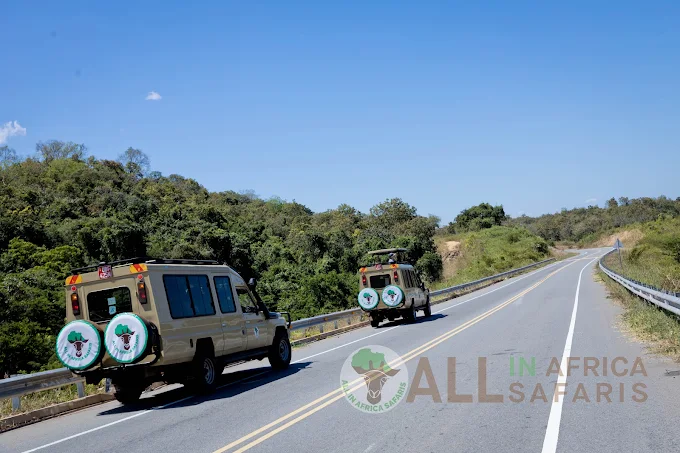
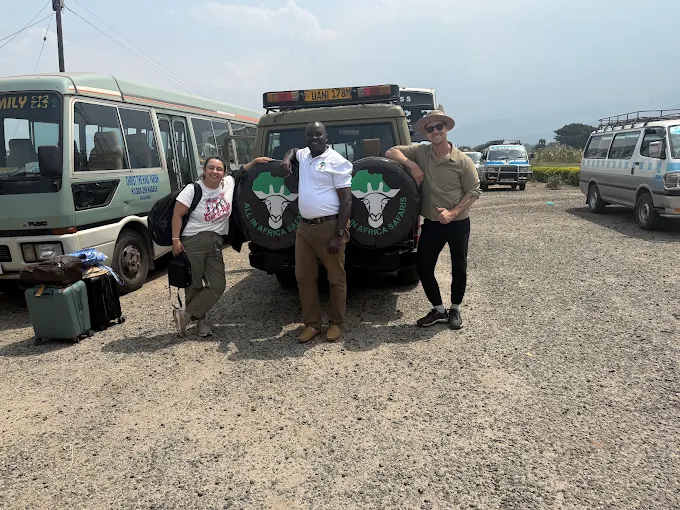
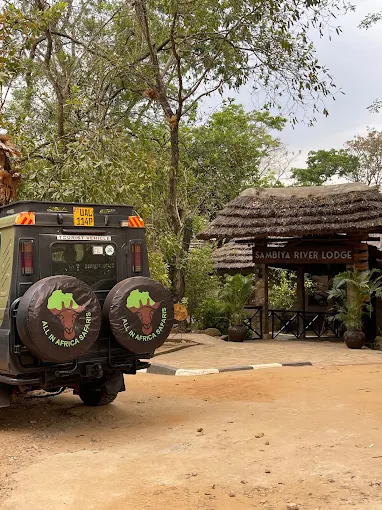
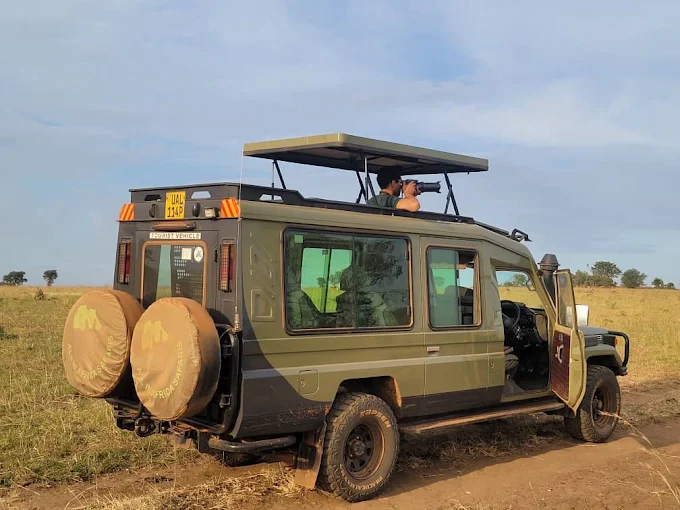
Our Green Spot Campaign
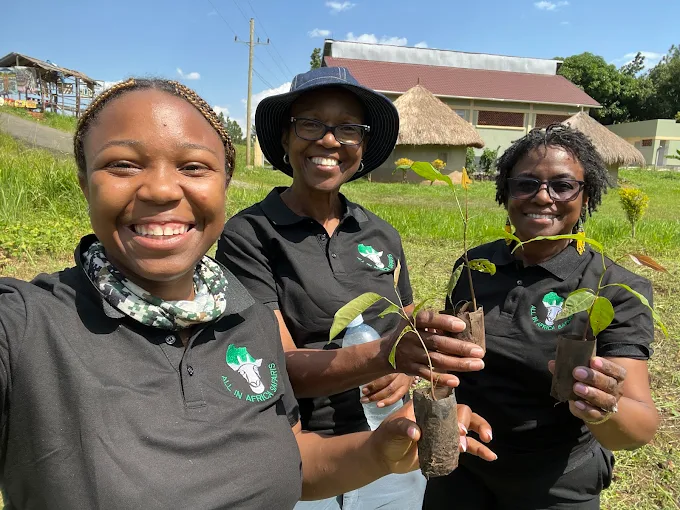
Every safari with us supports our Green Spot Campaign — planting trees across Uganda’s communities. Learn more & get involved →
All in Africa Safaris arranges tours to Uganda, Rwanda, Kenya and Tanzania
3 Days Murchison Falls Safari
Discover the Wildlife in the Murchison Falls National Park with engagement with a boat cruise and game drives which lead to a nature walk on top of the falls
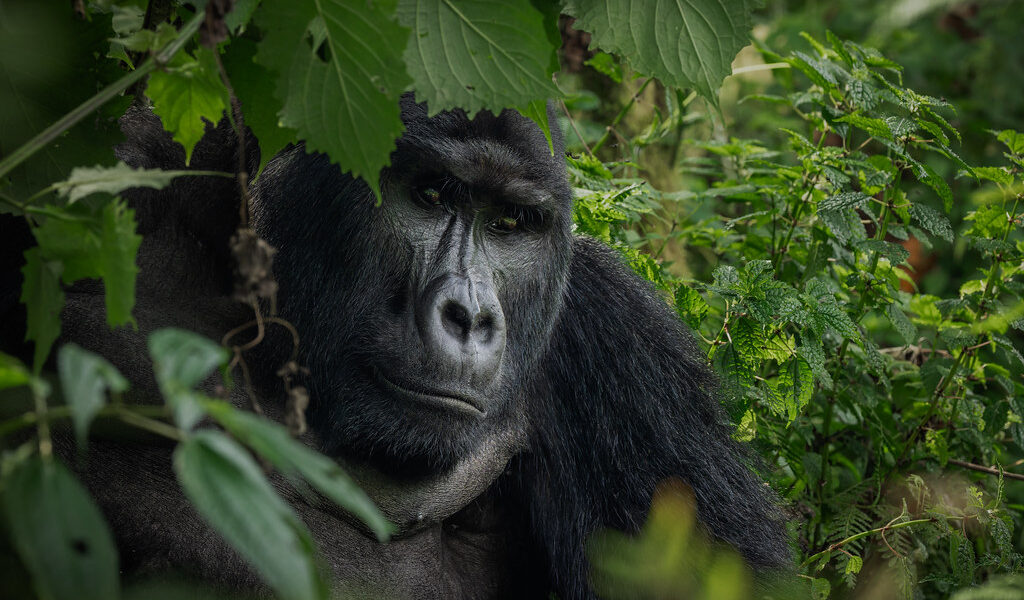
4 Days Gorillas & Queen Wildlife
Visit the magical national parks of Uganda known as Bwindi Forest and Queen Elizabeth National Park including gorilla trekking and wildlife views for travelers
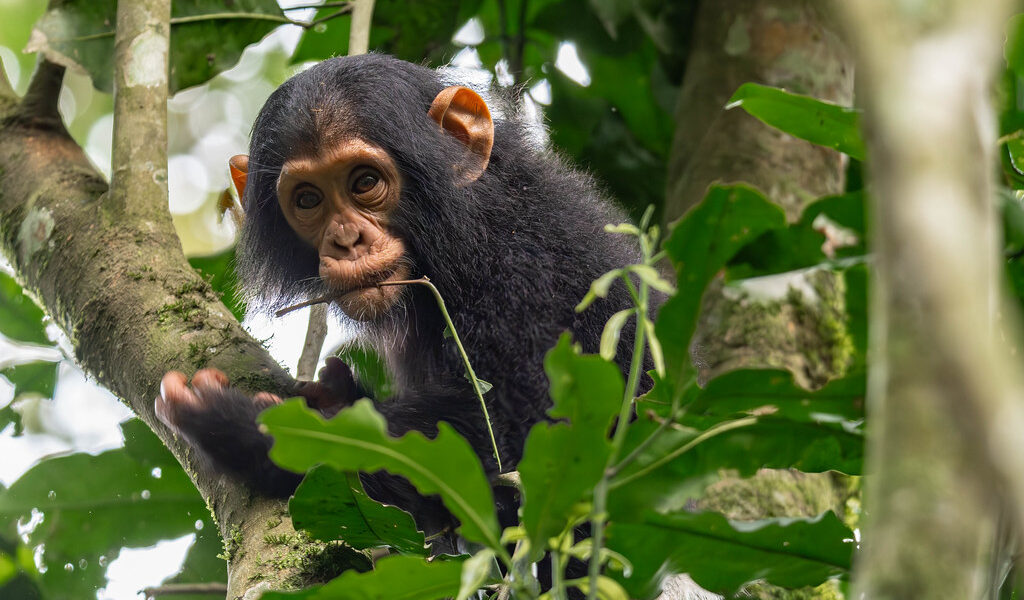
5 Days Gorillas & Chimps Track
Explore the great Mgahinga National Park conserving and protecting the endangered Mountain gorillas & chimpanzees in the pearl of Africa
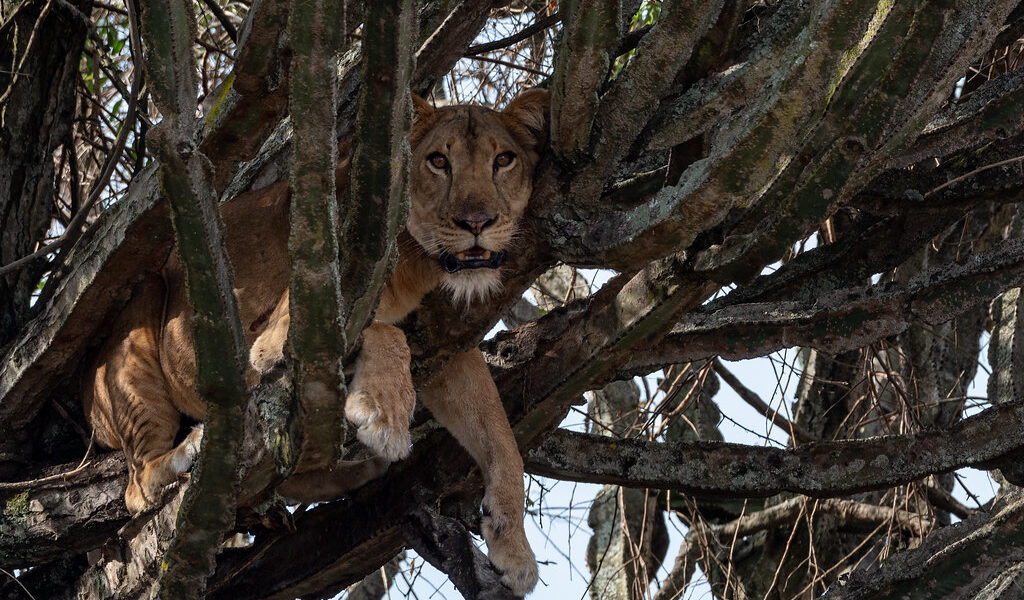
6 Days Uganda Safari
Visit the magical national parks of Uganda known as Bwindi Forest and Queen Elizabeth National Park which include the gorilla trekking and wildlife views
1 Day Bwindi Gorilla Tour from Kigali
A fast-paced day trip from Kigali into Bwindi Impenetrable Forest for a single unforgettable hour with a mountain gorilla family
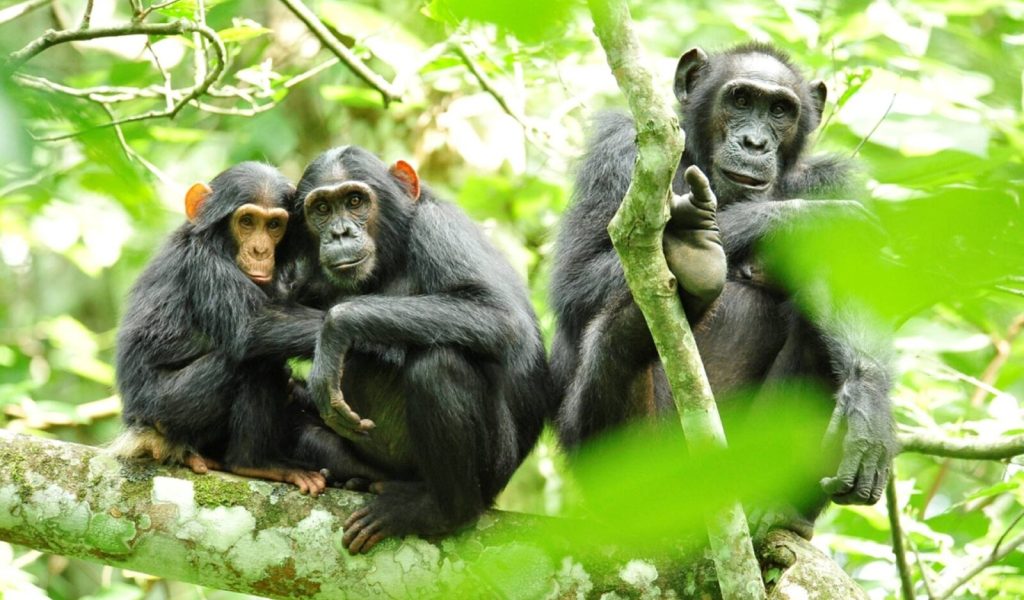
3 Days Chimpanzee Tracking in Kibale
Track chimpanzees through Africa’s primate capital, Kibale Forest, alongside a community walk through Bigodi Wetland Sanctuary
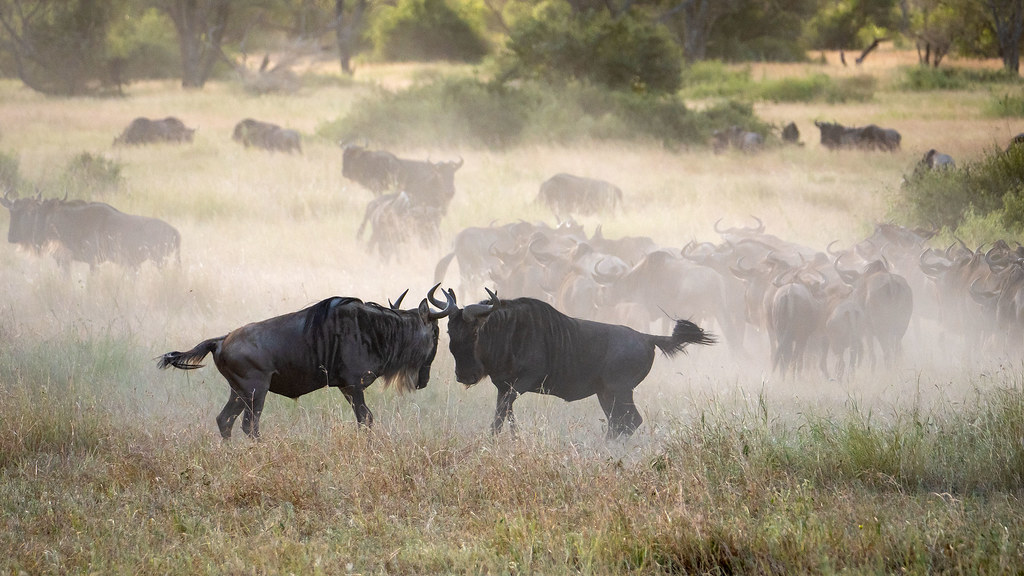
4 Days Kidepo Valley Wildlife Safari
Venture into Uganda’s most remote wilderness for cheetahs, ostriches and dramatic mountain scenery few visitors ever see
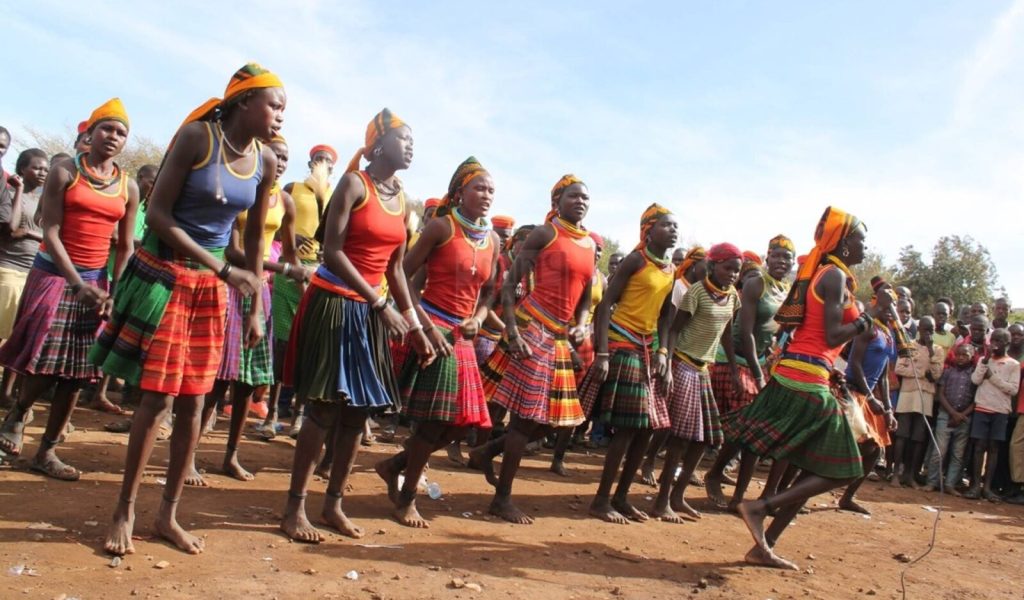
7 Day Kidepo and Sipi Safari
Combine Kidepo Valley’s wild plains with waterfall hikes and coffee tours in the Sipi Falls region
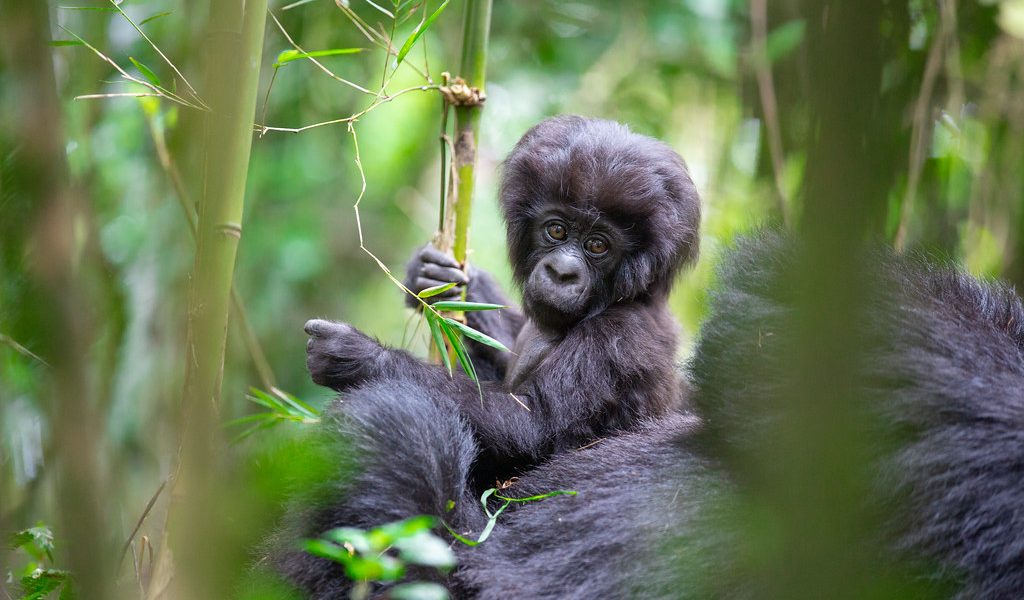
10 Days Rwanda Uganda Safari
A complete circuit through Volcanoes, Bwindi, Queen Elizabeth and Kibale for gorillas, chimps and classic wildlife
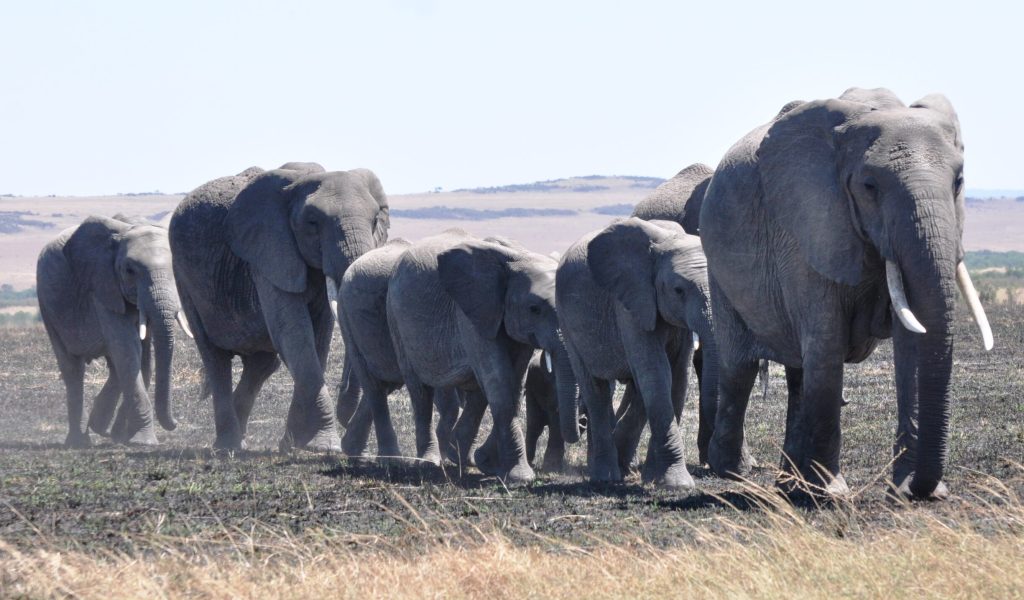
12 Days Uganda Leisure Holidays
An unhurried two-week journey through Murchison Falls, Kibale, Queen Elizabeth, Bwindi and Lake Mburo
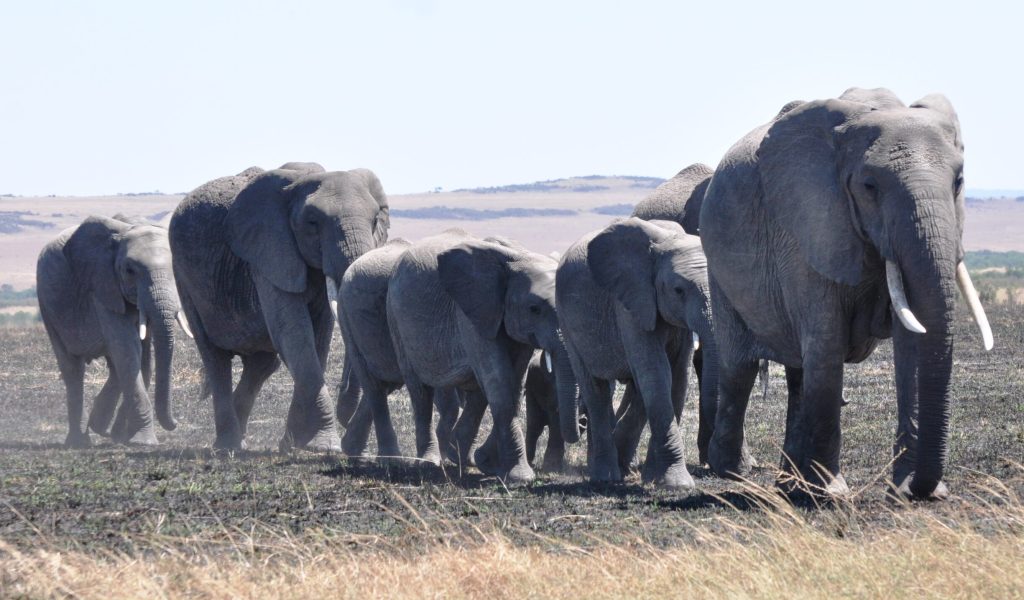
14 Days Uganda Northern Circuit
Explore Kidepo Valley, Murchison Falls and Sipi Falls on this off-the-beaten-path northern adventure
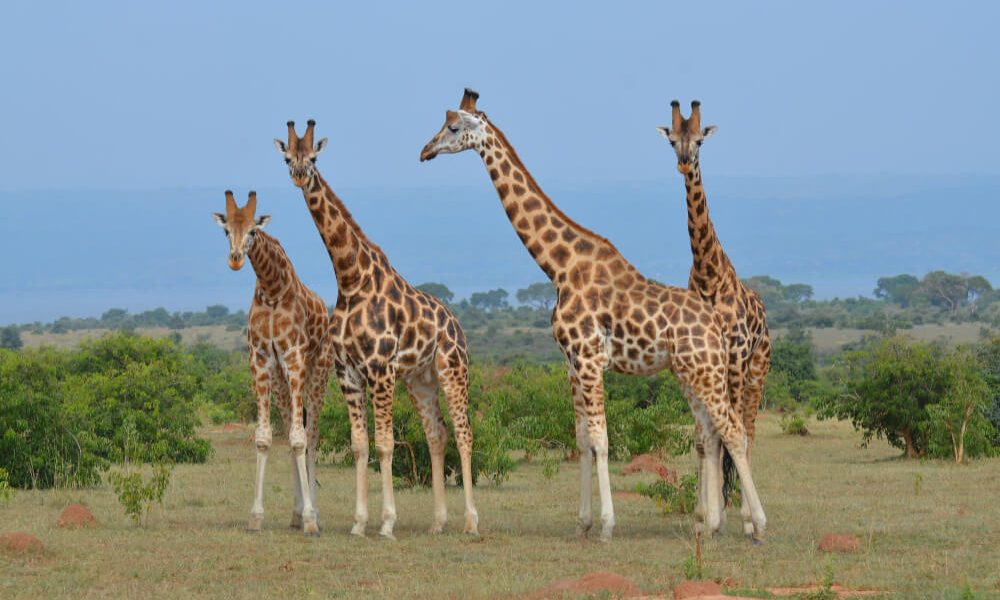
15 Days Uganda Safari
Uganda’s full highlight reel across two relaxed weeks of gorillas, chimps, wildlife and scenic countryside