
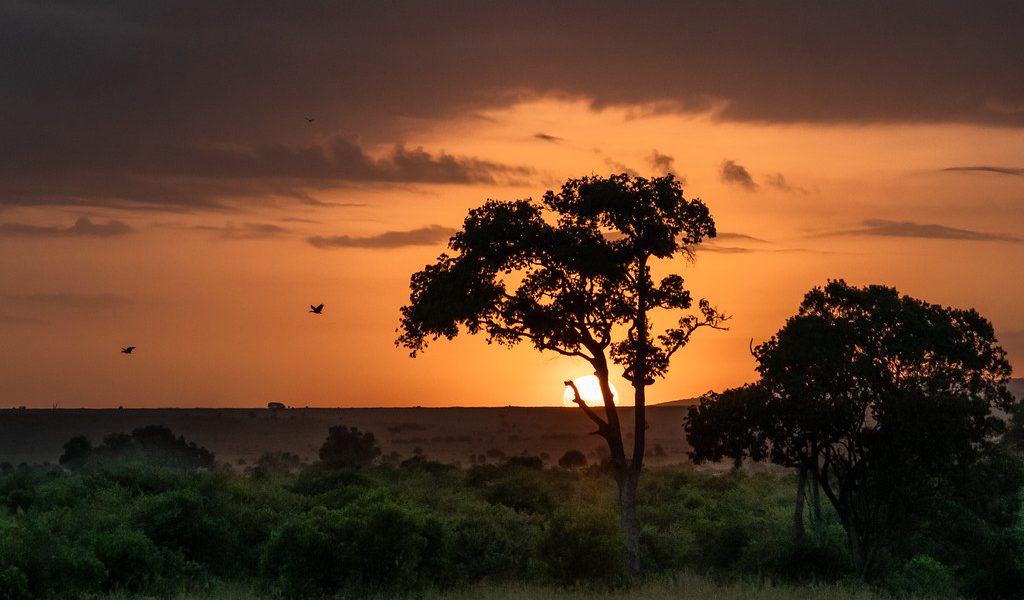
20 Days Big Five, Gishwati Chimpanzees, Lake Bunyonyi Canoeing, Bwindi Gorillas and Kibale Chimpanzees Syzygium cordatum Tree-Planting Safari from Kigali to Entebbe
Overview
This 20-day East African safari combines Rwanda’s savannah wildlife and montane forests with Uganda’s lakes, mountain gorillas, chimpanzees and community conservation experiences. Starting in Kigali and ending in Entebbe, the journey takes you through Akagera National Park, Gishwati-Mukura National Park, Lake Bunyonyi, Bwindi Impenetrable National Park and Kibale National Park.
The experience begins in Akagera National Park, Rwanda’s leading Big Five safari destination. You will explore its savannah plains, woodland, lakes and wetlands on guided game drives and a boat excursion. The park supports lions, elephants, leopards, buffaloes, rhinos, giraffes, zebras, antelopes and numerous bird species.
From Akagera, travel to Gishwati-Mukura National Park for a forest experience focused on chimpanzees, biodiversity and conservation. You will explore the forest with local guides and participate in the GreenSpot tree-planting programme at suitable community or restoration sites.
The journey continues through Kigali to southwestern Uganda, where Lake Bunyonyi provides time to enjoy canoeing, island scenery and community experiences. You then enter Bwindi Impenetrable National Park for the opportunity to encounter endangered mountain gorillas in their natural habitat.
Your final major wildlife destination is Kibale National Park, one of Africa’s best-known chimpanzee trekking destinations. Here, you will explore tropical forest, observe chimpanzees and discover the wildlife and community conservation initiatives around the park before travelling to Entebbe.
Throughout the safari, the GreenSpot programme introduces you to indigenous and locally suitable tree species from Rwanda and Uganda. You will participate in planting activities at selected community, school, farm or restoration sites, learn about the ecological value of different trees and meet people involved in local conservation.
This immersive journey is designed for travellers who want an extended wildlife holiday with meaningful forest, lake, cultural and conservation experiences.
Safari Highlights
- Explore Akagera National Park in search of the Big Five: lion, leopard, elephant, buffalo and rhinoceros.
- Enjoy guided game drives across Akagera's savannah, woodland and wetland habitats.
- Participate in GreenSpot tree planting in suitable community and restoration sites in Rwanda and Uganda.
- Visit local communities and learn about traditional livelihoods and conservation.
- Trek wild chimpanzees in Kibale National Park.
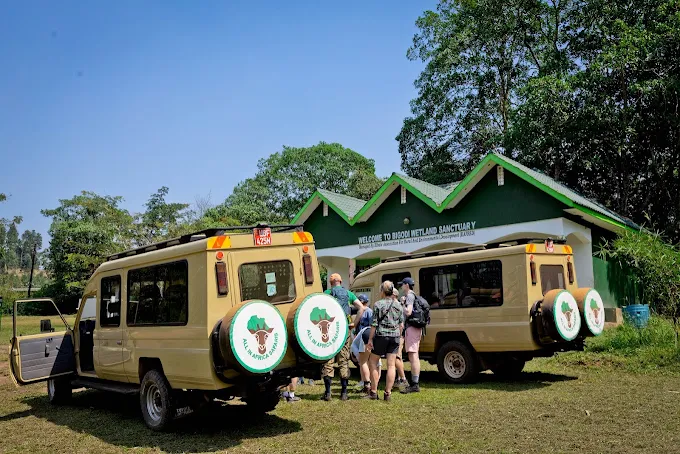
- Explore Bigodi Wetland Sanctuary and its rich birdlife and primate populations.
- Learn about indigenous trees, forest restoration, agroforestry and sustainable community planting.
Tree species featured in the planting programme
The GreenSpot programme includes 18 tree species with different ecological, cultural and economic values. The planting activities will take place at agreed community, school, farm or restoration sites in Rwanda and Uganda.
Species selection will depend on the ecological conditions of each site. Native forest trees will be prioritised in appropriate forest restoration areas, while savannah trees will be planted in suitable open woodland and grassland landscapes. Introduced species will only be considered in managed agroforestry or other appropriate landscapes, not in sensitive natural habitats.
Syzygium cordatum – Water berry
Main uses: Water berry is an indigenous African tree commonly found in moist habitats and along rivers and wetlands. Its fruits are eaten by birds and other wildlife. It also provides shade and has traditional medicinal and household uses.
Why plant it? The species contributes to wetland and riverine habitat restoration, supports wildlife and can help strengthen vegetation along suitable watercourses. Planting it in appropriate sites supports biodiversity and protects fragile wetland environments.
Planted at: Suitable community and restoration sites around Akagera, Gishwati, Lake Bunyonyi and other appropriate locations.
Markhamia lutea – Nile tulip tree
Main uses: This indigenous East African tree produces attractive yellow flowers and provides shade. Its timber is used for light construction and household purposes. Its flowers also attract insects and contribute to local biodiversity.
Why plant it? The Nile tulip tree is suitable for community greening, farm planting and restoration in appropriate landscapes. It provides shade, supports pollinators and contributes to the diversity of indigenous trees.
Planted at: Community farms, schools and suitable restoration sites in Rwanda and Uganda.
Ficus thonningii – Common wild fig
Main uses: This indigenous fig tree produces fruits that provide food for birds, monkeys and other wildlife. Its broad canopy offers shade, while its branches and foliage provide habitat for numerous organisms.
Why plant it? Wild figs are valuable components of African ecosystems. They support wildlife throughout the year and contribute to habitat restoration, especially where fruiting trees are important food sources for birds and primates.
Planted at: Suitable community landscapes, farms and restoration areas near the safari destinations.
Erythrina abyssinica – Red-hot-poker tree
Main uses: This indigenous tree produces striking red flowers that attract nectar-feeding birds and insects. It provides shade and has traditional medicinal and cultural uses. Its wood is relatively soft and has been used for light household purposes.
Why plant it? The tree supports pollinators and adds diversity to community landscapes and suitable woodland restoration sites. Its flowers provide seasonal food for birds, while its canopy offers shade.
Planted at: Community farms, schools and appropriate woodland restoration sites.
Ficus sycomorus – Sycamore fig
Main uses: Sycamore fig is a large tree that produces fruits eaten by birds, monkeys and other wildlife. Its spreading crown provides shade, and its presence contributes to riverine and savannah woodland habitats.
Why plant it? The species is valuable for wildlife because its fruits provide food for many animals. It can also improve shade and habitat structure in suitable landscapes, particularly near watercourses and established woodland.
Planted at: Appropriate community and riverine restoration sites, particularly in suitable savannah landscapes.
Vachellia sieberiana – Paperbark acacia
Main uses: Paperbark acacia is a savannah tree that provides shade, browse and habitat for wildlife. Its flowers attract insects, and its presence contributes to the structure of open woodland and grassland ecosystems.
Why plant it? It is suited to many savannah environments and can support biodiversity, provide shade for livestock and wildlife, and contribute to the restoration of suitable degraded landscapes.
Planted at: Suitable savannah and community restoration sites around Akagera and other appropriate locations.
Combretum molle – Velvet bushwillow
Main uses: Velvet bushwillow is a native African woodland and savannah tree. It provides shade and habitat for wildlife, while its wood has traditional uses, including fuelwood and small-scale construction.
Why plant it? It contributes to natural woodland structure and can support the restoration of degraded savannah habitats. It is suitable for planting where local vegetation and soil conditions support its growth.
Planted at: Appropriate savannah and woodland restoration sites in Rwanda and Uganda.
Cordia africana – Sudan teak
Main uses: Cordia africana is valued for its attractive timber, which is used in furniture, cabinetry and joinery. It provides shade and contributes to farm forestry and traditional agroforestry systems.
Why plant it? This indigenous tree can provide long-term economic and environmental benefits. It supports farm forestry, improves shade and contributes to the conservation of useful native trees.
Planted at: Community farms, agroforestry sites and suitable restoration areas.
Macaranga kilimandscharica – Macaranga
Main uses: This African forest tree is associated with forest regeneration and disturbed forest environments. Its foliage contributes to forest structure, while its presence provides habitat and resources for insects and other organisms.
Why plant it? Macaranga species can play an important role in the recovery of forest vegetation. Planting it in suitable forest restoration sites supports native plant diversity and the regeneration of disturbed areas.
Planted at: Suitable forest restoration and community sites around Gishwati and other appropriate forest landscapes.
Polyscias fulva – Parasol tree
Main uses: Polyscias fulva is a tall African forest tree with a distinctive spreading crown. Its wood has traditional uses, and the tree contributes to forest structure and habitat for wildlife.
Why plant it? It is valuable in appropriate montane forest restoration projects. Planting this indigenous species supports forest diversity, canopy development and the recovery of native vegetation.
Planted at: Suitable forest restoration sites around Gishwati, Bwindi and other appropriate montane forest landscapes.
Newtonia buchananii – Newtonia
Main uses: Newtonia buchananii is a large African forest tree valued for its timber and ecological contribution. Its canopy forms part of mature forest structure and provides habitat for forest wildlife.
Why plant it? Mature forest trees are important for maintaining healthy forest ecosystems. Planting Newtonia in suitable restoration areas supports native forest composition and long-term habitat recovery.
Planted at: Appropriate forest restoration sites in Gishwati and other suitable forest landscapes.
Prunus africana – African cherry
Main uses: African cherry is valued for its bark, which is used in regulated herbal preparations for prostate health. Its timber is durable, and its fruits provide food for birds and primates.
Why plant it? Over-harvesting and habitat loss have placed pressure on this important African forest tree. It is listed as Vulnerable on the IUCN Red List and is included in CITES Appendix II. Planting it supports conservation, forest restoration and the potential for future community income through sustainable management.
Planted at: Musanze, Gishwati, Kibale, Rwenzori, Bwindi, Mgahinga-Kisoro and Lake Bunyonyi, subject to site suitability and local planting arrangements.
Milicia excelsa – Mvule
Main uses: Mvule is a highly valued indigenous timber tree used in furniture, construction, doors and joinery. Its broad canopy provides shade, while its fruits support birds and other wildlife.
Why plant it? Mvule has faced pressure from commercial harvesting and habitat loss. Planting it supports the recovery of indigenous tree populations, improves biodiversity and provides a long-term resource for future generations.
Planted at: Suitable community forestry and restoration sites in Uganda and Rwanda where local conditions support its growth.
Albizia coriaria – Musizi
Main uses: Musizi is a large indigenous tree that provides shade, contributes organic matter through its fallen leaves and offers habitat for wildlife. Its wood has traditional uses.
Why plant it? It contributes to native woodland restoration, soil protection and biodiversity. Its broad crown makes it useful in suitable community landscapes and agroforestry systems.
Planted at: Community farms, schools and appropriate restoration sites in Uganda and Rwanda.
Ficus natalensis – Mutuba
Main uses: Mutuba is culturally important in Uganda for the production of traditional barkcloth. Its fruits provide food for birds and other wildlife, while mature trees offer shade and habitat.
Why plant it? Planting Mutuba supports traditional cultural practices, wildlife and the conservation of indigenous trees. It also provides opportunities for community-based agroforestry.
Planted at: Suitable community farms, cultural landscapes and agroforestry sites, particularly in Uganda.
Chrysophyllum albidum – African star apple
Main uses: African star apple produces edible fruits valued as food. The tree has traditional medicinal uses, and its timber can be used for various household purposes. Its fruits also attract wildlife.
Why plant it? It offers potential food and livelihood benefits while contributing to tree diversity. Planting it in suitable community landscapes can support household food production and agroforestry.
Planted at: Suitable community farms and agroforestry sites where local climatic and soil conditions are appropriate.
Grevillea robusta – Silver oak
Main uses: Silver oak is an introduced Australian tree widely planted in East African farms and agroforestry systems. It provides timber, shade and wind protection and can be used in boundary planting.
Why plant it? In managed farm landscapes, it can provide useful timber and shade while reducing pressure on some natural forest resources. It should not be planted in sensitive natural forests, wetlands or areas where it could displace indigenous vegetation.
Planted at: Selected managed farms, boundary planting sites and agroforestry landscapes, subject to local environmental assessment.
Alnus acuminata – Andean alder
Main uses: Andean alder is a fast-growing tree native to Central and South America. It is valued in managed forestry and agroforestry for timber, soil improvement and its ability to associate with nitrogen-fixing bacteria.
Why plant it? In suitable managed landscapes, it can contribute to soil improvement and provide a source of timber. Because it is not native to East Africa, its use should be carefully assessed and restricted to appropriate managed sites rather than natural forests or sensitive habitats.
Planted at: Selected managed agroforestry or forestry sites only, following local ecological assessment and approval.
Detailed Itinerary
Day 1: Arrival in Kigali, Rwanda
Arrive at Kigali International Airport, where you will meet your safari representative and driver-guide. After a welcome briefing, transfer to your hotel in Kigali.
Depending on your arrival time, you may have an opportunity to explore part of the city, visit a local market or enjoy a relaxed evening at the hotel.
If you arrive early, you can arrange an optional visit to the Kigali Genocide Memorial to learn about Rwanda’s history and the country’s journey towards recovery and reconciliation. Allow sufficient time for this visit and follow the memorial’s visitor guidance.
Your guide will explain the safari route, border-crossing arrangements, planned wildlife activities and GreenSpot tree-planting programme.
Accommodation: Hotel in Kigali.
Meals: Dinner, depending on arrival time.
Day 2: Kigali to Akagera National Park
After breakfast, depart Kigali for Akagera National Park in eastern Rwanda. The drive takes you through rural communities, agricultural landscapes and rolling hills before reaching the park.
Arrive at your lodge and check in. After lunch, depending on your arrival time, enjoy an afternoon game drive in the park.
Akagera contains open grasslands, woodland, lakes and wetlands. Your guide will help you search for elephants, giraffes, zebras, buffaloes, antelopes and other wildlife. Lions and leopards are also present, although sightings depend on animal movements and conditions.
Return to the lodge in the evening for dinner and overnight accommodation.
Accommodation: Lodge or safari camp near Akagera National Park.
Meals: Breakfast, lunch and dinner.
Day 3: Full-day Big Five safari in Akagera National Park
Start early with breakfast before heading out for a guided game drive. The early morning offers favourable opportunities to observe wildlife as animals move through the savannah and woodland in search of food and water.
Explore different sections of the park while looking for elephants, buffaloes, giraffes, zebras, impalas, topis, waterbucks and other antelopes. Your guide will also search for lions and leopards.
Akagera is Rwanda’s Big Five destination, with populations of lion, leopard, elephant, buffalo and rhinoceros. Seeing all five during a single visit is never guaranteed, but the park offers opportunities to search for each species.
Enjoy a picnic lunch or return to the lodge, depending on the day’s route. Continue with wildlife viewing in the afternoon before returning to your accommodation.
Accommodation: Lodge or safari camp near Akagera National Park.
Meals: Breakfast, lunch and dinner.
Day 4: Lake Ihema boat cruise and Akagera tree-planting experience
After breakfast, enjoy a morning boat excursion on Lake Ihema. The lake and its surrounding wetlands support hippos, crocodiles and a variety of waterbirds. Watch for African fish eagles, herons, egrets, kingfishers and other wetland species.
Return to the lodge for lunch and a short rest. In the afternoon, participate in a GreenSpot tree-planting activity at an agreed community or restoration site near Akagera.
The planting programme may feature suitable species such as Syzygium cordatum, Markhamia lutea, Ficus thonningii, Erythrina abyssinica, Ficus sycomorus, Vachellia sieberiana and Combretum molle. The final selection will depend on the site’s soil, water availability and ecological conditions.
Work with local participants to plant seedlings and learn how native trees support wildlife, protect soil, provide shade and contribute to community livelihoods. You will also learn about seedling protection and the importance of monitoring trees after planting.
Return to your lodge for dinner.
Accommodation: Lodge or safari camp near Akagera National Park.
Meals: Breakfast, lunch and dinner.
Day 5: Akagera to Gishwati-Mukura National Park
Enjoy breakfast before checking out and beginning the journey towards Gishwati-Mukura National Park. The route takes you back through the Kigali area and onwards towards western Rwanda.
This is a substantial transfer, so allow time for refreshments and lunch along the way. Your guide will manage the journey according to road conditions and the location of your accommodation.
Gishwati-Mukura is a protected forest landscape known for its montane forest vegetation, chimpanzees and other primates. The surrounding communities are important partners in conservation and restoration activities.
Arrive at your lodge, check in and relax. Your guide will brief you about the next day’s forest activities and the rules for observing chimpanzees.
Accommodation: Lodge or guesthouse near Gishwati-Mukura National Park.
Meals: Breakfast, lunch and dinner.
Day 6: Chimpanzee trekking in Gishwati Forest
After an early breakfast, travel to the designated forest entry point for your guided chimpanzee trekking experience.
Gishwati Forest provides habitat for chimpanzees and other primates, as well as forest birds and many plant species. Meet the local guides and receive a briefing before entering the forest.
The trek takes you along forest trails through dense vegetation, uneven ground and sections of sloping terrain. Your guide will help locate chimpanzees by following signs of their movements and listening for calls.
Once the chimpanzees are located, observe their behaviour under the supervision of the guides. You may see them feeding, grooming, resting, communicating or moving through the forest canopy. Keep the required distance, avoid sudden movements and follow all conservation instructions.
After the trek, return to your lodge for lunch and relaxation. Depending on the timing of the trek and available arrangements, you may enjoy a short community visit in the afternoon.
Accommodation: Lodge or guesthouse near Gishwati-Mukura National Park.
Meals: Breakfast, lunch and dinner.
Day 7: Gishwati forest conservation and tree planting
After breakfast, take part in a guided forest and conservation experience around Gishwati. Learn about the importance of montane forest ecosystems, the pressures affecting forest habitats and the work being undertaken with surrounding communities.
The area supports forest vegetation that provides food and shelter for chimpanzees, monkeys, birds and other wildlife. Your guide will explain how forest restoration can improve habitat connectivity and protect biodiversity.
Later, participate in a GreenSpot tree-planting activity at an agreed community or restoration site. Species may include Macaranga kilimandscharica, Polyscias fulva, Newtonia buchananii, Prunus africana, Milicia excelsa, Markhamia lutea and other suitable indigenous trees.
The local planting team will explain how to select suitable planting locations, prepare planting holes and protect seedlings. You will also learn why species selection matters, particularly when restoring montane forest habitats.
Return to your accommodation in the afternoon. Enjoy the evening at leisure.
Accommodation: Lodge or guesthouse near Gishwati-Mukura National Park.
Meals: Breakfast, lunch and dinner.
Day 8: Gishwati to Kigali
Enjoy breakfast before checking out and returning to Kigali. The journey takes you through Rwanda’s western and central landscapes, with views of cultivated hills, rural settlements and local markets.
Stop for lunch along the way and arrive in Kigali during the afternoon. Depending on your arrival time, you may visit a craft market or explore part of the city.
This overnight stop provides time to rest before crossing into Uganda the following day.
Accommodation: Hotel in Kigali.
Meals: Breakfast, lunch and dinner.
Day 9: Kigali to Lake Bunyonyi, Uganda
After breakfast, depart Kigali for southwestern Uganda. Travel towards the Cyanika or Katuna border crossing, depending on the route and road conditions. Complete the immigration and customs formalities before continuing to Lake Bunyonyi.
Your guide will assist with the border-crossing arrangements. Carry your passport and any required travel documents, and confirm visa and entry requirements before departure.
Lake Bunyonyi is surrounded by terraced hills and dotted with islands. It is known for its scenic setting, quiet waters and opportunities for canoeing and community visits.
Arrive at your lodge overlooking the lake and check in. Enjoy lunch and spend the afternoon relaxing by the water. If time allows, take a short walk around the lodge or visit a nearby community.
Accommodation: Lodge near Lake Bunyonyi.
Meals: Breakfast, lunch and dinner.
Day 10: Lake Bunyonyi canoeing and community experience
After breakfast, enjoy a guided canoe excursion on Lake Bunyonyi. Travel across the calm waters while learning about the lake’s islands, surrounding communities and local history.
The canoe trip offers opportunities to observe waterbirds and enjoy views of the terraced hillsides. Depending on the selected route, you may stop at one of the islands or visit a community location.
You can learn about local farming, fishing and daily life around the lake. Your guide will explain the importance of the lake to surrounding communities and the need to protect its water quality and shoreline vegetation.
After lunch, enjoy free time to relax, swim where permitted or explore the surrounding area. You may also arrange an optional guided walk or birdwatching activity.
Accommodation: Lodge near Lake Bunyonyi.
Meals: Breakfast, lunch and dinner.
Day 11: Lake Bunyonyi to Bwindi Impenetrable National Park
Enjoy breakfast before checking out and travelling towards Bwindi Impenetrable National Park. The journey takes you through the highlands of southwestern Uganda, passing cultivated slopes, rural settlements and forested hills.
Bwindi is a UNESCO World Heritage Site and one of the most important habitats for endangered mountain gorillas. The park also supports forest elephants, monkeys, duikers, forest birds and a rich variety of plants.
Your accommodation will be selected according to the gorilla trekking sector confirmed for your permit. Bwindi has several trekking sectors, including Buhoma, Ruhija, Rushaga and Nkuringo. Staying near the assigned sector helps reduce early morning travel.
Arrive at your lodge, enjoy lunch and relax. Your guide will explain the gorilla trekking arrangements, required equipment and conservation rules.
Accommodation: Lodge near the confirmed Bwindi gorilla trekking sector.
Meals: Breakfast, lunch and dinner.
Day 12: Mountain gorilla trekking in Bwindi
Wake up early and enjoy breakfast before travelling to the park headquarters for your gorilla trekking briefing.
Rangers will assign visitors to a habituated gorilla family and explain the trekking rules. Groups are limited to eight visitors per habituated gorilla family, and visitors must follow the ranger’s instructions throughout the experience.
The trek takes you through dense rainforest, steep slopes and sometimes muddy trails. The time required to locate the gorillas varies according to their movements. Some treks are relatively short, while others involve several hours of walking.
When you find the gorillas, you will spend a strictly limited one hour observing them. You may see members of the family feeding, grooming, resting, playing or moving through the forest. Maintain the required distance and avoid touching or feeding the gorillas.
After the encounter, return to the park headquarters and receive your trekking certificate where provided. Travel back to your lodge for lunch and relaxation.
Accommodation: Lodge near the confirmed Bwindi gorilla trekking sector.
Meals: Breakfast, lunch and dinner.
Day 13: Bwindi community experience and tree planting
After breakfast, enjoy a community-based experience near Bwindi. Depending on the location, you may visit a local cultural group, learn about traditional crafts, explore community farming activities or meet people involved in tourism and conservation.
The experience provides an opportunity to understand how communities living around the forest depend on agriculture, local enterprises and tourism. Your guide will explain how community participation contributes to protecting gorilla habitats and reducing pressure on forest resources.
Later, participate in a GreenSpot tree-planting activity at an agreed community, school, farm or restoration site. Suitable species may include Prunus africana, Polyscias fulva, Milicia excelsa, Albizia coriaria, Ficus natalensis, Markhamia lutea and other locally appropriate trees.
Learn about the value of indigenous trees in forest restoration, wildlife habitat protection, soil conservation and community livelihoods. Local participants will explain how planted seedlings are protected and monitored after the activity.
Return to your lodge for dinner and overnight accommodation.
Accommodation: Lodge near the confirmed Bwindi gorilla trekking sector.
Meals: Breakfast, lunch and dinner.
Day 14: Bwindi to Kibale National Park
After breakfast, check out and begin the journey to Kibale National Park in western Uganda. This is a long transfer through the highlands and agricultural landscapes of southwestern and western Uganda.
Stop for lunch along the way and enjoy views of rural communities, tea plantations and rolling countryside as you approach the Kibale area.
Kibale National Park is one of Uganda’s most important tropical forests and is well known for its chimpanzee population. The forest also supports several monkey species, forest elephants, birds and other wildlife.
Arrive at your lodge near the park and check in. Your guide will brief you about the following day’s chimpanzee trekking experience.
Accommodation: Lodge near Kibale National Park.
Meals: Breakfast, lunch and dinner.
Day 15: Chimpanzee trekking in Kibale National Park
After an early breakfast, travel to the park headquarters for your chimpanzee trekking briefing.
Kibale is one of Africa’s leading destinations for observing wild chimpanzees. The forest contains a network of trails through mature trees, thick undergrowth and areas of regenerating vegetation.
Join an experienced ranger-guide and enter the forest to search for a chimpanzee community. The trek may take different amounts of time depending on where the chimpanzees are located and how quickly they move.
Once you find them, observe their behaviour under the guidance of the ranger. You may see chimpanzees feeding, grooming, communicating, resting or travelling through the forest canopy. Other primates may also be encountered along the trails.
After the experience, return to the park headquarters and travel back to your lodge for lunch and relaxation.
In the afternoon, you may enjoy time at the lodge or arrange an optional visit to nearby community attractions.
Accommodation: Lodge near Kibale National Park.
Meals: Breakfast, lunch and dinner.
Day 16: Bigodi Wetland Sanctuary and community conservation
After breakfast, visit Bigodi Wetland Sanctuary, a community-managed conservation area near Kibale National Park. The wetland supports a rich variety of birds, monkeys, butterflies and other wildlife.
Take a guided walk along established trails and boardwalk sections where available. Your guide will help you look for species such as great blue turacos, hornbills, kingfishers, weavers, monkeys and other wetland and forest-edge wildlife.
The sanctuary is also an example of community involvement in conservation. Local people participate in tourism and habitat protection, with benefits supporting community initiatives.
After the walk, visit a nearby community project or cultural activity to learn about local livelihoods, farming and conservation work. Return to your lodge for lunch and an afternoon at leisure.
Accommodation: Lodge near Kibale National Park.
Meals: Breakfast, lunch and dinner.
Day 17: Kibale forest conservation and tree planting
Enjoy breakfast before taking part in a GreenSpot conservation activity around the Kibale landscape. Begin with a guided introduction to the forest ecosystem and the importance of maintaining habitat for chimpanzees, monkeys, forest birds and other wildlife.
Learn about the relationship between forest health, water catchments, soil protection and community livelihoods. Your local guide will explain the role of indigenous trees in maintaining forest structure and supporting biodiversity.
Later, participate in a tree-planting activity at an agreed community, school, farm or restoration site. Suitable species may include Milicia excelsa, Albizia coriaria, Ficus natalensis, Prunus africana, Chrysophyllum albidum and other locally appropriate trees.
Some species, such as Grevillea robusta and Alnus acuminata, may be considered only for suitable managed agroforestry sites after local environmental assessment. They should not be introduced into natural forest restoration areas.
Work alongside local participants to plant seedlings and learn about proper spacing, seedling care and long-term monitoring. The activity concludes with a discussion about how community planting can support conservation around Kibale.
Return to your lodge for dinner.
Accommodation: Lodge near Kibale National Park.
Meals: Breakfast, lunch and dinner.
Day 18: Kibale to Entebbe
After breakfast, check out and begin the journey to Entebbe. Travel through western and central Uganda, passing rural communities, farms and trading centres.
Depending on the route and road conditions, you may stop for lunch and refreshments along the way. Your guide will plan suitable breaks during the transfer.
Arrive in Entebbe in the afternoon or evening and check in at your hotel. The rest of the day is available for relaxation after the long journey.
Accommodation: Hotel in Entebbe.
Meals: Breakfast, lunch and dinner.
Day 19: Entebbe, botanical gardens and GreenSpot reflection
After breakfast, enjoy a relaxed day in Entebbe. You may visit the Entebbe Botanical Gardens for a guided walk among mature trees, lakeshore vegetation and bird habitats. The gardens provide opportunities to learn about plant diversity and observe birds, monkeys and other wildlife.
You may also visit local craft markets or enjoy time along the shores of Lake Victoria. Optional activities can be arranged according to your interests and available time.
Later, take part in a GreenSpot reflection session to review the tree-planting activities undertaken during the safari. Discuss the species planted, their ecological roles and the importance of monitoring seedling survival after planting.
This day also provides an opportunity to confirm your departure arrangements and prepare for your international flight.
Accommodation: Hotel in Entebbe.
Meals: Breakfast, lunch and dinner.
Day 20: Departure from Entebbe
Enjoy breakfast at your hotel, depending on your flight schedule. Check out and transfer to Entebbe International Airport for your onward journey.
Your driver will assist with luggage and airport arrangements. Allow sufficient time for check-in and immigration procedures.
This marks the end of your 20-day Big Five, chimpanzee, gorilla, lake and tree-planting safari through Rwanda and Uganda.
Accommodation: Not included.
Meals: Breakfast.
Optional activities
Kigali city tour: Visit selected cultural and historical attractions, local markets and craft centres.
Kigali Genocide Memorial: Learn about Rwanda’s history and the 1994 Genocide against the Tutsi through the memorial’s exhibits and educational resources.
Akagera night game drive: Explore the park after dark with an authorised guide to look for nocturnal wildlife.
Akagera additional boat excursion: Spend more time observing hippos, crocodiles and waterbirds on the park’s lakes.
Gishwati forest birdwatching: Arrange additional time with a local bird guide to search for forest specialists and other bird species.
Lake Bunyonyi guided walk: Explore surrounding hills and communities on foot with a local guide.
Lake Bunyonyi additional canoeing: Extend your canoe excursion or visit more of the lake’s islands.
Bwindi cultural experience: Visit a community project or take part in a guided cultural activity near your gorilla trekking sector.
Bwindi birdwatching: Arrange a specialised forest birding experience with a knowledgeable local guide.
Kibale chimpanzee habituation experience: Ask about the longer chimpanzee habituation activity if you want to spend additional time observing chimpanzees under the authorised programme. This requires separate arrangements and availability.
Crater lakes excursion: Explore the crater lakes around Fort Portal and enjoy views of the surrounding countryside.
Entebbe boat trip: Arrange a boat excursion on Lake Victoria or a visit to nearby islands, subject to weather and schedule.
Frequently asked questions
Is it possible to see the Big Five in Akagera?
Akagera National Park supports all five major safari animals: lion, leopard, elephant, buffalo and rhinoceros. Your guide will search for them during the game drives, but sightings cannot be guaranteed.
Can I trek chimpanzees in both Gishwati and Kibale?
Yes, the itinerary includes a chimpanzee trekking experience in Gishwati-Mukura National Park in Rwanda and another in Kibale National Park in Uganda. Each forest has different habitats and trekking conditions. Permits and activity arrangements must be confirmed for both destinations.
How difficult is mountain gorilla trekking in Bwindi?
The difficulty varies according to the gorilla family’s location. Some treks are relatively short, while others involve several hours of walking on steep, muddy and uneven forest trails. A reasonable level of fitness is recommended.
How many visitors are allowed to visit a gorilla family?
Uganda generally allows a maximum of eight visitors per habituated gorilla family per day. Visitors spend one hour observing the gorillas after locating them, following the rules provided by the park rangers.
What is the minimum age for gorilla trekking in Uganda?
The minimum age for gorilla trekking in Uganda is 15 years. The age requirement should be confirmed when booking permits, particularly for families travelling with children.
What is the minimum age for chimpanzee trekking?
Uganda generally sets the minimum age for chimpanzee trekking at 12 years. Rwanda’s requirements and the specific Gishwati programme rules should be confirmed before booking. Age restrictions can affect the participation of younger travellers.
Do I need separate permits for gorilla and chimpanzee trekking?
Yes. Gorilla trekking and chimpanzee trekking are separate activities with different permits or booking arrangements. This itinerary requires arrangements for gorilla trekking in Bwindi, chimpanzee trekking in Gishwati and chimpanzee trekking in Kibale.
Can I cross from Rwanda into Uganda during the safari?
Yes. The route includes an international road border crossing from Rwanda into Uganda. You must carry a valid passport and meet the visa and entry requirements applicable to your nationality. Check current requirements before travel.
Is Lake Bunyonyi safe for canoeing?
Canoeing is a popular activity on Lake Bunyonyi. Use an authorised local operator, follow safety instructions and wear a life jacket. Your guide will select a suitable route according to weather and lake conditions.
Where will the trees be planted?
Tree planting will take place at selected community, school, farm or restoration sites agreed with local partners. The activities are not planned inside protected national parks unless a specific authorised conservation programme permits them.
Will all 18 tree species be planted during the safari?
The programme features all 18 species, but the final selection at each location will depend on ecological suitability, seedling availability, landowner consent and local restoration plans. Some species are appropriate for forest restoration, while others belong in savannah or managed agroforestry landscapes.
Why are Grevillea robusta and Alnus acuminata treated differently?
Both species are introduced in East Africa. They may have uses in managed agroforestry or forestry, but they should not be planted indiscriminately in natural forest, wetlands or sensitive habitats. Site assessment is necessary before including them in a planting programme.
What type of accommodation is provided?
Accommodation will be arranged in selected lodges, safari camps and hotels near the planned activities. Options can range from comfortable mid-range properties to luxury lodges, depending on your budget and availability.
Is this itinerary suitable for birdwatchers?
Yes. Akagera’s wetlands, Gishwati’s montane forest, Lake Bunyonyi, Bwindi and Kibale all offer birdwatching opportunities. Bigodi Wetland Sanctuary is another excellent location for observing wetland and forest-edge birds. A specialised birding guide can be arranged if birdwatching is a major priority.
Big Five wildlife conservation in Akagera
Akagera National Park protects one of Rwanda’s most important savannah ecosystems. Its combination of grasslands, woodland, lakes and wetlands supports a wide variety of wildlife.
The park’s Big Five include lions, leopards, elephants, buffaloes and rhinoceroses. It also supports giraffes, zebras, hippos, crocodiles and numerous antelope species. The lakes and wetlands are important habitats for waterbirds and other wildlife.
Conservation and wildlife management have helped strengthen Akagera’s role as a major tourism destination. Responsible tourism contributes to the park’s long-term management and provides economic opportunities linked to wildlife protection.
The safari’s game drives and boat excursions offer different ways to observe the park’s habitats and wildlife. Visitors should remain inside the vehicle during game drives unless authorised guides instruct otherwise, avoid feeding animals and follow all park regulations.
Gishwati-Mukura forest conservation
Gishwati-Mukura National Park protects two forest areas in western Rwanda. These forests are important habitats for chimpanzees, monkeys, birds and other wildlife. Their vegetation also contributes to water catchment protection and the ecological health of the surrounding landscape.
Forest conservation depends on protecting remaining natural vegetation and restoring suitable degraded areas. Community participation is important because surrounding households interact with the landscape through farming, livestock keeping, resource use and local enterprises.
The GreenSpot programme complements this work by introducing suitable indigenous tree species at agreed community and restoration sites. Trees such as Macaranga kilimandscharica, Polyscias fulva, Newtonia buchananii and Prunus africana can contribute to appropriate forest restoration projects.
The long-term value of planting depends on careful site selection, seedling quality, protection and monitoring. Community participation helps ensure that planted trees receive attention after visitors have left.
Lake Bunyonyi and community experiences
Lake Bunyonyi is one of Uganda’s most scenic highland lakes. Its deep waters, terraced hills and numerous islands create an attractive setting for canoeing, photography, birdwatching and relaxation.
Canoeing provides an opportunity to explore the lake at a slower pace while learning about the surrounding communities. Local people depend on the landscape for farming, tourism and other livelihoods. Community visits can introduce travellers to traditional activities and the relationship between local livelihoods and the environment.
The lake’s shoreline vegetation is important for protecting water quality and supporting aquatic and terrestrial habitats. Community greening and careful land management can help reduce erosion and protect the surrounding landscape.
Bwindi gorilla conservation and community tourism
Bwindi Impenetrable National Park is one of the most important strongholds for mountain gorillas. Its dense montane forest also supports numerous other mammals, birds, butterflies and plant species.
Gorilla trekking is carefully managed to reduce disturbance and protect the health of the gorillas. Visitors must follow the rules provided by rangers, maintain the required distance and avoid visiting when unwell.
Communities surrounding Bwindi play an important role in conservation. Tourism creates employment for guides, porters, lodge workers, craft producers and other local service providers. Community projects also support education, livelihoods and conservation awareness.
GreenSpot tree planting can contribute to suitable community restoration and agroforestry projects around the forest. Species such as Prunus africana, Polyscias fulva, Milicia excelsa and other locally appropriate indigenous trees can support forest restoration when planted in the right locations.
Kibale chimpanzee conservation and biodiversity
Kibale National Park protects an extensive area of tropical forest in western Uganda. It is internationally recognised for its chimpanzees and supports several other primate species, forest elephants and a rich variety of birds.
Chimpanzee trekking provides an opportunity to observe these intelligent primates in their natural habitat. Visitors may see them feeding, grooming, communicating and moving through the forest canopy.
The nearby Bigodi Wetland Sanctuary demonstrates how community-led conservation can protect important habitats while supporting local livelihoods. Guided walks provide opportunities to observe birds, monkeys and wetland vegetation.
Protecting Kibale’s forest requires cooperation between park authorities and surrounding communities. Sustainable farming, responsible tourism, habitat protection and appropriate tree planting can all contribute to conservation.
GreenSpot immersive tree-planting programme
The GreenSpot programme is a central part of this 20-day safari. It gives travellers opportunities to take part in practical conservation activities while learning about the trees, landscapes and communities of Rwanda and Uganda.
The programme features indigenous forest trees, savannah species, fruit-bearing trees and useful agroforestry species. Each tree has different requirements and benefits. Selecting the right species for the right location is essential.
In Akagera, the planting focus can include appropriate savannah and woodland species. Around Gishwati, priority can be given to indigenous montane forest trees. Near Lake Bunyonyi and Bwindi, suitable native trees can support community forestry, agroforestry and restoration. Around Kibale, planting can focus on appropriate forest-edge and community sites.
Introduced species such as Grevillea robusta and Alnus acuminata require particular care. They may have a role in managed forestry and agroforestry, but should not be introduced into natural forest or sensitive habitats without proper ecological assessment and approval.
The programme also introduces participants to seedling care. Successful planting requires more than putting seedlings in the ground. Young trees need watering when necessary, protection from livestock, fire and weeds, and regular monitoring. Community participation is essential for improving survival rates.
Through these activities, travellers contribute time and practical support to local conservation initiatives while gaining a better understanding of East Africa’s trees and ecosystems.
Practical notes
International travel documents: Carry a valid passport and check the current entry requirements for Rwanda and Uganda before departure. Confirm whether your nationality requires separate visas or whether you qualify for a regional travel arrangement.
Gorilla permits: Bwindi gorilla permits are limited and should be secured well in advance. The permit must match your confirmed trekking sector and date.
Chimpanzee permits: Separate arrangements are required for Gishwati and Kibale. Confirm availability, fees, age restrictions and activity schedules before finalising the safari.
Border crossing: The itinerary crosses from Rwanda into Uganda. Allow time for immigration and customs procedures, and ensure your transport arrangements comply with cross-border requirements.
Gorilla trekking fitness: Bwindi trekking can involve steep slopes, muddy trails and several hours of walking. Regular walking and hill training before travel can help you prepare.
Chimpanzee trekking fitness: Gishwati and Kibale forest trails may be uneven, slippery or steep. Wear sturdy walking shoes and follow your guide’s instructions.
Age restrictions: Uganda’s minimum age for gorilla trekking is 15 years and the general minimum age for chimpanzee trekking is 12 years. Confirm the applicable rules for Gishwati before booking.
Accommodation: Lodge locations should match the planned activities. In Bwindi, accommodation must be selected according to the gorilla trekking sector confirmed on your permit.
Tree planting: Planting sites and species depend on landowner consent, local restoration plans, seasonal conditions and seedling availability. All planting should take place in appropriate locations and follow local environmental guidance.
What to pack: Bring comfortable safari clothing, sturdy hiking boots, long trousers, a waterproof jacket, a hat, sunscreen, insect repellent, binoculars, a camera and a reusable water bottle. Gorilla and chimpanzee trekking require clothing suitable for dense forest conditions.
Health precautions: Follow the latest health guidance for gorilla and chimpanzee trekking. Do not enter primate habitats when unwell, and follow the instructions of park staff.
Travel time: Several transfers are long, particularly Akagera to Gishwati, Bwindi to Kibale and Kibale to Entebbe. The itinerary includes full travel days to avoid rushing the main wildlife experiences.
Best booking period: Secure gorilla and chimpanzee permits, accommodation and cross-border transport well in advance, particularly during popular travel months.
Best time to visit Rwanda and Uganda
This safari can operate throughout the year, although weather conditions affect road travel, forest trekking, wildlife viewing and tree planting.
The drier periods generally occur from June to September and December to February. These months are popular for game drives in Akagera and trekking in Bwindi, Gishwati and Kibale. Forest trails can still be muddy, but rainfall is generally lower than during the wetter periods.
The wetter seasons usually occur around March to May and October to November. Forests become greener, landscapes are attractive and birdwatching can be rewarding. However, some trails and rural roads may become more difficult to navigate after heavy rainfall.
For tree planting, the most suitable timing depends on local rainfall patterns and the availability of healthy seedlings. Planting near the beginning of a reliable rainy period can give seedlings time to establish before drier conditions return. Local partners should confirm the best planting dates for each site.
For this extended safari, the best travel period is one that allows you to secure the required gorilla and chimpanzee permits, choose suitable accommodation and coordinate the GreenSpot planting activities with local communities. Advance planning is essential because the itinerary includes several protected areas and international border arrangements.
Tour Includes
- Travel in a 4×4 car
- Professional guide
- Park fees
- Accommodation
- Meals
- All Activities In Itinerary
Tour Excludes
- Alcoholic drinks
- Laundry
- Tips
- Shopping
- Insurance
- Anything not included per itinerary
Get Your Tailored 5 Days Rwanda Gorilla Trekking Hagenia abyssinica Tree-Planting Safari from Kigali to Musanze
Uganda Safari Photos
Our Green Spot Campaign
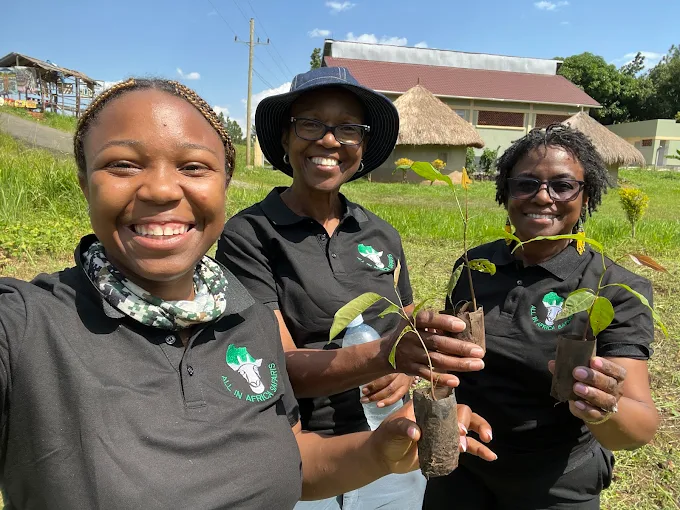
Every safari with us supports our Green Spot Campaign — planting trees across Uganda’s communities. Learn more & get involved →
All in Africa Safaris arranges tours to Uganda, Rwanda, Kenya and Tanzania
3 Days Murchison Falls Safari
Discover the Wildlife in the Murchison Falls National Park with engagement with a boat cruise and game drives which lead to a nature walk on top of the falls
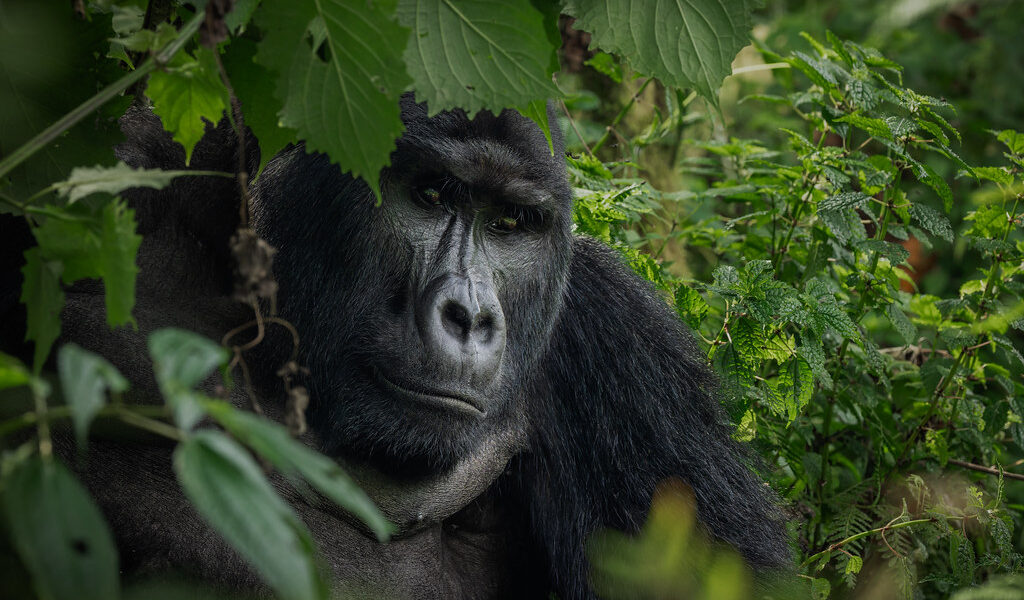
4 Days Gorillas & Queen Wildlife
Visit the magical national parks of Uganda known as Bwindi Forest and Queen Elizabeth National Park including gorilla trekking and wildlife views for travelers
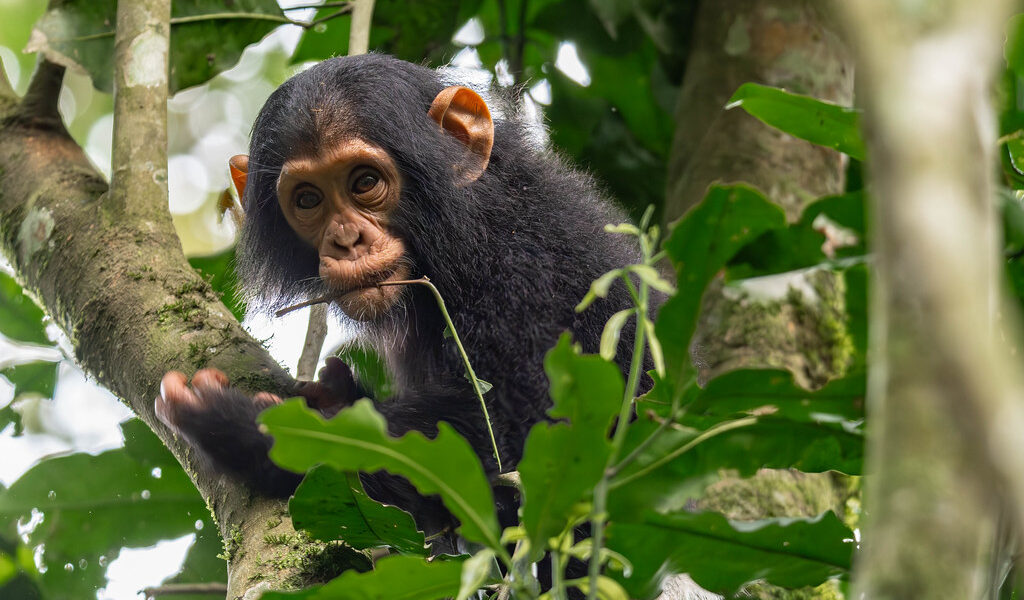
5 Days Gorillas & Chimps Track
Explore the great Mgahinga National Park conserving and protecting the endangered Mountain gorillas & chimpanzees in the pearl of Africa
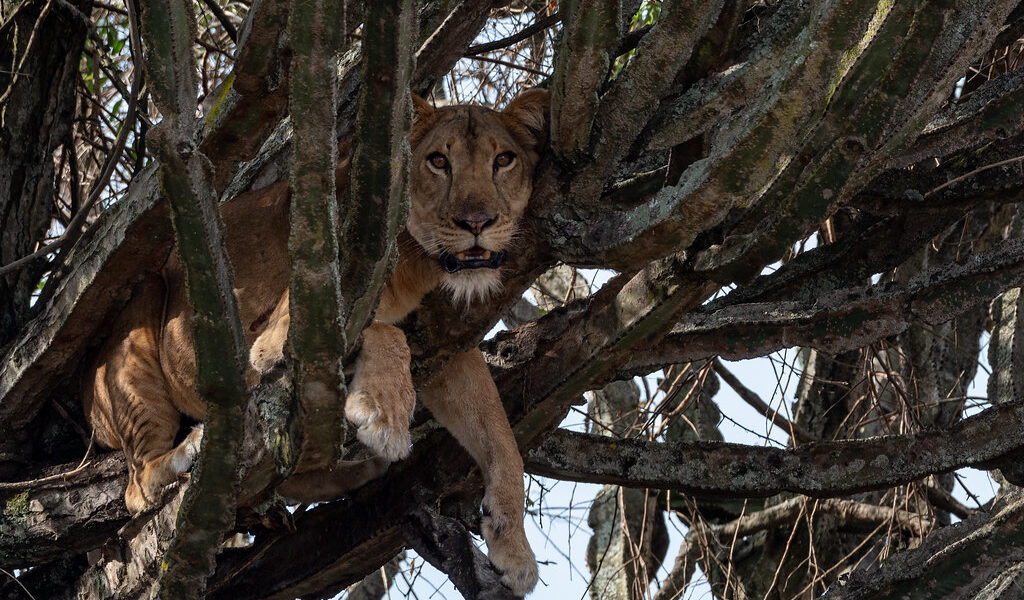
6 Days Uganda Safari
Visit the magical national parks of Uganda known as Bwindi Forest and Queen Elizabeth National Park which include the gorilla trekking and wildlife views
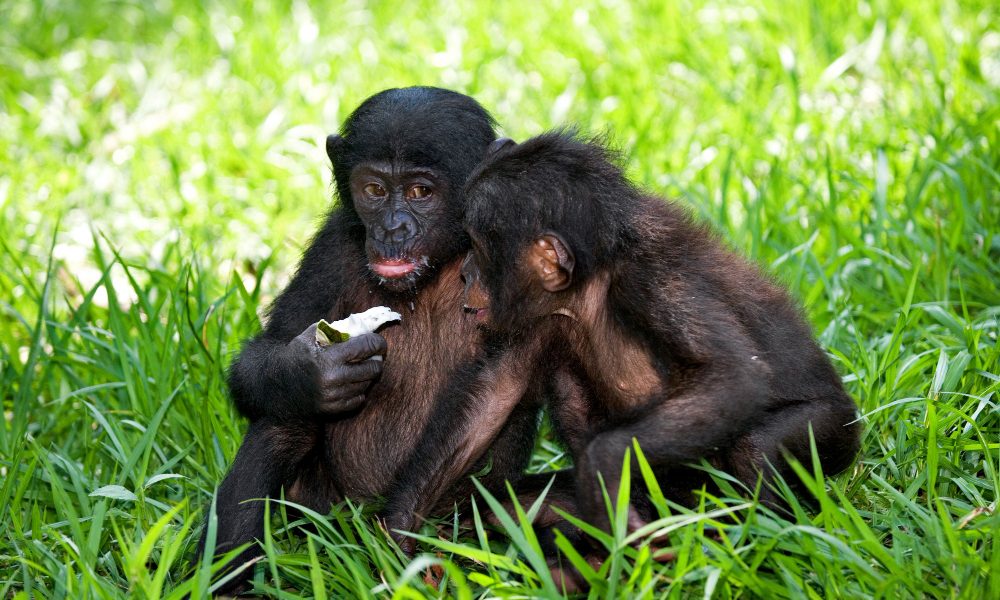
1 Day Bwindi Gorilla Tour from Kigali
A fast-paced day trip from Kigali into Bwindi Impenetrable Forest for a single unforgettable hour with a mountain gorilla family
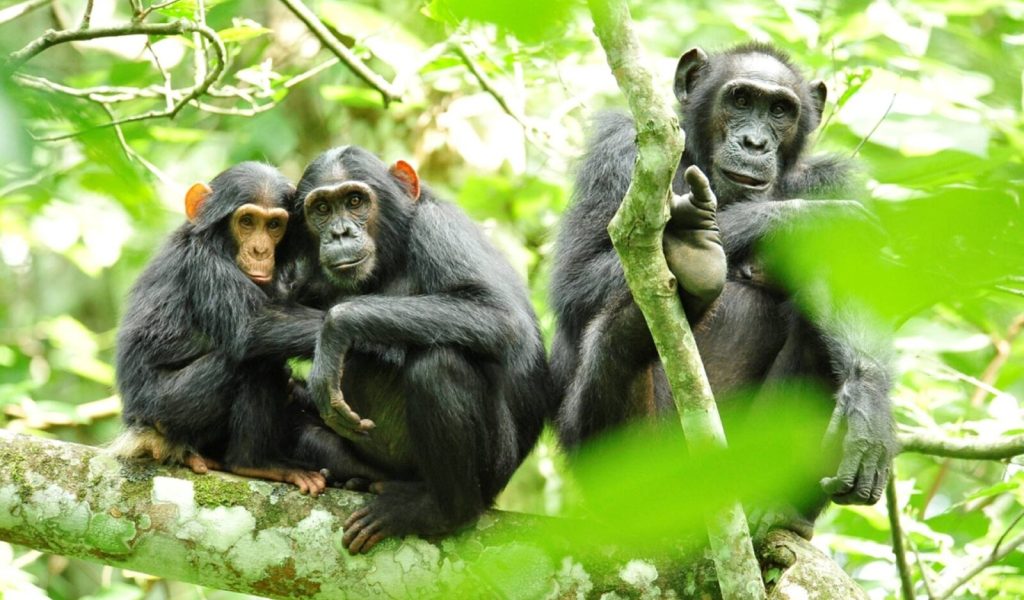
3 Days Chimpanzee Tracking in Kibale
Track chimpanzees through Africa’s primate capital, Kibale Forest, alongside a community walk through Bigodi Wetland Sanctuary
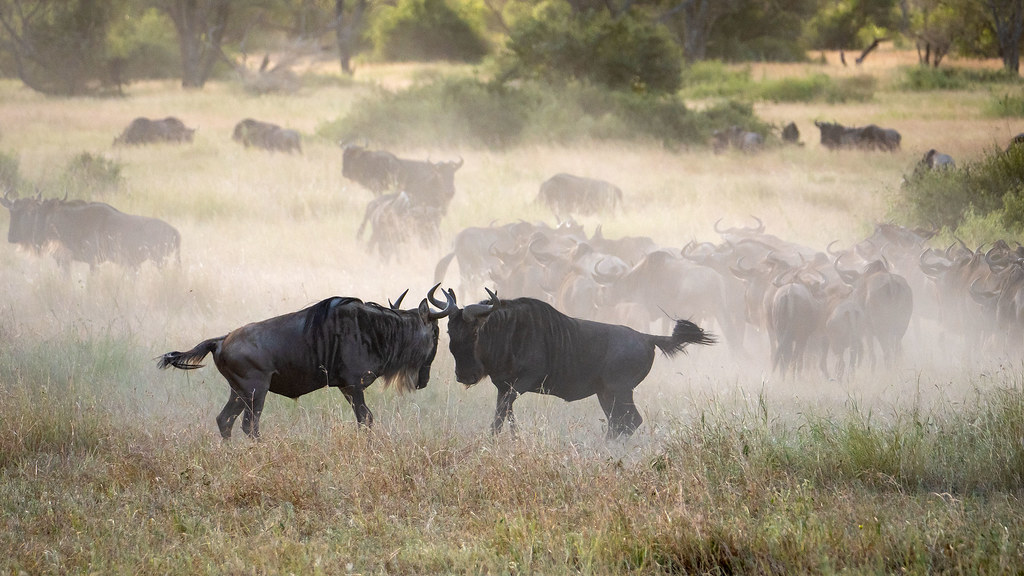
4 Days Kidepo Valley Wildlife Safari
Venture into Uganda’s most remote wilderness for cheetahs, ostriches and dramatic mountain scenery few visitors ever see
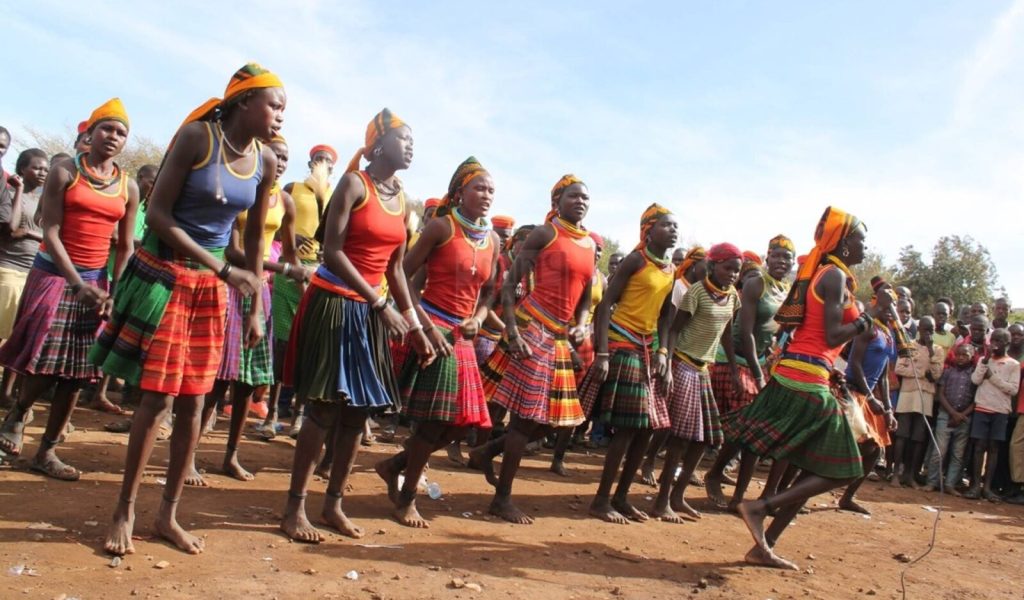
7 Day Kidepo and Sipi Safari
Combine Kidepo Valley’s wild plains with waterfall hikes and coffee tours in the Sipi Falls region
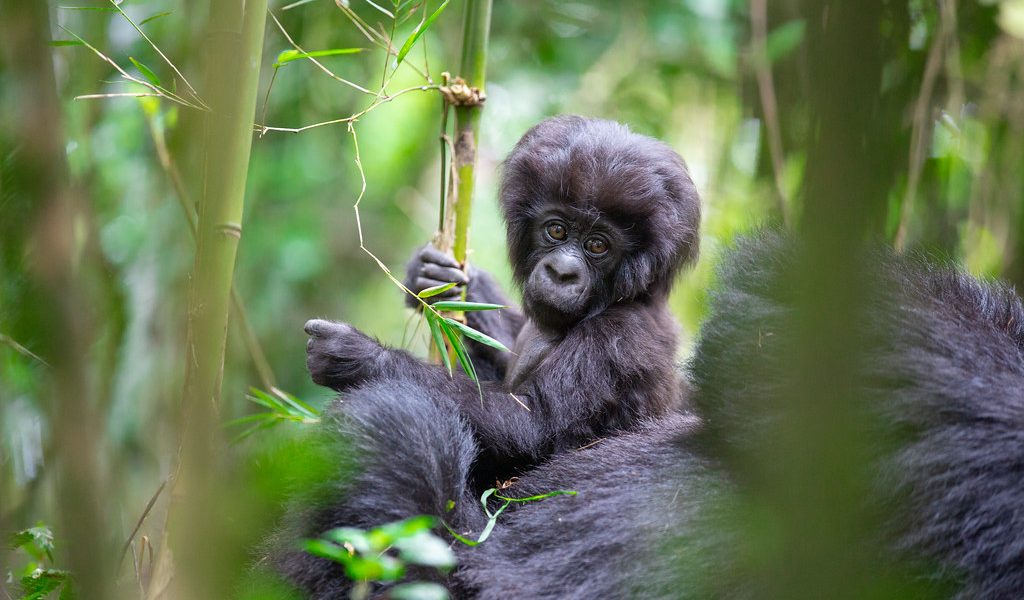
10 Days Rwanda Uganda Safari
A complete circuit through Volcanoes, Bwindi, Queen Elizabeth and Kibale for gorillas, chimps and classic wildlife
12 Days Uganda Leisure Holidays
An unhurried two-week journey through Murchison Falls, Kibale, Queen Elizabeth, Bwindi and Lake Mburo
14 Days Uganda Northern Circuit
Explore Kidepo Valley, Murchison Falls and Sipi Falls on this off-the-beaten-path northern adventure
15 Days Uganda Safari
Uganda’s full highlight reel across two relaxed weeks of gorillas, chimps, wildlife and scenic countryside