
Photographing Lions on Safari: Tips for Best Shots
Capturing a strong lion photograph depends considerably more on timing, positioning, and patience than on having the most expensive equipment in the vehicle, and understanding a few specific habits of lion behaviour helps visitors anticipate the moments worth being ready for.
This guide covers the practical techniques worth knowing before your first game drive, from timing and composition through to the specific gear and editing choices that separate a memorable shot from a forgettable one.
Why Dawn and Dusk Offer the Best Light and Activity
Given how much of a lion’s day is spent resting, timing a game drive around dawn and dusk offers the strongest combination of active behaviour and flattering low-angle light, the same golden-hour quality that photographers across genres specifically chase. Our guide on how long lions sleep each day covers exactly why these specific windows so reliably outperform midday for dynamic shots.
Composition: Why Eye-Level Shots Outperform Looking Down
Shooting from a lower position within the vehicle, or resting a lens on a window ledge rather than shooting from a fully upright standing position, creates a considerably more intimate, eye-level perspective than images taken looking down at a resting lion from above. This single positioning change makes one of the biggest visible differences between an amateur snapshot and a striking wildlife portrait.
Anticipating Behaviour: Why Watching Body Language Beats Constant Shooting
Rather than firing off shots continuously, watching a lion’s body language, a raised head, twitching ears, a shift from resting to alert posture, lets photographers anticipate the exact moment worth capturing rather than relying on luck across hundreds of largely identical resting shots. Our guide on whether lions are dangerous to safari vehicles covers more about how guides read these same behavioural cues for safety purposes, cues worth learning to read for photography timing too. Our broader guide on how lion prides are structured covers additional social dynamics worth watching for, including feeding order and coalition interactions.

Why Cub Sightings Demand a Different Shooting Approach
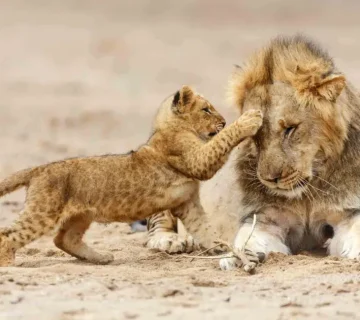
Playful cubs move considerably faster and less predictably than resting adults, rewarding a faster shutter speed and continuous autofocus mode rather than the single-shot approach that works fine for a stationary resting lion. Our guide on the best time to see lion cubs covers exactly when this more dynamic, technically demanding photography opportunity is most likely to present itself.
Using the Vehicle Itself as Part of the Composition
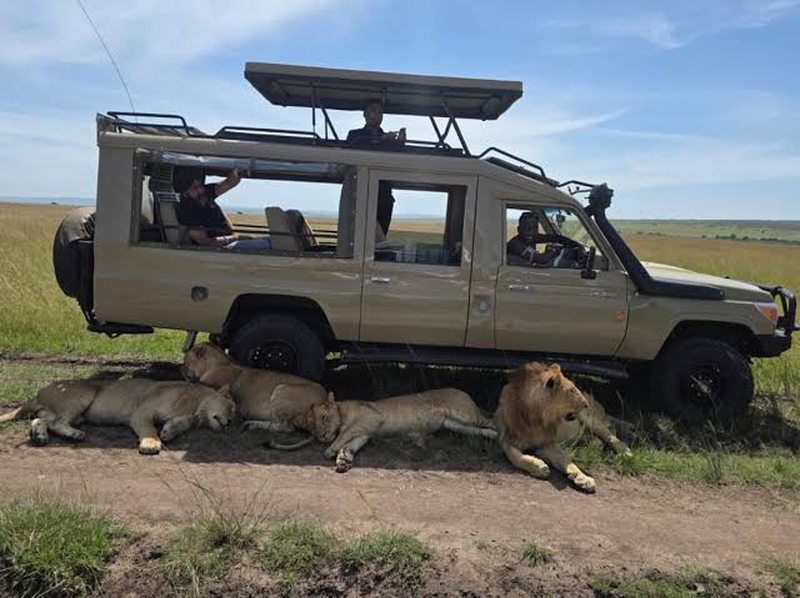
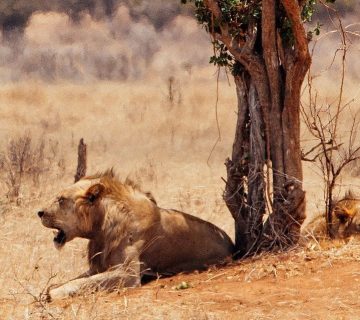
Lions habituated to vehicle presence sometimes rest remarkably close, occasionally directly in a vehicle’s shade, an opportunity that rewards including some environmental context in the frame rather than always cropping tight, since the resulting image captures the specific, sometimes surprising closeness of the encounter itself rather than just an isolated animal portrait indistinguishable from one taken anywhere else.
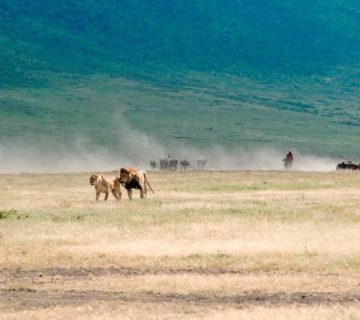
Wider environmental shots also help tell a more complete story of the safari experience itself, capturing the vast open landscape a pride calls home alongside the animal, a useful complement to tighter portrait shots when building out a full gallery from a trip rather than relying entirely on close-up images that, however strong individually, can start to look somewhat repetitive across an entire album.
Why Golden Mane Backlighting Produces Striking Male Portraits
Positioning a shot so the sun backlights a male lion’s mane during golden hour creates a distinctive glowing rim-light effect around the mane’s edges, one of the more reliable techniques for producing a standout male lion portrait rather than a flat, evenly lit shot. This effect works best in the twenty to thirty minutes immediately following sunrise or preceding sunset, a narrower window than the broader golden-hour period photographers typically have to work with for other subjects. Our guide on male versus female lion differences covers more about the mane’s specific role and why it makes males such a photographically rewarding subject.
Shooting Through a Roof Hatch: Balancing Stability and Angle
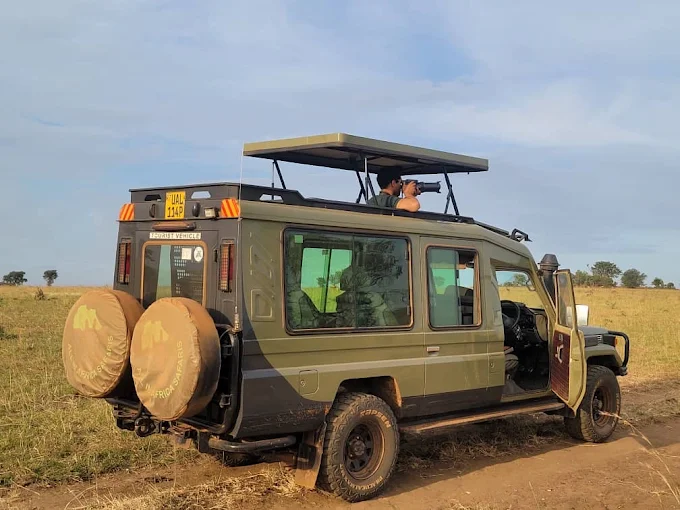
Many safari vehicles feature a pop-up roof hatch offering a clearer, unobstructed angle than shooting through a window, though the added height reduces stability, making a beanbag or window-mount support worth using to avoid camera shake, particularly with a longer telephoto lens. See our camera gear guide for specific equipment recommendations suited to this shooting position.
Why Patience at a Single Sighting Beats Chasing Multiple Prides
Spending an extended period with a single pride, rather than rushing between multiple sightings, increases the odds of witnessing and capturing a distinctive behavioural moment, a yawn, a cub interaction, a shift in social positioning, that a rushed five-minute stop would almost certainly miss entirely.
This patience-over-quantity approach also improves the odds of a lion looking directly toward the camera at a decisive moment, since a longer observation period simply provides considerably more opportunities for that specific alignment to happen naturally, compared to the far more limited window a brief drive-by stop realistically offers.
How Dust and Heat Haze Affect Midday Shots
Midday heat produces visible heat shimmer that can noticeably soften distant shots, another practical reason dawn and dusk outperform midday beyond simply better light quality, since the cooler morning and evening air produces considerably crisper long-lens images than the distorting heat haze common during the hottest hours.
Dust kicked up by other passing vehicles compounds this problem further during the dry season specifically, softening distant shots and occasionally casting a visible haze across an otherwise clean composition, a genuine reason experienced photographers often position their vehicle upwind of a sighting whenever the approach allows for that kind of positioning choice.
Working With, Not Against, an Overcast Sky
Contrary to popular assumption, a lightly overcast sky isn’t a photography setback, since the diffused, even light considerably reduces the harsh shadow and blown-highlight problems direct midday sun otherwise creates, particularly useful for portrait-style close-up shots where even lighting across a lion’s face matters more than dramatic directional light.
Photographing Lions Across Different Ecosystems
Different ecosystems offer distinct photographic opportunities. Our guide on Serengeti lion safaris covers the varied terrain, open plains, granite kopjes, and riverine woodland, that shapes photographic technique across one of the continent’s largest lion populations. Ngorongoro Crater’s considerably more contained, open bowl-shaped terrain, covered in our guide to the crater’s resident lion prides, offers a distinctly different, more consistently open shooting environment than the Serengeti’s varied kopje-studded plains.
Storytelling Through a Sequence Rather Than a Single Frame
Some of the strongest wildlife photography from a safari trip comes not from a single dramatic shot but from a short sequence capturing a behaviour’s progression, a cub noticing a sibling’s tail, the stalk, the pounce, the tumble. Shooting a sequence like this demands staying alert and ready even during what looks like a quiet lull, since these behavioural chains often begin and end within just a few seconds.
Why a Telephoto Zoom Beats a Fixed Prime Lens for Most Visitors
A telephoto zoom lens, typically covering a range from around 100mm to 400mm or further, offers considerably more practical flexibility than a fixed prime lens for safari photography, since sighting distance varies constantly and a zoom lets photographers adjust framing without needing to physically reposition the vehicle, something guides can’t always do quickly or safely depending on terrain and proximity to the animal.
Editing: Why Subtle Post-Processing Beats Heavy Filters
Once home, subtle adjustments to exposure, contrast, and colour temperature typically produce far more natural, professional-looking results than heavy-handed filters or saturation boosts, since overly processed wildlife images tend to look artificial in a way that undercuts the authenticity that makes genuine wildlife photography compelling in the first place. Shooting in RAW format rather than JPEG preserves considerably more detail in shadows and highlights for this kind of later adjustment, a worthwhile trade-off against the larger file sizes RAW format requires.
Frequently Asked Questions
What time of day is best for lion photography?
Dawn and dusk offer the strongest combination of active behaviour and flattering low-angle light.
Should I shoot from a standing or seated position?
A lower, more eye-level position creates a considerably more intimate portrait than shooting down at a resting lion.
How can I photograph a male lion’s mane most effectively?
Backlighting during the twenty to thirty minutes around sunrise or sunset creates a distinctive glowing rim-light effect.
Do cubs require different camera settings than adults?
Yes – their faster, less predictable movement rewards a faster shutter speed and continuous autofocus.
Is a beanbag or window mount worth using?
Yes – it reduces camera shake considerably, particularly when shooting with a longer telephoto lens.
Ready to Plan Your African Safari?
Whether you’re hoping for a golden-hour mane portrait or a playful cub interaction, our team can build a trip matched to your photography interests. Get in touch with our team below today and let’s start planning your complete African safari itinerary together.


No comment