
Lion Safaris in the Serengeti: Everything You Need to Know
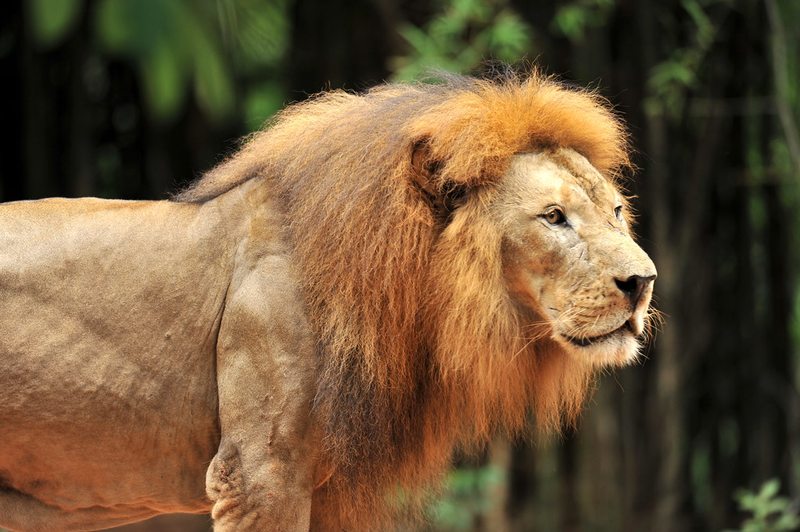
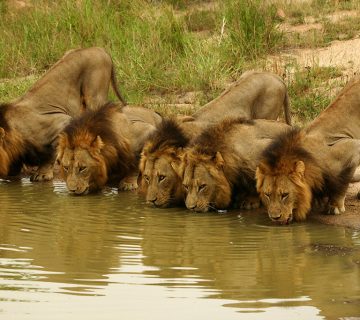
The Serengeti holds one of Africa’s largest and most extensively studied lion populations, with researchers estimating several thousand individuals across the ecosystem’s roughly 30,000 square kilometres, a scale and density that makes lion safaris here different in overall character from the more contained sightings smaller parks typically offer.
Why the Serengeti’s Sheer Scale Shapes the Lion Safari Experience
Given the Serengeti’s enormous size, spanning considerably more territory than most entire countries’ national park systems combined, lion prides here hold territories measured in tens of square kilometres rather than the more compact ranges typical of smaller reserves, meaning a Serengeti lion safari covers considerable ground across a single full game drive in pursuit of a specific pride.
How the Serengeti Lion Project Represents One of the Longest-Running Carnivore Studies on Earth
Researchers have tracked individual Serengeti lion prides continuously since 1966, making this one of the longest-running large carnivore studies anywhere in the world, and this decades-deep dataset means guides and researchers alike can discuss specific prides’ multi-generational history with a depth of detail few other lion populations anywhere can match.
The project has produced foundational research on lion social structure, disease transmission, and population dynamics that shaped how biologists understand large carnivore behaviour globally, not just within the Serengeti itself. A 1994 canine distemper outbreak that killed roughly a third of the ecosystem’s lions, traced back to domestic dogs in surrounding communities, became a landmark case study in how diseases cross from livestock into wild carnivore populations, directly informing vaccination programmes for domestic animals near park boundaries across East Africa today.

Why the Great Migration Transforms Serengeti Lion Hunting Behaviour Seasonally
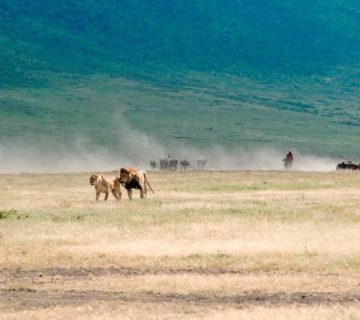
As roughly two million wildebeest and zebra move through the ecosystem annually, resident prides adjust their hunting strategy and territorial positioning to intercept this moving prey base, meaning the specific character of lion sightings shifts considerably depending on where the migration currently sits relative to a given pride’s home range. Our guide on male lion pride dynamics covers how this same territorial competition plays out among coalitions competing for the richest hunting grounds.
Prides positioned along known migration corridors experience dramatically different feeding conditions than those in areas the herds pass through only briefly, a genuine ecological variation that shapes everything from cub survival rates to territorial competition between neighbouring prides.
How the Serengeti’s Different Regions Offer Distinct Lion-Viewing Character
The Serengeti’s southern plains, central Seronera Valley, and northern Mara River region each offer a different lion-viewing experience, with Seronera holding some of the ecosystem’s highest resident lion density year-round, while the north’s river-crossing drama during migration season delivers considerably more dramatic predator-prey action for visitors timing their trip accordingly.
The western corridor, less visited than the central and northern sectors, offers its own distinct advantage when the migration passes through around May and June, with considerably fewer vehicles competing for the same sightings than the more famous northern crossings attract later in the year. Travelers building a longer itinerary sometimes combine two or three of these regions within a single trip specifically to experience the full range of hunting conditions and pride behaviour the ecosystem’s different zones support across a single visit.
Why Seronera Valley Earns Its Reputation as the Serengeti’s Lion Capital
Seronera’s genuine combination of permanent water, dense resident prey, and rocky kopjes offering natural denning sites makes it one of the most reliable lion-viewing areas in the entire ecosystem, meaning visitors with limited time maximise their sighting odds by prioritising this specific region over the wider park. Its central location also makes it the Serengeti’s most accessible sector, reachable in a single day from Ngorongoro Crater, a routing many travelers combine within a single itinerary. Our Queen Elizabeth lion population guide covers how a considerably smaller Ugandan ecosystem manages comparable density within a fraction of Seronera’s land area.
How Kopjes Serve as Natural Lion Viewpoints and Denning Sites
The Serengeti’s distinctive granite kopjes, rocky outcrops rising from the surrounding plains, provide lions with elevated vantage points for spotting prey and shelter for raising cubs, meaning these formations function as natural infrastructure the species has exploited for scouting and denning long before any tourism industry existed to observe it.
These kopjes formed from ancient Precambrian bedrock, some dating back nearly two billion years, exposed as the surrounding softer soil eroded away over millennia. Their crevices and overhangs offer shade during the day’s hottest hours and protection for newborn cubs during their first vulnerable weeks, before they’re strong enough to keep pace with the wider pride’s movements across open ground.
Why Night Drives Aren’t Permitted Within the Core Serengeti Despite High Nocturnal Activity
Although lions hunt actively after dark, the core Serengeti National Park prohibits night game drives, meaning visitors specifically wanting nocturnal lion activity should consider adjacent conservancies with different regulations rather than assuming this activity is available within the park itself.
This restriction exists primarily to reduce disturbance to hunting behaviour and to limit vehicle collisions with wildlife crossing roads after dark, both genuine concerns given the density of animal movement across the ecosystem’s road network each night. Several private conservancies bordering the park, including areas near the Grumeti and Ikorongo reserves, permit guided night drives under separate management authority, giving travelers a legitimate route to nocturnal lion viewing without needing to leave the broader Serengeti region entirely.
How Serengeti Lion Safaris Compare to the Neighbouring Masai Mara
Since the Serengeti and Kenya’s Masai Mara form one continuous ecosystem across the shared border, lion populations move freely between both sides, meaning the fundamental wildlife experience is similar, though the Serengeti’s considerably larger total area and longer research history give it a different overall character.
Best Time of Year for Serengeti Lion Safaris
Migration timing dominates seasonal planning here more than in most other parks, since where the herds currently sit determines which specific region offers the most dramatic predator activity. See our regional best-time guide for how these broader East African seasonal patterns fit into wider trip planning.
Getting to the Serengeti
Most visitors reach the Serengeti via domestic flight to one of several airstrips serving different park regions, with the specific airstrip choice depending on which area, Seronera, the north, or the western corridor, your itinerary prioritises.
Overland transfers from Arusha or Ngorongoro remain common for travelers combining multiple northern circuit parks within a single road-based itinerary, typically taking several hours depending on the specific route and entry gate used, considerably longer than the short domestic hop most fly-in itineraries rely on instead.
Photographing Lions Across the Serengeti’s Varied Terrain
The open plains, granite kopjes, and riverine woodland each demand different photographic approaches, from wide environmental shots capturing scale to tighter portraits using kopje elevation for a cleaner background. See our camera gear guide for equipment suited to this range of conditions.
What to Pack for a Serengeti Lion Safari
Given the ecosystem’s genuine size and the correspondingly longer game drives typical here, comfortable, well broken-in gear matters considerably more than for smaller, more compact parks. See our gorilla trekking packing list for broader safari packing guidance that applies well here too.
A wide-brimmed hat and reef-strength sunscreen matter more here than in shadier, more wooded parks, since the Serengeti’s open plains offer very little natural shade across most of a typical full day’s driving route between sightings.
Combining Serengeti Lion Safaris With a Wider Tanzania Circuit
Serengeti lion viewing pairs naturally with Ngorongoro Crater and Tarangire within a classic northern circuit itinerary, and the buffalo herds our guide on defensive circle formations covers share this same broader migration ecosystem. Our Arusha National Park guide also covers a convenient bookend stop given its proximity to Kilimanjaro International Airport for travelers flying in or out of the region.
Frequently Asked Questions
How many lions live in the Serengeti?
Researchers estimate several thousand individuals across the roughly 30,000-square-kilometre ecosystem.
Where is the best place to see lions in the Serengeti?
Seronera Valley holds some of the highest resident lion density year-round given its permanent water and prey.
Can you go on night drives to see lions in the Serengeti?
No – the core national park prohibits night drives, though some adjacent conservancies allow them.
How does the migration affect lion sightings?
Prides shift hunting behaviour and positioning to intercept the moving herds, changing sighting character by region and season.
Is the Serengeti connected to the Masai Mara for lion populations?
Yes – both form one continuous ecosystem, and lions move freely across the shared border.
Ready to Plan Your Tanzania Safari?
Whether prioritising Seronera’s resident prides, migration-season drama, or a wider northern circuit itinerary, our team can build a trip matched to your interests. Get in touch with our team below today and let’s start planning your complete Tanzania safari itinerary together.

No comment