




Male vs Female Lions: Differences You’ll Notice on Safari
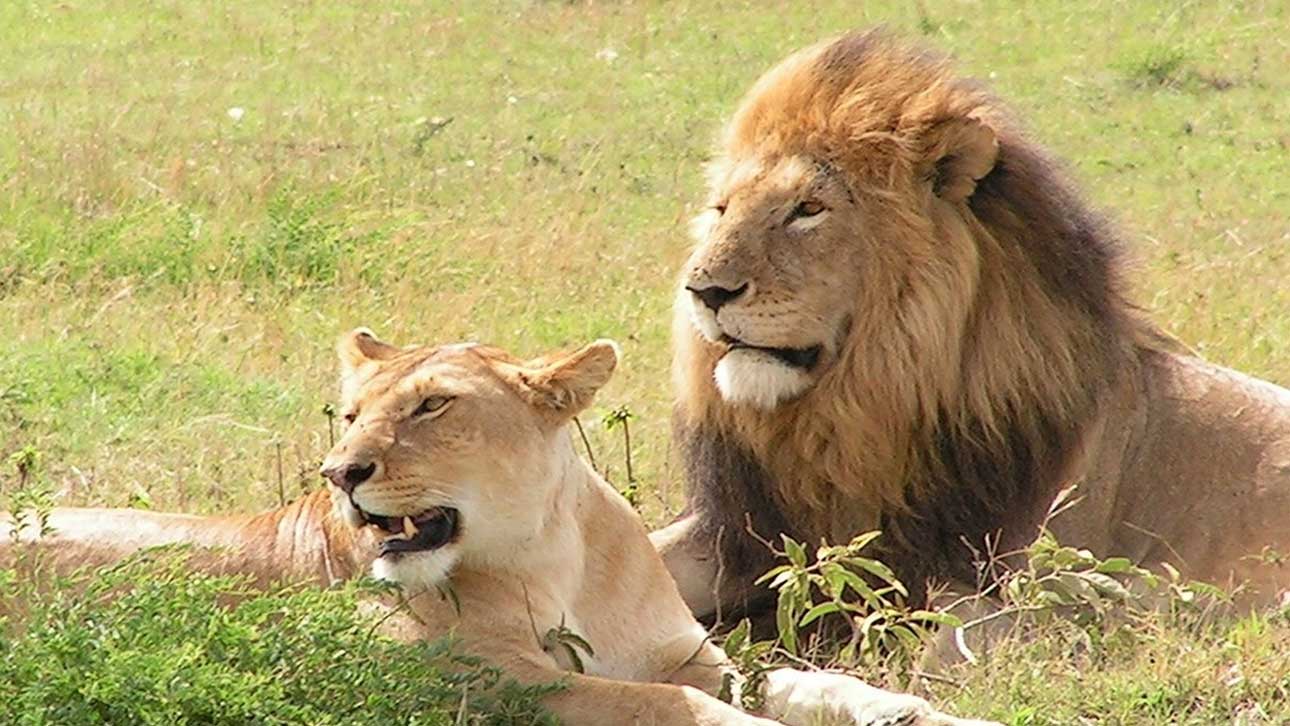
First-time safari-goers notice the size and appearance difference between male and female lions almost immediately, but the differences run considerably deeper than the obvious mane, extending into hunting roles, social behaviour, and even the specific reasons each sex has evolved its distinct physical traits.
Size: Males Outweigh Females by a Considerable Margin
Adult male lions weigh considerably more than females, a size difference among the most pronounced of any big cat species, with males typically reaching noticeably greater body length and shoulder height as well. This size advantage serves a specific purpose: defending pride territory against rival males and, when necessary, fighting off other predators approaching a kill, tasks where raw size and strength matter more than the speed and agility females prioritise instead.
The Mane: A Trait Unique to Males
The mane is the single most obvious visual difference, and females entirely lack it, a trait that begins developing in males around one to two years old and continues thickening through early adulthood. Mane colour and fullness vary by individual and region, generally signalling age, testosterone levels, and overall condition, information rival males and potential mates use when assessing an individual from a distance. Our guide on why lions have manes covers the science behind this trait in considerably more depth.
Hunting Roles: Females Lead the Vast Majority of Hunts
Lionesses conduct roughly 85 to 90 percent of a pride’s hunting, working in coordinated groups that use terrain and numbers to encircle and ambush prey, a cooperative strategy females are better suited to execute given their comparatively leaner, faster build. Males typically only join hunts involving unusually large or dangerous prey like buffalo, where their far greater size and strength become the deciding factor rather than raw hunting speed.

Speed and Agility: Females Hold the Advantage
Females’ leaner build gives them a speed and agility advantage over the bulkier males, a difference that matters considerably during a hunt’s final chase phase, when a lioness needs to close the gap on fleeing prey across open ground within just a few critical seconds. Males’ greater mass, by contrast, works against them in a pure speed contest, even though it becomes a decisive advantage the moment physical combat or territorial defence is required instead.
Social Role: Males Defend Territory While Females Anchor the Pride
A pride’s resident males, typically a coalition of brothers or allied unrelated males, hold responsibility for defending territory against rival coalitions, a role that can mean violent, sometimes fatal confrontations when a new coalition attempts a takeover. Females, by contrast, form the pride’s stable, long-term core, often remaining within the same pride and territory for their entire lives, while males typically move between prides multiple times across their lifespan.
Lifespan: Females Live Considerably Longer on Average
Wild lionesses tend to live longer on average than males, a gap driven largely by the physical toll of territorial fighting, injuries sustained defending or contesting pride control, and the general wear of a male’s more transient, conflict-prone lifestyle compared to a female’s comparatively more stable existence within a single pride’s home range.
This lifespan gap has a direct population-level consequence too: since males face considerably higher mortality risk across their lifetime, wild lion populations skew toward a higher ratio of females to males overall, a pattern our broader guide on Africa’s total lion population touches on when discussing how researchers estimate and track population health across different ecosystems.
Vocalisation: Both Sexes Roar, But With Different Patterns
Both male and female lions roar, though males typically roar more frequently and with a somewhat deeper, more resonant tone tied to their larger vocal structure, a sound that serves to announce territorial boundaries to rival coalitions from considerable distance. Females roar more often in coordinating pride movement and reuniting scattered members, a distinct social function from the male’s territorial broadcast. Our guide on why lions roar covers the physical mechanism enabling this in considerably more depth.
Reproductive Roles: How Each Sex Contributes to Cub Survival
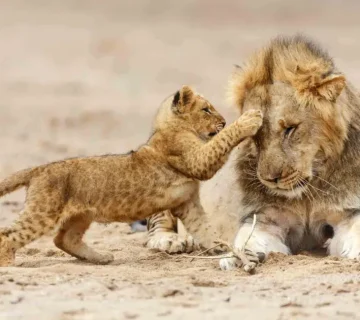
Females bear the primary responsibility for raising cubs, often nursing and caring for litters communally across the pride’s resident lionesses, while a pride’s dominant males provide the territorial protection that keeps rival males, and the genuine threat of infanticide during a takeover, at bay. This division of labour means a cub’s survival depends on both sexes fulfilling clearly distinct, complementary roles rather than either sex managing reproduction alone.
Communal nursing matters more than it might first appear: because related lionesses within a pride often give birth around similar times, cubs frequently nurse from any lactating female in the group, not strictly their own mother, a cooperative arrangement that improves overall cub survival odds by spreading the nutritional burden across multiple females rather than leaving any single mother to shoulder it entirely alone.
Where to Reliably Observe Both Sexes on Safari
Dense, well-studied prides offer the best odds of observing both male and female behaviour firsthand within a single visit. Our guide on the best parks to see lions in East Africa covers exactly which destinations offer strong resident pride viewing, while the Serengeti in particular offers some of the best-documented pride dynamics anywhere on the continent. Our broader roundup of essential lion facts for safari-goers covers several more traits worth knowing before your first game drive.
How Male Takeovers Reshape a Pride’s Social Structure
When a new male coalition successfully displaces the previous resident males, the change ripples through the entire pride’s social structure, since incoming males typically kill existing cubs to bring females back into reproductive readiness sooner, a brutal but well-documented pattern our guide on why male lions leave their pride covers from the departing males’ side of this same dynamic.
Coalition Size: Why Males Fare Better in Numbers
Male lions rarely hold pride territory alone; most successful takeovers involve a coalition of two to four males, often brothers from the same litter, since a larger coalition holds territory for a longer average period than a lone male or pair can typically manage against rival challengers. Females, by contrast, don’t organise into comparable competitive coalitions, instead cooperating collectively as an entire pride rather than forming rival sub-groups the way males do when contesting territory.
Physical Build: How Bone Structure and Musculature Differ
Beyond overall size, males carry proportionally heavier, more robust bone structure and musculature through the shoulders and forelimbs, an adaptation suited to the physical combat territorial defence sometimes demands. Females’ comparatively lighter frame, by contrast, reduces the energy cost of the sustained, fast pursuit cooperative hunting requires, a clear case of each sex’s build matching its primary functional role within the pride.
Scarring and Visible Wear: A Reliable Age Indicator in Males
Experienced guides can often estimate a male lion’s age and history from visible scarring around the face and shoulders, accumulated through territorial fights with rival coalitions, while females typically carry considerably less visible battle scarring, reflecting their generally less physically confrontational role within pride society. A heavily scarred male signals a lion that has successfully defended territory through multiple serious challenges, a visible record of survival rather than simply an aesthetic feature.
Cub Development: How Male and Female Cubs Diverge Over Time
Male and female cubs look and behave almost identically for their first year or so, before diverging noticeably as males begin developing the first faint traces of a mane and females settle more permanently into the pride’s cooperative social structure. This divergence accelerates around the age males typically leave their natal pride, a transition our guide on male lion pride departure covers in more depth, while female cubs, by contrast, often remain within their birth pride for life.
Frequently Asked Questions
Do female lions really do most of the hunting?
Yes – lionesses conduct roughly 85 to 90 percent of a pride’s hunts, with males typically joining only for large, dangerous prey.
Why don’t female lions have manes?
The mane is a male-specific trait tied to testosterone, serving to signal condition and fighting ability to rivals and mates.
Which sex is faster, male or female lions?
Females hold a speed and agility advantage thanks to their leaner build, an asset during a hunt’s critical final chase.
Do male and female lions roar differently?
Yes – males typically roar more often with a deeper tone for territorial signalling, while females use roars more for pride coordination.
Do female lions live longer than males?
Yes – the physical toll of territorial fighting shortens the average male lifespan compared to females.
Ready to Plan Your African Safari?
Whether you’re hoping to see a pride’s resident lionesses at work or a coalition of males defending their territory, our team can build a trip matched to your interests. Get in touch with our team below today and let’s start planning your complete African safari itinerary together.


No comment