
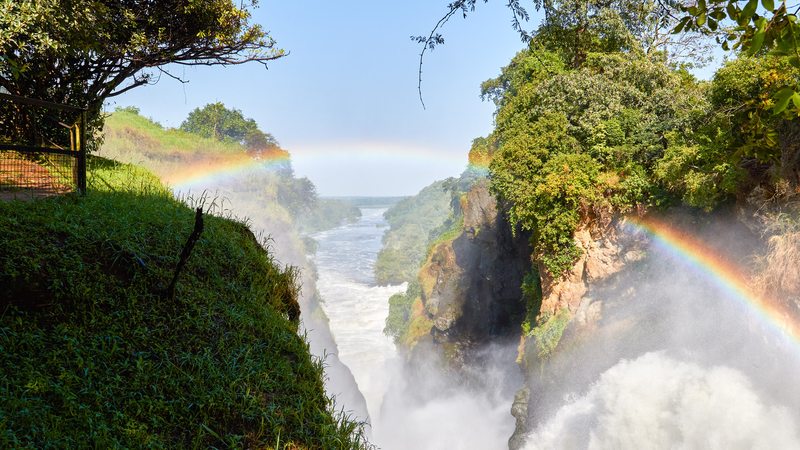
Murchison Falls National Park is Uganda’s largest protected area, and while most visitors come first for the thundering Nile gorge that gives the park its name, its northern savannah supports one of Uganda’s healthiest lion populations – a genuine highlight in its own right, and one that surprises many first-time visitors who arrived expecting only the waterfall.
Where Lions Live in Murchison Falls
Murchison’s lions are concentrated mainly on the northern bank of the Victoria Nile, in the open savannah known as the Buligi Peninsula, wedged between the river and Lake Albert. This area holds the park’s highest concentration of large herbivores – kob, buffalo, and giraffe – which in turn supports a healthy resident lion population. Game drives here typically start early, since lions are most active in the cooler hours around dawn before retreating to shade as temperatures rise through the morning.
How Murchison’s Lions Compare to Queen Elizabeth’s
Queen Elizabeth National Park gets more attention for lions specifically, largely because of its famous tree-climbing prides in the Ishasha sector – a behaviour Murchison’s lions don’t generally display. What Murchison offers instead is sheer scale: it’s Uganda’s largest park, with correspondingly larger, more spread-out prides and a genuinely wild, less crowded game-viewing experience, particularly once you’re north of the river away from the falls themselves.
Combining Lion Game Drives With the Falls
Most Murchison Falls itineraries combine a morning or afternoon game drive on the northern bank with a launch cruise to the base of the falls, where the entire Victoria Nile forces itself through a gorge less than eight metres wide before plunging into the Devil’s Cauldron below – and a separate hike to the top of the falls for a different, equally dramatic vantage point. This pairing of predator game drives and one of Africa’s most powerful natural landmarks is part of what makes Murchison such an efficient single-park addition to a wider Uganda itinerary.
Best Time of Year for Lion Sightings
Uganda’s dry seasons, roughly December to February and June to August, bring the easiest lion viewing in Murchison, as thinning vegetation and concentrated water sources near the river draw both predators and prey into more visible, predictable areas. The wet season still offers sightings, and brings dramatically greener scenery and fewer vehicles, at the cost of some road conditions becoming genuinely difficult in the park’s more remote sections.
Combining Murchison With Ziwa Rhino Sanctuary
Murchison sits along the same main road north from Kampala as Ziwa Rhino Sanctuary, Uganda’s only place to track rhino, making the two an almost automatic pairing on any Murchison itinerary. Since Murchison itself lost its rhino population to poaching decades ago along with the rest of Uganda’s savanna parks, Ziwa is genuinely the only way to complete a full Big Five checklist alongside a Murchison safari – see our Uganda Big Five guide for how the two fit together.
Elephant, Buffalo, and Leopard in the Same Park
Lions aren’t the only predator draw in Murchison – the park holds healthy elephant and buffalo herds across its northern savannah, plus leopard, though leopard sightings here are considerably rarer and more a matter of luck than a guaranteed part of the itinerary. Combined with the boat cruise’s near-guaranteed hippo and Nile crocodile sightings along the riverbanks, Murchison offers one of the most complete single-park wildlife experiences in Uganda outside of a dedicated Big Five safari.
Getting to Murchison Falls
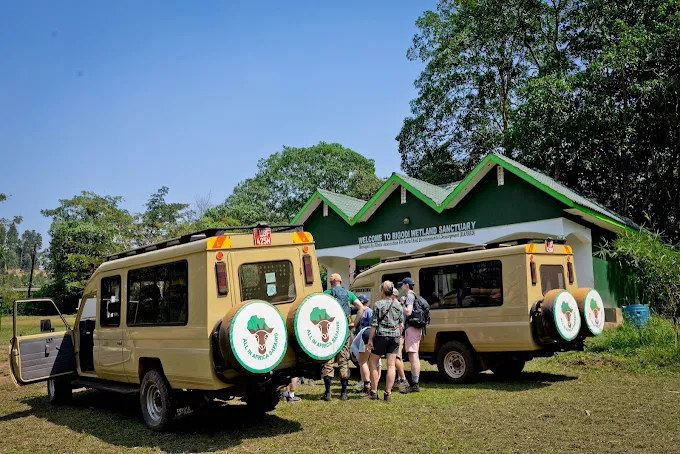
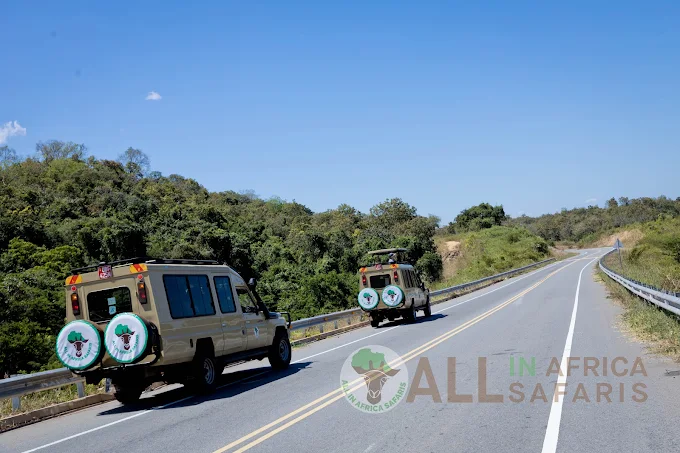
Most visitors reach Murchison by road from Kampala, a drive of around four to five hours that conveniently passes directly by Ziwa Rhino Sanctuary, or by a short scenic domestic flight for those short on time. The park’s size means internal driving distances are also considerable, so most itineraries budget at least two full days inside the park to properly cover both the northern game-viewing sector and the falls themselves without feeling rushed.
Self-Drive vs Guided Game Drives in Murchison
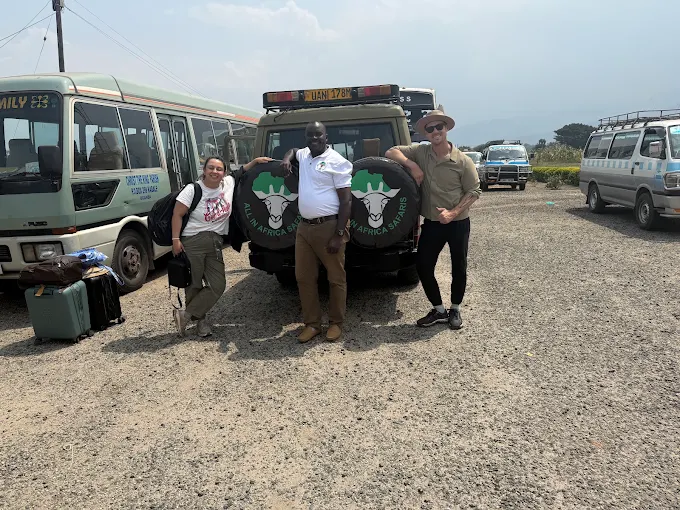
Self-driving is technically permitted in Murchison, but the park’s sheer size, limited signage in more remote sections, and the value of a guide’s tracking knowledge make a guided safari the far more practical choice for most visitors, particularly if lion sightings are a priority rather than a bonus. A dedicated driver-guide also handles the logistics of coordinating the launch cruise timing with game drive schedules, which independent self-drivers often find harder to sequence efficiently within a single day.
Where to Stay for a Murchison Lion Safari
Accommodation options range from budget campsites to comfortable mid-range lodges, most positioned either along the northern bank near the game-viewing sector or overlooking the Nile closer to the falls themselves. Staying on the northern bank generally means shorter drives to the best lion territory in the early morning, while riverside lodges offer easier access to the launch cruise departure point – a genuine trade-off worth discussing with your operator when planning the exact route through the park.
What to Pack for a Murchison Falls Safari
Standard game drive gear applies – neutral clothing, sun protection, binoculars, and a camera with reasonable zoom – though the boat cruise to the base of the falls also produces spray, so a dry bag or rain cover for camera equipment is worth including. If your Murchison trip is part of a longer itinerary that also includes gorilla trekking in Bwindi or Mgahinga, our gorilla trekking packing list covers the additional forest-specific gear for that portion of the trip, and it’s worth reviewing Uganda’s visa requirements alongside your packing list well ahead of departure.
Murchison Falls vs Kenya and Tanzania for Lion Safaris
Murchison doesn’t match the sheer lion density of Kenya’s Masai Mara or Tanzania’s Ngorongoro Crater, but it offers something neither can: a combination of strong lion sightings, one of the world’s most powerful waterfalls, and the ability to add gorilla trekking on the same trip. For travelers who’ve already done a classic Kenya or Tanzania safari and want a genuinely different Big Five experience layered with something unique, Murchison consistently delivers that contrast.
Photographing Murchison’s Lions
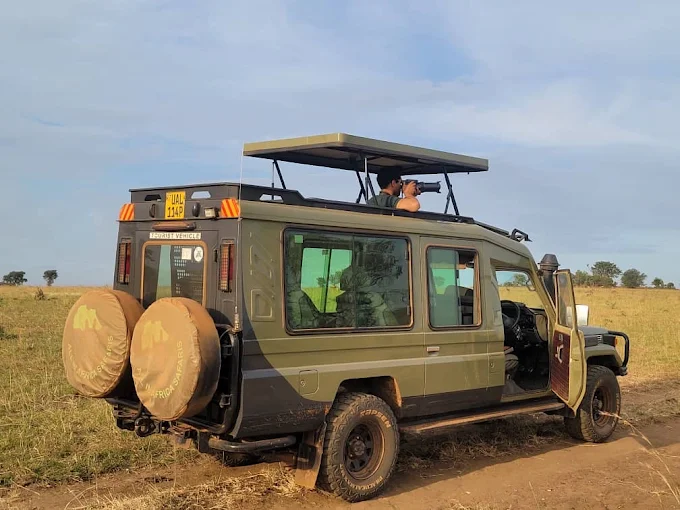
The Buligi Peninsula’s open terrain makes for clean, uncluttered backgrounds compared to some of Uganda’s denser parks, and early morning light along the savannah tends to produce the richest colour. A telephoto lens in the 200-400mm range covers most sightings comfortably, and shooting from a stable position – a beanbag on the window ledge works well – noticeably improves sharpness given the rougher tracks common across the park’s northern sector.
How Rangers and Guides Find Lions Here
Murchison’s guides rely on the same fundamentals used across East Africa – radio communication between vehicles, reading fresh tracks in the sandy soil common to the Buligi Peninsula, and watching for alarm calls from kob and other antelope that often signal a predator nearby before it’s visually spotted. Because the park is large and less densely visited than Uganda’s smaller reserves, an experienced local guide’s knowledge of which specific areas a pride has been favouring that week makes a genuinely measurable difference to your odds.
Murchison’s Other Predators and Wildlife
Beyond lion, elephant, and buffalo, Murchison’s northern savannah supports healthy populations of Rothschild’s giraffe – a subspecies reintroduced here after near-extinction elsewhere in Uganda, and one of the park’s most visually striking residents – along with Uganda kob, hartebeest, and oribi. The riverbanks along the Victoria Nile add one of East Africa’s densest hippo and Nile crocodile populations to the mix, visible up close on the launch cruise to the base of the falls rather than from a distance on a standard game drive. See our Big Five guide for how Murchison’s wildlife density compares to Uganda’s other savanna parks.
Frequently Asked Questions
Are lion sightings guaranteed in Murchison Falls?
No sighting in the wild is ever fully guaranteed, but Murchison’s northern savannah holds a genuinely healthy resident population, and multi-day game drives give strong odds of at least one solid sighting.
How many days should I spend in Murchison Falls for lions and the falls?
Two full days is the practical minimum – one for game drives focused on the northern savannah, and one for the launch cruise and top-of-falls hike, with a third day if you want to add Ziwa Rhino Sanctuary on the way in or out.
Is Murchison Falls safe to visit?
Yes, Murchison is one of Uganda’s most established and heavily visited parks, with well-developed tourism infrastructure, ranger presence, and reliable road access from Kampala.
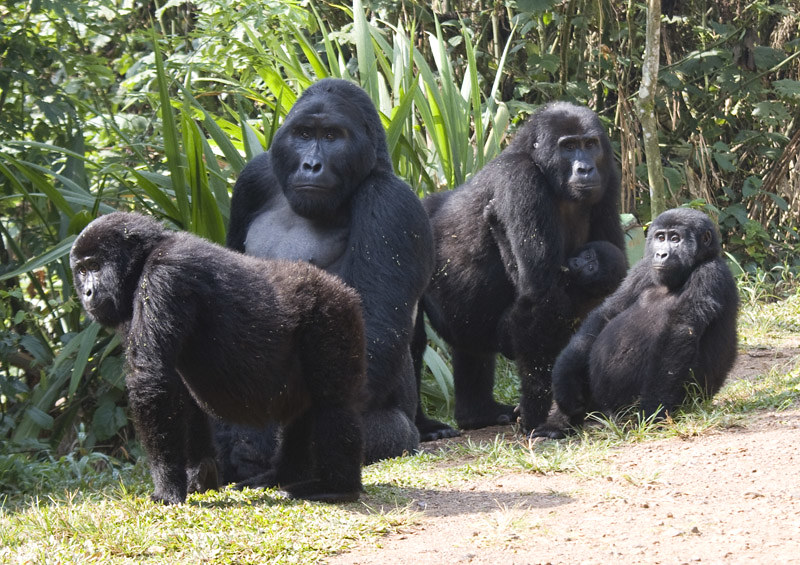
Can I combine Murchison Falls with gorilla trekking on the same trip?
Yes, though it requires a long drive or short flight south to Bwindi or Mgahinga, since the two sit at opposite ends of the country – most itineraries that combine both budget at least 8 to 10 days total to avoid feeling rushed between the two regions.
What visa do I need for a Murchison Falls safari?
Most nationalities need either a standard Uganda tourist visa or the East Africa Tourist Visa, which also covers Kenya and Rwanda – see our Uganda visa requirements guide for the current application process.
Ready to Plan Your Murchison Falls Safari?
Whether lions, the falls themselves, or a full Big Five circuit with a Ziwa rhino stop is your priority, our team can build a Murchison Falls itinerary matched to your time and interests. Get in touch below and let’s start planning.

No comment