
Akagera Big Five Safari: Rwanda’s Conservation Comeback Story
Twenty years ago, Rwanda’s Akagera National Park had no lions and no rhinos – both had been wiped out by poaching and the chaos following the 1994 genocide, when the collapse of park management allowed cattle herders and armed groups into former wildlife territory. Today, Akagera holds a genuine, growing Big Five population, making it one of the more remarkable conservation comeback stories anywhere in Africa, and Rwanda’s answer to a full savanna safari experience alongside its world-famous mountain gorilla trekking.
How Akagera Lost Its Wildlife
Akagera was established in 1934 and once covered a much larger area than it does today. In the aftermath of the 1994 genocide, roughly two-thirds of the park’s original land was resettled by returning refugees, and the remaining protected area lost most of its large predators and rhino to poaching and unmanaged cattle grazing over the following two decades. By the early 2000s, Akagera had no lions at all, and its rhino population had been reduced to a small, vulnerable remnant.
The Reintroduction of Lions
In 2015, seven lions were relocated to Akagera from South Africa’s private reserves, marking the species’ return to Rwanda for the first time in over a decade. The population has grown steadily since through natural breeding and additional careful introductions, managed jointly by Rwanda Development Board and African Parks, the non-profit conservation organisation that has run Akagera in partnership with the Rwandan government since 2010.
The Return of Eastern Black Rhino
Rhino reintroduction followed in 2017, when a group of eastern black rhinos was translocated to Akagera from South Africa, followed by further additions in subsequent years to strengthen genetic diversity. This mirrors a similar rebuilding effort at Uganda’s Ziwa Rhino Sanctuary, though Akagera’s rhinos live within a genuine wild savanna ecosystem alongside lions and the rest of the Big Five, rather than a dedicated standalone sanctuary.
What a Big Five Safari in Akagera Looks Like
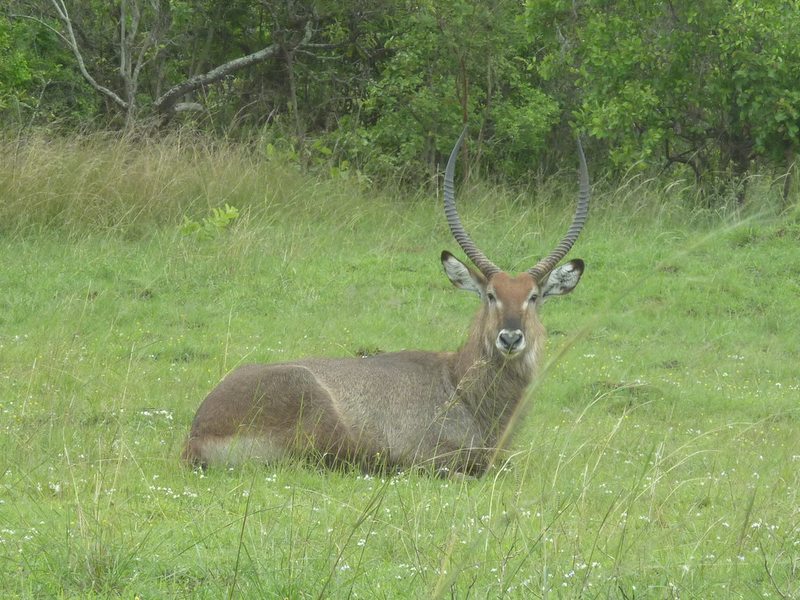
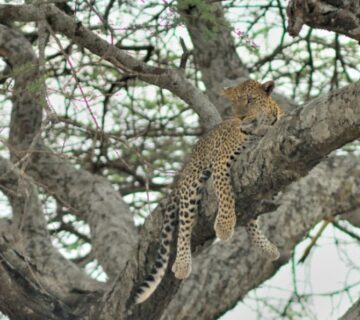
Akagera’s landscape combines savannah, wetland, and a chain of lakes along its eastern boundary with Tanzania, giving it a noticeably different feel from Rwanda’s mountainous, forested Volcanoes National Park. Game drives here cover lion, elephant, buffalo, leopard, and rhino, plus healthy populations of giraffe, zebra, and antelope species not found elsewhere in Rwanda, along with boat safaris on Lake Ihema that reliably produce hippo and crocodile sightings alongside strong birdlife.
Combining Akagera With Gorilla Trekking
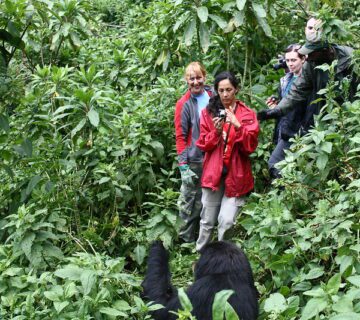
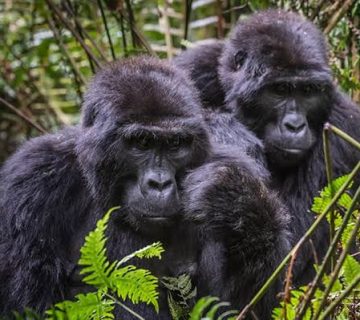
Akagera sits roughly two and a half hours from Kigali, in the opposite direction from Volcanoes National Park, which makes combining the two into a single Rwanda itinerary straightforward logistically, if a little demanding on drive time. Many of the trips we build pair a Big Five safari in Akagera with gorilla trekking in Volcanoes National Park, giving travelers both headline Rwandan wildlife experiences without needing to leave the country.
How Akagera Compares to Uganda and Kenya for Big Five
Akagera is smaller than Uganda’s Murchison Falls or Kenya’s Masai Mara, which means shorter driving distances between sightings but also a somewhat lower overall wildlife density than East Africa’s largest parks. Its lion and rhino populations, while genuinely wild and growing, are still smaller than the long-established populations in Kenya’s major reserves – see our Big Five guide for how the major East African destinations compare overall. What Akagera offers that few other parks can match is the conservation story itself: a wildlife population you can watch actively rebuilding, generation by generation.
Best Time to Visit Akagera
Rwanda’s dry seasons, roughly June to September and December to February, offer the easiest game viewing in Akagera, with thinner vegetation and animals concentrated more predictably around the park’s lakes. The wetter months bring lush scenery and strong birdwatching, since migratory species arrive alongside the rains, though some low-lying tracks can become harder going after heavy rain.
Self-Drive vs Guided Safaris in Akagera
Self-driving is permitted in Akagera and the park’s relatively compact size and well-maintained road network make it more approachable for independent travelers than Uganda’s larger savanna parks. That said, a guided safari still meaningfully improves lion and rhino sighting odds, since guides communicate by radio and know current pride and rhino movement patterns far better than a first-time independent visitor could reasonably track down alone.
Where to Stay Near Akagera
Accommodation ranges from a public campsite to a small number of comfortable tented camps and lodges positioned to take advantage of the park’s lake views, with most properties concentrated in the southern and central sections of the park closer to the main entrance gate. Given Akagera’s relatively compact size compared to Uganda’s or Tanzania’s larger parks, even budget-oriented accommodation still offers reasonably short drives to the best game-viewing areas.
What to Pack for an Akagera Safari
Standard game drive gear – neutral clothing, sun protection, binoculars, and a reasonable camera zoom – covers most of what Akagera requires, since it’s a conventional vehicle-based safari rather than trekking. If your itinerary also includes gorilla trekking, our gorilla trekking packing list covers the additional forest-specific gear for that portion of the trip.
Akagera vs Uganda for a First Big Five Safari
Travelers weighing Akagera against a Uganda-based Big Five safari should know the two aren’t quite equivalent in scale – Uganda’s Murchison Falls and Queen Elizabeth are both considerably larger, with correspondingly higher overall wildlife density, while Akagera’s advantage is its compact size, shorter driving distances between sightings, and the sheer novelty of its recovery story. Many travelers building a longer regional itinerary choose to do both rather than picking one over the other, pairing Akagera with a wider Uganda Big Five circuit for a fuller East African wildlife picture.
Photographing Akagera’s Wildlife
The park’s mix of open savannah and lakeside terrain gives photographers unusually varied backdrops within a single park – classic dry grassland shots alongside water-based scenes with hippo, crocodile, and dense birdlife along Lake Ihema. Early morning game drives generally offer the softest light and the most active wildlife, before the equatorial sun climbs high and flattens both colour and shadow later in the day across the open plains.
African Parks and the Management Model Behind the Comeback
Akagera’s turnaround is closely tied to African Parks, a non-profit conservation organisation that took over management of the park in a formal partnership with the Rwanda Development Board in 2010. Their model – funding anti-poaching operations, fencing the park’s perimeter to reduce human-wildlife conflict with surrounding communities, and reinvesting tourism revenue directly into both conservation and local development projects – has become a template referenced across several other African parks facing similar rebuilding challenges, and is a big part of why Akagera’s recovery happened as quickly as it did.
Community Benefits From Akagera’s Recovery
Perimeter fencing installed as part of the park’s rebuilding significantly reduced conflict between wildlife and the farming communities bordering Akagera, while tourism revenue has funded schools, clean water projects, and healthcare initiatives in surrounding villages. This community-benefit model is part of why local support for the park’s wildlife has grown alongside the animal populations themselves – a lesson increasingly applied at other rebuilding conservation projects across the region, including aspects of Uganda’s own Ziwa rhino programme.
Boat Safaris on Lake Ihema
Akagera’s eastern boundary follows a chain of lakes shared with Tanzania, and Lake Ihema in particular offers a boat safari component most other East African savanna parks can’t match in the same visit – reliable hippo pods, basking crocodiles, and strong waterbird activity, all viewed from the water rather than a vehicle. Combined with the savannah game drives, this gives Akagera a genuinely varied single-park itinerary despite its relatively compact size.
Frequently Asked Questions
How many lions and rhinos does Akagera have today?
Both populations have grown steadily since reintroduction and continue to be closely monitored by park rangers and researchers, though exact current figures are best confirmed directly with the park given ongoing births and occasional further introductions.
Can I combine Akagera with Congo’s Virunga National Park?
Yes – both are reachable via Kigali, making a combined Rwanda-Congo itinerary logistically straightforward for travelers wanting Akagera’s Big Five alongside Virunga’s gorillas and Nyiragongo volcano.
Is Akagera a full-day or multi-day safari?
Most itineraries budget two full days to properly cover both game drives and the Lake Ihema boat safari without rushing, though a single very full day is possible for travelers with limited time.
Do I need a visa to visit Rwanda for an Akagera safari?
Most nationalities can obtain a Rwanda visa on arrival, and Rwanda is also included on the East Africa Tourist Visa alongside Uganda and Kenya, which is worth arranging in advance if your trip spans multiple countries – see our visa requirements guide for how the regional visa options compare, and our packing list if gorilla trekking is also on your Rwanda itinerary.
Ready to Plan Your Rwanda Big Five Safari?
Whether you want Akagera’s Big Five alone or combined with gorilla trekking in Volcanoes National Park, our team can build a Rwanda itinerary around this remarkable conservation comeback. Get in touch below and let’s start planning.


No comment