




How Do Baboon Troops Organize Their Social Hierarchy?
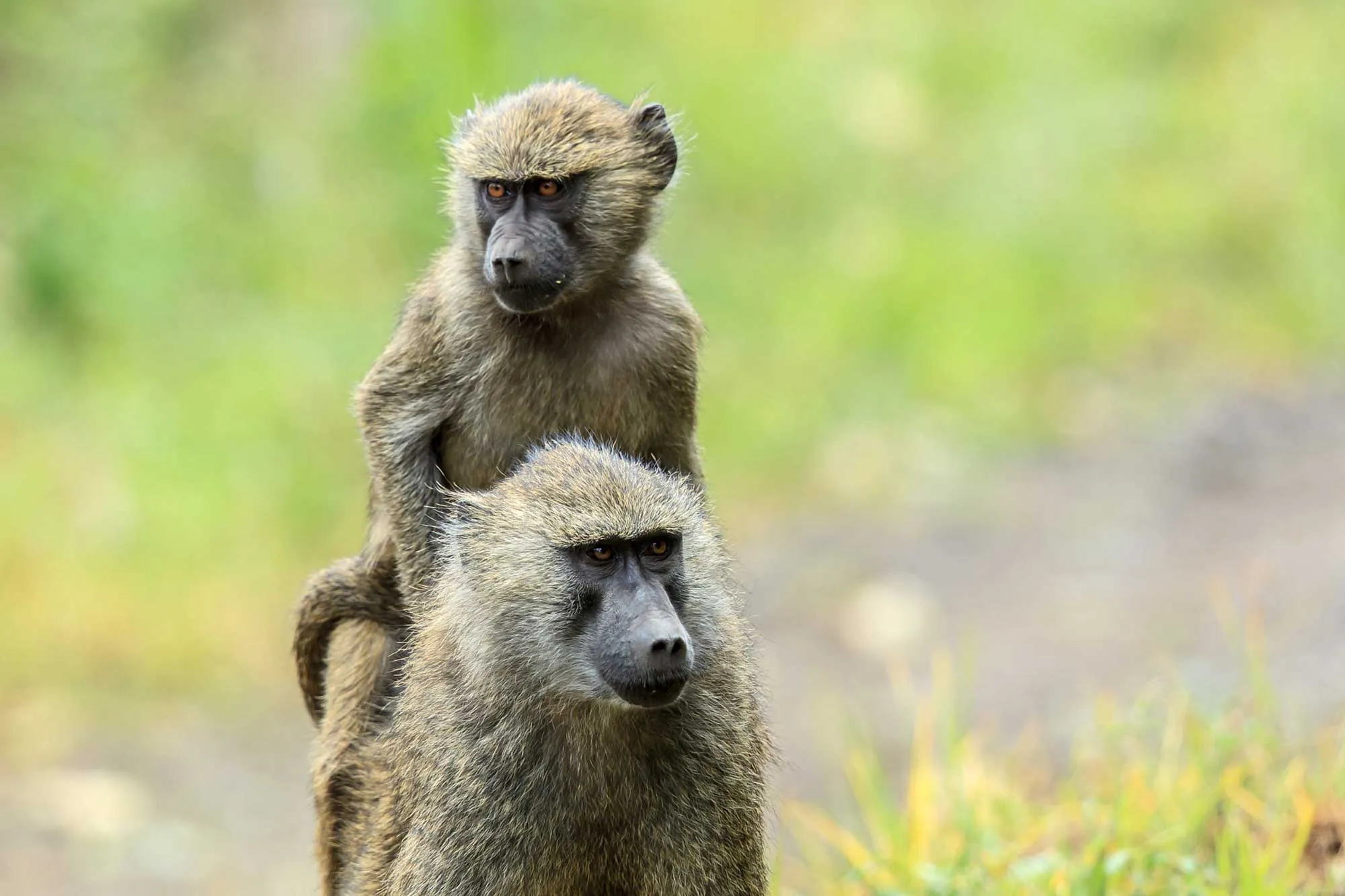
Baboon troops genuinely operate under one of the most intricate social hierarchies documented among African primates, built around separate but interlinked male and female rank systems, coalition-based politics, and inherited status that together shape nearly every aspect of daily troop life from feeding order to who grooms whom.
Why Female Rank Is Genuinely Inherited Rather Than Earned
Unlike male baboons, whose rank must genuinely be established and defended through physical competition, female baboon rank is largely inherited directly from the mother, with daughters typically settling just below their mother in the troop’s overall female hierarchy, a genuinely stable system that means an individual female’s social position is largely determined from birth rather than through her own individual achievement, creating multi-generational matrilineal dynasties that can persist within a troop for many years.
How Male Rank Genuinely Works Completely Differently
Male baboons genuinely leave their birth troop upon reaching maturity and must establish rank entirely from scratch within a new troop, competing through direct physical confrontation and, critically, through coalition-building with other males, meaning male status is genuinely far less stable than female rank and can shift considerably as individuals age, form or break alliances, or face new competitive challengers entering the troop.
Why Male Coalitions Genuinely Matter More Than Raw Individual Strength
Research into baboon male politics has found that coalition-building genuinely plays a decisive role in determining actual dominance outcomes, since two or more lower-ranking males cooperating against a single dominant individual can genuinely overturn what raw physical strength alone would predict, meaning social intelligence and alliance management matter considerably more to a male baboon’s practical success than pure fighting ability in isolation.
How Rank Genuinely Determines Feeding and Resource Access
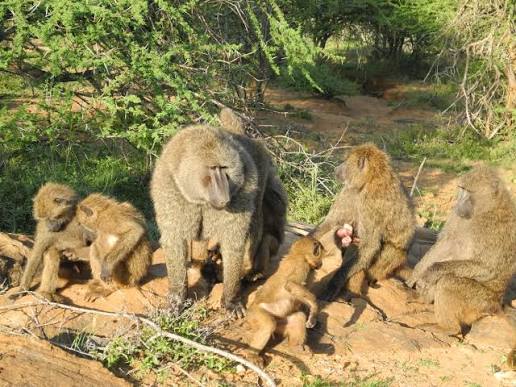
Within a troop, higher-ranking individuals genuinely gain priority access to preferred feeding sites, shade, and water, with lower-ranking troop members typically feeding at less desirable locations or waiting until dominant individuals have finished, a resource-access hierarchy that directly translates rank into genuine survival and reproductive advantage rather than functioning as purely symbolic social status.
Why Grooming Serves a Genuinely Strategic Social Function
Grooming among baboons genuinely functions as considerably more than simple hygiene maintenance, serving as a key currency for building and reinforcing social bonds, with lower-ranking individuals frequently grooming higher-ranking troop members specifically to curry favour or reduce the risk of aggression, meaning the amount and direction of grooming within a troop genuinely maps closely onto the underlying rank structure researchers have documented through direct behavioural observation.
How Baboon Troops Genuinely Make Collective Movement Decisions
Despite the strict internal hierarchy, researchers studying baboon troop movement have found that collective decisions about which direction to travel genuinely aren’t dictated solely by the highest-ranking individuals, but instead emerge from a more democratic process where enough troop members moving in a particular direction eventually pulls the wider group along, a genuinely more egalitarian decision-making pattern than the strict rank hierarchy governing feeding and social interaction might otherwise predict.
Where to Observe Baboon Troop Dynamics in East Africa
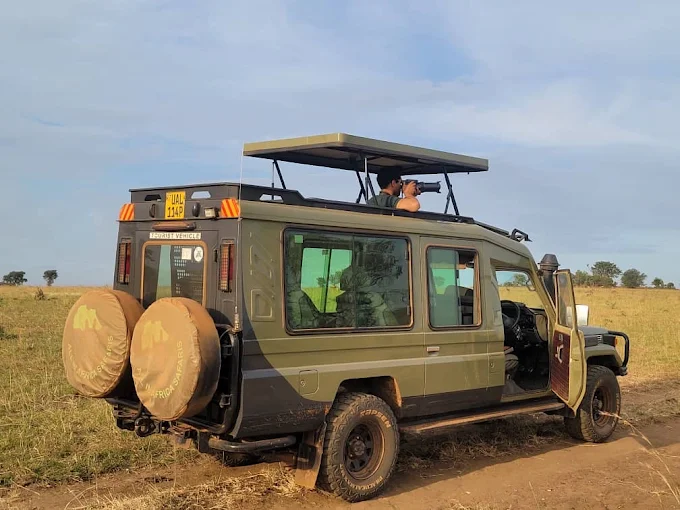
Large, well-habituated baboon troops are genuinely reliable to observe across Lake Manyara National Park and the Serengeti-Mara ecosystem, alongside troops documented at Tarangire National Park, both offering genuine opportunities to observe grooming, coalition behaviour, and rank-based interaction firsthand.
Best Time of Year for Baboon Troop Viewing
Baboons are visible year-round given resident troop territories. See our regional best-time guide for how seasonal patterns generally affect wider game viewing.
Photographing Baboon Social Behaviour
Capturing grooming sessions or a visible dominance interaction offers genuinely rich behavioural photography beyond a standard troop portrait. See our camera gear guide for broader equipment recommendations.
What to Pack for Primate-Focused Game Drives
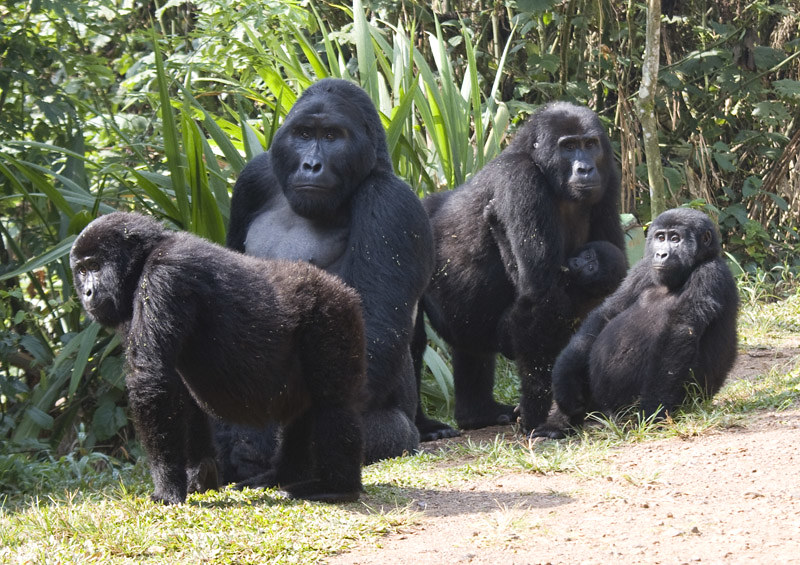
Standard game drive gear – neutral clothing, sun protection, and binoculars – covers most of what baboon troop viewing requires. If your wider itinerary includes gorilla trekking, our gorilla trekking packing list covers that portion separately.
Why Alpha Male Tenure Genuinely Tends to Be Short-Lived
Unlike matrilineal female rank, which can persist stably across generations, a male baboon’s time as the troop’s top-ranking individual genuinely tends to be considerably brief, often only months to a couple of years, given the constant pressure from coalition-forming rivals and new maturing males entering the troop, meaning male dominance within baboon society genuinely functions as a continuously contested position rather than a stable, long-term achievement.
How Stress Hormones Genuinely Correlate With Rank Position
Long-term baboon research has found genuinely measurable differences in stress hormone levels correlating with an individual’s social position, with both very high-ranking males facing the stress of constant challenge and very low-ranking individuals facing the stress of limited resource access and frequent harassment, meaning the middle of the hierarchy sometimes genuinely represents a less physiologically stressful position than the pressures associated with either extreme.
Why Infant Baboons Receive Genuinely Elevated Troop-Wide Attention
New infants genuinely attract considerable interest from across the wider troop regardless of the mother’s own individual rank, with other females frequently attempting to handle or groom a newborn, a behaviour that reflects the infant’s genuine social importance within the troop’s broader relationship network, though high-ranking mothers typically retain more control over exactly who gets access to handle their infant compared to lower-ranking mothers.
Comparing Baboon Social Structure to Other East African Primates
Where spotted hyena clans organise around female-led dominance with less complex male coalition politics, baboon troops genuinely combine both a stable inherited female hierarchy and a considerably more volatile, coalition-driven male system simultaneously, making baboon social structure genuinely one of the more layered and actively studied primate hierarchies in African wildlife research.
Why Guides Value Explaining Troop Hierarchy to Visitors
Given how easy it is to see a baboon troop as one undifferentiated group, experienced guides genuinely value pointing out visible rank cues, feeding order, grooming patterns, spatial positioning, adding real behavioural depth to what might otherwise register as simply “a troop of baboons.”
Combining Baboon Troop Viewing With a Wider Primate Circuit
Baboon social behaviour viewing pairs naturally with a broader primate-focused itinerary covering chimpanzee trekking and other monkey species within the same overall trip.
Why Baboon Alliance Politics Genuinely Extend Beyond Simple Pairs
Beyond straightforward two-male coalitions, researchers studying baboon social dynamics have documented genuinely more complex multi-male alliance networks that shift over time as individual relationships strengthen or weaken, with some males maintaining what researchers describe as genuine “friendships,” consistent grooming and support partnerships with specific troop members that persist independently of immediate rank competition, suggesting baboon social cognition genuinely tracks individual relationship history rather than operating purely on rank position alone.
How Troop Size Genuinely Affects Overall Social Complexity
Larger baboon troops, sometimes numbering over 100 individuals in resource-rich habitat, genuinely require considerably more complex tracking of individual relationships and rank positions than smaller troops, and researchers believe this cognitive demand may be directly linked to primate brain size evolution more broadly, since managing dozens of distinct, shifting social relationships simultaneously genuinely represents a significant ongoing mental workload for each individual troop member.
Why Rank Reversals Genuinely Happen When a Dominant Female Dies
When a high-ranking female dies, her daughters genuinely don’t automatically retain her exact former position, and researchers have documented cases of sometimes chaotic, temporary rank instability among surviving female relatives as the wider troop’s female hierarchy readjusts, meaning even the comparatively stable matrilineal system genuinely experiences real disruption at these transition points rather than being a perfectly fixed, unchanging structure once established early in an individual’s life.
Why Reconciliation Behaviour Genuinely Follows Most Aggressive Encounters
Following a genuine confrontation between troop members, researchers have documented a consistent pattern of reconciliation behaviour, typically grooming or physical contact initiated within minutes of the conflict ending, that appears to genuinely repair the relationship and reduce the likelihood of renewed aggression between the same two individuals shortly afterward, a behavioural pattern suggesting baboons actively manage and maintain specific relationships rather than simply resetting to a purely rank-based default after every dispute.
Frequently Asked Questions
How do female baboons get their rank in the troop?
Largely inherited directly from their mother, with daughters typically settling just below her in the troop’s overall female hierarchy.
How do male baboons establish their rank?
Through direct physical competition and coalition-building after leaving their birth troop, making male rank considerably less stable than female rank.
Why is grooming so important in baboon troops?
It functions as a key social currency, with lower-ranking individuals grooming higher-ranking members to build bonds and reduce aggression risk.
Does the alpha male decide where the troop moves?
Not necessarily – movement decisions often emerge more democratically from where enough troop members are already heading.
Where can I see baboon troop dynamics on safari?
Lake Manyara National Park and the Serengeti-Mara ecosystem both offer strong, well-habituated troops for observation.
Ready to Plan Your East Africa Safari?
Whether observing baboon troop behaviour firsthand, wider primate viewing, or a full East Africa itinerary is your priority, our team can build a trip matched to your interests. Get in touch with our team below today and let’s start planning your complete safari itinerary together.



No comment