Uganda, known as the “Pearl of Africa,” is not only a paradise for gorilla fans, but also a popular site for chimpanzee trekking. This exhilarating experience transports you deep into the heart of lush rainforests and provides a once-in-a-lifetime opportunity to see the behavior of our closest cousins in their natural homes.
Why Choose Uganda for Chimpanzee Trekking?
1. Abundant Chimpanzee Population
Uganda boasts a thriving population of chimpanzees, with both common chimpanzees and the endangered Eastern chimpanzees residing in various national parks and forests across the country. This diversity provides numerous opportunities for trekking.
2. Diverse Trekking Locations
Uganda offers multiple locations for chimpanzee trekking, including Kibale Forest National Park, Budongo Forest Reserve, and Queen Elizabeth National Park, each with its unique charm and ecosystems.
3. Expert Guided Experiences
Experienced guides accompany trekkers, offering valuable insights into chimpanzee behavior, ecology, and the local flora and fauna. These guides enhance the overall trekking experience.
Preparing for Chimpanzee Trekking
1. Secure a Chimpanzee Trekking Permit
To embark on a chimpanzee trek, you must obtain a trekking permit. It’s advisable to book your permit in advance, as they have limited daily quotas, and availability can be competitive.
2. Dress Appropriately
Wear comfortable clothing suitable for trekking in a rainforest environment. Sturdy hiking boots, long trousers, and a long-sleeved shirt are recommended to protect against vegetation and insects.
3. Pack Essentials
Carry essentials like water, snacks, a rain jacket, insect repellent, sunscreen, and a camera to capture your chimpanzee encounter.
The Chimpanzee Trekking Experience
1. Early Morning Start
Chimpanzee treks typically begin early in the morning, as this is when chimpanzees are most active. After a briefing from your guide, you’ll set out on a guided hike through the forest.
2. Encounter with Chimpanzees
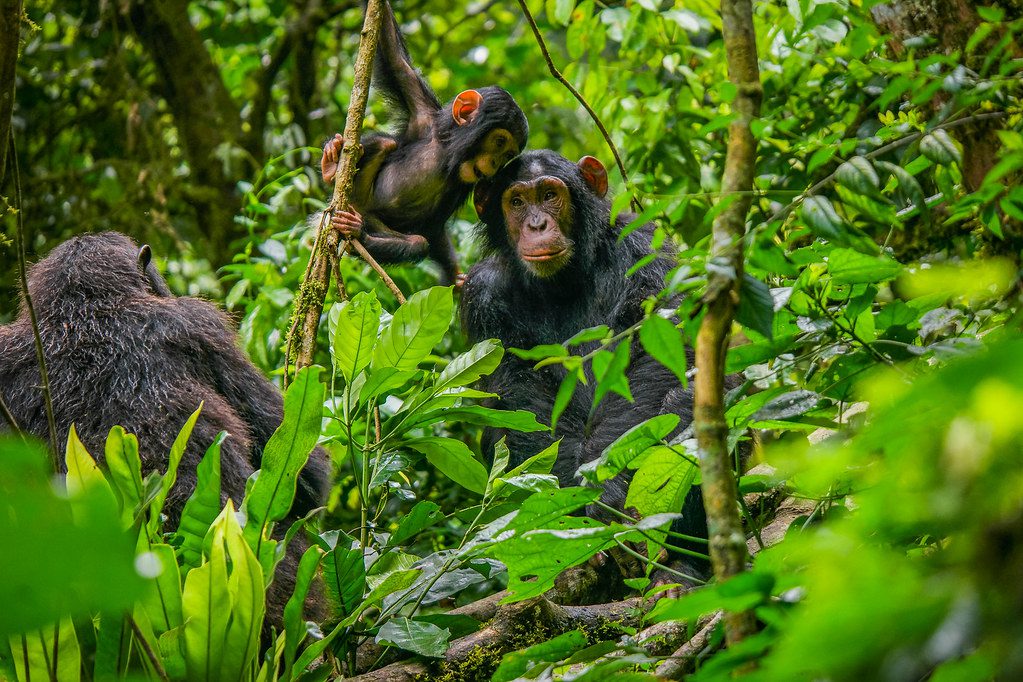
The heart-pounding moment arrives when you encounter a chimpanzee family. You’ll have the privilege of observing their playful antics, social interactions, and, if you’re lucky, witness them grooming, feeding, or caring for their young.
3. Ethical and Respectful Observations
Guides enforce strict guidelines to ensure the safety of both trekkers and chimpanzees. Maintaining a respectful distance and avoiding direct eye contact with the chimpanzees is crucial for their well-being.
Conservation and Sustainable Tourism
Chimpanzee trekking in Uganda contributes to the conservation of these incredible primates and their habitats. Permit fees go directly toward supporting conservation efforts, protecting chimpanzees, and preserving their natural environments.
Finally, chimp trekking in Uganda is an enthralling adventure into the jungle that allows you to engage with these incredible creatures. It’s a journey packed with natural beauty, education, and a greater understanding of the value of wildlife protection. For those looking for a remarkable and profound animal experience, chimp trekking in Uganda is a must-do.
Best Time for Chimpanzee Trekking in Uganda
The dry seasons, June to September and December to February, offer the firmest trails and highest visitor numbers across Uganda’s chimp trekking sites, while the wetter months bring muddier conditions alongside a noticeably lusher forest and thinner crowds. Because chimpanzee communities remain trackable year-round, the choice of season generally comes down to a traveler’s tolerance for mud versus a preference for firmer footing, rather than any real difference in sighting reliability.
Comparing Kibale, Budongo, and Kyambura
Kibale Forest offers the highest chimpanzee density and the widest range of trekking formats, including the extended Habituation Experience, while Budongo Forest, easily combined with a Murchison Falls stay, and Kyambura Gorge, accessible from Queen Elizabeth National Park, offer somewhat lower but still genuinely strong sighting rates for travelers whose itinerary already routes through those areas. Choosing between these three sites often comes down to which fits most naturally into your broader Uganda circuit, rather than any dramatic difference in overall trekking quality.
Physical Fitness for Chimpanzee Trekking
Standard treks cover a few kilometers over one to three hours depending on how quickly a chimp group is located, with the forest’s uneven terrain, roots, mud, and occasional inclines, rewarding a reasonable baseline fitness level. Most travelers of average fitness complete the trek comfortably, and sturdy, broken-in footwear makes a genuine difference to overall comfort during the walk.
Accommodation Near Uganda’s Chimp Trekking Sites
Lodges and camps surrounding Kibale, Budongo, and Kyambura range from budget guesthouses to upmarket boutique properties, most positioned to allow an early trek start without a long pre-dawn drive. All in Africa Safaris can match your accommodation choice to whichever trekking site fits your overall itinerary and budget, from simple campsites through to full luxury lodges with forest views.
Combining Chimpanzee and Gorilla Trekking
Many travelers combine Uganda’s chimpanzee trekking with gorilla trekking in Bwindi Impenetrable Forest, giving them two genuinely distinct primate encounters within a single trip, chimps in the forest canopy and gorillas on the forest floor. All in Africa Safaris can sequence both experiences efficiently across a well-paced Uganda primate safari built around your available time and travel dates.
The Chimpanzee Habituation Experience
Beyond the standard one-hour trek, Kibale offers a longer Chimpanzee Habituation Experience, placing visitors alongside researchers working with a community still becoming accustomed to human presence, following them from their morning nests through the start of the day’s activity. This deeper, more research-oriented option runs on a smaller daily quota than standard permits, so early booking matters for travelers specifically drawn to this format.
Bird and Primate Diversity Beyond the Chimps
Uganda’s chimp trekking forests support considerably more than their headline primates, Kibale alone hosts over 375 bird species alongside red colobus monkeys, L’Hoest’s monkeys, and grey-cheeked mangabeys, meaning a chimp trek often turns up genuinely memorable sightings beyond chimpanzees themselves. This layered biodiversity is one more reason Uganda’s forests reward slower, more attentive exploration rather than a single-minded focus on the primary attraction alone.
What Makes a Chimp Encounter Different From Gorillas
Chimpanzees’ more animated, vocal, and visibly playful behavior compared to gorillas’ generally calmer demeanor gives chimp trekking a distinctly different character, more dynamic and unpredictable moment to moment, appealing especially to travelers who’ve already experienced a gorilla trek and want a genuinely different kind of primate encounter. Many repeat East Africa visitors specifically seek out chimp trekking for this contrast, rather than treating it as a lesser alternative to gorillas.
Rules That Protect Both Trekkers and Chimps
Standard guidelines apply at every Uganda trekking site: maintain roughly seven meters of distance, keep voices low, and avoid trekking while unwell, since chimpanzees share close genetic similarity with humans and can contract human illnesses through close contact. Groups are kept deliberately small at each site, balancing genuine viewing quality against the chimps’ long-term wellbeing under regular human observation.
Photography Tips for Chimpanzee Trekking
Dappled forest light and chimps’ frequent movement through dense understory call for a fast lens and a willingness to shoot at higher ISO settings, since tripods are impractical during a moving trek and low light is common beneath the canopy. Image stabilization and steady handheld technique matter more here than raw equipment weight, given the pace and unpredictability of following an active chimp group through the forest, so practicing with your camera’s settings before you travel is well worth the effort.
Making Chimp Trekking the Highlight of Your Trip
For travelers weighing which single wildlife activity deserves the most planning attention on a Uganda itinerary, chimpanzee trekking’s combination of high sighting reliability, genuine adventure, and close primate contact consistently earns it a place among the trip’s most memorable moments. All in Africa Safaris can help ensure chimp trekking gets the priority and planning it deserves within your wider Uganda safari.
Booking Your Chimpanzee Trekking Permit
Daily trekking permits across Uganda’s chimp sites are limited, particularly during the dry-season peak, making early booking through a local operator worthwhile for travelers with fixed dates. All in Africa Safaris can secure your permit alongside accommodation and the rest of your Uganda itinerary well ahead of your travel window.
A Genuinely Rewarding Wildlife Encounter
Between the forest setting, the close primate contact, and the genuine conservation impact of every permit purchased, chimpanzee trekking in Uganda offers a rare combination of adventure and meaning that few other single activities on a standard safari itinerary can match. Whatever else your Uganda trip includes, this experience consistently earns its place among the highlights travelers remember longest.
Your Next Step Toward the Forest
With permits, sector choice, and accommodation all requiring coordination, the smoothest path from reading about chimpanzee trekking to actually standing in Kibale’s or Budongo’s forest runs through a knowledgeable local operator. All in Africa Safaris can take you from initial inquiry through a fully arranged chimpanzee trekking safari, handling every detail along the way.
A Wild Adventure Worth Planning For
Chimpanzee trekking rewards genuine advance planning, permits, packing, and timing, over a spontaneous, last-minute approach, and the payoff for that planning is a morning in the forest that consistently ranks among travelers’ most vividly remembered wildlife encounters anywhere in Africa. Starting that planning process early gives you the best chance at securing exactly the trekking experience you’re hoping for, whether that’s a single standard trek or the deeper Habituation Experience deep within Uganda’s forest reserves.