
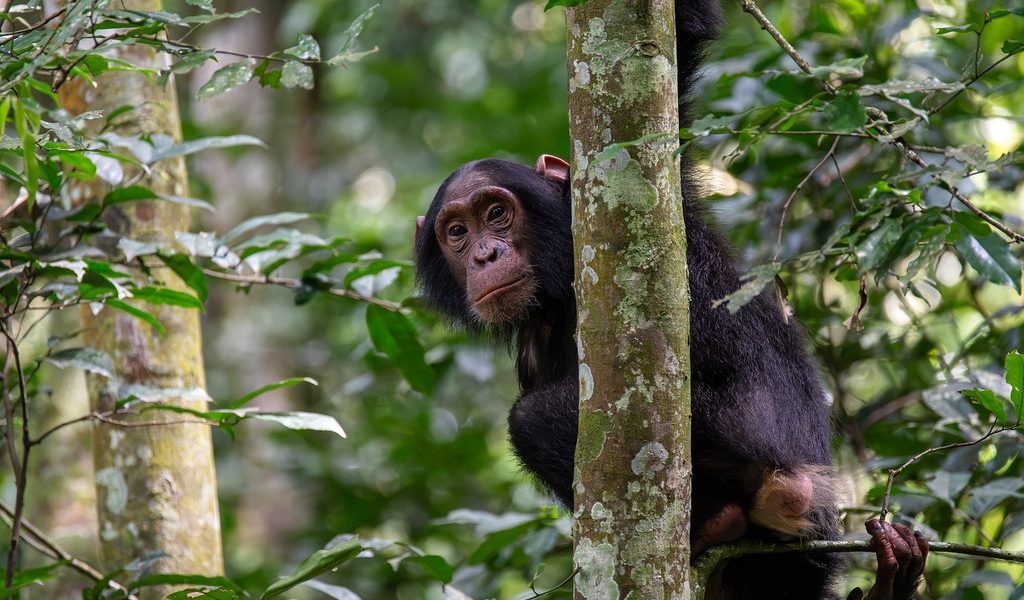
2 Days Nyungwe Forest Chimpanzee Tracking and Canopy Walk with Mukusi Tree Planting
Overview
Experience the remarkable biodiversity of Rwanda on this 2-day Nyungwe Forest chimpanzee tracking and canopy walk safari. This short adventure takes you into one of Central Africa’s oldest montane rainforests, where you will search for wild chimpanzees, explore the forest from an elevated canopy walkway, and discover the rich birdlife and natural beauty of Nyungwe National Park.
The safari combines primate encounters, forest exploration and responsible conservation through a GreenSpot tree-planting activity featuring the Mukusi tree. You will have an opportunity to learn about the importance of indigenous trees, forest restoration and the role local communities play in protecting Rwanda’s natural heritage.
Nyungwe is home to chimpanzees, several other primate species, hundreds of bird species and an extraordinary variety of forest plants. The two days offer a rewarding introduction to this protected landscape, with guided activities designed to help you appreciate its ecological importance.
Safari Highlights
- Chimpanzee tracking in Nyungwe Forest National Park.
- Guided exploration of the forest with experienced park guides.
- Walking along the famous Nyungwe Canopy Walkway.
- Opportunities to see other primates, forest birds and unique vegetation.
- GreenSpot Mukusi tree planting at an approved restoration or community site.
- Scenic views of Rwanda’s rolling hills, tea plantations and forest-covered mountains.
- Learning about rainforest conservation and the importance of indigenous tree species.
Tree Species Featured in the Planting Programme
Mukusi Tree (Baikiaea plurijuga)
Common names: Mukusi, Rhodesian teak and Zambezi redwood.
The Mukusi tree is a valuable hardwood species recognised for its strong and durable timber. Scientifically known as Baikiaea plurijuga, it belongs to the legume family and naturally grows in dry woodland environments in parts of southern Africa.
Main Uses
- Its durable timber is used for furniture, flooring, doors and other woodworking applications.
- The wood is valued for its strength and resistance to decay.
- It can provide shade and contribute to suitable woodland restoration programmes.
- Its flowers and seeds contribute to the ecological life of its natural woodland habitat.
Why Plant It?
The GreenSpot planting programme encourages environmental responsibility through the planting and care of trees. Mukusi can contribute to appropriate woodland restoration projects where its natural growing requirements are met.
The activity also helps visitors understand that successful tree planting involves selecting suitable species, preparing the planting site, protecting young seedlings and ensuring their continued growth.
Planted At
The Mukusi seedling will be planted at an approved community, institutional or restoration site outside Nyungwe National Park, following an ecological assessment.
Mukusi is associated with dry woodland environments and is not a characteristic native species of Nyungwe’s wet montane rainforest. It should therefore not be planted inside the protected rainforest as part of a native forest restoration programme. Where restoration of Nyungwe’s natural forest is the objective, locally appropriate native species should be selected in consultation with conservation authorities.
Detailed Itinerary
Day 1: Transfer to Nyungwe Forest National Park and Canopy Walk Experience
Your safari begins with an early morning pickup from your hotel in Kigali or another agreed location. After meeting your professional driver-guide, you will begin your journey towards southwestern Rwanda and Nyungwe Forest National Park.
The drive takes you through Rwanda’s beautiful countryside, characterised by rolling hills, green agricultural landscapes, traditional settlements and scenic tea plantations. As you travel towards the southwestern highlands, the landscape gradually changes, revealing the impressive forest-covered mountains of the Nyungwe region.
Along the way, you may make selected stops for photography, refreshments and short breaks. Your guide will introduce you to Rwanda’s countryside, local communities and conservation initiatives while explaining the importance of Nyungwe as one of the country’s most valuable natural ecosystems.
Upon arrival in the Nyungwe area, proceed to your lodge for check-in and lunch, depending on your arrival time. After some time to relax, prepare for your afternoon canopy walk experience.
Afternoon: Nyungwe Forest Canopy Walk
After lunch, transfer to the Uwinka Visitor Centre, where your canopy walk adventure begins. Meet your park guide for a briefing before following the designated forest trail towards the suspended walkway.
The Nyungwe Canopy Walkway offers a unique opportunity to experience the rainforest from above the forest floor. As you walk along the elevated bridge, you will enjoy impressive views of the forest canopy, deep valleys and surrounding green mountains.
From this elevated position, you may observe birds, butterflies and other forest wildlife moving through the vegetation. You may also spot monkeys jumping between branches, although wildlife sightings are never guaranteed.
Your guide will explain the ecological importance of Nyungwe, including its rich plant diversity, forest structure and role in protecting important water catchment areas.
The canopy walk is an unforgettable experience for nature lovers, photographers and adventure travellers. It provides a different perspective of the rainforest and allows you to appreciate the scale and beauty of this remarkable ecosystem.
After completing the canopy walk, return along the designated trail to the visitor centre. Depending on the available time, you may enjoy a short nature walk or visit a nearby viewpoint before returning to your lodge.
Spend the evening relaxing, enjoying dinner and preparing for the following morning’s chimpanzee tracking adventure.
Accommodation: Lodge near Nyungwe Forest National Park.
Meals: Lunch and dinner.
Day 2: Chimpanzee Tracking and Mukusi Tree Planting Experience
Wake up early for breakfast before transferring to the designated chimpanzee tracking briefing point. Chimpanzee tracking is generally conducted in the morning, and the departure time and meeting location depend on the tracking sector assigned by park management.
Morning: Chimpanzee Tracking in Nyungwe Forest
Upon arrival at the briefing point, meet your park ranger and tracking team for an introduction to the activity. You will receive instructions about forest safety, responsible wildlife viewing and the appropriate distance to maintain from the chimpanzees.
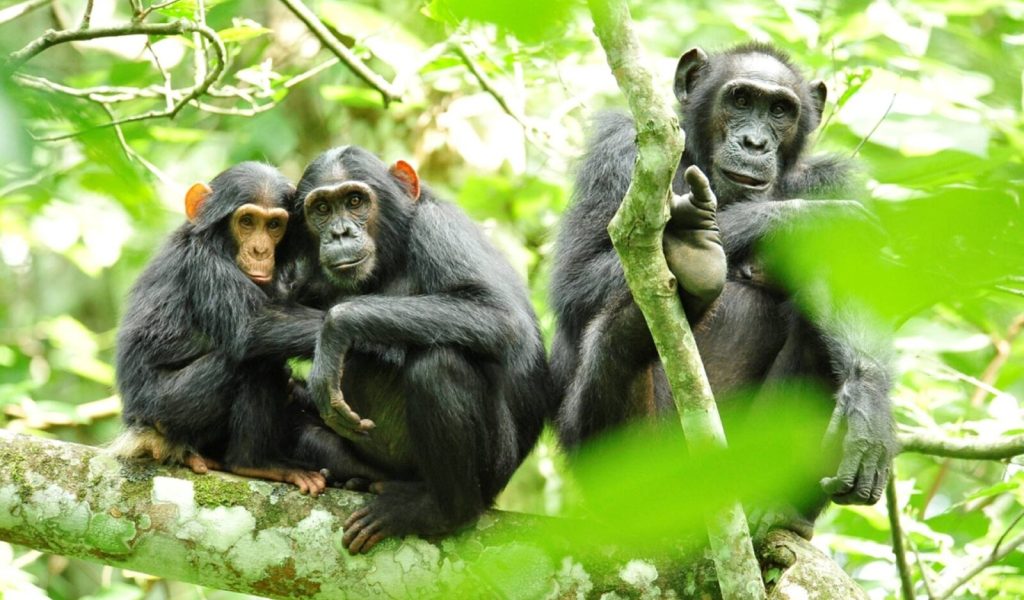
Nyungwe is one of Rwanda’s most important habitats for eastern chimpanzees. The forest supports wild chimpanzee communities that move freely through the trees and forest floor in search of food.
After the briefing, begin your guided trek through the dense rainforest. The experience may involve walking along established forest trails and sometimes following the trackers through challenging terrain as they locate the chimpanzees.
Chimpanzees are highly active and social primates. They move through the forest searching for fruits, leaves and other food. During the trek, listen for their distinctive calls and watch for movement in the canopy as your guide and trackers help locate the group.
Once the chimpanzees are found, you will have an opportunity to observe their natural behaviour. You may see them feeding, grooming, playing, communicating, resting or moving through the trees.
Watching these intelligent primates interact in their natural habitat is one of the most rewarding wildlife experiences in Rwanda. Their vocalisations, social relationships and movements through the forest offer fascinating insights into their behaviour.
The duration of the trek depends on the location and movements of the chimpanzees. Visitors should be prepared for several hours of walking through humid and sometimes muddy forest conditions. Because chimpanzees are wild animals, sightings cannot be guaranteed.
After completing the tracking experience, return to the designated reception area and proceed for lunch.
Afternoon: GreenSpot Mukusi Tree Planting Experience
After lunch, participate in the GreenSpot tree-planting activity at an approved community, institutional or restoration site outside Nyungwe National Park.
Upon arrival, you will be welcomed by the local planting partners, who will introduce you to the purpose of the activity and explain how responsible tree planting contributes to environmental conservation.
You will participate in planting a Mukusi (Baikiaea plurijuga) seedling, provided that the selected site has been assessed as suitable for this species.
Your host will demonstrate how to prepare the planting hole, position the seedling correctly, return the soil around its roots and water it appropriately. You will also learn about the importance of protecting young trees from livestock, fire and other environmental threats.
The experience highlights an important conservation message: planting a tree is only the beginning. Regular monitoring, appropriate care and long-term protection are necessary to improve the chances of survival.
You will have time to take photographs and interact with the local participants while learning about community involvement in environmental conservation.
After completing the tree-planting activity, begin your return journey to Kigali or continue to your next agreed destination.
This marks the end of your 2-day Nyungwe Forest chimpanzee tracking and canopy walk safari.
Accommodation: Not included on this day.
Meals: Breakfast and lunch.
Optional Activities
Depending on your interests, available time and park arrangements, you may add other activities to your Nyungwe safari.
Colobus Monkey Tracking: Nyungwe is famous for its large troops of Angolan black-and-white colobus monkeys. A guided tracking experience provides opportunities to observe these social primates moving through the forest canopy.
Forest Nature Walks: Explore additional forest trails with a knowledgeable guide and learn about Nyungwe’s vegetation, medicinal plants, wildlife and ecological importance.
Birdwatching: Spend additional time searching for Nyungwe’s remarkable forest birds, including species endemic to the Albertine Rift.
Waterfall Hiking: Visit one of the forest’s scenic waterfalls on a guided hiking trail. This activity is suitable for visitors interested in exploring more of Nyungwe’s natural scenery.
Community and Cultural Experiences: Visit communities around the forest to learn about traditional activities, local crafts, tea growing and the relationship between local livelihoods and conservation.
Tea Plantation Visit: Explore the tea-growing landscapes surrounding Nyungwe and learn about tea production, one of Rwanda’s important agricultural activities.
Frequently Asked Questions
1. Where is Nyungwe Forest National Park located?
Nyungwe Forest National Park is located in southwestern Rwanda, near the border with Burundi and not far from Lake Kivu. It protects an extensive area of montane rainforest and is one of Rwanda’s most important biodiversity conservation areas.
2. Can I see chimpanzees during the tracking experience?
Chimpanzee tracking offers an opportunity to observe wild chimpanzees in their natural habitat. Experienced trackers and park guides help locate the chimpanzee communities, but sightings cannot be guaranteed because the animals move freely through the forest.
3. How difficult is chimpanzee tracking?
Chimpanzee tracking can be physically demanding. The forest terrain includes steep slopes, muddy trails, thick vegetation and uneven ground. The walking distance and duration depend on where the chimpanzees are located and how far they move.
4. How long does chimpanzee tracking take?
The activity can take several hours, depending on the location and movement of the chimpanzees. Visitors should reserve much of the morning for the experience.
5. What is the Nyungwe Canopy Walkway?
The Nyungwe Canopy Walkway is a suspended bridge system that allows visitors to explore the rainforest from an elevated position. It provides impressive views of the forest canopy, surrounding valleys and mountain landscapes.
6. Is the canopy walk suitable for beginners?
Yes. Visitors do not need previous hiking or climbing experience, but they should be comfortable walking on a suspended structure at considerable height. People with a strong fear of heights may find the experience challenging.
7. What is the Mukusi tree?
Mukusi is the common name for Baikiaea plurijuga, a hardwood tree associated with dry woodland environments in parts of southern Africa. It is valued for its durable timber and can contribute to suitable woodland restoration projects.
8. Will I plant a tree inside Nyungwe National Park?
No. The Mukusi planting activity is planned for an approved community, institutional or restoration site outside the protected rainforest. Mukusi is not a characteristic native species of Nyungwe’s wet montane forest, so it should not be introduced into the protected ecosystem.
9. What is included in the GreenSpot tree-planting activity?
The activity includes an introduction to the planting programme, guidance on preparing the planting site, participation in planting a seedling and learning about its care and protection. Long-term monitoring arrangements depend on the local planting partner.
10. What should I pack for this safari?
Bring comfortable hiking boots, long trousers, a waterproof jacket, a small backpack, drinking water, insect repellent, binoculars and a camera. A walking stick may also be useful during chimpanzee tracking.
11. What is the minimum age for chimpanzee tracking?
The minimum age for chimpanzee tracking in Rwanda is generally 15 years. Visitors should confirm the applicable park regulations and permit conditions when booking.
12. Can this safari start and end in Kigali?
Yes. The itinerary can start and end in Kigali. However, the journey between Kigali and Nyungwe takes several hours each way, so departure times should be planned carefully to allow enough time for the scheduled activities.
Nyungwe Forest National Park: A Biodiversity Treasure of Rwanda
Nyungwe Forest is one of Rwanda’s most important natural conservation areas. Its extensive montane rainforest provides habitat for a remarkable variety of plants, mammals, birds, reptiles, amphibians and insects.
The forest is particularly important for primate conservation. Apart from chimpanzees, it supports several monkey species, including Angolan black-and-white colobus monkeys, L’Hoest’s monkeys, blue monkeys, red-tailed monkeys and grey-cheeked mangabeys.
Nyungwe’s vegetation includes towering forest trees, shrubs, ferns, orchids, mosses and other plant species adapted to the cool and humid conditions of the mountains. Its dense vegetation helps regulate water flows, protect soils and maintain important ecological processes.
The forest is also an important water catchment area. It helps support rivers and streams that supply water to surrounding communities and contribute to wider regional drainage systems. Protecting Nyungwe therefore benefits both wildlife and people.
Birdwatching Opportunities in Nyungwe Forest
Nyungwe is one of Rwanda’s outstanding birdwatching destinations, particularly for visitors interested in Albertine Rift endemics and forest-dependent species.
During the safari, birdwatchers may encounter species such as:
- Ruwenzori turaco
- Great blue turaco
- Red-collared mountain babbler
- Ruwenzori batis
- Grauer’s rush warbler
- Regal sunbird
- Blue-headed sunbird
- Barred long-tailed cuckoo
- Yellow-eyed black flycatcher
- Strange weaver
Bird activity is often noticeable in the forest canopy, along hiking trails and around forest edges. The canopy walk also provides a different perspective for observing birds that spend much of their time in the upper vegetation layers.
Visitors interested in specialised birdwatching can arrange additional time with experienced local bird guides.
Community Experiences Around Nyungwe Forest
Communities living around Nyungwe play an important role in protecting the forest and supporting sustainable tourism. Their participation helps create economic opportunities while encouraging responsible use of natural resources.
Depending on local arrangements, visitors can explore craft activities, learn about traditional practices, visit tea-growing areas and interact with community members involved in tourism and conservation.
These experiences provide an opportunity to understand how forest protection connects with everyday life. Responsible tourism supports local guides, accommodation providers, transport operators, craft producers and other small businesses.
GreenSpot Tree Planting and Environmental Conservation
The GreenSpot tree-planting activity adds a practical conservation element to this safari. Rather than simply visiting a protected forest, travellers participate in an activity that encourages awareness of tree conservation and responsible environmental management.
Through the Mukusi planting experience, visitors learn about the value of appropriate tree species, the importance of selecting suitable planting environments and the need to protect seedlings after planting.
Since Mukusi (Baikiaea plurijuga) is associated with dry woodland rather than Nyungwe’s wet montane rainforest, the planting programme should use an ecologically appropriate site outside the protected forest. For restoration within Nyungwe, locally native forest species recommended by qualified conservation partners should be used instead.
GreenSpot promotes the principle that successful conservation requires more than planting trees. It requires community participation, responsible land management, appropriate species selection and long-term care.
Practical Notes for the Safari
Chimpanzee Permits: Chimpanzee tracking should be booked in advance. Permit availability, tracking arrangements and briefing locations should be confirmed before travelling.
Canopy Walk Arrangements: The canopy walk requires a guided visit. Confirm availability and the scheduled time before your safari.
Fitness Requirements: Chimpanzee tracking involves walking through challenging forest terrain. Visitors should have a reasonable level of physical fitness.
Clothing: Wear long trousers, long-sleeved shirts and comfortable hiking boots. Carry a waterproof jacket because rainfall is possible throughout the year.
Photography: Bring a camera with sufficient battery power and memory. Avoid flash photography when observing wildlife.
Responsible Wildlife Viewing: Follow the instructions of your park guide, avoid loud noises and never attempt to feed or touch wild animals.
Tree Planting: The Mukusi seedling should be planted at a suitable site outside Nyungwe’s protected rainforest, with permission from the landowner or responsible institution. Follow-up care should be arranged with the planting partner.
Transport: A comfortable 4×4 safari vehicle is recommended, particularly during rainy periods when some roads can become slippery.
Best Time to Visit Nyungwe Forest
Nyungwe Forest can be visited throughout the year, although weather conditions influence hiking comfort, road conditions and wildlife-tracking experiences.
The relatively drier periods, particularly June to September and December to February, are often convenient for visitors planning chimpanzee tracking, canopy walks and forest hikes. Trails may be less muddy during these months, although rainfall can still occur.
The wetter periods, generally March to May and October to November, bring heavier rainfall. The forest becomes especially lush, creating beautiful scenery and excellent opportunities to appreciate its vegetation. However, hiking trails may become slippery, making suitable footwear and rain protection essential.
Chimpanzee tracking and canopy walks operate according to park arrangements and availability, so visitors should confirm their activities before travelling.
Why Choose This 2-Day Nyungwe Forest Safari?
This two-day safari combines two of Rwanda’s most memorable rainforest experiences: searching for wild chimpanzees and walking above the forest canopy. It also introduces visitors to the ecological importance of Nyungwe and the role of surrounding communities in conservation.
The GreenSpot Mukusi tree-planting activity adds an environmental learning experience, with careful attention to selecting an appropriate planting location for the species.
Whether you are interested in primates, birdwatching, forest adventures or responsible tourism, this journey offers a rewarding opportunity to discover the natural beauty of southwestern Rwanda.
Travel into the wild, explore Nyungwe’s remarkable rainforest, encounter its fascinating chimpanzees and take part in a meaningful tree-planting experience.
Tour Includes
- Travel in a 4×4 car
- Professional guide
- Park fees
- Accommodation
- Meals
- All Activities In Itinerary
Tour Excludes
- Alcoholic drinks
- Laundry
- Tips
- Shopping
- Insurance
- Anything not included per itinerary
Get Your Tailored 5 Days Rwanda Gorilla Trekking Hagenia abyssinica Tree-Planting Safari from Kigali to Musanze
Uganda Safari Photos
Our Green Spot Campaign
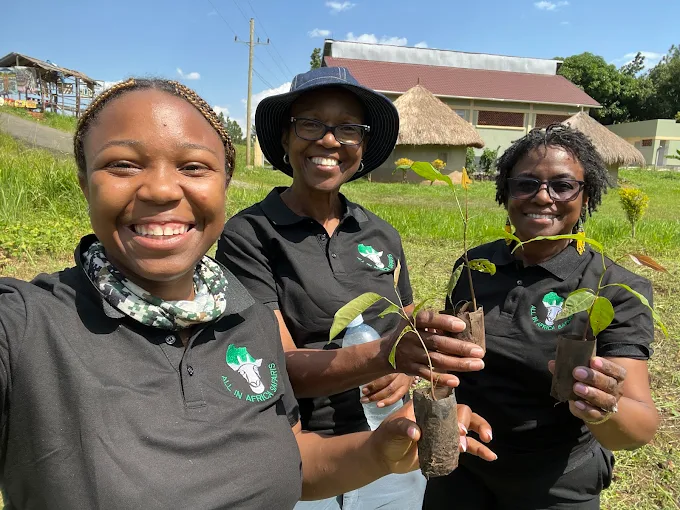
Every safari with us supports our Green Spot Campaign — planting trees across Uganda’s communities. Learn more & get involved →
All in Africa Safaris arranges tours to Uganda, Rwanda, Kenya and Tanzania
3 Days Murchison Falls Safari
Discover the Wildlife in the Murchison Falls National Park with engagement with a boat cruise and game drives which lead to a nature walk on top of the falls
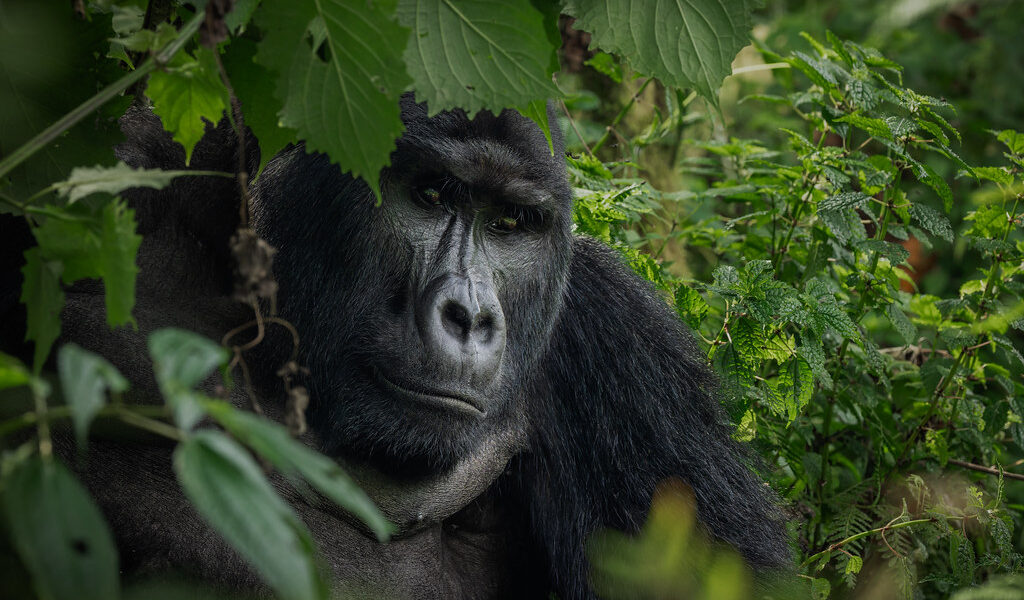
4 Days Gorillas & Queen Wildlife
Visit the magical national parks of Uganda known as Bwindi Forest and Queen Elizabeth National Park including gorilla trekking and wildlife views for travelers
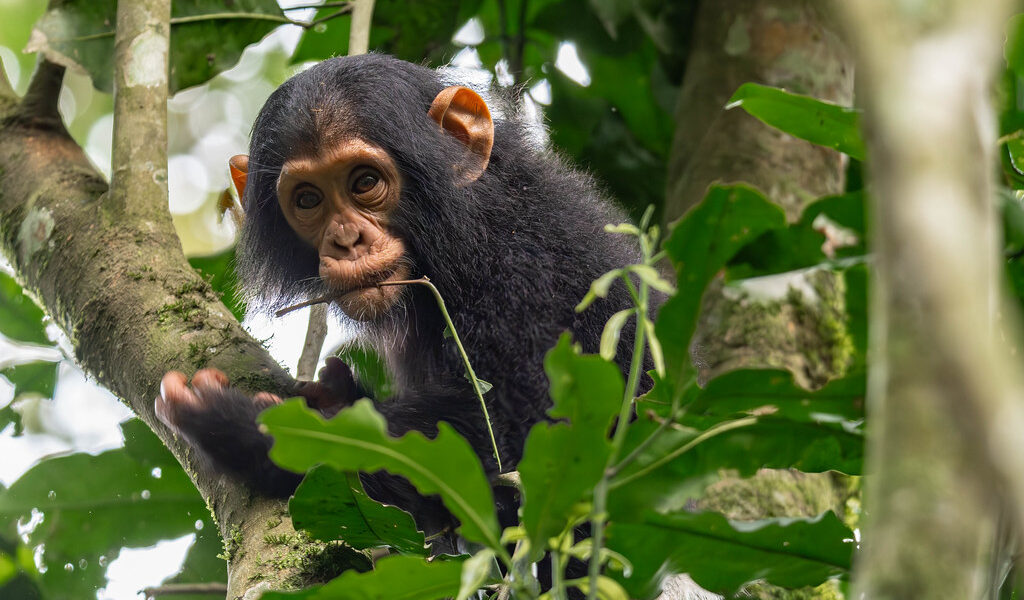
5 Days Gorillas & Chimps Track
Explore the great Mgahinga National Park conserving and protecting the endangered Mountain gorillas & chimpanzees in the pearl of Africa
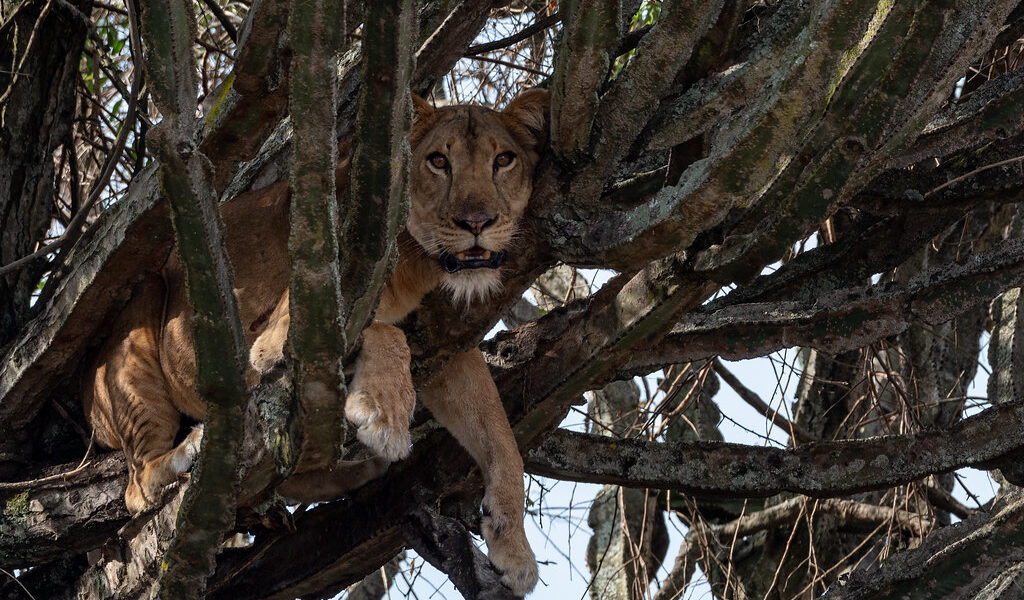
6 Days Uganda Safari
Visit the magical national parks of Uganda known as Bwindi Forest and Queen Elizabeth National Park which include the gorilla trekking and wildlife views
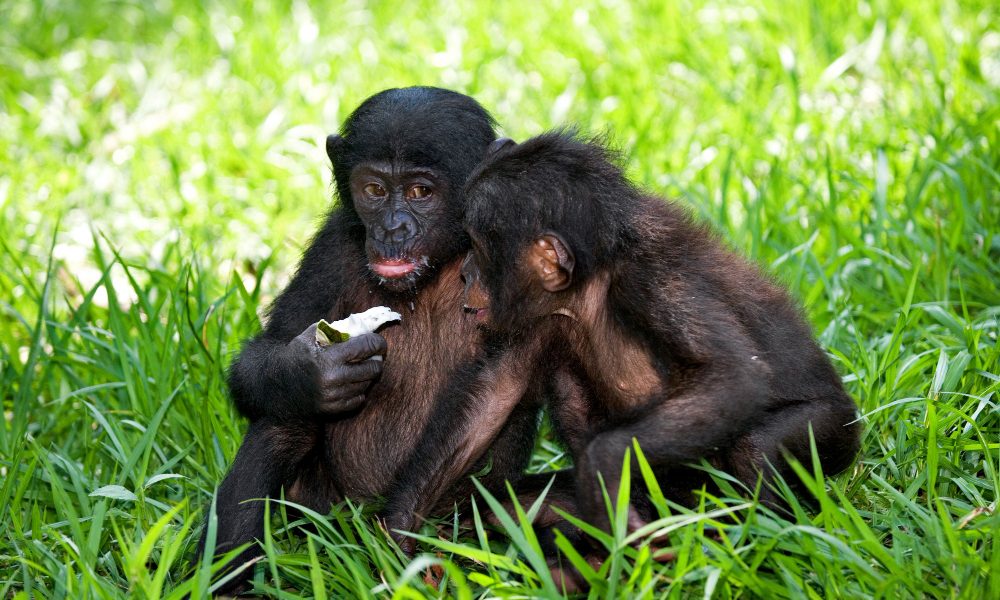
1 Day Bwindi Gorilla Tour from Kigali
A fast-paced day trip from Kigali into Bwindi Impenetrable Forest for a single unforgettable hour with a mountain gorilla family
3 Days Chimpanzee Tracking in Kibale
Track chimpanzees through Africa’s primate capital, Kibale Forest, alongside a community walk through Bigodi Wetland Sanctuary
4 Days Kidepo Valley Wildlife Safari
Venture into Uganda’s most remote wilderness for cheetahs, ostriches and dramatic mountain scenery few visitors ever see
7 Day Kidepo and Sipi Safari
Combine Kidepo Valley’s wild plains with waterfall hikes and coffee tours in the Sipi Falls region
10 Days Rwanda Uganda Safari
A complete circuit through Volcanoes, Bwindi, Queen Elizabeth and Kibale for gorillas, chimps and classic wildlife
12 Days Uganda Leisure Holidays
An unhurried two-week journey through Murchison Falls, Kibale, Queen Elizabeth, Bwindi and Lake Mburo
14 Days Uganda Northern Circuit
Explore Kidepo Valley, Murchison Falls and Sipi Falls on this off-the-beaten-path northern adventure
15 Days Uganda Safari
Uganda’s full highlight reel across two relaxed weeks of gorillas, chimps, wildlife and scenic countryside