
How Do Different Antelope Species Avoid Competing for the Same Grass?
East Africa’s grazing herbivores genuinely avoid direct competition for the same grass through a phenomenon researchers call grazing succession, where different species feed on different parts of the same grassland at different heights and stages of growth, letting zebra, wildebeest, and gazelle graze the same migration route in close proximity without exhausting a shared resource simultaneously.
Why Zebra Genuinely Lead the Grazing Succession Process
Zebra genuinely possess a digestive system capable of processing considerably tougher, taller, more fibrous grass than most other grazing species can efficiently break down, meaning zebra typically arrive first at a fresh grassland stretch, feeding on the taller upper growth and effectively “opening up” the vegetation, a foundational role that genuinely makes zebra grazing activity a prerequisite for the shorter, more nutrient-dense grass wildebeest and gazelle prefer to become accessible afterward.
How Wildebeest Genuinely Follow Zebra to Access Medium-Height Regrowth
Once zebra have grazed down the taller initial growth, wildebeest genuinely move in to feed on the resulting medium-height regrowth, a grass stage considerably more nutritious and digestible than the tougher original vegetation zebra tackled first, meaning wildebeest genuinely benefit directly from zebra’s prior grazing activity rather than competing with zebra for the exact same plant material at the same growth stage.
Why Gazelle Genuinely Complete the Succession by Feeding on the Shortest Remaining Growth
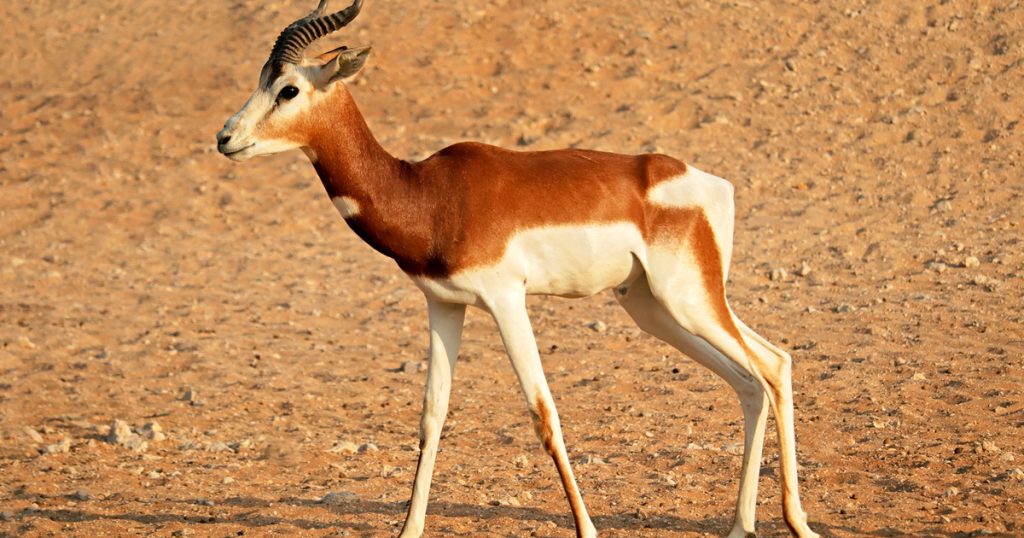
Following both zebra and wildebeest, gazelle species genuinely feed on the shortest, most tender grass regrowth remaining after the larger species have passed through, a final stage in the succession that suits gazelle’s smaller mouths and digestive systems considerably better than the taller, tougher grass zebra initially tackled, completing a genuinely efficient three-stage grazing sequence that processes a single grassland stretch through multiple complementary feeding levels.
How This System Genuinely Allows Considerably Higher Total Herbivore Density
Because each species genuinely targets a different grass height and growth stage rather than directly competing for identical vegetation, the Serengeti-Mara ecosystem genuinely supports a considerably higher combined herbivore population than it could sustain if all species competed for exactly the same resource simultaneously, meaning grazing succession functions as a genuine ecological efficiency mechanism that increases the landscape’s overall carrying capacity.
Why Researchers Believe This System Evolved Through Genuine Co-Evolutionary Pressure
Evolutionary biologists studying grazing succession believe the distinct feeding preferences and digestive specialisations documented across zebra, wildebeest, and gazelle genuinely developed through considerable co-evolutionary pressure, with each species’ physical and digestive traits shaped partly in response to the others’ feeding habits, reducing direct competition enough that all three species could persist together in genuinely high density across the same shared migration route.
How Rainfall Timing Genuinely Interacts With the Grazing Succession Process
Because migration timing itself tracks rainfall and resulting fresh grass growth, the grazing succession process genuinely resets with each new rainfall event across a given area, meaning the zebra-wildebeest-gazelle feeding sequence isn’t a one-time event but rather a continuously repeating pattern that plays out across the ecosystem’s various grassland sections as rain and subsequent grass growth occurs at different times across the wider landscape.
Where to Observe Grazing Succession in East Africa
Grazing succession is genuinely visible across the Serengeti-Mara ecosystem during migration season, when zebra, wildebeest, and gazelle move together across the same grassland in genuinely observable sequence.
Best Time of Year for Observing Grazing Succession
Migration season, when all three species concentrate together across the same grassland stretches, offers the clearest opportunity to observe this behaviour. See our regional best-time guide for how seasonal patterns generally affect wider game viewing.
Photographing Mixed-Species Grazing Herds
Capturing zebra, wildebeest, and gazelle grazing together within the same frame offers genuinely rich compositional opportunities illustrating the ecosystem’s interconnected wildlife community. See our camera gear guide for broader equipment recommendations.
What to Pack for Migration-Focused Game Drives
Standard game drive gear – neutral clothing, sun protection, and binoculars – covers most of what migration viewing requires. If your wider itinerary includes gorilla trekking, our gorilla trekking packing list covers that portion separately.
Why This System Genuinely Extends Beyond Just Three Species
Beyond the well-documented zebra-wildebeest-gazelle sequence, several other grazing species genuinely participate in the broader succession system at various points, including topi and hartebeest occupying intermediate feeding niches, meaning the actual grazing succession process across the ecosystem genuinely involves considerably more species-level complexity than the simplified three-stage version most commonly described.
How Predator Distribution Genuinely Tracks This Grazing Succession Pattern
Because grazing succession genuinely determines which herbivore species concentrates where and when across the migration route, resident and following predator populations genuinely adjust their own territorial range and hunting focus to track these predictable feeding patterns, meaning the underlying grazing succession system indirectly shapes predator distribution and behaviour across the wider ecosystem, not just herbivore feeding patterns alone.
Why Human-Caused Disruption to Grazing Succession Genuinely Concerns Conservationists
Given how precisely this system depends on maintaining sufficient population numbers and unobstructed movement across all three primary species, habitat fragmentation or population decline in any single species genuinely risks disrupting the succession pattern for the others, a conservation concern that underscores why maintaining connected migration corridors across the Serengeti-Mara ecosystem genuinely matters for considerably more than any single species’ survival alone.
Comparing Grazing Succession to Vulture Resource Partitioning
Much like vulture species dividing feeding roles at a single carcass through beak and body size specialisation, grazing succession represents a genuinely comparable ecological principle applied at landscape scale, where different herbivore species divide access to the same underlying resource through physical and behavioural specialisation rather than direct competitive conflict.
Why Guides Value Explaining Grazing Succession to Visitors
Given how easy it is to view mixed-species grazing herds as simply coincidental proximity, experienced guides genuinely value explaining the deliberate, sequenced feeding relationship underlying what visitors observe, adding real ecological depth to a sighting that might otherwise register as several unrelated species happening to share the same field.
Combining Grazing Succession Observation With a Wider Migration Circuit
Grazing succession viewing pairs naturally with a broader migration-focused itinerary, giving travelers genuine insight into one of East Africa’s most elegant examples of ecological resource-sharing.
Why Mouth Shape Genuinely Reflects Each Species’ Position in the Succession Sequence
Beyond digestive differences, zebra, wildebeest, and gazelle genuinely possess distinct mouth and lip structures suited to their specific role in the feeding sequence, with zebra’s broader, less selective mouth suited to bulk-feeding on taller grass, while gazelle’s narrower, more precise mouth structure allows selective feeding on the shortest, most nutrient-dense final growth stage, meaning physical mouth anatomy genuinely reinforces and supports each species’ specific role within the wider succession system.
How Researchers Confirmed This Succession Pattern Through Direct Field Study
Ecologists studying the Serengeti-Mara ecosystem genuinely confirmed the grazing succession pattern through detailed field study tracking exactly which species fed on specific grassland plots at different points following rainfall, research that provided direct empirical evidence for a pattern earlier researchers had proposed based on observed migration timing alone, giving considerably stronger scientific grounding to what had previously been a more theoretical ecological model.
Why This Principle Genuinely Applies Beyond Just Grass-Grazing Species
The same underlying resource-partitioning principle documented in grazing succession genuinely appears elsewhere across the ecosystem too, including how impala favour somewhat different habitat and feeding height than the larger grazers dominating open grassland, suggesting resource partitioning genuinely operates as a broader ecological organising principle across East Africa’s herbivore community rather than being unique to the specific zebra-wildebeest-gazelle sequence.
How Drought Conditions Genuinely Stress This Otherwise Efficient System
During severe drought, when overall grass availability drops considerably across the board, the neat succession sequence genuinely breaks down somewhat, with species increasingly forced to compete more directly for whatever limited vegetation remains rather than cleanly dividing distinct growth stages, meaning the elegant efficiency of grazing succession genuinely depends on reasonably adequate baseline grass availability, itself tied to the same seasonal water scarcity pressures shaping other species’ behaviour, to function as intended across the ecosystem.
Frequently Asked Questions
How do zebra, wildebeest, and gazelle avoid competing for the same grass?
They feed on different grass heights and growth stages in sequence, a process called grazing succession that lets each species access its preferred vegetation.
Why do zebra graze first in this sequence?
Their digestive system can process taller, tougher grass that wildebeest and gazelle can’t efficiently break down.
What do wildebeest and gazelle gain from zebra grazing first?
Zebra grazing exposes the shorter, more nutritious regrowth beneath, which wildebeest and then gazelle feed on in turn.
Does grazing succession affect how many animals the ecosystem can support?
Yes, genuinely so – it allows considerably higher combined herbivore density than direct competition for identical grass would support.
Where can I see grazing succession on safari?
The Serengeti-Mara ecosystem during migration season offers the clearest opportunity to observe this behaviour in action.
Ready to Plan Your East Africa Safari?
Whether witnessing the migration firsthand, wider ecosystem dynamics, or a full East Africa itinerary is your priority, our team can build a trip matched to your interests. Get in touch with our team below today and let’s start planning your complete safari itinerary together.

No comment