

Why Don’t Different Vulture Species Fight Over a Carcass?
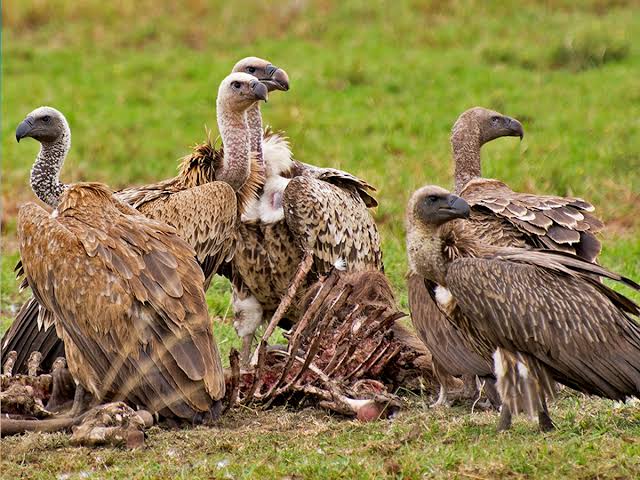
Multiple vulture species feeding at the same East African carcass genuinely avoid constant direct conflict through a phenomenon researchers call resource partitioning, where each species’ distinct beak shape and body size genuinely specialises it toward a different part of the carcass, letting several species feed simultaneously with considerably less direct competition than the chaotic scrum a single shared food source might otherwise suggest.
Why Beak Shape Genuinely Determines Which Part of a Carcass a Species Targets
Different vulture species genuinely possess distinctly shaped beaks suited to different feeding tasks, with larger, more powerful species like the lappet-faced vulture genuinely equipped to tear open tough hide and access deeper muscle tissue that smaller-beaked species simply cannot penetrate, while species with more slender beaks specialise in reaching softer internal tissue or cleaning smaller scraps other species have already exposed, meaning beak shape genuinely functions as a specialised feeding tool matched to a specific role within the shared feeding process.
How Body Size Genuinely Creates a Natural Feeding Hierarchy
Larger vulture species genuinely dominate initial access to a fresh carcass given their considerable size advantage, typically feeding first and opening up the carcass for smaller species to access afterward, and this size-based hierarchy genuinely reduces direct conflict since smaller species largely avoid directly contesting a larger species’ position rather than risking injury in a confrontation they’d likely lose, functioning as an efficient, largely non-violent queuing system based on established size dominance.
Why Different Species Genuinely Arrive at Different Times During the Feeding Process
Beyond simultaneous size-based partitioning, different vulture species genuinely tend to arrive and feed in a rough sequence, with larger species often arriving first to break open tough hide, followed by species specialised in accessing internal organs, and finally smaller species and other scavengers cleaning up remaining scraps, meaning the entire feeding process genuinely unfolds as a coordinated, if entirely unplanned, sequence rather than one chaotic simultaneous free-for-all.
How Neck Length and Feather Coverage Genuinely Reflect Feeding Specialisation
Vulture species that feed deep inside a carcass’s body cavity genuinely evolved considerably longer, more featherless necks, an adaptation that keeps blood and tissue away from feathers that would otherwise become matted and difficult to keep clean, while species feeding more on surface tissue or scraps retain somewhat more feather coverage, meaning neck and feather variation across species genuinely correlates directly with each species’ specific feeding role within the shared carcass.
Why This System Genuinely Benefits the Broader Ecosystem
Researchers studying multi-species vulture feeding have found that this genuine resource partitioning allows a carcass to be processed considerably more thoroughly and efficiently than a single vulture species working alone could manage, since each species’ specialisation ensures different parts of the carcass genuinely get consumed rather than left to decompose, a collective efficiency that provides real ecological value by accelerating nutrient cycling and reducing disease transmission risk across the wider ecosystem.
How Aggressive Displays Genuinely Substitute for Physical Fighting
When conflict does arise, typically between individuals of similar size and species rather than across the broader size hierarchy, vultures genuinely rely heavily on aggressive posturing, wing spreading, hissing, and short lunging displays, to establish priority access without escalating to genuinely costly physical combat, meaning even within-species competition at a carcass typically resolves through ritualised display rather than serious physical injury.
Where to Observe Multi-Species Vulture Feeding in East Africa
Multiple vulture species feeding together at a single carcass are genuinely reliable to observe across the Serengeti-Mara ecosystem, particularly during migration season when predation activity genuinely increases carcass availability considerably.
Best Time of Year for Vulture Feeding Observation
Migration season, when predator activity concentrates around large prey herds, offers the most reliable opportunity to observe multi-species feeding events. See our regional best-time guide for how seasonal patterns generally affect wider game viewing.
Photographing Multi-Species Vulture Feeding
Capturing several different vulture species feeding simultaneously at the same carcass offers genuinely rich behavioural photography, particularly the size-based hierarchy visible when a larger species dominates initial feeding position. See our camera gear guide for broader equipment recommendations.
What to Pack for Predator-and-Scavenger-Focused Game Drives
Standard game drive gear – neutral clothing, sun protection, and binoculars – covers most of what vulture feeding observation requires. If your wider itinerary includes gorilla trekking, our gorilla trekking packing list covers that portion separately.
Why Vulture Population Decline Genuinely Threatens This Delicate System
Given how much this efficient multi-species feeding system genuinely depends on maintaining diverse vulture populations across several distinct species, the dramatic decline several African vulture species have experienced in recent decades, largely driven by poisoning, both accidental and deliberate, sometimes linked to the same illegal trafficking pressures affecting species like pangolin, genuinely threatens to unravel this specialised division of labour, since losing even one specialised species from the feeding hierarchy leaves certain parts of a carcass considerably less efficiently processed by the remaining species alone.
How Other Scavengers Genuinely Fit Into This Broader System
Beyond vultures themselves, other scavengers including spotted hyena and jackal genuinely participate in the same broad carcass-processing hierarchy, typically competing more directly with vultures for access than vulture species compete among themselves, adding a genuine cross-species competitive layer on top of the more cooperative-seeming resource partitioning documented among vulture species specifically.
Why Researchers Believe This Specialisation Evolved Over Considerable Time
Evolutionary biologists studying vulture beak and body variation believe this level of feeding specialisation genuinely developed gradually over considerable evolutionary time as multiple vulture species shared the same carcass resource across a shared ecosystem, with natural selection genuinely favouring individuals within each species whose physical traits reduced direct competitive overlap with other co-occurring vulture species, a classic example of resource partitioning shaping physical evolution across an entire guild of related species.
Why Guides Value Explaining This System to Visitors
Given how chaotic a multi-species vulture feeding event can initially appear, experienced guides genuinely value explaining the underlying size hierarchy and beak specialisation driving what looks like disorganised chaos, adding real appreciation for a genuinely sophisticated, efficient natural system many visitors otherwise dismiss as simply an unpleasant sighting to move past quickly.
Combining Vulture Feeding Observation With a Wider Predator-Prey Circuit
Vulture feeding behaviour observation pairs naturally with a broader predator-focused itinerary, since vulture activity often signals recent predator kills worth investigating further within the same overall game drive.
Why Vulture Feeding Speed Genuinely Matters for Competing With Other Scavengers
Because vultures genuinely face direct competition from ground-based scavengers including hyena and jackal for the same carcass, feeding speed becomes a genuine competitive advantage, and researchers have found vultures can strip a carcass down to bone considerably faster as a coordinated multi-species group than any single species working alone could manage, meaning the resource-partitioning system genuinely doubles as a competitive strategy against rival scavenger species, not purely an internal arrangement among vultures themselves.
How Vulture Digestive Systems Genuinely Complement Their Feeding Specialisation
Beyond beak shape, vulture species genuinely possess a highly acidic digestive system capable of neutralising dangerous bacteria and toxins present in decaying carcass tissue, an adaptation shared broadly across the vulture family that allows the group collectively to safely consume material that would sicken or kill most other scavengers, meaning the physical feeding specialisation documented across species operates alongside a shared underlying digestive adaptation that makes the entire carcass-processing system genuinely viable in the first place.
Why This System Genuinely Illustrates a Broader Ecological Principle
Beyond its specific application to vultures, this resource-partitioning system genuinely illustrates a broader ecological principle researchers document across many co-occurring species sharing a limited resource, where physical or behavioural specialisation reduces direct competition enough to let multiple species persist together sustainably rather than one dominant species eventually outcompeting and displacing the rest entirely from a shared ecological niche over time.
Why a Fresh Carcass Genuinely Attracts Different Species Before Vultures Even Land
Interestingly, the specific mix of vulture species arriving at a given carcass genuinely varies depending on habitat type and how far the kill sits from each species’ typical roosting or nesting range, meaning the exact composition of a multi-species feeding event, and therefore how the resource-partitioning hierarchy actually plays out, genuinely differs somewhat from one location to another even within the same broader ecosystem.
Frequently Asked Questions
Why don’t different vulture species fight constantly over the same carcass?
Distinct beak shapes and body sizes specialise each species toward a different part of the carcass, reducing direct competition considerably.
Which vulture species feeds first at a carcass?
Typically the largest species, whose size advantage lets it dominate initial access before smaller species feed on remaining tissue and scraps.
Why do some vultures have featherless necks?
Species that feed deep inside a carcass’s body cavity evolved longer, featherless necks to avoid blood and tissue matting their feathers.
How do vultures resolve conflict without fighting?
Through aggressive posturing, wing spreading, hissing, and short lunging displays rather than escalating to serious physical combat.
Where can I see multi-species vulture feeding on safari?
The Serengeti-Mara ecosystem, particularly during migration season when predation activity increases carcass availability.
Ready to Plan Your East Africa Safari?
Whether observing vulture behaviour firsthand, wider predator-prey dynamics, or a full East Africa itinerary is your priority, our team can build a trip matched to your interests. Get in touch with our team below today and let’s start planning your complete safari itinerary together.


No comment