
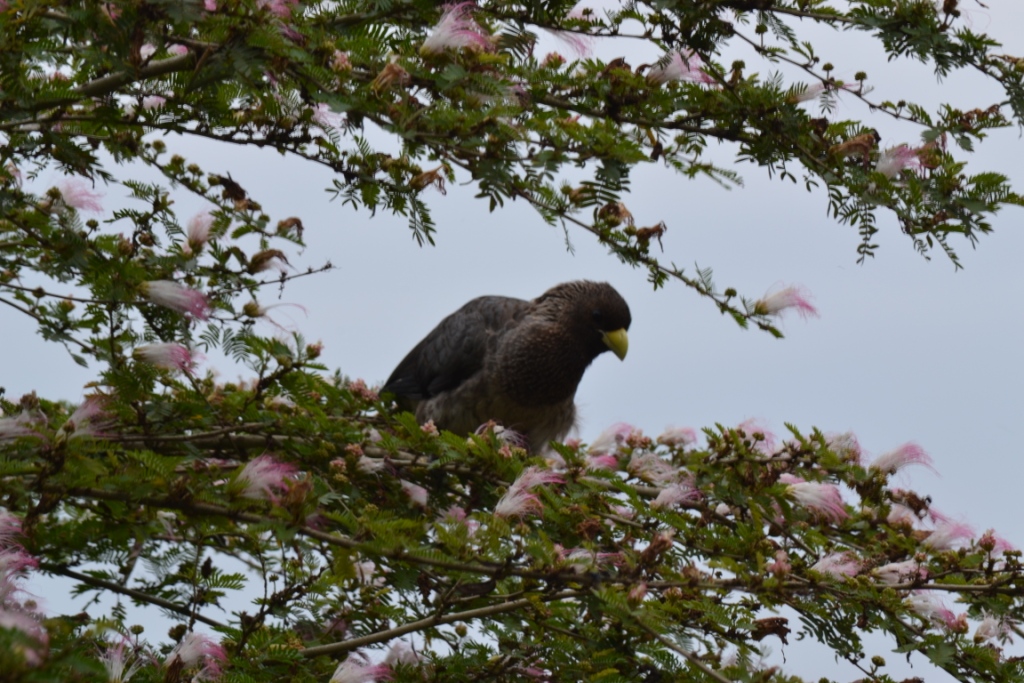






Millions of birds genuinely arrive in East Africa each year having flown thousands of kilometres from breeding grounds as far away as Europe and Siberia, navigating using a genuinely remarkable combination of celestial cues, Earth’s magnetic field, and inherited genetic instinct that lets even first-year birds with no prior experience complete the journey successfully on their very first attempt.
Why East Africa Genuinely Matters for Global Bird Migration
East Africa sits along a genuinely major migratory flyway connecting European and Asian breeding grounds to African wintering habitat, meaning the region’s wetlands, forests, and open savannah host an enormous seasonal influx of migratory species, including European rollers, various warbler species, and numerous wader and shorebird species, that arrive escaping the northern hemisphere winter and depart again as breeding season approaches back in their home range.
How Birds Genuinely Navigate Using the Sun and Stars
Many migratory bird species genuinely use the position of the sun during daytime flight and star patterns during night flight as navigational reference points, and research has shown that young birds raised in captivity and exposed to a planetarium sky display will orient themselves correctly relative to that artificial star pattern, direct experimental evidence that celestial navigation is genuinely at least partly innate rather than something every individual must learn firsthand from experienced adults.
The Genuinely Remarkable Magnetic Sense Birds Rely On
Beyond celestial cues, migratory birds are also believed to genuinely sense Earth’s magnetic field directly, likely through specialised light-sensitive proteins in the eye called cryptochromes that may allow birds to literally see magnetic field lines as a visual overlay, a sensory capability with no direct human equivalent, that provides a genuinely reliable navigational backup during overcast conditions when stars and sun position aren’t visible.
Why Some Species Complete the Journey With Zero Prior Experience
Certain migratory species, including several cuckoo populations, genuinely undertake their first migration entirely alone, departing after their parents have already left and navigating a route of several thousand kilometres purely through inherited instinct rather than any learned knowledge passed down through direct observation, a level of genetically encoded navigational capability that continues to genuinely surprise researchers studying exactly how this information gets encoded and expressed.
How Weather and Wind Patterns Genuinely Shape Migration Timing
Migratory birds genuinely time major legs of their journey to take advantage of favourable tailwinds, sometimes waiting at a stopover site for days until wind conditions improve before continuing, a strategy that can genuinely save considerable energy expenditure over a long-distance flight, and researchers tracking tagged individuals have found some species can nearly double their effective ground speed when flying with a strong supportive tailwind compared to calm or headwind conditions.
Why Stopover Sites Are Genuinely Critical to Migration Success
Long migratory journeys genuinely aren’t completed in one continuous flight for most species, instead broken into stages with rest and refuelling stops at wetlands and other food-rich habitat along the route, meaning the loss or degradation of a single critical stopover site can genuinely threaten an entire migratory population’s survival regardless of how healthy conditions remain at both the breeding and wintering ends of the journey.
Where to See Migratory Bird Species in East Africa
Uganda’s wetlands, including areas around Murchison Falls and Lake Nakuru’s pelican colonies in Kenya, and Kenya’s Lake Nakuru flamingo flocks, both offer genuinely strong seasonal migratory bird viewing alongside the region’s resident species.
Best Time of Year for Migratory Bird Viewing
Palearctic migrants are genuinely most numerous in East Africa roughly between November and March, escaping the northern hemisphere winter, making this window the most productive for birding-focused itineraries. See our Uganda best-time guide for how the country’s broader seasons affect wider trip planning.
Photographing Migratory Bird Species
Capturing migratory species alongside East Africa’s resident birdlife offers genuinely rewarding variety for photographers, particularly at wetland sites where both groups congregate together. See our camera gear guide for broader equipment recommendations.
What to Pack for a Birding-Focused Safari
Standard game drive gear – neutral clothing, sun protection, and binoculars – covers most of what birding requires, and a good pair of binoculars genuinely matters more here than for typical mammal-focused game drives. If your wider itinerary includes gorilla trekking, our gorilla trekking packing list covers that portion separately.
How Researchers Actually Track Migration Routes
Modern migration research genuinely relies heavily on lightweight satellite tags and geolocators attached to individual birds, technology that has revealed considerably more precise route and timing data over the past two decades than earlier tracking methods like leg-band recovery ever could, including discovering that some species take genuinely different outbound and return routes rather than simply retracing the same path in reverse.
Why Body Fat Reserves Are Genuinely Critical Before Departure
Migratory birds genuinely undergo a period of intense feeding before a major migratory leg, sometimes nearly doubling body weight through fat accumulation in the weeks leading up to departure, since this stored fat serves as the primary fuel source for extended flight over terrain, including open ocean or desert, where no feeding opportunity exists, meaning pre-migration body condition genuinely predicts an individual’s odds of completing a difficult crossing successfully.
How Young Birds Learn the Route on Species That Migrate as Family Groups
Unlike species that migrate purely on inherited instinct, some larger migratory birds, including several crane species, genuinely travel as family groups with juveniles learning the specific route directly from parents across their first migration, a learned rather than purely innate navigational strategy that means these species’ migration patterns can genuinely shift gradually over generations as experienced adults adjust routes in response to changing conditions.
Why Climate Change Genuinely Threatens Migration Timing
Researchers studying long-term migration data have found genuinely measurable shifts in arrival and departure timing for numerous species as breeding-ground seasons shift earlier, creating a real risk of mismatch between when migratory birds arrive and when the specific food resources, like peak insect abundance, they depend on are actually available, a genuinely serious emerging conservation concern across the full length of major global flyways.
Why Guides Value Explaining Migration Behind a Single Sighting
Given how easy it is to see a migratory bird simply as one more species on a checklist, experienced birding guides genuinely value explaining the thousands of kilometres and remarkable navigational feat behind a single individual’s presence, adding real context to what might otherwise register as a routine sighting among East Africa’s already rich resident birdlife.
Combining Birding With a Wider East Africa Wildlife Circuit
Migratory bird viewing pairs naturally with a broader wildlife-focused itinerary covering resident species like Uganda’s crowned crane and Murchison’s marabou storks, giving travelers genuine variety across mammal and bird sightings within the same overall trip.
Why Raptors Face a Genuinely Different Migration Challenge Than Songbirds
Large soaring raptors, including several eagle and buzzard species that pass through East Africa, genuinely cannot sustain long-distance flapping flight the way smaller songbirds can, relying instead on rising columns of warm air called thermals to gain altitude before gliding considerable distances, a strategy that forces raptor migration routes to concentrate along specific geographic corridors where reliable thermal formation occurs, explaining why raptor migration is genuinely far more visually concentrated at certain bottleneck locations than the comparatively dispersed routes smaller birds take.
How Some Species Genuinely Cross Open Water Without Stopping
Certain migratory species face stretches of open ocean or desert wide enough that no stopover option exists at all, meaning these individuals genuinely must complete the crossing in one continuous non-stop flight lasting many hours or, for the longest documented crossings, several days, relying entirely on pre-departure fat reserves and, in some studied species, the ability to shut down half the brain at a time to sleep briefly while still flying, a genuinely extraordinary physiological adaptation that has only been confirmed through direct research in the past few decades.
Why Urban and Agricultural Land Use Genuinely Affects Migration Success
As natural stopover habitat along major flyways is genuinely converted to agricultural or urban land use, migratory birds increasingly face longer gaps between suitable rest and refuelling sites, forcing some individuals into genuinely riskier non-stop flights over unsuitable terrain that previous generations wouldn’t have needed to attempt, a mounting pressure researchers believe is contributing measurably to documented population declines in several long-distance migratory species monitored across multiple decades of survey data.
Frequently Asked Questions
How do birds know which direction to fly during migration?
Through a combination of celestial cues from the sun and stars, and a magnetic sense believed to involve light-sensitive proteins in the eye.
Do young birds need to learn the migration route from their parents?
Not always – many species, including several cuckoos, complete their first migration entirely alone using purely inherited instinct.
When is the best time to see migratory birds in East Africa?
Roughly November through March, when Palearctic migrants arrive escaping the northern hemisphere winter.
Why are stopover sites so important during migration?
Most species break long journeys into stages, relying on wetlands and food-rich habitat along the route to rest and refuel before continuing.
Where can I see strong migratory bird activity on safari?
Uganda’s wetlands around Murchison Falls and Kenya’s Lake Nakuru both offer genuinely strong seasonal migratory bird viewing.
Ready to Plan Your East Africa Birding Safari?
Whether migratory species, resident birdlife, or a full wildlife itinerary is your priority, our team can build a trip matched to your interests. Get in touch with our team below today and let’s start planning your complete safari itinerary together.





No comment