


Flamingos aren’t actually born pink at all, hatching instead with genuinely grey, downy feathers, and only develop their famous colouring gradually through diet, a genuinely fascinating example of how what an animal eats can directly determine its physical appearance.
The Real Source of Flamingo Pink
Flamingo pink colouring comes genuinely entirely from pigments called carotenoids, the same class of compound responsible for the orange colour in carrots, obtained through their diet of algae and small aquatic invertebrates. These pigments are absorbed during digestion and deposited into growing feathers, skin, and even egg yolk, making diet the single most important factor determining a flamingo’s colour intensity.
Why Flamingo Chicks Are Genuinely Grey
Newly hatched flamingo chicks display genuinely grey or white downy feathers, having not yet consumed enough carotenoid-rich food to develop adult colouring. It typically takes several years of consistent feeding on the right diet before a young flamingo develops the full, vivid pink plumage associated with mature adults.
How Diet Directly Determines Colour Intensity
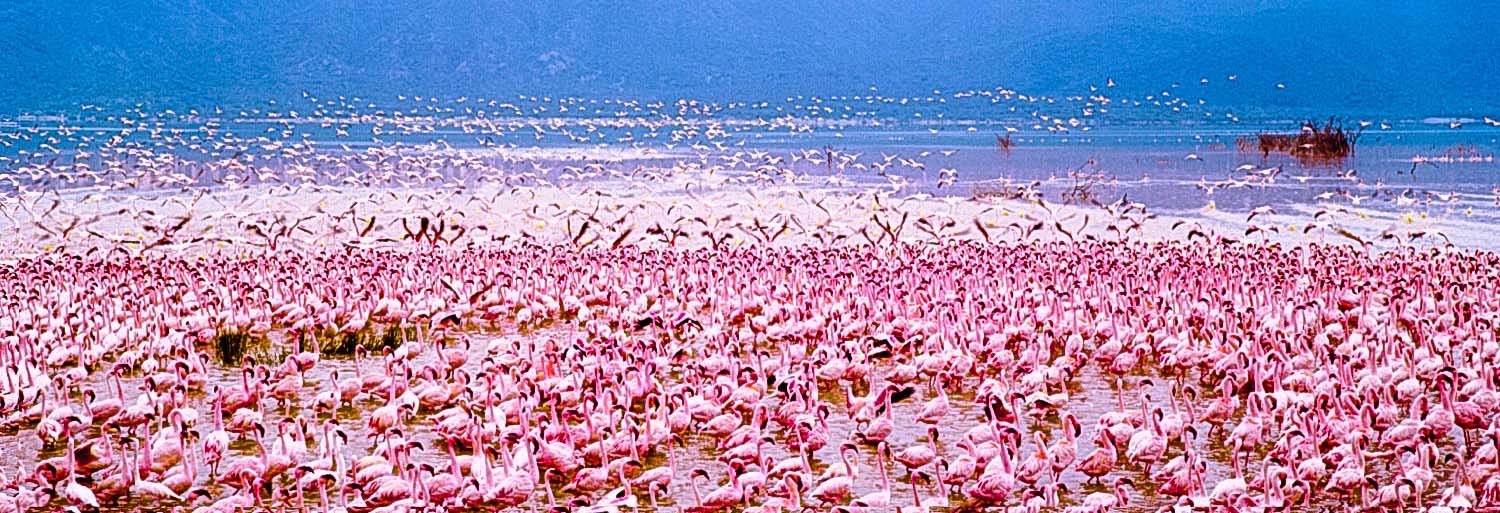
Flamingos feeding on genuinely carotenoid-rich algae and brine shrimp develop considerably more vivid pink or even reddish colouring, while flamingos with more limited access to these specific food sources display paler, less saturated plumage. This diet-colour connection means flamingo colouring can genuinely vary noticeably between different populations and different feeding conditions across various lakes.
Why Captive Flamingos Sometimes Look Pale
Flamingos in captivity historically sometimes displayed genuinely paler colouring than wild populations, given the difficulty of replicating their natural carotenoid-rich diet, though modern zoos and conservation facilities now typically supplement captive flamingo diets specifically to maintain healthy, vivid colouring matching wild populations.
Lesser vs Greater Flamingo Diet Differences
Lesser flamingo, the smaller, typically pinker species found in large numbers across Kenya’s Rift Valley lakes, feed primarily on blue-green algae rich in carotenoids, while greater flamingo feed more on small aquatic invertebrates, a dietary difference that contributes to the generally paler colouring typical of greater flamingo compared to their smaller relatives.
Why Colour Intensity Also Signals Health and Status
Research suggests flamingo colour intensity may also function as a genuine signal of individual health and foraging success, with more vividly coloured birds potentially indicating better access to quality food resources, adding a genuinely social dimension to what might otherwise seem like a purely dietary trait.
Where to Observe Flamingo Colour Variation
Kenya’s Rift Valley lakes, including Lake Nakuru and nearby Lake Bogoria, offer genuine opportunities to observe flamingo colour variation firsthand, particularly comparing birds feeding in different specific areas of the same lake system where algae density can vary considerably.
Best Time of Year for Flamingo Viewing
Flamingo presence and colour intensity can vary considerably with water levels and algae bloom conditions. See our regional best-time guide for how East Africa’s broader seasonal patterns affect wider game viewing, and discuss current conditions directly with your operator before a flamingo-focused visit.
Photographing Flamingo Colour Variation
Capturing the colour range within a single flock, from paler juveniles to vividly pink mature adults, offers a genuinely interesting photographic study beyond a standard wide-flock shot. A capable zoom lens is worth prioritising here over a wide-angle, since isolating individual colour differences within a dense flock requires more reach than a general landscape shot.
What to Pack for a Flamingo-Focused Safari
Standard game drive gear – neutral clothing, sun protection, and binoculars – covers most of what flamingo viewing requires. If your wider itinerary includes gorilla trekking, our gorilla trekking packing list covers that portion separately.
Why This Detail Genuinely Enhances a Flamingo Sighting
Understanding that flamingo pink comes entirely from diet transforms a standard flamingo sighting into a considerably more scientifically engaging encounter, particularly given how directly this connects to the broader conversation about the specific water conditions driving flamingo presence at any given Rift Valley lake.
How Flamingo Bodies Process Carotenoid Pigments
Carotenoids arrive in a flamingo’s diet as fat-soluble compounds bound up inside algae cells and the exoskeletons of brine shrimp and other small crustaceans, and the bird’s liver breaks these compounds down through enzymatic processing before shuttling the resulting pigment molecules into the bloodstream. From there, pigment is deposited directly into keratin as new feathers grow, into the bare skin around the legs and face, and even into egg yolk during breeding season, which is why a well-fed breeding female’s eggs can carry a genuinely visible pink or orange tint compared to a poorly-fed bird’s paler yolk.
Why Feather Moulting Reveals Diet Changes Over Time
Because pigment is only laid down while a feather is actively growing, a flamingo’s plumage works like a rolling record of its recent diet rather than an instant readout, with each moult cycle, typically spanning several months to around a year depending on the feather tract, capturing whatever carotenoid intake occurred during that specific growth window. Researchers exploit this by comparing older, duller flight feathers against freshly grown, more vividly coloured body feathers on the same bird to estimate roughly when its feeding conditions improved or declined, effectively reading a rough dietary timeline off the plumage itself.
The Connection Between Water Levels and Flamingo Colour
Lesser flamingo depend specifically on Arthrospira (commonly called spirulina), a blue-green algae that blooms most densely in shallow, highly alkaline water typically no more than a metre or so deep, conditions Lake Nakuru has struggled to maintain since its water level rose and its salinity dropped in recent years. Deeper, less saline water genuinely dilutes algae concentration and shifts the lake’s ecology toward species like tilapia that compete for the same nutrients, meaning the same hydrological change reducing overall flamingo numbers at Nakuru also tends to leave the birds that do remain notably paler than historical photographs from the lake’s algae-rich decades show.
Flamingo Feeding Technique and Pigment Collection
Lesser flamingo feed with their head fully upside down and bill submerged, using a muscular tongue to pump water in and out of the bill at a genuinely rapid rate, several cycles per second, while comb-like lamellae along the bill’s edge strain out algae particles as fine as a fraction of a millimetre. This filter-feeding technique lets a single bird process an estimated several hundred grams of algae daily during good conditions, a volume of carotenoid intake considerably higher than greater flamingo achieve picking through invertebrates one at a time, which is a large part of why lesser flamingo consistently out-pink their larger relatives.
Why Colour Variation Makes Flock Photography Genuinely Interesting
Within a single flock it’s common to see three or four visibly distinct shades side by side: pale, greyish-pink juveniles still a year or two from full colouring; adults with a washed-out, salmon tone reflecting a recent poor feeding stretch; and deep magenta breeding-condition adults that have had consistent access to algae blooms for months. Photographing a flock with this range in the same frame, rather than isolating a single bright individual, genuinely captures the dietary story behind the colour rather than just the colour itself, a technique worth pairing with the wider composition tips in our camera gear guide.
Why Captive Flamingos Sometimes Look Pale
Before zoos understood the diet-colour link, captive flamingo flocks worldwide were notorious for slowly fading to a dull white or pale grey over a few years, since standard bird-feed pellets contained none of the carotenoids wild birds obtain from algae and crustaceans. The fix, now standard practice, is adding synthetic canthaxanthin or natural sources like paprika extract and dried shrimp meal directly into captive diets, restoring and maintaining colour that would otherwise fade within a single moult cycle or two, a level of dietary intervention worth appreciating alongside the specialised species management conservancies like Ol Pejeta undertake for other wildlife.
Comparing Nakuru’s Colour Shift to Bogoria and Elementaita
Nearby Lake Bogoria and Lake Elementaita have retained the shallower, more saline conditions Nakuru has lost, and travelers who visit both within the same trip often notice a genuinely visible difference: Bogoria’s denser, algae-fed flocks running toward deeper magenta, against Nakuru’s currently thinner, paler gathering. Guides who work the Rift Valley circuit regularly use this side-by-side contrast specifically to illustrate the diet-colour link in the field rather than relying on explanation alone, much as they’d point out habitat-driven behaviour differences elsewhere in East Africa to make an ecological point concrete rather than abstract.
Best Lodges for Comparing Colour Across the Rift Valley
Properties positioned to allow a two- or three-lake circuit, rather than a single Nakuru stop, genuinely let travelers see the diet-colour relationship in practice within one trip. Pairing Nakuru with its strong rhino and predator viewing and a side trip to Bogoria for denser flamingo flocks, alongside a wider Masai Mara extension, gives a genuinely complete Rift Valley and Big Five itinerary rather than a flamingo-only detour.
Frequently Asked Questions
Are flamingos born pink?
No, genuinely not – chicks hatch with grey downy feathers and only develop pink colouring gradually through years of carotenoid-rich diet.
What exactly causes flamingo pink colouring?
Carotenoid pigments obtained from algae and small aquatic invertebrates, the same pigment class responsible for orange colouring in carrots.
Why do some flamingo populations look paler than others?
Diet variation – birds with less access to carotenoid-rich food sources display paler, less saturated plumage overall.
Do lesser and greater flamingo differ in colour?
Yes, genuinely so – lesser flamingo, feeding on algae, are typically pinker than greater flamingo, which feed more on invertebrates.
Where can I see flamingo colour variation in Kenya?
Lake Nakuru and nearby Lake Bogoria both offer genuine opportunities to observe colour variation within the Rift Valley lake system.
Ready to Plan Your Kenya Safari?
Whether observing flamingo colour variation firsthand, the Rift Valley’s wider wildlife, or a full Kenya itinerary is your priority, our team can build a trip matched to your interests. Get in touch with our team below today and let’s start planning your complete Kenya safari itinerary together.


No comment