
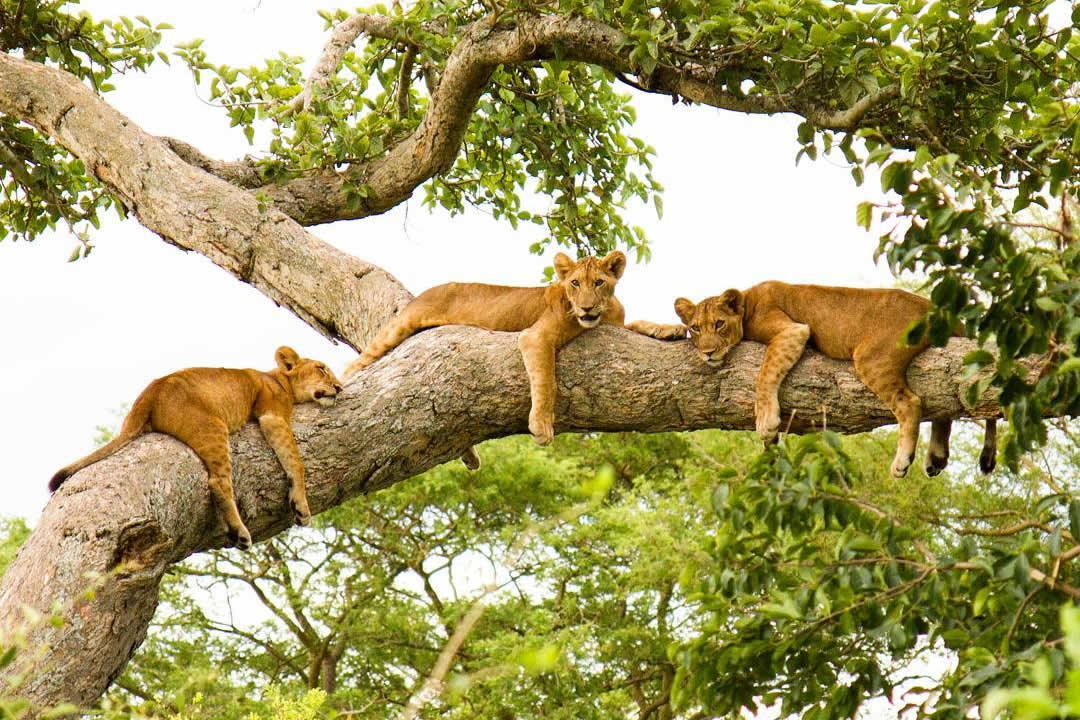
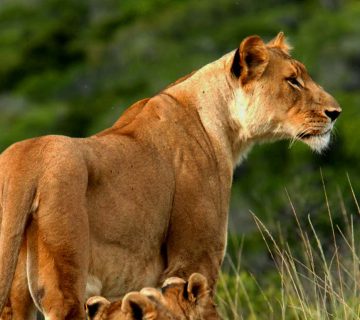
Lake Manyara National Park holds one of Africa’s few genuinely reliable populations of tree-climbing lions, a behavioural quirk that puts prides resting draped across acacia branches rather than sprawled on open ground, a sighting that consistently surprises first-time visitors who assume it’s a myth until they see it themselves.
Why Lake Manyara’s Lions Climb Trees
Several theories attempt to explain this unusual behaviour, including escaping biting insects and ground-level heat, avoiding the park’s resident buffalo and elephant herds, and simply seeking a cooler, breezier vantage point from which to survey the surrounding grassland. No single explanation is universally accepted among researchers, and the behaviour genuinely remains one of East Africa’s more debated wildlife mysteries.
Where to Find Tree-Climbing Lions in the Park
The acacia woodland along Lake Manyara’s groundwater forest and the park’s central grassland areas offer the most reliable trees for spotting resting lions, particularly during the heat of midday when the behaviour is most commonly observed. Rangers and guides who work the park regularly maintain current knowledge of which specific trees a pride has been favouring in recent days.
Comparing Lake Manyara to Queen Elizabeth’s Tree-Climbing Lions
Uganda’s Queen Elizabeth National Park is the other well-known East African destination for this behaviour, and while both parks share the same striking sight, Lake Manyara’s smaller size and denser groundwater forest give sightings here a genuinely different, more intimate character than Queen Elizabeth’s expansive Ishasha sector.
Lake Manyara’s Wider Wildlife Beyond Lions
Beyond its famous lions, Lake Manyara supports genuinely strong populations of elephant and buffalo within a remarkably compact protected area, alongside the alkaline lake itself, which draws significant flamingo and other waterbird concentrations depending on water levels. This ecological diversity within such a small footprint is part of what makes Lake Manyara worth a dedicated stop rather than a quick drive-through.
Best Time of Year for Tree-Climbing Lion Sightings
Lions are visible in Lake Manyara year-round given their resident status, though the dry season, roughly June to October, tends to concentrate sightings most reliably as vegetation thins and prides favour the shadier acacia woodland during the hottest midday hours. See our regional best-time guide for how East Africa’s dry-season patterns generally affect game viewing.
How Rare Is This Behaviour, Really?
Tree-climbing is genuinely uncommon among African lion populations overall, with only a handful of locations across the continent, Lake Manyara and Uganda’s Ishasha sector chief among them, where the behaviour occurs with any real regularity. This rarity is part of why the sighting carries such particular appeal for experienced safari travelers who’ve already seen lions resting on open ground elsewhere.
Self-Drive vs Guided Safaris for Lion Viewing
Finding a specific tree-climbing pride genuinely benefits from guide knowledge and current information on recent sightings, given how much time can be spent scanning acacia canopy without knowing which trees a pride currently favours. Most visitors combine Lake Manyara with a guided Northern Circuit itinerary rather than attempting a dedicated self-drive visit.
Photographing Tree-Climbing Lions
Capturing a lion draped across an acacia branch requires patience and a reasonably long lens, since the best compositions often involve the animal partially obscured by foliage at a considerable height above the vehicle. Early morning or late afternoon light, combined with the acacia woodland’s naturally dappled canopy, genuinely rewards photographers willing to wait for the right combination of pose and light.
What to Pack for a Lake Manyara Safari
Standard game drive gear – neutral clothing, sun protection, and binoculars – covers most of what the park requires, and a scarf for the sometimes dusty groundwater forest trails adds real comfort. If your wider itinerary includes gorilla trekking, our gorilla trekking packing list covers that portion separately.
Combining Lake Manyara With a Wider Northern Circuit
Lake Manyara is commonly included as a stop between Arusha and the Ngorongoro Crater or Serengeti, given its convenient position along the standard Northern Circuit route and the genuine contrast its compact, forested landscape offers against those two parks’ more expansive, open terrain.
Getting to Lake Manyara National Park
Lake Manyara sits within roughly two hours of Arusha by road, making it one of the more accessible parks on a standard Northern Circuit itinerary and a natural first or last stop given its proximity to Kilimanjaro International Airport. This convenient positioning is part of why so many Tanzania itineraries include a Lake Manyara stop.
Conservation and Why the Behaviour Matters
Lake Manyara’s tree-climbing lion population has drawn sustained research interest precisely because the behaviour remains only partially understood, and continued protection of the park’s acacia woodland habitat is genuinely important to preserving the specific conditions that seem to encourage it. Tourism revenue from the park directly supports this ongoing protection.
Elephants and Buffalo Alongside Lake Manyara’s Lions
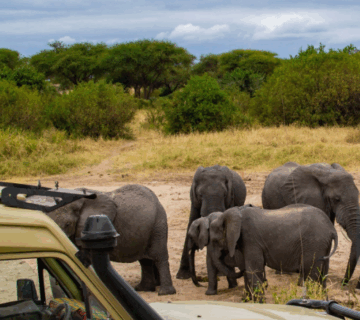
The park’s notably dense elephant population, concentrated within such a genuinely compact protected area, is frequently cited by guides as one contributing factor behind the tree-climbing behaviour, with lions potentially using elevated branches to keep a safer distance from large, occasionally unpredictable herds moving through the same groundwater forest.
The Groundwater Forest Ecosystem
Lake Manyara’s distinctive groundwater forest, fed by underground springs rather than surface rainfall alone, creates unusually lush, dense vegetation immediately bordering the alkaline lake itself, a genuinely different habitat type from the drier acacia woodland and open grassland found in most of Tanzania’s other Northern Circuit parks.
Birdlife Alongside the Lions
Beyond its famous lions, Lake Manyara’s alkaline lake supports significant flamingo concentrations and a genuinely impressive wider bird list, making the park a worthwhile stop for birders travelling through en route to the Serengeti or Ngorongoro Crater. Water levels vary considerably by season, directly affecting flamingo numbers in any given year.
Combining Lake Manyara With a Camera Kit Built for the Job
Photographing lions partially obscured in acacia canopy is genuinely different from open-ground sightings elsewhere in East Africa, and our camera gear guide covers the telephoto reach and settings worth having ready specifically for this kind of elevated, dappled-light subject.
How Lake Manyara Compares to Tarangire and Ngorongoro
Travelers building a full Northern Circuit often ask how Lake Manyara stacks up against Tarangire’s baobab-studded plains or the Ngorongoro Crater’s dense wildlife concentration, and the honest answer is that all three offer genuinely different experiences worth including together rather than choosing between them on a longer itinerary.
Big Five Context for Lake Manyara
Lake Manyara doesn’t offer a reliable full Big Five checklist within the park itself, given its limited rhino and leopard presence, but its tree-climbing lions and strong elephant and buffalo numbers make it a genuinely worthwhile complement to a wider circuit that also covers the full Big Five elsewhere on the same trip.
What Guides Look For When Searching the Canopy
Spotting a resting lion in acacia branches takes a genuinely practiced eye, since a tawny coat blends remarkably well against dappled bark and foliage from a distance, and experienced guides often scan for a dangling tail or paw rather than the animal’s full outline. This search technique, refined over years of driving the same park roads, is part of why guide experience genuinely matters more here than in most standard ground-level game viewing.
Pride Dynamics Specific to a Tree-Climbing Population
Lake Manyara’s lion prides appear to shift between tree-climbing and ground-resting behaviour depending on the specific pressures present on a given day, rather than climbing constantly, meaning a visit doesn’t guarantee the sighting even during peak season. This variability is part of what makes an actual tree-climbing sighting feel genuinely earned rather than a scripted, guaranteed photo opportunity.
Why First-Time Visitors Are Often Surprised
Many travelers arrive at Lake Manyara having heard about tree-climbing lions only in passing, assuming it’s either exaggerated or limited to a single famous individual, and are genuinely taken aback to learn multiple prides across the park display the behaviour with real regularity. This element of pleasant surprise is part of why Lake Manyara consistently ranks as a highlight even on itineraries where it’s scheduled as a brief stopover rather than a headline destination.
Frequently Asked Questions
Is it true that Lake Manyara’s lions climb trees?
Yes, genuinely – it’s one of only a handful of locations in Africa where this behaviour occurs with any real regularity.
Why do Lake Manyara’s lions climb trees?
Several theories exist, including escaping insects and heat or avoiding buffalo and elephant herds, though no single explanation is universally accepted.
Is Lake Manyara or Queen Elizabeth better for tree-climbing lions?
Both offer genuinely reliable sightings, though Lake Manyara’s smaller, denser groundwater forest gives the experience a more intimate character.
What’s the best time of year to see tree-climbing lions?
Year-round given their resident status, though the dry season concentrates sightings most reliably during the hottest midday hours.
Can I combine Lake Manyara with the Serengeti and Ngorongoro?
Yes, it’s commonly included as a stop on a standard Northern Circuit itinerary between Arusha and those two parks.
Ready to Plan Your Lake Manyara Safari?
Whether the park’s famous tree-climbing lions, its flamingo-lined alkaline lake, or a full Northern Circuit itinerary is your priority, our team can build a Tanzania trip matched to your time and interests. Get in touch with our team below today and let’s start planning your complete Tanzania safari itinerary together.

No comment