
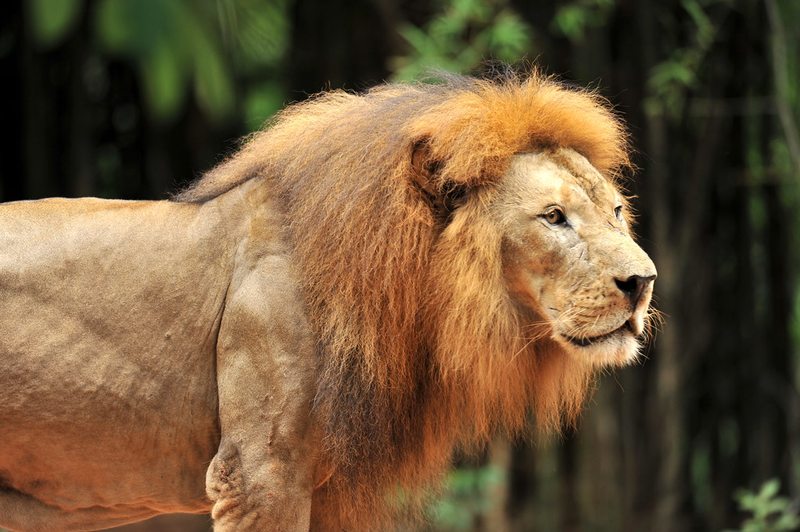

Tsavo’s lions carry one of Africa’s most famous, if slightly macabre, historical footnotes – the “Man-Eaters of Tsavo,” a pair of maneless male lions that killed dozens of railway workers building the Kenya-Uganda railway in 1898 before finally being hunted down, a story that still shapes how visitors think about the park’s predators today.
The Story of the Man-Eaters of Tsavo
In 1898, during construction of the Kenya-Uganda railway’s bridge over the Tsavo River, two male lions began stalking and killing railway workers over a period of roughly nine months, eventually claiming an estimated 28 to 35 victims by the most credible historical accounts, though contemporary and later retellings inflated the number considerably higher. Lieutenant-Colonel John Henry Patterson eventually hunted and killed both lions, an episode that later inspired multiple books and films, cementing Tsavo’s lions in popular culture well beyond East Africa.
Why Tsavo’s Lions Are Often Maneless
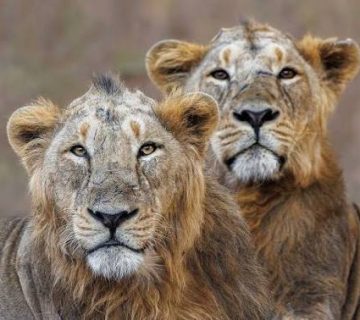
Tsavo’s male lions are notably more likely to be maneless or have only a partial mane compared to lion populations elsewhere in East Africa, a trait researchers link to the region’s hot climate and dense thorny scrub, where a full mane would add both heat stress and physical hindrance while hunting through vegetation. This maneless characteristic is part of what made the original man-eaters so visually distinctive and is still commonly observed in the park’s current population.
Where to Find Lions in Tsavo Today
Tsavo East’s more open savannah terrain generally offers easier lion spotting than Tsavo West’s denser, more varied volcanic landscape, though both sections hold healthy resident prides. Areas near permanent water sources like Aruba Dam draw both predators and prey, making them consistently productive spots for lion sightings, particularly during the drier months.
Tsavo’s Lion Population Today
Today’s Tsavo lions are simply healthy, normal prides going about ordinary predator behaviour, and the man-eating episode remains a genuinely unusual historical anomaly rather than any ongoing characteristic of the population. Guides often retell the story during game drives through the general area where the original events took place, adding a layer of historical context to an otherwise standard lion-viewing experience.
Tsavo’s Full Big Five Picture
Lion is one of Tsavo’s core Big Five species, alongside its famous red-dust elephants, buffalo, leopard, and a smaller, more elusive black rhino population within a dedicated sanctuary zone. See our Big Five guide for how Tsavo fits into a wider Kenya circuit.
Best Time of Year for Lion Sightings
Tsavo’s lions are visible year-round given their resident status, though the dry seasons, roughly June to October and January to February, concentrate both predators and prey more predictably around permanent water sources like Aruba Dam. The wet season disperses wildlife more widely across the park’s vast area, which can mean more searching but rewards visitors with dramatically greener scenery.
How Tsavo Compares to the Masai Mara for Lion Viewing
The Masai Mara offers considerably higher lion density and more predictable sightings given its smaller size and extensively studied prides, while Tsavo’s much larger area gives a wilder, less crowded feel with the added historical intrigue of the man-eaters’ story attached to the landscape itself.
Self-Drive vs Guided Safaris in Tsavo
Given Tsavo’s sheer size, split across Tsavo East and Tsavo West, a guided safari makes a genuinely significant difference to how efficiently you locate prides within a limited visit, since local knowledge of current lion movement across such a vast area is difficult for an independent visitor to replicate. Self-driving remains possible on the park’s main routes, but most visitors find a guide’s efficiency well worth the added cost.
Photographing Tsavo’s Lions
Tsavo’s maneless males offer a genuinely distinctive photographic subject compared to the classic full-maned lions typical of Kenya’s other parks, and the park’s red-dust terrain adds a warm, earthy backdrop unlike anywhere else in the country. A telephoto zoom in the 100-400mm range covers most sightings comfortably, particularly around Aruba Dam where prides often allow reasonably close approach.
The Railway Bridge and Historical Sites
The original railway bridge over the Tsavo River, near where the man-eating events took place, remains a point of historical interest for visitors specifically drawn by the story, and some operators can arrange a stop at the site as part of a wider Tsavo itinerary. This historical layer adds genuine depth to a Tsavo visit beyond standard wildlife viewing alone.
What to Pack for a Tsavo Safari
Standard game drive gear – neutral clothing, sun protection, and binoculars – covers most of what Tsavo requires, and given the park’s dusty conditions, a scarf or buff for covering your nose and mouth on drier drives is a genuinely useful addition. If your wider itinerary includes gorilla trekking, our gorilla trekking packing list covers that portion separately.
Combining Tsavo With a Coastal Beach Extension
Given its position roughly midway between Nairobi and Kenya’s coast, Tsavo works particularly well as the safari leg of a combined safari-and-beach itinerary, with Diani or Mombasa only a few hours’ onward drive from the park’s eastern boundary. This pairing lets travelers experience Kenya’s wildlife, including its most historically famous lions, and coastline in a single, efficiently routed trip.
Theories Behind the Man-Eaters’ Behaviour
Researchers have proposed several explanations for why the two lions turned to hunting humans, including dental disease that would have made hunting normal prey painful, a regional decline in natural prey following rinderpest outbreaks and drought, and the ready availability of railway workers as a comparatively easy target. A 2017 scientific study analysing the lions’ preserved remains found evidence supporting the dental disease theory for at least one of the pair, adding genuine scientific weight to a story long treated as pure legend.
The Lions’ Remains Today
After being shot by Patterson, the two lions’ skins and skulls were eventually sold to Chicago’s Field Museum, where they remain on permanent display today, stuffed and mounted, drawing visitors from around the world curious about the famous man-eaters. This museum connection has helped keep the story alive globally, well beyond what a purely local East African legend might otherwise achieve.
Tsavo East vs Tsavo West for Lion Viewing
Tsavo East’s open, classic savannah terrain generally makes lion spotting somewhat easier than in Tsavo West, where denser volcanic terrain and vegetation can make prides harder to locate despite comparable population density. Most operators recommend allocating time in both sections if lion viewing alongside the park’s other wildlife highlights is a genuine priority for your visit.
Combining Tsavo’s Lions With Amboseli
Many longer Kenya itineraries combine Tsavo with Amboseli National Park, giving travelers a genuinely varied picture of Kenya’s lion populations and wider Big Five wildlife across two distinct landscapes, from Tsavo’s red-dust plains to Amboseli’s Kilimanjaro-backed savannah.
Lion Conservation in Tsavo Today
Tsavo’s lion population has faced ongoing conservation challenges, including occasional human-wildlife conflict with communities bordering the park and, historically, poaching pressure that affected the wider ecosystem alongside the park’s elephants. Ongoing ranger patrols and community engagement programmes work to protect the population, ensuring today’s prides continue the recovery seen across much of Kenya’s protected wildlife over recent decades.
Night Game Drives and Lion Activity
Where available through park-affiliated lodges, night game drives in Tsavo offer a genuinely different perspective on lion activity, since prides become considerably more active after dark, much as the original man-eaters would have hunted under cover of night over a century ago. This activity adds a layer of atmospheric context to the park’s famous predator history for travelers specifically drawn by the story.
Frequently Asked Questions
Are Tsavo’s lions still dangerous to humans today?
No more than lions anywhere else – the man-eating episode was a genuinely unusual historical anomaly, and today’s prides behave like any other healthy, normal lion population in East Africa.
Why don’t Tsavo’s male lions have full manes?
Researchers link the trait to the region’s hot climate and dense thorny scrub, where a full mane would add heat stress and physical hindrance while hunting.
How many people did the original man-eaters kill?
Credible historical accounts suggest 28 to 35 victims over roughly nine months in 1898, though later retellings often inflated the number considerably.
Is Tsavo good for a first-time Kenya safari?
Yes, particularly for travelers also planning a coastal beach extension, given Tsavo’s convenient position between Nairobi and the Kenyan coast – see our Masai Mara leopard guide for how a wider Kenya circuit might extend beyond Tsavo.
Can I visit the site of the original man-eater events?
Some operators can arrange a stop near the historical railway bridge site as part of a wider Tsavo itinerary, adding genuine historical depth to the visit.
Does Tsavo have rhino too?
Yes, in a dedicated, more intensively protected sanctuary zone within the park, similar in concept to Kenya’s Lake Nakuru rhino sanctuary though with lower overall numbers.
How does Tsavo compare to Uganda’s lion parks?
Genuinely different in character – Uganda’s Queen Elizabeth offers rare tree-climbing behaviour, while Tsavo’s draw is its maneless males and famous man-eater history.
Ready to Plan Your Tsavo Safari?
Whether Tsavo’s famously maneless lions, its red-dust elephants, or a safari-and-beach combination is your priority, our team can build an itinerary matched to your interests and timeframe. Get in touch with our team below and let’s start planning your Kenya safari together.

No comment