

Why Do Hippos Yawn? The Real Reason
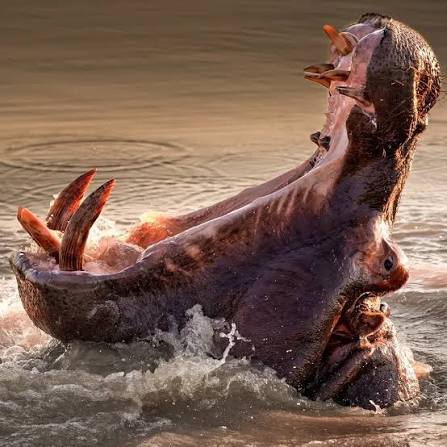
A hippo’s dramatic open-mouth yawn, revealing genuinely enormous tusks and a gape wide enough to swallow a small child whole, is one of the more photographed safari moments in Africa, though the behaviour has genuinely little to do with tiredness at all.
The Real Reason Hippos “Yawn”
Despite its visual resemblance to a sleepy human yawn, a hippo’s wide-mouth display is genuinely a territorial and dominance signal rather than an indicator of tiredness, used to demonstrate the size of its tusks and gape to rival males or perceived threats. This display serves as a genuine warning, communicating strength and willingness to defend territory without necessarily escalating to physical confrontation.
Why the Behaviour Looks So Similar to Yawning
The confusion between genuine yawning and this display behaviour is understandable, given how visually similar the wide-open mouth posture appears, though researchers studying hippo behaviour have documented the display occurring specifically during territorial disputes, courtship, and dominance assertions rather than during genuine rest or drowsiness.
What a Hippo’s Tusks Are Actually For
A hippo’s genuinely impressive lower canine teeth, often called tusks, continue growing throughout life and serve primarily as weapons in territorial disputes between rival males rather than for feeding, since hippo are actually grazers that consume grass using their lips and other teeth. Displaying these tusks during the wide-mouth gesture genuinely communicates fighting capability to a rival.
When Hippos Genuinely Display This Behaviour Most
The wide-mouth display occurs most frequently among males establishing or defending territory within a pod’s shared water, particularly during the dry season when shrinking water sources concentrate multiple hippo groups into increasingly contested space, genuinely escalating territorial tension and the frequency of dominance displays.
Genuine Yawning vs the Territorial Display
Hippos do genuinely yawn in the conventional sense too, though true yawning tends to be less exaggerated and doesn’t carry the same context-specific territorial signalling as the more dramatic display behaviour most safari photographs actually capture. Distinguishing between the two requires paying attention to surrounding social context rather than the mouth position alone.
Where to Observe This Behaviour on Safari
The dramatic hippo display is genuinely reliably observed at destinations with dense hippo populations, including Queen Elizabeth National Park’s Kazinga Channel, one of Africa’s densest hippo concentrations, offering genuine opportunities to witness territorial disputes and dominance displays during a boat cruise.
Best Time of Year to Observe Hippo Territorial Behaviour
Hippo territorial displays occur year-round given resident pod structures, though the dry season’s water concentration can genuinely increase display frequency as competition for remaining space intensifies. See our Uganda best-time guide for how the country’s broader seasonal patterns affect wider game viewing.
Why Hippo Are Considered Genuinely Dangerous
Despite their placid, resting appearance through most of the day, hippo are responsible for more human fatalities in Africa than almost any other large mammal, given their surprising speed on land and fiercely territorial behaviour, particularly when a path between water and land feels threatened by an approaching presence.
Photographing the Hippo Display
Capturing the full gape display, particularly during a genuine territorial confrontation between two males, offers one of Africa’s more dramatic wildlife photography opportunities. A mid-range zoom covers most sightings comfortably, similar to the gear recommended in our camera gear guide.
What to Pack for Hippo-Focused Boat Cruises
Standard game drive gear – neutral clothing, sun protection, and binoculars – covers most of what hippo viewing requires, and a light layer is worth having for boat cruises given the breeze across open water. If your wider itinerary includes gorilla trekking, our gorilla trekking packing list covers that portion separately.
Why Guides Enjoy Explaining This Common Misconception
Experienced guides genuinely enjoy correcting the popular “yawning” assumption for curious travelers, given how effectively it reframes a familiar, frequently photographed behaviour into something considerably more scientifically compelling once its true territorial function is properly understood.
How Researchers Confirmed the Display’s True Function
Field researchers studying hippo behaviour have documented the wide-mouth gesture occurring in genuinely specific social contexts, correlating its frequency with territorial disputes, male-male competition, and courtship interactions rather than periods of rest or apparent drowsiness, providing genuine behavioural evidence supporting the dominance-display interpretation over a simple yawning explanation.
Hippo Pod Structure and Territorial Dynamics
Hippo pods typically consist of a dominant bull controlling access to a specific stretch of water, along with females and younger males, and the wide-mouth display features prominently in how a dominant bull maintains this control against challenging rivals, whether established neighbours or younger males seeking to establish their own territory.
Why Bite Force Matters as Much as Tusk Size
Beyond simply displaying tusk size, a hippo’s genuinely powerful bite force, among the strongest of any land mammal, gives real physical weight to the territorial warning the wide-mouth gesture conveys, since a rival hippo genuinely understands the display isn’t merely visual bluster but backed by real, credible physical capability.
Comparing the Display to Other Animal Dominance Signals
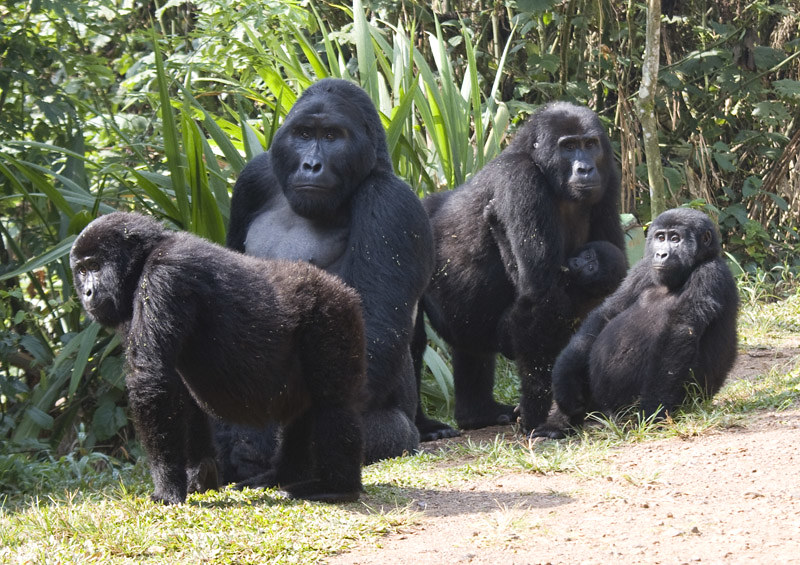
The hippo’s wide-mouth display shares conceptual similarities with other African wildlife dominance signals, including lion roaring and gorilla chest-beating, each representing a genuinely lower-risk alternative to direct physical confrontation that allows animals to assess relative strength before committing to an actual fight.
Female Hippo Display Behaviour
While male hippo display the wide-mouth gesture most frequently in territorial contexts, females also use similar behaviour, particularly when defending calves from perceived threats, demonstrating that the underlying warning function extends genuinely well beyond purely male-to-male territorial competition alone within a given pod structure.
Why Guides Correct This Misconception So Often
Given how frequently the “yawning” hippo photograph circulates on social media and in casual wildlife content, experienced guides genuinely encounter this misconception regularly among first-time safari travelers, making the correction one of the more commonly delivered pieces of behavioural context during a standard Kazinga Channel boat cruise.
The Broader Lesson About Interpreting Animal Behaviour
The hippo yawning misconception offers a genuinely useful reminder that animal behaviour often carries meaning quite different from what human intuition might initially suggest, encouraging travelers to ask guides about the actual function behind other seemingly familiar behaviours observed during a wider safari itinerary.
Best Boat Cruises for Witnessing Territorial Displays
The Kazinga Channel boat cruise offers genuinely close-range viewing of multiple hippo pods within a single narrow waterway, considerably improving the odds of witnessing an actual territorial dispute compared to more dispersed hippo populations found across wider river systems elsewhere.
Combining This Behaviour With Wider Big Five Viewing
Understanding hippo display behaviour adds genuine depth to a wider Uganda Big Five itinerary, giving travelers a richer behavioural framework for interpreting wildlife sightings beyond simply photographing recognisable species without deeper context.
Why This Fact Genuinely Surprises Most Travelers
Given how universally the “yawning hippo” image circulates without correction across popular media, most travelers arrive on safari genuinely unaware of the behaviour’s true territorial function, making the guide’s explanation a consistently memorable moment of learning during a standard game drive or boat cruise.
What a Genuinely Escalated Territorial Dispute Looks Like
Beyond the display alone, a genuine territorial confrontation between rival bulls can escalate into direct physical combat, involving tusk-to-tusk clashes and considerable violence, sometimes resulting in serious injury to one or both animals, underscoring that the initial wide-mouth display genuinely represents a meaningful first-stage warning rather than mere posturing without consequence.
How Guides Read Body Language Beyond the Mouth
Experienced guides watch for additional cues alongside the wide-mouth display, including ear positioning, tail-flicking while defecating (a separate territorial marking behaviour), and overall body tension, to assess genuinely how likely a specific interaction is to escalate before positioning a boat or vehicle at appropriate distance.
A Photograph Worth Genuinely Understanding
Next time you capture or see a photograph of a hippo’s dramatic open-mouth pose, consider that you’re genuinely witnessing a meaningful territorial statement rather than simple tiredness, a genuinely small but rewarding, worthwhile piece of behavioural context to carry with you afterward.
Frequently Asked Questions
Are hippos actually yawning when they open their mouth wide?
Not typically – it’s genuinely a territorial and dominance display rather than an indicator of tiredness in most observed contexts.
What are hippo tusks actually used for?
Primarily as weapons in territorial disputes between rival males, not for feeding, since hippos graze grass using their lips.
When do hippos display this behaviour most?
Most frequently during territorial disputes, particularly in the dry season when shrinking water sources increase competition for space.
Where can I reliably see this hippo behaviour?
Queen Elizabeth National Park’s Kazinga Channel, one of Africa’s densest hippo concentrations, offers genuinely reliable viewing opportunities.
Do hippos ever genuinely yawn like the display suggests?
Yes, though true yawning is less exaggerated and lacks the specific territorial context of the more dramatic display behaviour.
Ready to Plan Your Uganda Safari?
Whether witnessing this dramatic hippo behaviour firsthand, the Kazinga Channel’s famous hippo population, or a full Uganda itinerary is your priority, our team can build a trip matched to your interests. Get in touch with our team below today and let’s start planning your complete Uganda safari itinerary together.


No comment