

Black Rhino vs White Rhino: How to Tell Them Apart
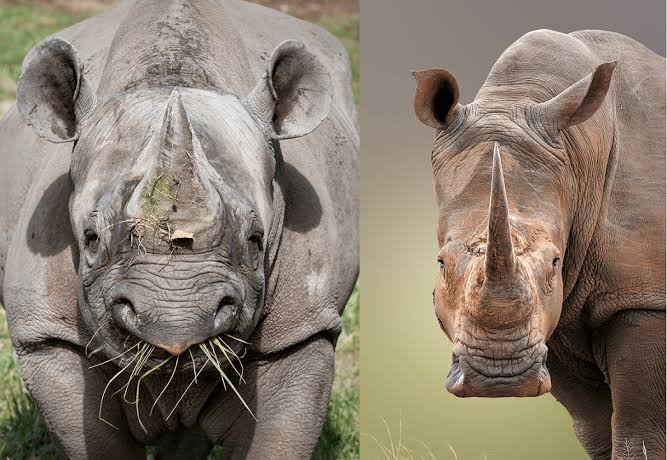
Black rhino and white rhino are genuinely far more difficult to distinguish by colour alone than their names suggest, since both species actually share a similar greyish hide, making lip shape, body size, and behaviour the real keys to telling them apart on safari.
Why the Names Are Genuinely Misleading
Despite their names, neither black nor white rhino display a genuinely distinct colour difference, both typically appearing greyish depending on the mud and dust they’ve recently wallowed in. The name “white” is widely believed to derive from a mistranslation of the Afrikaans word “wyd,” meaning wide, referring to the species’ distinctive wide, square lip rather than any actual colouring.
The Real Way to Tell Them Apart: Lip Shape
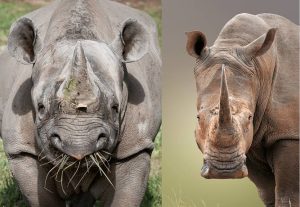
The single most reliable distinguishing feature between the two species is lip shape, with white rhino possessing a genuinely wide, square lip adapted for grazing grass close to the ground, while black rhino carry a distinctive pointed, prehensile upper lip adapted for browsing leaves and shrubs at a higher level. This lip difference directly reflects each species’ genuinely different feeding strategy and preferred diet.
Body Size and Build Differences
White rhino are genuinely considerably larger than black rhino, among the biggest land mammals after elephant, with a distinctive shoulder hump and a more elongated head carried low to the ground, suited to their grazing lifestyle. Black rhino carry a comparatively smaller, more compact build with the head held higher, reflecting their browsing behaviour among taller vegetation.
Behavioural Differences Worth Knowing
White rhino are genuinely more social, often seen in small groups, and generally display a calmer, more placid temperament compared to black rhino, which tend toward a more solitary, genuinely more defensive and unpredictable temperament. This behavioural distinction is part of why black rhino sightings often happen at somewhat greater, more cautious distance than white rhino encounters.
Habitat Preferences: Open Grass vs Dense Bush
White rhino favour genuinely open grassland where their grazing style suits the available vegetation, while black rhino prefer denser, more broken bush and woodland habitat that provides the varied browse their diet depends on. This habitat difference directly influences where each species is most reliably found within a shared park.
Where to See Both Species in East Africa
Both species can genuinely be observed across East Africa, with Lake Nakuru and Ol Pejeta Conservancy in Kenya, alongside Akagera National Park in Rwanda, all offering genuine opportunities to compare both species within a single destination.
Population and Conservation Status Differences
White rhino populations, while still under genuine conservation pressure, are considerably larger than black rhino numbers, with black rhino classified as critically endangered given how severely the species suffered from poaching across recent decades. This conservation status difference makes a black rhino sighting genuinely more significant given the species’ precarious overall population.
Best Time of Year for Rhino Viewing
Both species are visible year-round given resident populations across East Africa’s protected rhino sanctuaries. See our regional best-time guide for how East Africa’s seasonal patterns generally affect wider game viewing.
Self-Drive vs Guided Rhino Tracking
Given both species’ genuine conservation significance, most rhino viewing happens through guided tracking activities, particularly for black rhino given their denser bush habitat and more cautious temperament, with experienced rangers providing essential safety guidance during closer approach.
Photographing the Two Species
Capturing the distinctive lip shape difference offers a genuinely useful, educational photographic detail beyond a standard rhino portrait. A mid-range zoom covers most sightings comfortably, similar to the gear recommended in our camera gear guide.
What to Pack for Rhino-Focused Safaris
Standard game drive gear – neutral clothing, sun protection, and binoculars – covers most of what rhino viewing requires. If your wider itinerary includes gorilla trekking, our gorilla trekking packing list covers that portion separately.
Horn Shape and Size Differences
White rhino generally carry a genuinely longer front horn relative to body size compared to black rhino, though horn size varies considerably between individuals of both species and shouldn’t be relied upon as a primary identification feature given how much natural variation exists within each population.
Why Diet Shapes Everything Else About Each Species
The fundamental dietary difference between grazing and browsing genuinely explains nearly every other physical and behavioural distinction between the two species, from lip shape to head posture to preferred habitat, making diet the single underlying factor from which most other identifying features ultimately derive.
Historical Population Decline and Recovery Efforts
Both species suffered genuinely catastrophic population decline during the poaching crisis of the 1970s through 1990s, though white rhino populations have recovered somewhat more successfully thanks to intensive conservation breeding and protection programmes, while black rhino recovery has remained genuinely slower given the species’ lower natural reproductive rate and more challenging bush habitat for anti-poaching patrols.
Southern vs Northern White Rhino Subspecies
White rhino themselves split into two genuinely distinct subspecies, southern white rhino, which have recovered to relatively healthy population numbers, and northern white rhino, functionally extinct in the wild with only a handful of individuals surviving under intensive protection at Kenya’s Ol Pejeta Conservancy, making this subspecies distinction genuinely important beyond the black-versus-white comparison alone.
Why Black Rhino Are Genuinely Harder to Approach
Black rhino’s naturally more solitary, defensive temperament, combined with their preference for denser bush habitat offering less visibility, makes guided tracking activities considerably more cautious and deliberate than typical white rhino encounters, with rangers maintaining greater distance and relying more heavily on wind direction and terrain awareness during an approach.
Rhino Communication and Social Signals
Both species communicate through genuinely distinctive vocalisations and scent marking, including communal dung piles called middens that serve as territorial markers and information exchange points for rhino passing through a shared area, a behaviour more pronounced in the somewhat more social white rhino compared to black rhino’s generally more solitary lifestyle.
Comparing Rhino Tracking Experiences Across Destinations
Travelers genuinely interested in comparing both species often combine Lake Nakuru’s accessible national park setting with a dedicated Ol Pejeta rhino tracking experience, giving a fuller picture of how conservation approaches differ between a standard protected park and a specialised private conservancy.
Why Guides Genuinely Enjoy This Comparison Question
Experienced guides frequently field questions about the colour naming mystery, and genuinely enjoy walking travelers through the lip-shape explanation, given how effectively it corrects a widely held misconception while also revealing something genuinely interesting about each species’ distinct feeding ecology.
What a Rhino Tracking Experience Actually Involves
Guided rhino tracking typically involves following fresh spoor and dung on foot with an experienced ranger, approaching carefully and quietly to observe from a safe, sensible distance, an experience genuinely different from a standard vehicle-based game drive and often considered a highlight of a dedicated rhino-focused itinerary.
Why Rhino Conservation Funding Matters Directly to Travelers
Tourism revenue from rhino tracking and viewing activities directly funds the intensive anti-poaching patrols and monitoring required to protect both species, meaning a rhino-focused safari genuinely contributes tangible conservation value beyond the personal experience itself, a connection worth understanding before booking a dedicated tracking activity.
Best Lodges for Comparing Both Species
Properties positioned near dedicated rhino sanctuaries genuinely simplify logistics for travelers specifically prioritising a side-by-side comparison of both species, cutting down on transfer time between different tracking or viewing activities across a single well-planned itinerary.
Why This Comparison Enhances a Wider Safari
Understanding the genuine distinction between black and white rhino adds real intellectual depth to a wider Big Five itinerary, transforming what might otherwise be a simple checklist sighting into a considerably more engaging opportunity to observe and interpret two genuinely different feeding and behavioural strategies side by side.
A Fact Worth Sharing With Fellow Travelers
The colour-naming misconception genuinely surprises most fellow travelers sharing a game drive vehicle, making it a genuinely naturally engaging, memorable piece of trivia worth sharing during any shared rhino sighting on a group safari.
Getting to East Africa’s Best Rhino Destinations
Most itineraries reach Kenya’s rhino sanctuaries via road or short scheduled flight from Nairobi, with dedicated rhino-focused stops genuinely worth the extra planning for travelers specifically prioritising this comparison.
Frequently Asked Questions
Are black and white rhino actually different colours?
No, genuinely not – both typically appear greyish, and the names likely derive from a mistranslation referencing lip shape, not colour.
What’s the most reliable way to tell them apart?
Lip shape – white rhino have a wide, square lip for grazing, while black rhino have a pointed lip for browsing.
Which species is larger?
White rhino are genuinely considerably larger, among the biggest land mammals after elephant.
Which species is more endangered?
Black rhino are classified as critically endangered, having suffered severe poaching pressure across recent decades.
Where can I see both species in East Africa?
Lake Nakuru and Ol Pejeta in Kenya, and Akagera National Park in Rwanda, all offer genuine opportunities to see both.
Ready to Plan Your Rhino-Focused Safari?
Whether comparing black and white rhino firsthand, the full Big Five, or a complete East Africa itinerary is your priority, our team can build a trip matched to your interests. Get in touch with our team below today and let’s start planning your complete safari itinerary together.

No comment