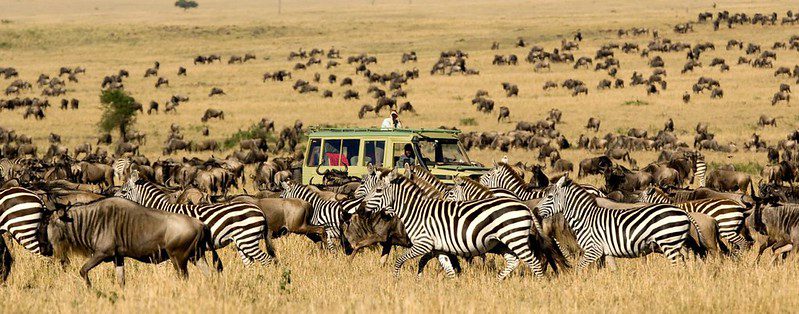
Imagine standing on the Serengeti National Park’s wide grassland, surrounded by the sights and sounds of millions of wildebeests and zebras on the move. The Great Migration is one of the most amazing natural shows on the planet. In this travel blog, we will embark on a journey to Tanzania to experience this breathtaking occurrence, offering insights into what makes it so captivating and why it should be on the bucket list of any nature lover.
The Great Migration: A Natural Marvel
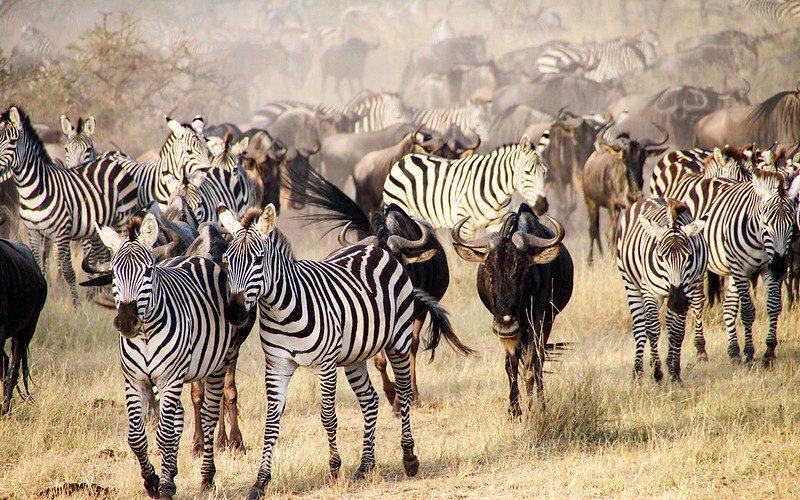
The Great Migration is an annual event that sees over two million wildebeests, zebras, and other herbivores migrate across the Serengeti and Maasai Mara ecosystems in East Africa. It’s a timeless journey driven by the search for greener pastures and fresh water sources. This migration is a testament to the resilience of nature and the intricate balance of ecosystems.
When to Go: Timing is Everything
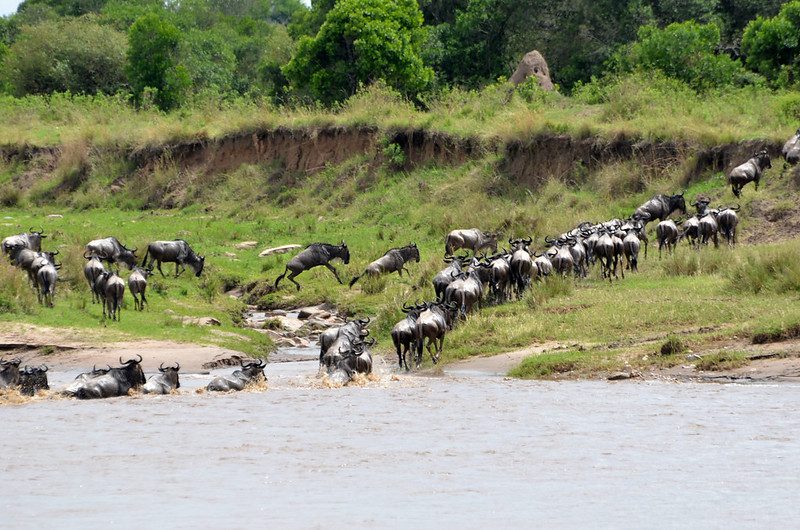
To witness the Great Migration in all its glory, timing is crucial. The migration’s timing varies from year to year, influenced by rainfall patterns, so it’s essential to plan your trip during the right season. Generally, the best time to go is from June to October when the herds are crossing the Grumeti and Mara rivers. During this period, you can witness dramatic river crossings, a highlight of the migration.
Serengeti National Park: The Epicenter of the Action
The Serengeti National Park is the heart of the Great Migration, providing a stunning backdrop for this natural spectacle. Here, you’ll find a range of habitats, from grassy plains to acacia woodlands and rocky outcrops. These diverse landscapes support a rich variety of wildlife, not just the migratory herds.
The Big Five and Beyond: Abundant Wildlife
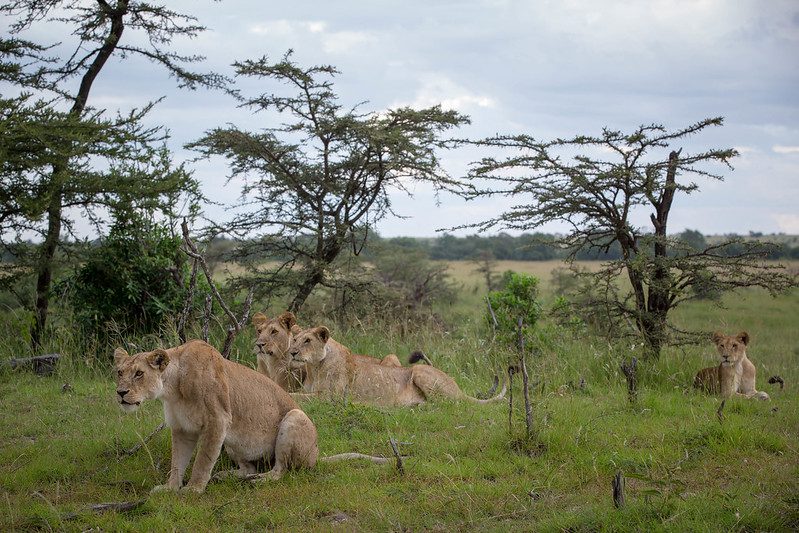
While the Great Migration is undoubtedly the star of the show, a Tanzania safari offers much more. The Serengeti is home to the Big Five (lion, leopard, elephant, buffalo, and rhinoceros), along with cheetahs, hyenas, giraffes, and countless bird species. Game drives through the park provide opportunities to witness predators in action, as they follow the herds in search of prey.
Choosing Accommodations: From Tented Camps to Luxury Lodges
Tanzania offers a range of accommodations to suit different preferences and budgets. You can choose to stay in comfortable tented camps for an authentic safari experience or opt for luxury lodges with all the amenities. Many of these accommodations are strategically located to provide excellent wildlife viewing opportunities right from your doorstep.
Experiencing Cultural Richness: A Visit to Maasai Communities
A Tanzania safari isn’t just about wildlife; it’s also an opportunity to connect with local cultures. You can visit Maasai villages and learn about their traditional way of life, gaining a deeper understanding of the people who coexist with the wildlife of the Serengeti.
Conservation and Responsible Tourism
Responsible tourism is essential to preserve this natural wonder for future generations. It’s crucial to choose tour operators and accommodations that prioritize sustainability and wildlife conservation. Leave no trace, follow ethical guidelines when observing animals, and respect the environment.
A Great Migration safari in Tanzania is a once-in-a-lifetime experience that will allow you to see nature’s spectacular show unfold before your eyes. It’s a reminder of the natural world’s beauty and resilience, and it’s an experience that will leave you with vivid memories and a deep respect for the beauties of the African bush. So pack your luggage, grab your camera, and embark on a remarkable journey to Tanzania’s Serengeti to witness the Great Migration firsthand.
Understanding the Migration’s Full Annual Cycle
Beyond the celebrated June through October crossing season, the migration actually unfolds year-round in a roughly circular pattern, calving in the southern Serengeti between January and March before moving steadily northward, meaning travelers with flexible timing can witness genuinely different phases of this ongoing journey.
The Calving Season: A Different Kind of Spectacle
Between January and March, the southern Serengeti hosts hundreds of thousands of wildebeest births within a few concentrated weeks, drawing predators in equal measure, a dramatic, life-and-death phase of the migration that offers a genuinely different character from the more famous river crossings.
Why the Grumeti and Mara River Crossings Differ
The Grumeti crossings, typically occurring May through July, tend to be smaller and less predictable than the more dramatic Mara crossings later in the season, though both deliver the same crocodile-infested, high-stakes drama that makes migration viewing so compelling. All in Africa Safaris can time your visit to whichever crossing phase interests you most.
Choosing Your Base Within the Serengeti Ecosystem
Since the migration’s location shifts throughout the year, choosing accommodation positioned near the herds’ current location, rather than a fixed camp that might sit far from the action during your visit, makes a considerable difference to your actual viewing experience.
What Makes Tanzania’s Serengeti Different From Kenya’s Mara
Basing your migration safari in Tanzania’s Serengeti offers considerably more space and fewer vehicles per sighting given the Serengeti’s much larger overall area, a meaningful advantage for travelers prioritizing a less crowded viewing experience over Kenya’s more compact Maasai Mara.
Extending Your Trip Beyond the Serengeti
Many travelers pair their Serengeti migration viewing with a Ngorongoro Crater day trip, Tarangire National Park, or a closing Zanzibar beach extension, rounding out a Tanzania safari with the country’s other signature destinations. All in Africa Safaris can sequence these additions into a single well-paced itinerary around your migration viewing.
Booking Timeline for a Migration Safari
Given how sought-after camps near prime migration viewing areas become, particularly during the June through October crossing season, booking six to twelve months ahead is genuinely advisable to secure well-positioned accommodation. All in Africa Safaris can monitor availability and confirm your preferred camps well ahead of peak demand.
Why the Migration Never Truly Stops
Unlike a fixed seasonal event, the migration is a continuous, year-round movement driven by rainfall and grass growth, meaning there’s genuinely no single “wrong” time to visit, only different phases each offering their own distinct character and highlights.
Photography Considerations Specific to Tanzania’s Migration
A wide-angle lens captures the sheer scale of herds stretching across the Serengeti’s open plains, while a telephoto lens handles the intimate, fast-moving action of a crossing or a predator hunt, making both genuinely worth packing for a Tanzania migration safari.
What Experienced Guides Bring to Migration Tracking
Beyond simple wildlife knowledge, experienced Serengeti guides maintain real-time communication networks with other guides scattered across the ecosystem, sharing herd location updates that allow your specific game drive to be routed toward the most active migration activity on any given day.
The Predators That Follow the Herds
Lions, cheetahs, hyenas, and crocodiles all time their own behavior around the migration’s movement, meaning a Tanzania migration safari delivers exceptional predator sightings alongside the herds themselves, since predator concentration naturally follows wherever prey animals gather in the largest numbers.
Hot Air Balloon Safaris Over the Serengeti
A sunrise hot air balloon flight over the Serengeti during migration season offers a genuinely unmatched aerial perspective on the herds’ scale, an experience many travelers rank among their single most memorable safari moments. All in Africa Safaris can add this activity to your migration safari as a signature highlight.
Why Patience Rewards a Migration Safari
The migration’s unpredictability, herds gathering at a crossing point for hours before committing, means a guide’s patience and read of animal behavior often matters as much as timing alone in delivering a truly memorable sighting.
Weather and Packing Considerations for Your Trip
Migration season generally coincides with Tanzania’s dry season, meaning warm days, cool mornings, and minimal rainfall, though packing layered clothing handles the meaningful temperature swing between warm midday game drives and noticeably cooler early morning departures.
The Sheer Scale Worth Understanding Before You Go
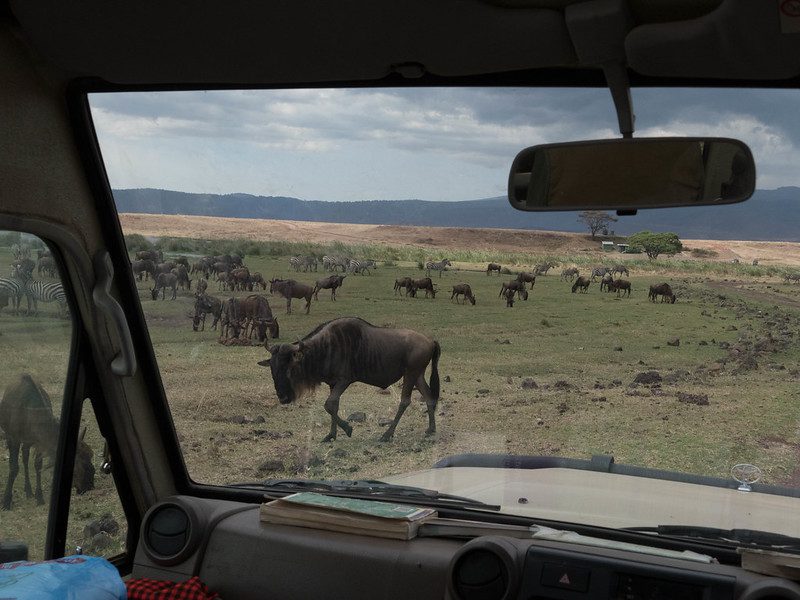
Nearly two million wildebeest, zebras, and antelope moving together across a shared landscape represents one of the largest terrestrial animal movements left on Earth, a scale that photographs and descriptions genuinely struggle to convey until experienced firsthand from a vehicle in the middle of it.
A Trip Best Planned With Expert Guidance
Given how many variables shape a truly successful migration safari, timing, location, camp positioning, guide expertise, working with a genuinely knowledgeable operator makes the difference between a good trip and an extraordinary one. All in Africa Safaris brings exactly this kind of expertise to every migration itinerary.
A Once-in-a-Lifetime Experience Worth Repeating
Despite the phrase “once-in-a-lifetime” attached to it so often, the migration’s endless variability means many travelers return specifically to witness a different phase or a different crossing than they saw the first time.
Why Tanzania Remains the Migration’s Natural Home Base
Since the migration spends the majority of the year within Tanzanian territory, calving, the western corridor, and much of its circuit, before briefly crossing into Kenya, Tanzania genuinely offers the most complete and extended access to this natural phenomenon across the calendar year.
Planning Your Tanzania Great Migration Safari
From the southern Serengeti’s calving season to the dramatic Mara River crossings, Tanzania’s Great Migration safari delivers a genuinely unforgettable window into one of nature’s most remarkable annual events. All in Africa Safaris can turn this overview into a fully confirmed itinerary tailored to your travel dates and interests, bringing you face to face with nature’s grandest wildlife spectacle in the heart of the Serengeti.