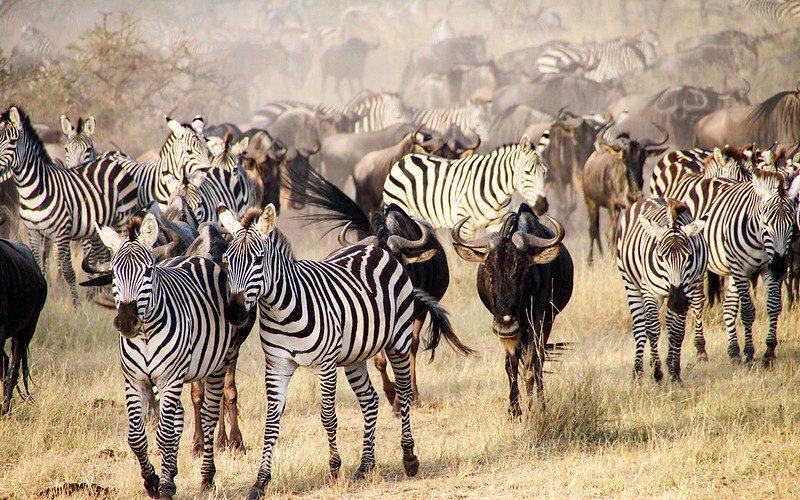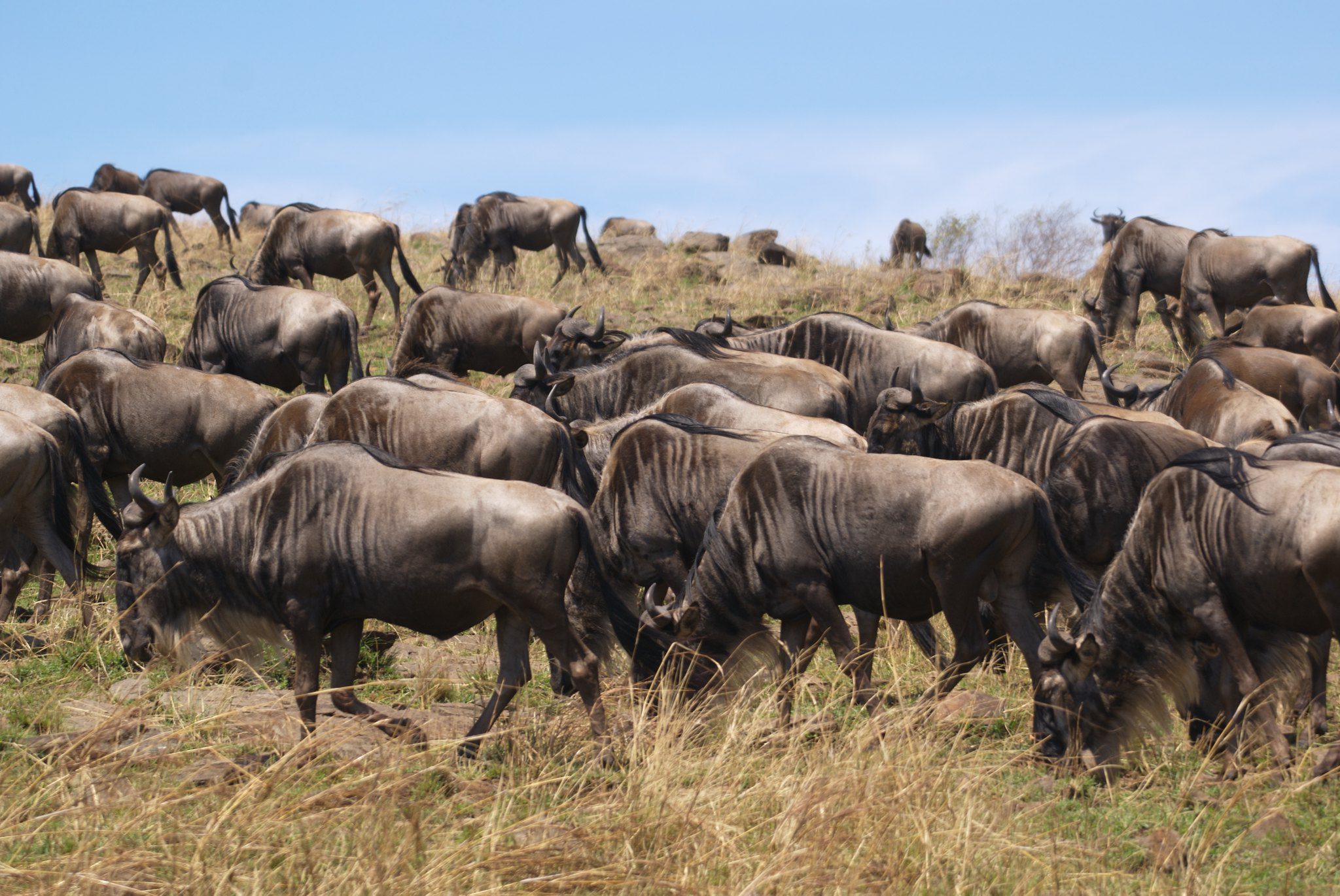
A Tanzania Migration Safari is a dream vacation for wildlife and environment aficionados. Seeing the Great Migration—the incredible migration of millions of wildebeests, zebras, and other animals across the Serengeti—can be a life-changing event. We’ll give you with crucial recommendations and highlight must-see sites in our travel guide to help you organise the safari of your dreams.
Timing Your Safari: The Migration Calendar
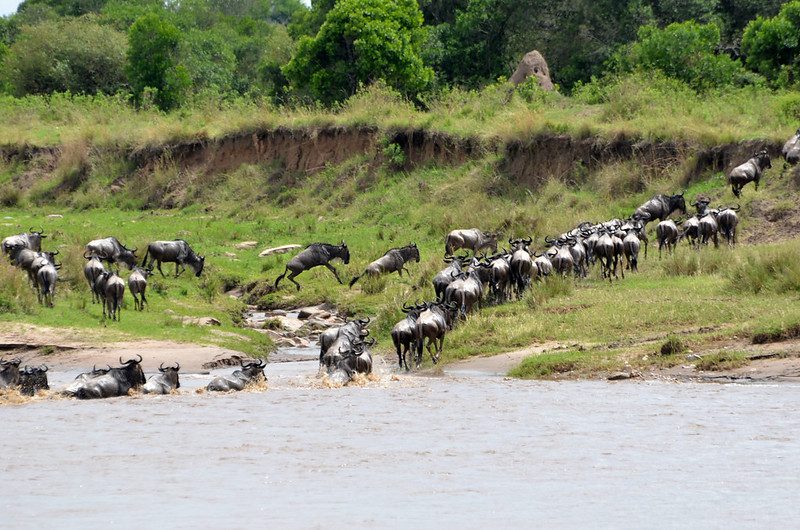
The timing of your Tanzania Migration Safari is critical. The migration is influenced by rainfall and can vary from year to year. Generally, the best time to visit is during the dry season from June to October. This is when the herds cross rivers, offering incredible wildlife viewing opportunities, particularly river crossings.
Destination Spotlight: Serengeti National Park
The Serengeti National Park is the epicenter of the Great Migration and a must-visit destination. Its vast plains, dotted with acacia trees and rocky kopjes, provide an ideal habitat for the migrating herds and numerous predators. When planning your safari, allocate ample time to explore the different regions of the Serengeti, such as the Western Corridor and the Northern Serengeti, for diverse wildlife encounters.
Choosing Accommodations: From Tented Camps to Luxury Lodges
Tanzania offers a range of accommodations to suit various preferences and budgets. Options range from traditional tented camps that provide an authentic safari experience to luxurious lodges with all the amenities. Consider your comfort level, budget, and location preferences when selecting your accommodations. Many lodges are strategically situated for excellent wildlife viewing.
Balloon Safaris: A Unique Perspective
For a truly unique experience, consider adding a hot air balloon safari to your itinerary. Soaring above the Serengeti at sunrise offers breathtaking aerial views of the landscape and its inhabitants. It’s a fantastic way to appreciate the scale of the migration and capture incredible photos.
Beyond the Migration: Exploring Ngorongoro Crater
While the Great Migration is the main attraction, don’t miss the opportunity to explore Ngorongoro Crater, a UNESCO World Heritage site. This caldera is home to a high concentration of wildlife, including the Big Five, and offers excellent game viewing year-round. Plan a day trip to maximize your experience.
Guided Tours: Expertise and Local Knowledge
Consider booking a guided safari to make the most of your Tanzania Migration Safari. Knowledgeable guides are well-versed in wildlife behavior, migration patterns, and the best viewing spots. Their expertise enhances your experience and ensures you don’t miss any of the action.
Responsible Tourism and Conservation
Choose tour operators and accommodations that prioritize responsible tourism and wildlife conservation. Respect ethical guidelines when observing animals, minimize your environmental impact, and support initiatives that contribute to the preservation of Tanzania’s natural treasures.
A Tanzania Migration Safari is a once-in-a-lifetime adventure that includes unrivalled animal encounters and magnificent scenery. You can make the most of this incredible experience with proper planning and these crucial suggestions. Witnessing the Great Migration and discovering the marvels of the Serengeti and Ngorongoro Crater will leave you with unforgettable memories and a great appreciation for nature. Begin arranging your fantasy safari and prepare for an incredible journey into the heart of Africa’s nature.
Why the Migration Never Truly “Stops”
Unlike a scheduled event, the migration is a continuous, year-round movement of animals rather than a single occurrence, meaning there is always some phase of the migration happening somewhere in the Serengeti-Mara ecosystem regardless of when you travel. This continuous nature is why experienced guides can deliver a rewarding migration experience across a much wider window than just the headline crossing months.
Understanding the Migration’s Circular Route
The Great Migration doesn’t follow a single straight path but rather a roughly circular route through the Serengeti-Mara ecosystem, moving from the southern plains during calving season northward toward the Mara River crossings and back again as the herds follow seasonal rainfall and fresh grazing. Understanding this circular pattern helps travelers appreciate why the “best” viewing location genuinely shifts throughout the year.
A Note on Photography During the Migration
Wide-angle lenses capture the migration’s sheer scale, thousands of animals stretching to the horizon, while a telephoto lens is essential for the intimate action of a river crossing or a predator hunt playing out at a distance. Bringing both, along with spare batteries and ample memory cards, ensures you’re prepared for whichever type of shot the day’s action delivers.
River Crossings: The Migration’s Most Dramatic Moments
The Grumeti and Mara river crossings represent the migration’s most visually dramatic moments, thousands of wildebeest plunging into crocodile-infested waters in a chaotic, high-stakes crossing that can unfold within minutes or stretch across hours. Positioning at the right crossing point, informed by experienced guides tracking daily herd movement, makes an enormous difference to whether you witness this spectacle firsthand.
Respecting the Animals During a Crossing
Guides maintain a respectful vehicle distance during crossings to avoid startling herds already in a heightened state, a balance between securing a great view and not becoming part of the reason a crossing gets disrupted.
The Calving Season as an Alternative Highlight
Between January and March, the southern Serengeti plains host the migration’s calving season, when hundreds of thousands of wildebeest calves are born within a few concentrated weeks, drawing predators in significant numbers for some of the most dramatic predator-prey activity of the entire year. Travelers less focused on river crossings specifically often find this quieter season equally rewarding, with noticeably fewer other vehicles competing for prime viewing spots.
How Many Days to Allocate for a Migration Safari
A meaningful migration-focused safari typically requires at least five to seven days to allow sufficient time in the Serengeti alongside a Ngorongoro Crater day trip, though travelers wanting to also include Tarangire National Park or a Zanzibar beach extension should plan for ten days or more. All in Africa Safaris can help you determine the right length based on your specific priorities.
What to Pack for Migration Season
Neutral-colored, lightweight clothing suited to warm days and cool mornings, alongside a good pair of binoculars and a camera with a substantial zoom lens, cover the essentials for migration season travel, given the dry season’s stable but temperature-variable conditions. A dust-resistant camera bag is also worth packing given the open-vehicle game drives typical of migration viewing.
Booking Timeline for Peak Migration Season
Given how sought-after camps near prime river crossing points become during July through October, booking six to twelve months in advance is genuinely necessary to secure the best-positioned accommodations for peak migration viewing. All in Africa Safaris can monitor availability and secure your preferred camps well ahead of your intended travel dates.
Choosing the Right Migration Season for Your Priorities
Travelers specifically chasing river crossings should target July through October, while those more interested in predator action and newborn wildlife should aim for the January through March calving season, and those prioritizing fewer crowds might consider the shoulder months in between when the herds are still moving but visitor numbers thin out. All in Africa Safaris can match your specific interests to the season that delivers on them.
Hot Air Balloon Safaris: What to Actually Expect
A sunrise balloon flight typically lasts about an hour, followed by a celebratory bush breakfast upon landing, a genuinely memorable sequence that adds a full half-day activity to your Serengeti itinerary. Booking this activity in advance is worth doing given limited daily capacity, particularly during peak migration season when demand runs high.
Combining the Migration With Zanzibar
Many migration safaris conclude with a Zanzibar beach extension, trading the Serengeti’s dust and early morning game drives for the Indian Ocean’s warm waters and Stone Town’s historic streets. All in Africa Safaris can add this extension seamlessly to the end of your migration itinerary.
Guided Versus Self-Drive Migration Safaris
Given how much a migration safari’s success depends on real-time knowledge of herd movement, a guided safari with an experienced local guide consistently outperforms a self-drive approach, since guides maintain communication networks with other camps and guides that self-drive travelers simply don’t have access to. This local knowledge is often the single biggest factor separating an exceptional migration safari from an underwhelming one.
What Makes Ngorongoro Crater Worth a Full Day
Beyond its status as a UNESCO World Heritage site, Ngorongoro Crater’s enclosed ecosystem concentrates an exceptional density of wildlife, including the rare black rhinoceros, within a compact, easily explored caldera, making it one of Africa’s most reliable single-day wildlife viewing destinations regardless of migration timing. This reliability is precisely why it remains a fixture on nearly every Tanzania migration itinerary.
A Migration Worth Building Your Whole Trip Around
Few wildlife events anywhere match the sheer scale of over a million wildebeest and hundreds of thousands of zebra moving across the Serengeti, making the migration a genuinely worthy centerpiece for an entire Tanzania journey.
Planning Your Dream Tanzania Migration Safari
From choosing the right timing and location to securing well-positioned accommodation, planning a truly memorable Tanzania Migration Safari benefits enormously from local expertise and established camp relationships. All in Africa Safaris can turn this overview into a fully confirmed itinerary tailored to your travel dates and interests, bringing the Great Migration’s full spectacle within reach.