Africa, a continent renowned for its breathtaking landscapes, diverse wildlife, and rich cultural heritage, is experiencing a remarkable transformation in its tourism industry. While traditional safaris have long been the hallmark of African travel, a new trend is emerging that offers travelers an immersive and sustainable way to experience the beauty and wonders of the continent: ecotourism.
Embracing Sustainability
Ecotourism, often referred to as responsible tourism, focuses on minimizing the negative impact of travel on the environment and local communities while providing meaningful experiences for tourists. Africa’s extraordinary biodiversity and delicate ecosystems make it a prime candidate for ecotourism initiatives.
As global awareness of environmental issues continues to grow, travelers are seeking experiences that align with their values. African countries are recognizing the potential of ecotourism to contribute to conservation efforts and uplift local communities. Many governments and organizations are collaborating to establish protected areas, promote sustainable practices, and encourage responsible tourism development.
Preserving Biodiversity
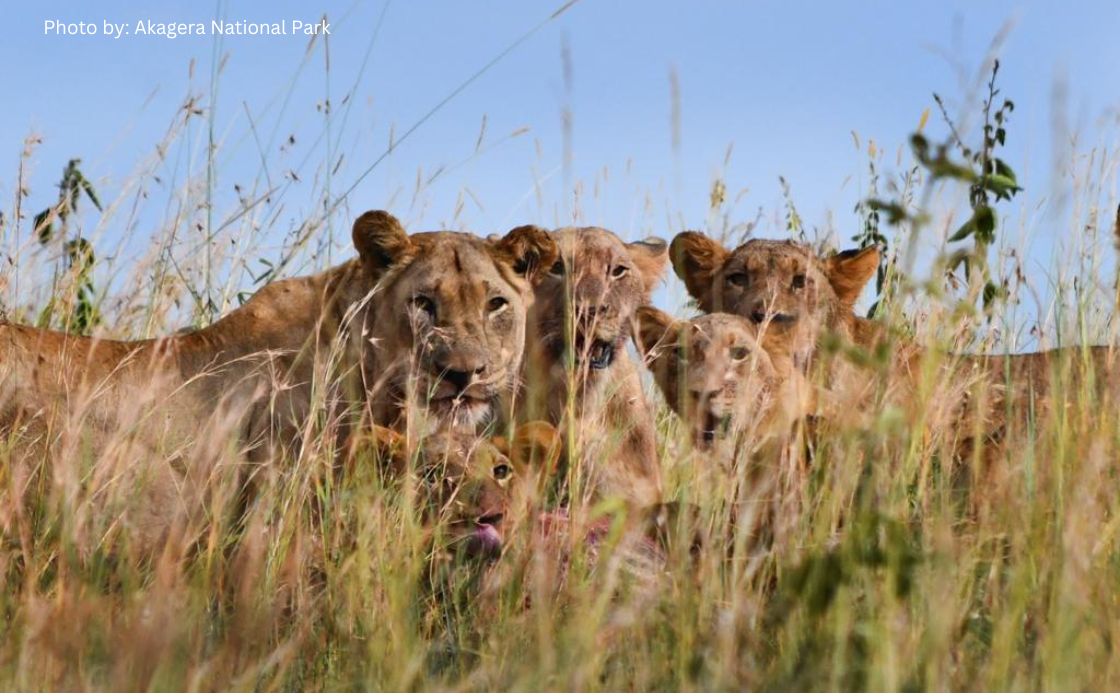
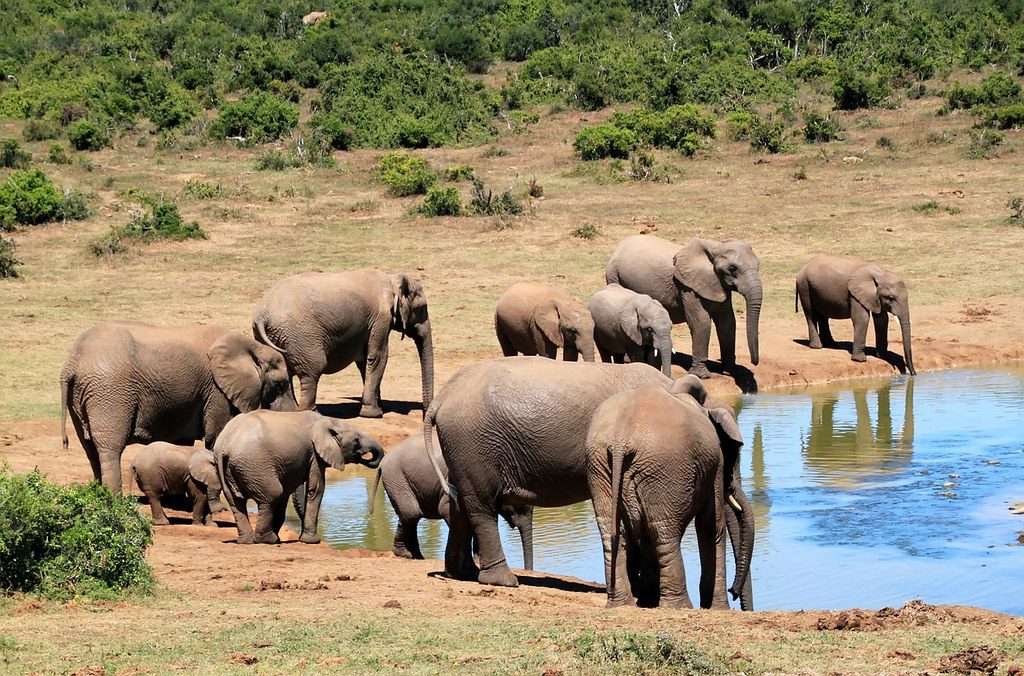
One of the most compelling aspects of ecotourism in Africa is its role in the preservation of biodiversity. The continent is home to some of the world’s most iconic species, from the majestic elephants and rhinos to the elusive big cats. By creating economic incentives for the conservation of these species, ecotourism helps combat poaching and habitat destruction.
For example, gorilla trekking in Rwanda and Uganda has become a flagship ecotourism activity. Travelers have the rare opportunity to observe these magnificent creatures in their natural habitat, and the revenue generated from permits goes directly towards gorilla conservation efforts and supporting local communities.
Empowering Local Communities
Ecotourism’s positive impact extends beyond wildlife conservation. It empowers local communities by providing job opportunities, supporting education, and fostering cultural preservation. Many ecotourism lodges and camps are owned and operated by locals, ensuring that the economic benefits of tourism are distributed more equitably.
By involving local communities in the management and benefits of ecotourism, there is a stronger incentive to protect the environment and wildlife. This synergy between conservation and community development is a hallmark of successful ecotourism initiatives across the continent.
Challenges and Future Directions
While the rise of ecotourism in Africa is promising, it is not without challenges. Balancing the influx of tourists with the need to preserve fragile ecosystems requires careful planning and management. Overcrowding, pollution, and habitat disturbance can still occur if not properly regulated.
The future of ecotourism lies in collaboration between governments, conservation organizations, local communities, and tourists themselves. Sustainable tourism practices, such as limiting group sizes, enforcing ethical wildlife viewing guidelines, and promoting responsible behavior, are essential to ensure the long-term viability of ecotourism.
Conclusion
The emergence of ecotourism in Africa indicates a revolution in our understanding and appreciation of the natural environment. It’s about more than simply seeing animals; it’s about understanding our place in the environment, supporting conservation initiatives, and leaving a good mark on the areas we visit. As travellers seek more meaningful and transformational experiences, ecotourism provides a way towards a more sustainable and peaceful cohabitation of people and the natural environment. Africa’s vast landscapes and colourful cultures await exploration, adoration, and preservation through the perspective of responsible travel.
Why This Matters More in East Africa Than Almost Anywhere
Few regions carry as much genuine ecological and conservation stake in getting tourism right as East Africa, home to some of the planet’s most endangered and irreplaceable wildlife populations, making the ecotourism model discussed here far more than an abstract industry trend.
What Ecotourism Looks Like on the Ground in East Africa
Beyond the general principles, ecotourism in Uganda, Kenya, Tanzania, and Rwanda takes tangible form as community-run lodges, revenue-sharing agreements between parks and neighboring villages, and guided activities designed specifically to minimize environmental footprint while maximizing genuine wildlife encounters. All in Africa Safaris works exclusively with operators and lodges that embody these principles in practice, not just in marketing language.
How Ecotourism Revenue Actually Reaches Communities
Rather than a vague promise, well-structured ecotourism agreements specify exact percentages of permit or park fees directed to community trust funds, healthcare, and education, a level of transparency worth asking any operator about directly.
Gorilla Trekking as Ecotourism’s East African Flagship
Gorilla trekking in Bwindi and Volcanoes National Park stands as perhaps the clearest example of ecotourism succeeding at scale, permit revenue directly funding ranger salaries and community programs, a model credited with helping Uganda and Rwanda’s mountain gorilla populations grow substantially over the past two decades. This success story is frequently cited internationally as proof that tourism revenue can drive genuine conservation outcomes.
What Sets Genuine Ecotourism Apart From Marketing
The clearest sign of authentic ecotourism is specificity, exact conservation percentages, named community partnerships, documented outcomes, rather than vague, feel-good language that any operator can attach to a brochure regardless of actual practice.
How Community-Owned Lodges Change the Economics of Travel
Lodges and camps owned or co-owned by local communities keep a considerably larger share of tourism revenue within the immediate area compared to externally owned properties, funding schools, healthcare, and infrastructure that benefit residents directly rather than distant shareholders. Choosing these properties when booking a safari is one of the most concrete ways individual travelers can support ecotourism’s community-focused goals.
Why Individual Travel Choices Still Matter at Scale
A single traveler’s choice of operator might feel small, but multiplied across the thousands of visitors East Africa welcomes each year, these collective choices genuinely determine whether ecotourism scales as a conservation force or dilutes into another form of mass tourism.
What Responsible Wildlife Viewing Actually Requires
Beyond simply avoiding harm, genuinely responsible wildlife viewing means respecting group size limits, maintaining appropriate distances, and following guide instructions even when a closer view seems tempting, practices that protect both animal welfare and the long-term viability of the wildlife tourism these communities depend on. All in Africa Safaris builds these standards into every wildlife activity it arranges.
A Shared Responsibility Between Industry and Traveler
Genuine ecotourism succeeds only when operators build it into their core practice and travelers actively seek it out, a two-sided responsibility neither party can fully deliver alone.
Balancing Visitor Numbers With Conservation Goals
Permit limits on activities like gorilla trekking exist precisely to manage the tension this article raises between tourism revenue and ecosystem protection, capping visitor numbers even when demand would support significantly more traffic. This deliberate restraint is a defining feature of well-managed ecotourism, distinguishing it from mass tourism models that prioritize volume over sustainability.
How Travelers Can Choose Genuinely Responsible Operators
Looking for concrete evidence of community partnership, transparent conservation funding, and adherence to established wildlife viewing guidelines, rather than simply trusting marketing claims of “eco-friendly” tourism, helps travelers distinguish genuine ecotourism operators from those using the label loosely. All in Africa Safaris is happy to detail exactly how its operations support conservation and community partnership for any traveler who asks.
The Role of Small Group Sizes in Genuine Ecotourism
Limiting trekking and game drive group sizes isn’t simply about exclusivity, smaller groups reduce noise, environmental disturbance, and cumulative wear on trails and habitats, directly supporting the conservation outcomes ecotourism aims to deliver. This is why reputable operators maintain these limits even when demand would support larger groups.
Cultural Tourism as an Extension of Ecotourism Principles
Guided community visits, craft purchases, and cultural performances that fairly compensate local performers and artisans extend ecotourism’s principles beyond wildlife into the broader fabric of a destination’s living culture. All in Africa Safaris builds these cultural experiences into itineraries with the same responsible-tourism standards applied to wildlife activities.
Measuring Ecotourism’s Success Beyond Anecdote
Uganda and Rwanda’s documented mountain gorilla population growth over the past two decades offers rare, measurable proof that ecotourism revenue genuinely translates into conservation outcomes, rather than remaining an abstract or aspirational claim. This kind of verifiable success is precisely what distinguishes credible ecotourism from greenwashed marketing elsewhere in the industry.
What Travelers Give Up and Gain With Ecotourism Choices
Choosing ecotourism-aligned lodges and operators sometimes means a slightly higher price point or a marginally less polished amenity list compared to purely commercial alternatives, a trade-off most conscientious travelers find genuinely worthwhile given the direct community and conservation impact involved. Understanding this trade-off upfront helps travelers make an informed choice rather than assuming ecotourism always costs less.
The Long-Term Stakes for East Africa’s Ecosystems
As demand for African wildlife tourism continues growing, the choices individual travelers make about which operators and lodges to support will meaningfully shape whether that growth translates into genuine conservation funding or simply increased pressure on fragile ecosystems. All in Africa Safaris positions every itinerary it plans on the conservation side of that choice.
A Movement Still Taking Shape
Ecotourism in Africa remains a genuinely evolving movement rather than a finished model, meaning every traveler’s choices, and every operator’s practices, continue actively shaping what the industry becomes over the coming decade.
Planning a Genuinely Responsible African Safari
Choosing ecotourism-aligned operators, lodges, and itineraries turns a wildlife safari into a direct contribution toward the conservation and community outcomes this article describes. All in Africa Safaris can build a genuinely responsible East African safari itinerary tailored to your interests and travel dates, one that leaves the places you visit better off for your having been there, not merely unchanged.