Africa is a vast and diverse continent with a wide range of climates, landscapes, and cultures. Whether you’re exploring the savannas, trekking in the mountains, or relaxing on the coast, dressing appropriately is essential for comfort, safety, and cultural sensitivity. Here’s a comprehensive guide on what to wear for different types of African trips.
1. Safari and Wildlife Adventures.
Neutral Tones: Opt for neutral-colored clothing to blend in with the natural surroundings and avoid startling wildlife.
Long Sleeves and Pants: Wear lightweight, long-sleeved shirts and pants to protect against the sun, insects, and thorny vegetation.
Wide-Brimmed Hat: A wide-brimmed hat offers sun protection for your face, neck, and ears.
Sturdy Footwear: Closed-toe, comfortable, and sturdy shoes or hiking boots are ideal for walking safaris and exploring rough terrain.
Sunglasses: Polarized sunglasses with UV protection will shield your eyes from glare and sun exposure.
Lightweight Jacket: Pack a lightweight, breathable jacket for early morning game drives or cooler evenings.
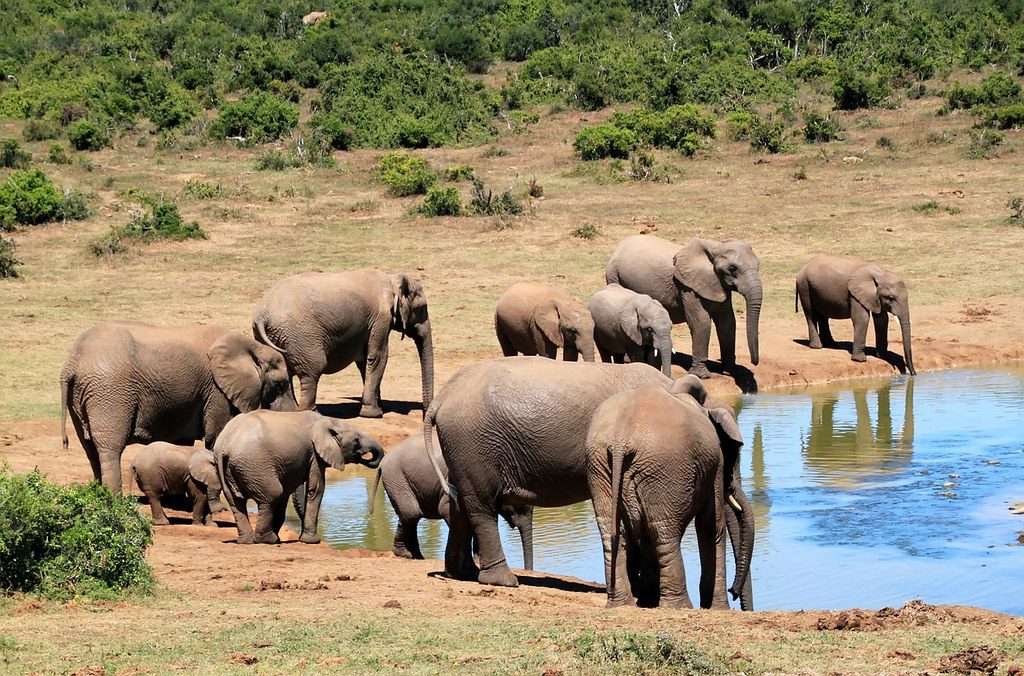
Binoculars: If you’re planning on wildlife viewing, binoculars are essential for spotting animals from a distance.
2. Mountain Treks.
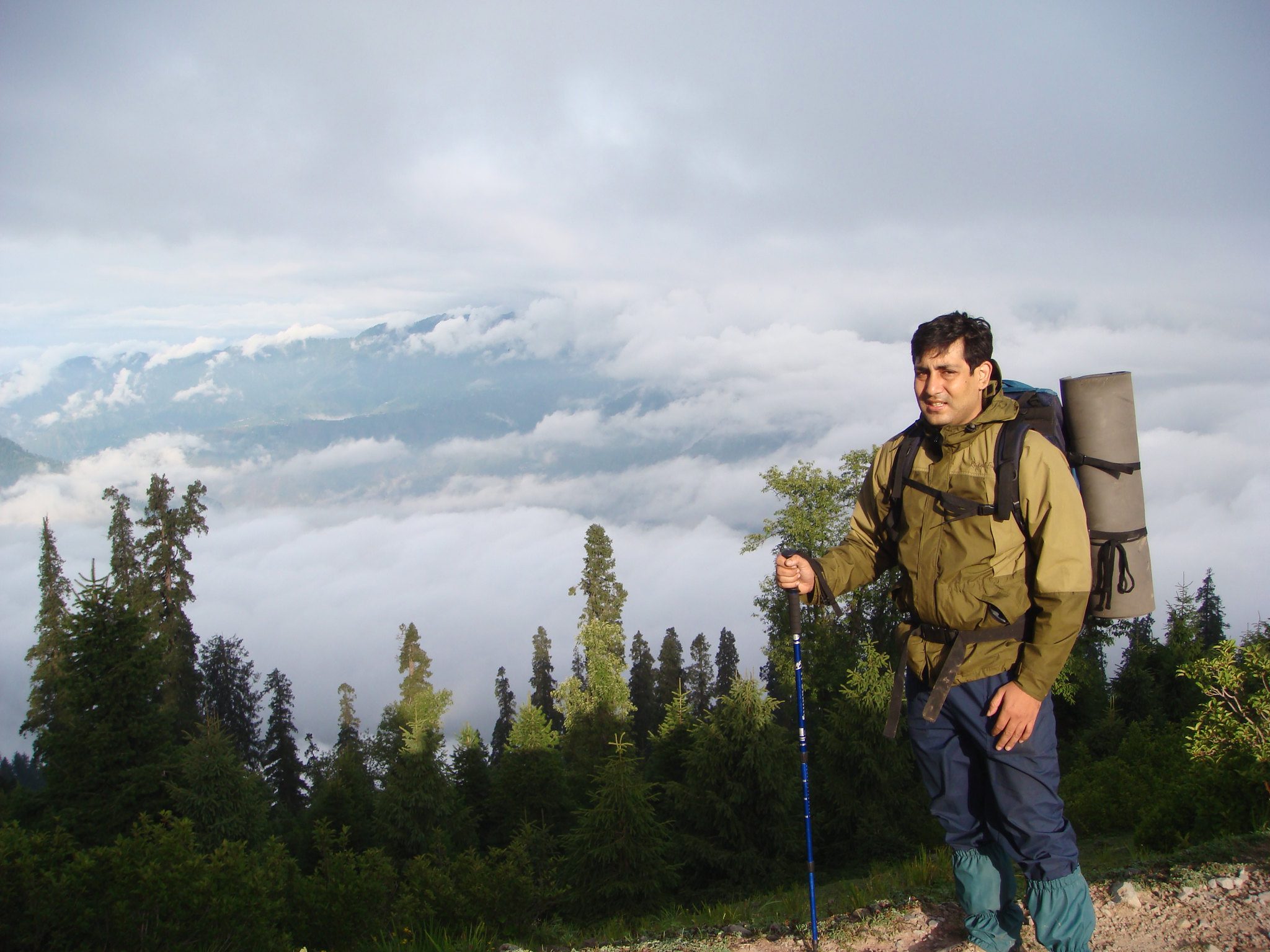
Layering: Dress in layers to adapt to changing temperatures as you ascend or descend. This includes moisture-wicking base layers, insulating mid-layers, and a waterproof outer shell.
Warm Clothing: For high-altitude treks, pack warm clothing like a down jacket, gloves, and a beanie.
Hiking Boots: Sturdy, waterproof hiking boots with ankle support are crucial for rocky and uneven terrain.
Hat and Sunglasses: A hat and sunglasses protect against sun and glare at higher altitudes.
3. Coastal Getaways.
Light and Breathable Clothing: Choose lightweight, breathable clothing like cotton dresses, shorts, and T-shirts for beach destinations.
Swimwear: Pack comfortable and modest swimwear for swimming and water activities.
Sun Protection: Don’t forget a wide-brimmed hat, sunglasses, and sunscreen for sun protection.
Sandals: Comfortable sandals or flip-flops are perfect for walking on sandy beaches.
4. Urban Explorations.
Casual and Respectful Attire: Opt for casual, modest clothing that respects local customs and traditions.
Comfortable Shoes: Choose comfortable walking shoes or sneakers for city explorations.
Shoulder Covering: In some cultures, it’s respectful to cover your shoulders when visiting religious sites or conservative areas.
5. Cultural Visits.
Modest Clothing: When visiting religious sites or interacting with local communities, dress modestly with covered shoulders and knees.
Cultural Sensitivity: Research the cultural norms of the specific country or region you’re visiting to show respect through your clothing choices.
6. Jungle Adventures.
Lightweight and Quick-Drying: Wear lightweight, moisture-wicking clothing that dries quickly in humid jungle environments.
Insect Repellent Clothing: Consider clothing treated with insect repellent to protect against mosquitoes and other insects.
Sturdy Footwear: Closed-toe shoes or hiking sandals with good traction are ideal for navigating wet and slippery terrain.
7. Desert Expeditions.
Loose Clothing: Loose-fitting, lightweight clothing in light colors helps to reflect the sun and keeps you cool in desert conditions.
Headscarf: A lightweight scarf or shemagh can protect your head and neck from the sun and sand.
Sun Protection: Wide-brimmed hats, sunglasses, and sunscreen are essential for desert trips.
Remember that dressing appropriately not only enhances your comfort and safety but also shows respect for the local cultures and environments you’re visiting. Always research the specific destination’s climate and cultural expectations before packing for your African adventure.
Seven Categories, One Continent
From savanna to summit to shoreline, Africa’s sheer environmental range means no single packing list applies universally, but the seven categories covered above give any traveler a genuine starting framework for whatever combination their itinerary includes.
Building One Wardrobe for a Multi-Activity African Trip
Since many East African itineraries combine several of these categories, a savanna safari, a forest trek, perhaps a coastal extension, packing strategically around overlapping items, neutral quick-drying layers, sturdy closed-toe shoes, sun protection, covers most scenarios without requiring an entirely separate wardrobe for each activity type. All in Africa Safaris can review your specific multi-activity itinerary and advise on the most efficient packing approach.
Testing Your Gear Before You Depart
Wearing new boots, testing a rain jacket in actual rain, and confirming layers work together as intended before departure catches fit and functionality problems while they’re still easy to fix, rather than discovering them mid-trip.
Why Safari and Mountain Trek Wardrobes Overlap So Much
Travelers combining a classic savanna safari with gorilla trekking or a mountain hike will notice considerable overlap between these two categories, neutral colors, layering, sturdy footwear, meaning a single well-chosen set of gear often serves both activities without needing entirely separate packing lists. The main addition for trekking specifically is genuine waterproofing and gardening gloves for gripping vegetation on steeper, muddier trails.
Weather Variability Within a Single Region
Even within one country, elevation and microclimate can shift conditions considerably, meaning a packing list built purely around a country’s general climate sometimes misses the specific conditions of a particular park or trekking route.
What Changes When You Add a Beach Extension
Travelers closing out a wildlife-focused itinerary with a Zanzibar or coastal extension should pack a distinctly separate, lighter capsule for this portion of the trip, since the neutral, coverage-focused safari wardrobe gives way to swimwear and breathable beachwear once wildlife activities conclude. All in Africa Safaris can help sequence packing needs across a trip that spans both wildlife and beach destinations.
Laundry Service as a Packing Strategy
Given that most safari lodges and many urban hotels across East Africa offer laundry service, packing a smaller, versatile wardrobe and washing items partway through a longer trip is often more practical than attempting to bring a fresh outfit for every single day. This approach also helps manage luggage weight limits on small aircraft transfers between parks, a genuine consideration on multi-park itineraries.
A Wardrobe That Works as Hard as You Do
The best African travel wardrobe isn’t the most expensive or extensive one, it’s the one thoughtfully matched to exactly what your specific itinerary actually demands, day after day, activity after activity.
Cultural Sensitivity Across Different African Regions
Since cultural dress expectations genuinely vary across East Africa’s different regions and communities, researching the specific customs of each destination on your itinerary, rather than applying a single blanket approach, ensures your clothing choices remain respectful throughout a multi-country trip. All in Africa Safaris can brief you on destination-specific cultural expectations well ahead of your departure.
Why Neutral Colors Come Up So Consistently
Across nearly every category covered in this guide, neutral earth tones reappear as the recommended choice, not by coincidence, but because khaki, olive, and tan genuinely serve multiple purposes at once: blending into natural surroundings, hiding dust and travel wear, and avoiding the specific colors known to attract biting insects in parts of East Africa. This consistency across categories is precisely why a neutral-toned base wardrobe works so efficiently across a multi-activity trip.
Footwear as the Single Most Important Packing Decision
More than any other item covered across these seven categories, footwear choice genuinely shapes day-to-day comfort throughout an African trip, given how much walking, standing, and uneven terrain most itineraries involve. Breaking in hiking boots well before departure, rather than wearing them for the first time on a trek, avoids one of the most common and entirely preventable sources of travel discomfort.
Packing Cubes and Organization for Multi-Climate Trips
Given how many distinct climate zones a single African itinerary can span, savanna heat, forest humidity, mountain cold, coastal warmth, packing cubes organized by activity type or climate rather than by garment type genuinely simplify finding the right gear at each stage of a multi-destination trip. This small organizational habit pays off considerably once you’re living out of a single bag across several weeks.
What to Leave at Home
Bulky items rarely worn more than once, excessive jewelry, and anything requiring dry cleaning or special care all add unnecessary weight and complication to an African adventure packing list, given the practical, activity-focused nature of most itineraries covered in this guide. A genuinely minimal, versatile approach consistently outperforms an overpacked bag once you’re actually navigating airports, small aircraft, and varied accommodation.
Adjusting Your Wardrobe as Your Trip Progresses
Travelers on longer, multi-region itineraries often find it useful to reassess their wardrobe needs partway through the trip, shipping home items no longer needed for the remaining activities or picking up a locally made piece that better suits the next leg of the journey. This flexibility acknowledges that no single packing list, however well-researched, perfectly anticipates every moment of a genuinely varied African adventure.
Preparation That Lets You Focus on the Journey
Getting your wardrobe right before departure means one less thing to think about once you’re actually in Africa, free to focus entirely on the wildlife, landscapes, and cultures you’ve traveled so far to experience.
Packing With Confidence for Your African Adventure
Whichever combination of safari, trekking, coastal, or cultural experiences your African itinerary includes, thoughtful, versatile packing built around these category-specific guidelines ensures you arrive genuinely prepared for every activity. All in Africa Safaris can send a detailed, itinerary-specific packing list well ahead of your trip so nothing important gets left behind, letting you arrive genuinely ready for whatever Africa has in store, one thoughtfully packed bag at a time.