
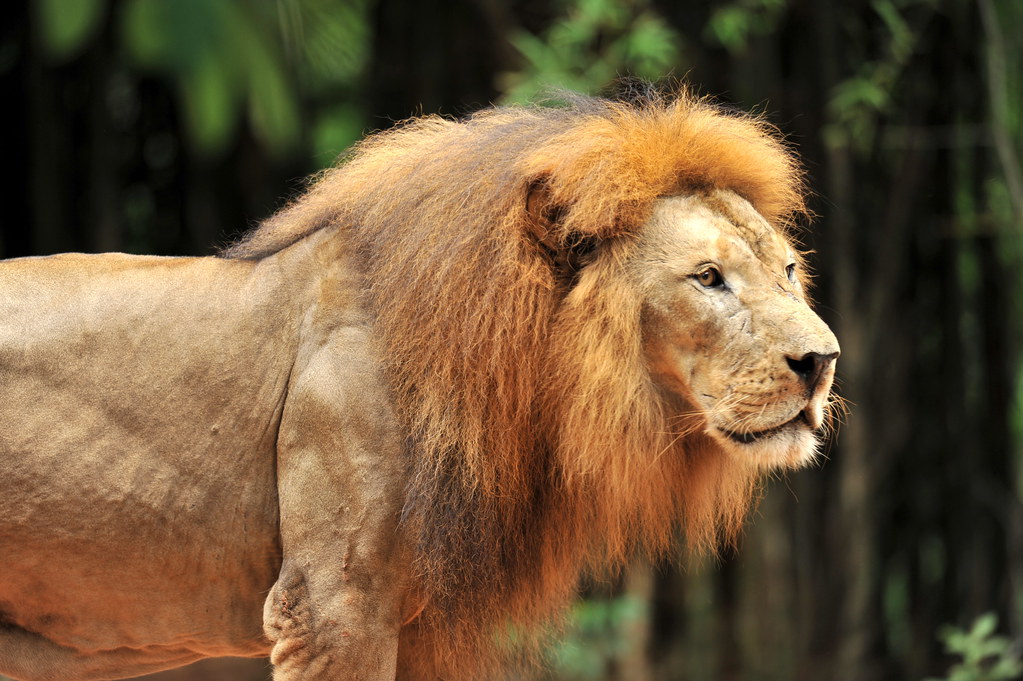
Lions in Amboseli National Park hunt across open savannah framed by Mount Kilimanjaro’s snow-capped peak, a backdrop that makes this park’s lion sightings genuinely distinctive among Kenya’s Big Five destinations – a smaller, more concentrated population than the Masai Mara’s, but set against arguably the most photogenic landscape anywhere in East Africa.
Where to Find Lions in Amboseli
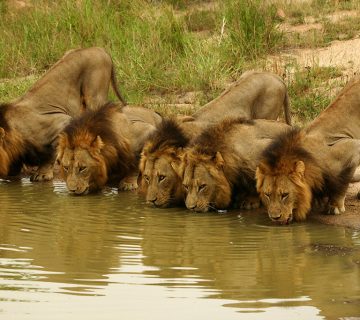
Amboseli’s lion prides range across the park’s open plains and the swampy areas fed by underground water from Kilimanjaro’s glacial melt, where reliable water and grazing draw both predators and prey even during the driest months. The park’s relatively compact size compared to Kenya’s larger reserves makes locating resident prides genuinely efficient within a shorter visit.
Lions and the Kilimanjaro Backdrop
Amboseli’s defining visual feature, an unobstructed view of Kilimanjaro rising above the plains on clear days, gives lion photography here a genuinely different character from anywhere else in East Africa, with prides often visible against the mountain’s snow-capped silhouette in early morning light before clouds typically build later in the day. This combination has made Amboseli one of the most recognisable safari backdrops in wildlife photography.
Amboseli’s Lion Population and Conservation History
Amboseli’s lion population has faced genuine conservation challenges over the decades, including periods of conflict with Maasai communities bordering the park, before community-based conservation programmes helped ease tension and support population recovery. Organisations working in the wider Amboseli ecosystem continue collaring and monitoring individual lions, contributing to some of the most detailed lion behavioural data available anywhere in Kenya.
Amboseli’s Full Big Five Picture
Lion is one of Amboseli’s core Big Five species, alongside the park’s famous big-tusker elephants, buffalo, and leopard, with rhino no longer present in the park itself following historical population loss. See our Big Five guide for how Amboseli fits into a wider Kenya circuit.
Best Time of Year for Lion Sightings
Amboseli’s lions are visible year-round given their resident status, though the dry seasons, roughly June to October and January to February, offer the clearest Kilimanjaro views alongside easier wildlife visibility as vegetation thins. Clouds tend to obscure the mountain more frequently during the wetter months, so travelers specifically prioritising the classic lion-and-Kilimanjaro photograph should plan around these drier windows.
How Amboseli Compares to the Masai Mara for Lions
The Masai Mara offers considerably higher lion density and more predictable sightings given its larger size and exceptional overall wildlife concentration, while Amboseli’s smaller, more compact landscape and unmatched Kilimanjaro backdrop give it a genuinely different, more intimate character.
Self-Drive vs Guided Safaris in Amboseli
Amboseli’s relatively compact size and good road network make self-driving genuinely feasible here compared to some of Kenya’s larger, more remote parks, though a guided safari still adds real value in coordinating sightings with current pride movement and knowledge of the best Kilimanjaro photography timing. Most visitors combine Amboseli with a wider guided Kenya circuit.
Photographing Amboseli’s Lions
Early morning, before clouds typically build around Kilimanjaro’s peak, offers the strongest odds of capturing lions against a clear mountain backdrop, making a genuinely early start worthwhile for photography-focused visitors. A telephoto zoom in the 100-400mm range covers most sightings comfortably, while a wider-angle lens helps capture the full scale of the mountain alongside closer lion shots.
Amboseli’s Swamps and Predator-Prey Dynamics
The park’s permanent swamps, fed by underground water from Kilimanjaro, create some of the most reliable dry-season grazing in the region, drawing large concentrations of prey species that in turn sustain Amboseli’s resident lion prides. Watching predator-prey dynamics play out around these swamp edges offers genuine insight into how the park’s unusual hydrology shapes its entire ecosystem.
What to Pack for an Amboseli Safari
Standard game drive gear – neutral clothing, sun protection, and binoculars – covers most of what the park requires, and a warm layer is worth packing for surprisingly cool early morning drives before the equatorial sun fully rises. If your wider itinerary includes gorilla trekking, our gorilla trekking packing list covers that portion separately.
Combining Lion Viewing With Elephant Sightings
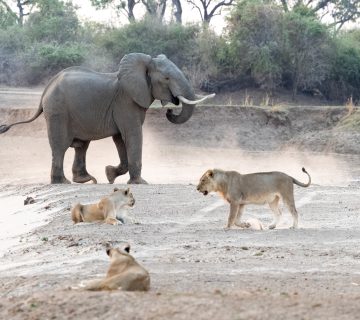
Amboseli’s compact size means a single game drive often produces genuinely strong sightings of both its lion prides and its famous big-tusker elephant herds along the same route, making it one of the more efficient Big Five destinations in Kenya for travelers with limited time. See our Tarangire elephant guide for how Amboseli’s tuskers compare to Tanzania’s own famous elephant destination.
Getting to Amboseli National Park
Amboseli sits roughly three to four hours’ drive from Nairobi, or a shorter scenic domestic flight, making it one of the more accessible parks on a standard Kenya circuit and a popular choice for travelers with limited time. This convenient positioning is part of why so many shorter Kenya itineraries include an Amboseli stop even alongside the Masai Mara or a coastal beach extension.
Amboseli’s Unique Hydrology
Unlike most East African parks, Amboseli’s most reliable water doesn’t come from rainfall or a visible river, but from underground aquifers fed by melting snow and ice on Kilimanjaro, filtering through volcanic rock before emerging as permanent swamps on the Kenyan side of the border. This unusual hydrology is why the park stays genuinely green and productive even during periods when surrounding areas turn dry and dusty, sustaining both prey species and the resident lion prides that depend on them throughout the entire year.
Lion Pride Structure and Territory in Amboseli
Amboseli’s prides are generally smaller than the Serengeti or Mara’s largest groups, reflecting the park’s more limited overall size, though individual territories are well-documented thanks to decades of research conducted by conservation organisations working continuously in the ecosystem. This research has produced genuinely detailed behavioural data, with many individual lions known by name and tracked across multiple generations, giving experienced guides an unusually rich store of context to share during game drives.
Community Conservation and Lion-Livestock Conflict
Amboseli sits within a wider ecosystem shared with Maasai pastoralist communities and their livestock, and historical conflict between lions and herders was once a genuine threat to the population’s long-term survival. Community-based conservation programmes, including compensation schemes for livestock losses and predator-proof enclosures, have significantly reduced retaliatory killing, helping stabilise and grow the lion population in recent decades.
Amboseli’s Elephant Research Legacy
While best known for its elephant research programme, one of the longest-running of its kind in Africa, Amboseli’s broader conservation infrastructure, including extensive ranger presence and community engagement, benefits the park’s lion population just as significantly. This overlapping conservation effort is part of why Amboseli’s wildlife, lions included, has remained genuinely resilient despite the park’s relatively small protected area.
Night Game Drives and Lion Activity
Where available through park-affiliated conservancies bordering Amboseli, night game drives offer a genuinely different perspective on lion activity, since prides become considerably more active after dark. This activity isn’t permitted within the core national park itself, so checking with your operator about which specific concessions offer it is worth doing well in advance if this genuinely interests you and your travel dates.
Combining Amboseli Lions With a Wider Kenya Circuit
Many longer Kenya itineraries pair Amboseli with the Masai Mara or Tsavo, giving travelers a genuinely varied picture of Kenya’s lion populations and landscapes within a single well-sequenced trip. Since Amboseli itself no longer holds rhino, see our Lake Nakuru rhino guide for where to complete a full Kenya Big Five checklist.
Best Lodges for Lion Viewing in Amboseli
Properties positioned closest to the park’s central swamps generally offer the most convenient access to Amboseli’s strongest lion territory, cutting down on drive time before and after game drives. Discussing lodge location specifically with your operator, and confirming which side offers the clearest Kilimanjaro views, is worth doing if photography is a genuine priority for your stay in the park.
Frequently Asked Questions
Is Amboseli or the Masai Mara better for lion sightings?
The Mara offers considerably higher density and more predictable sightings, while Amboseli’s smaller scale and unmatched Kilimanjaro backdrop give it a genuinely different photographic appeal.
When is the best time to photograph lions against Kilimanjaro?
Early morning during the dry seasons, roughly June to October and January to February, offers the clearest mountain views before afternoon clouds typically build.
Does Amboseli still have rhino?
No, rhino are no longer present in the park following historical population loss, unlike Kenya’s dedicated rhino destinations such as Lake Nakuru.
Can I combine Amboseli with the Masai Mara on the same trip?
Yes, this is a genuinely popular combination – see our Masai Mara leopard guide for more on that side of a combined itinerary.
How does Amboseli’s lion population compare to Tsavo’s?
Both hold healthy resident prides, though Tsavo’s lions carry the added historical intrigue of the famous man-eaters’ story attached to the landscape.
Ready to Plan Your Amboseli Safari?
Whether Amboseli’s lions against the Kilimanjaro backdrop, its famous big-tusker elephants, or a full Big Five circuit is your priority, our team can build an itinerary matched to your interests and timeframe. Get in touch with our team below and let’s start planning your complete Kenya safari itinerary together.

No comment