
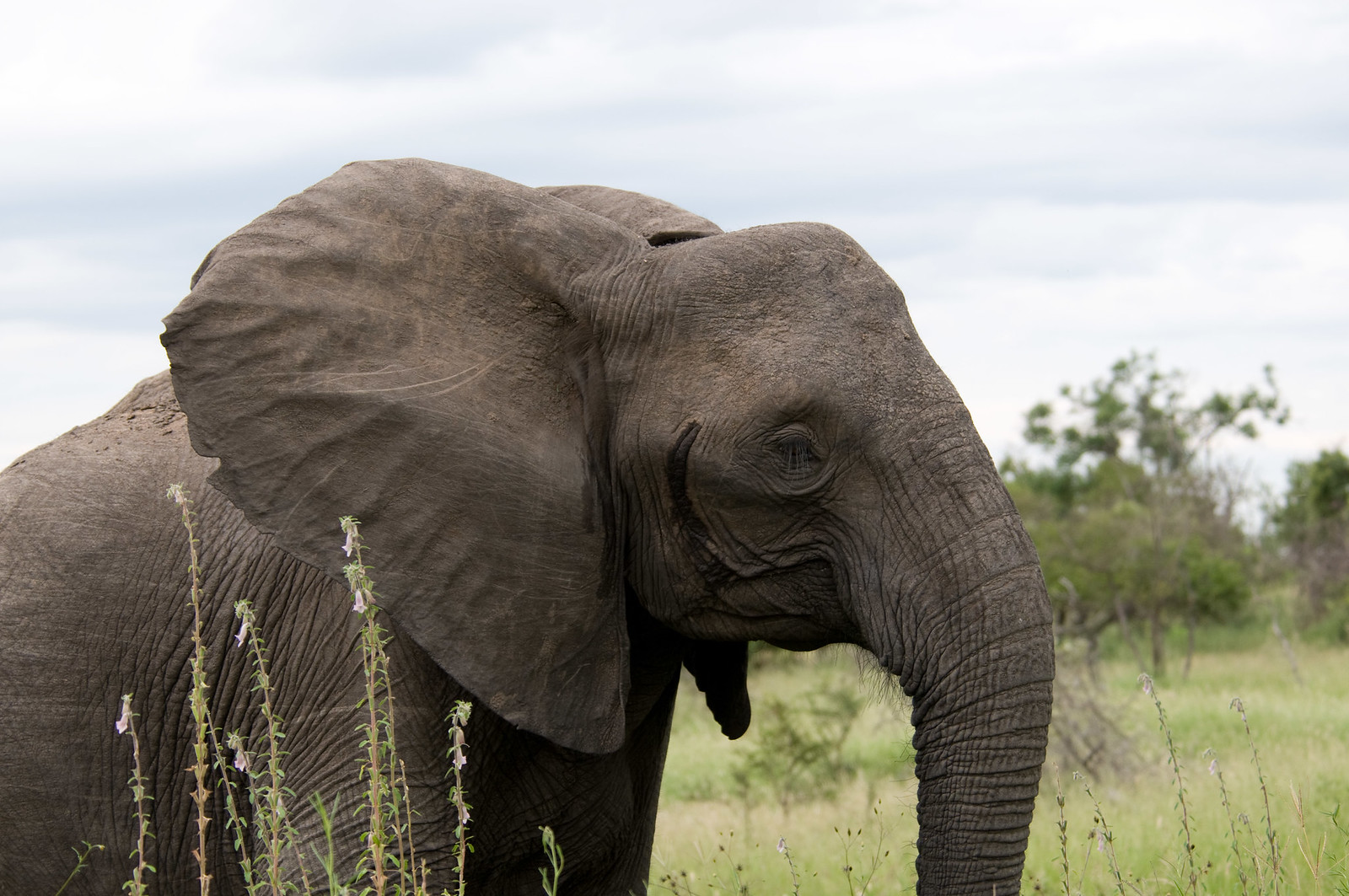
Elephants in Akagera National Park never disappeared the way Rwanda’s lions and rhinos did, but their population still suffered heavily during the chaos following the 1994 genocide, and their recovery since has been a quieter but equally important part of the park’s broader transformation into Rwanda’s only genuine Big Five destination.
Where to Find Elephants in Akagera
Akagera’s elephant herds move across the park’s savannah and woodland habitat, favouring areas near the park’s lakes and wetland systems, particularly Lake Ihema, where reliable water draws consistent sightings throughout the day. The park’s varied terrain, mixing open grassland with denser woodland pockets, gives elephant herds room to range while still keeping sightings genuinely predictable along established routes.
How Akagera’s Elephant Population Recovered
Like much of Akagera’s wildlife, elephants suffered from poaching and habitat pressure during the years of instability following 1994, when returning refugees and expanding cattle herds moved into the park’s boundaries. The 2010 management partnership between the Rwanda Development Board and African Parks, which brought major anti-poaching investment and a boundary fence completed in 2013, created the security conditions that allowed the elephant population to stabilise and grow alongside the park’s other recovering species.
Akagera’s Full Big Five Picture
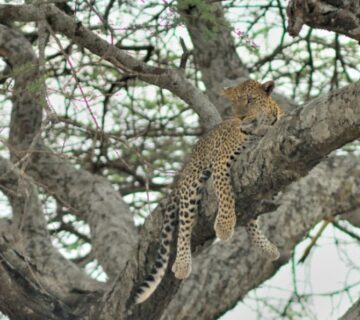
Elephant is one of five species making up Akagera’s now-complete Big Five, alongside reintroduced lion and rhino, plus existing buffalo and leopard populations. See our Akagera Big Five overview for the park’s wider conservation comeback story.
Elephant Behaviour Around Akagera’s Lakes
Akagera’s chain of lakes, part of the wider Kagera River wetland system, gives elephant herds a genuinely reliable water source rarely matched by drier savannah parks elsewhere in East Africa, and family groups often spend extended periods bathing and drinking along the shoreline. This lake-centred behaviour makes the areas around Lake Ihema and neighbouring smaller lakes some of the most consistently productive elephant-viewing spots in the park.
Best Time of Year for Elephant Sightings
Akagera’s elephants are visible year-round given their resident status, though the dry seasons, roughly June to September and December to February, offer easier visibility as vegetation thins across the park’s savannah. This pattern matches the broader best-time guidance for Akagera’s wider Big Five game viewing generally.
How Akagera Compares to Uganda’s Elephant Parks
Uganda’s Murchison Falls and Queen Elizabeth both hold considerably larger elephant populations given their bigger overall park size, but Akagera’s more compact geography and lake-centred habitat make sightings here genuinely efficient within a shorter visit.
Self-Drive vs Guided Safaris for Elephant Viewing
Akagera’s relatively good internal road network makes self-driving genuinely feasible here compared to some of East Africa’s more remote parks, though a guided safari still adds real value in coordinating game drives with the park’s separate boat safari option on Lake Ihema. Most visitors combine a guided game drive with a cruise slot for the most efficient use of a day in the park.
Photographing Akagera’s Elephants
Elephant herds gathered at the water’s edge along Lake Ihema offer genuinely strong photographic opportunities, particularly in the soft light of early morning or late afternoon game drives. A mid-range zoom covers most sightings well, since elephants in Akagera’s more open habitat often allow reasonably close, unobstructed viewing.
The Boat Safari and Elephant Viewing
Beyond standard game drives, Akagera’s Lake Ihema boat safari offers a genuinely different perspective on elephant herds drinking or bathing at the shoreline, alongside hippo, crocodile, and excellent birdlife along the water’s edge. Combined, the boat safari and land-based game drives give visitors two distinct ways to encounter the park’s elephant population within a single visit.
Combining Elephant Viewing With Gorilla Trekking
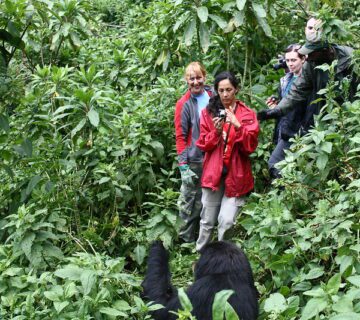
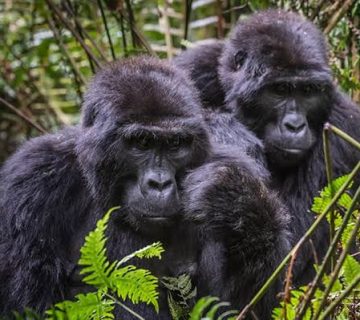
Many Rwanda itineraries now combine Akagera’s Big Five game drives, elephant included, with gorilla trekking in Volcanoes National Park, giving travelers a genuinely complete Rwanda wildlife experience spanning both savannah and mountain forest ecosystems. See our guide to timing a combined Rwanda itinerary for how to sequence both experiences efficiently.
Getting to Akagera National Park
Akagera sits in eastern Rwanda, roughly two to three hours’ drive from Kigali, making it a genuinely convenient add-on for travelers already spending time in the capital before or after gorilla trekking further west. This relatively short transfer distance is part of why combining Akagera with Volcanoes National Park has become such a popular way to build a complete Rwanda itinerary.
What to Pack for an Akagera Safari
Standard game drive gear – neutral clothing, sun protection, and binoculars – covers most of what Akagera requires, and given the park’s warmer, lower-altitude savannah climate compared to Volcanoes National Park, lighter layers are worth prioritising. Our gorilla trekking packing list covers the cooler high-altitude portion of a combined Rwanda itinerary separately.
Community Benefits From Akagera’s Recovery
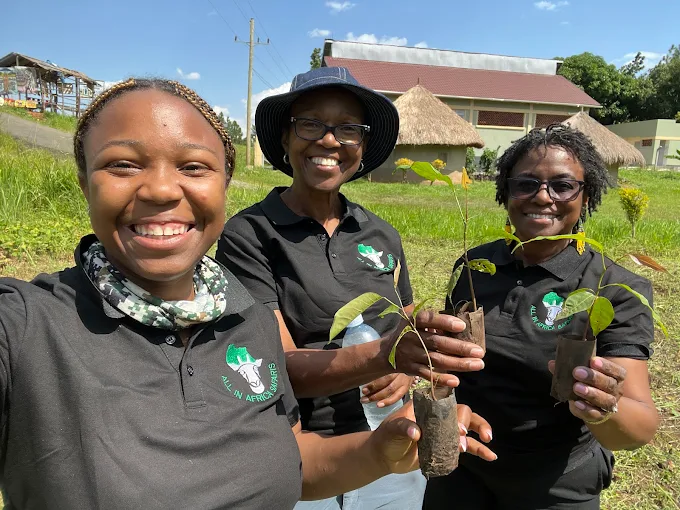
Akagera’s transformation has delivered tangible benefits to surrounding communities, with tourism revenue funding schools, healthcare, and other infrastructure projects, while the boundary fence has significantly reduced crop-raiding and conflict incidents involving elephant and other wildlife. This community benefit model has been central to sustaining local support for the park’s ongoing conservation work.
Elephant Family Structure at Akagera
Akagera’s elephant herds follow the same matriarchal social structure found across East Africa, with an experienced older female leading related females and their calves, while adult bulls range more independently or in loose bachelor groups. Watching a family group navigate the transition between open savannah and the denser woodland bordering the park’s lakes offers genuine insight into how elephants read and respond to changing terrain throughout a single day.
Human-Elephant Conflict and the Boundary Fence
Akagera’s boundary fence, completed in 2013 as part of the broader African Parks management partnership, has significantly reduced human-elephant conflict with surrounding farming communities, addressing what had been a genuine safety and livelihood concern before the fence’s construction. This infrastructure investment protects both elephants and neighbouring communities, a foundational piece of the park’s wider conservation turnaround that also made the later lion and rhino reintroductions possible.
Elephant Research and Monitoring in Akagera
Ongoing monitoring of Akagera’s elephant population tracks herd movement, breeding success, and overall health, data that feeds into the park’s broader conservation management alongside similar monitoring of its reintroduced lion and rhino populations. This research helps park management understand how elephants use Akagera’s varied lake and savannah habitat, informing decisions about water source management and seasonal access across different sectors of the park.
Akagera’s Wetland Ecosystem and Elephant Habitat
The Kagera River wetland system, which gives Akagera its name, creates a genuinely unusual habitat mix for an East African savannah park, blending open grassland with extensive papyrus swamp and a chain of lakes that elephants and the park’s other large mammals depend on heavily. This wetland-savannah combination is part of what makes Akagera’s ecosystem feel distinct from more classically dry savannah parks like Kenya’s Amboseli or Tsavo.
Combining Elephant Viewing With a Wider East Africa Circuit
Travelers building a longer regional trip sometimes combine Akagera with Uganda’s wider Big Five circuit or Nyungwe’s chimp trekking, given Rwanda’s convenient position within the wider Albertine Rift region and relatively short transfer distances between neighbouring countries’ key parks.
Best Lodges for Elephant Viewing in Akagera
Properties positioned along Lake Ihema or overlooking the park’s central savannah generally offer the most convenient access to Akagera’s strongest elephant territory, cutting down on drive time before and after game drives. Discussing lodge location specifically with your operator, rather than choosing purely on comfort level, is worth doing if elephant viewing and the lake’s boat safari are genuine priorities for your stay.
Visiting Responsibly: Supporting Ongoing Conservation
Every visitor to Akagera contributes directly to the park’s ongoing conservation funding through park fees and guided activity costs, supporting the same ranger patrols, monitoring programmes, and community engagement work that protects elephant and the park’s other Big Five species. Choosing a reputable local operator who works closely with park management further ensures your visit genuinely supports this ongoing conservation success.
Frequently Asked Questions
Are elephant sightings reliable in Akagera?
Yes, particularly around Lake Ihema and the park’s other water sources, where herds gather consistently throughout the day for drinking and bathing.
How does Akagera’s elephant population compare to Uganda’s parks?
Smaller in overall numbers given Akagera’s more compact size, but the park’s lake-centred habitat makes sightings genuinely efficient within a shorter visit.
Can I see elephants from the Lake Ihema boat safari?
Yes, herds drinking or bathing at the shoreline are a common sight from the water, offering a genuinely different perspective from standard game drives.
Does Akagera now have the full Big Five?
Yes, with lion and rhino both reintroduced alongside existing elephant, buffalo, and leopard populations, Akagera offers Rwanda’s only genuine Big Five destination.
Can I combine Akagera’s elephants with gorilla trekking?
Yes, this combination has become increasingly popular, giving travelers both savannah Big Five viewing and Rwanda’s signature gorilla trekking on the same trip.
Ready to Plan Your Akagera Safari?
Whether Akagera’s elephant herds, its remarkable Big Five recovery story, or a combination with gorilla trekking is your priority, our team can build a Rwanda itinerary matched to your interests. Get in touch with our team below today and let’s start planning your complete Rwanda safari together.


No comment