
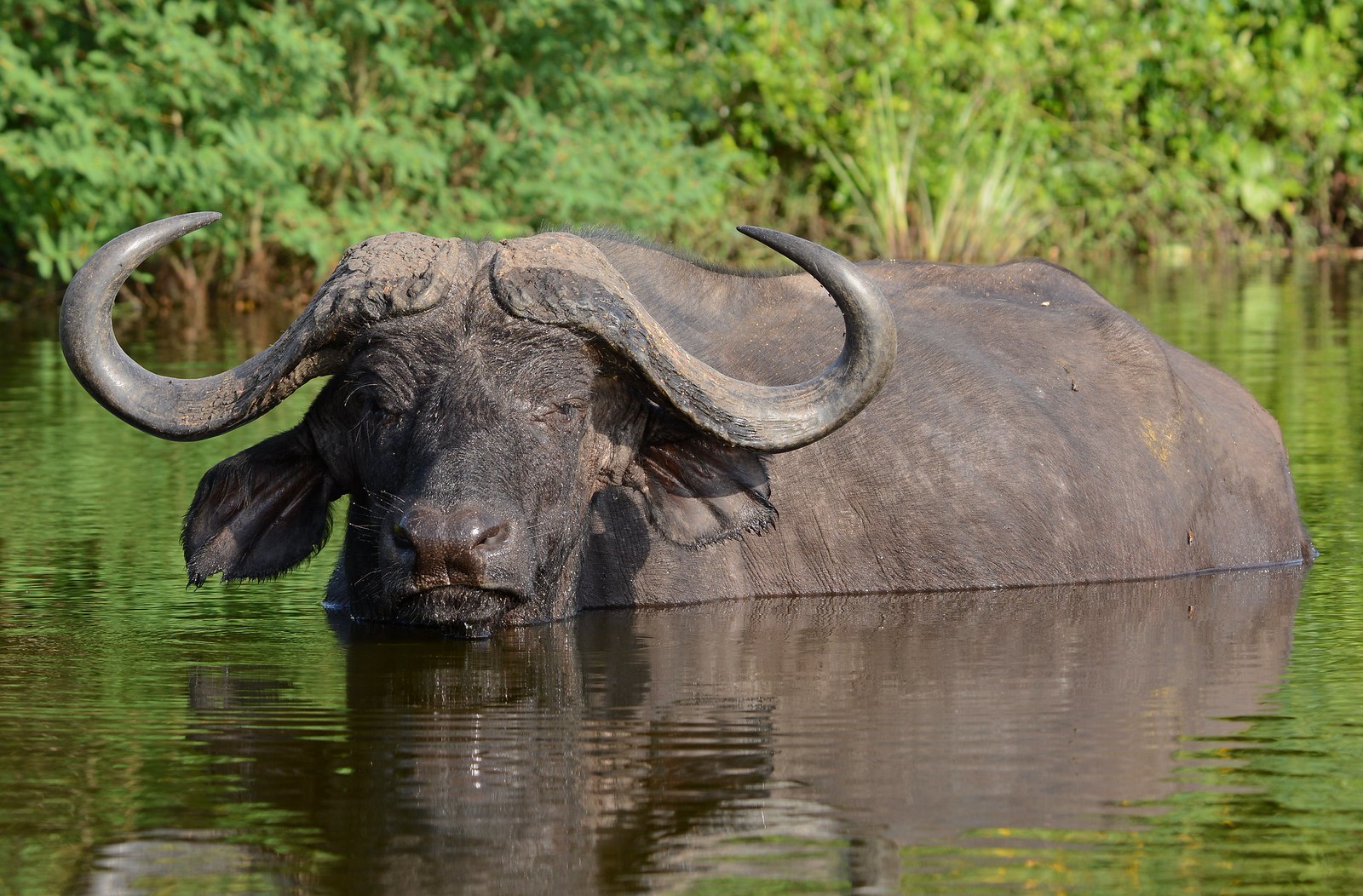
Buffalo herds in Akagera National Park are among the most consistently, reliably seen Big Five species in Rwanda’s only savannah park, moving across open grassland and the woodland bordering the park’s lake system in numbers that can reach into the hundreds on a single sighting.
Where to Find Buffalo in Akagera
Buffalo range widely across Akagera’s savannah, with particularly strong concentrations near Lake Ihema and the park’s other water sources, where herds drink and wallow throughout the day. The park’s mix of open plains and denser woodland gives buffalo genuine cover options alongside grazing land, and large mixed-age herds are a reliable sighting on almost any game drive across the park’s central sectors.
Buffalo Herd Behaviour and Social Structure
Cape buffalo herds operate under a loose but genuine social structure, with older, experienced females often leading herd movement while dominant bulls compete for breeding access during specific periods. Herds provide real collective defence against predators, and watching a large group respond collectively to nearby lion activity offers genuine insight into buffalo’s reputation as one of Africa’s most formidable prey species.
Buffalo and Akagera’s Reintroduced Lions
Buffalo form a significant part of the diet for Akagera’s reintroduced lion population, and the park’s healthy buffalo numbers were a key factor conservation planners considered before the 2015 reintroduction, ensuring the returning lions had a genuine, self-sustaining food source.
Akagera’s Full Big Five Picture
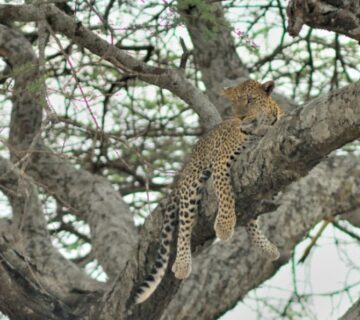
Buffalo is one of five species making up Akagera’s now-complete Big Five, alongside reintroduced lion and rhino, plus elephant and leopard. See our Akagera Big Five overview for the park’s wider conservation comeback story.
Solitary Bulls: “Dagga Boys” in Akagera
Older male buffalo, often pushed out of the main herd as younger bulls take over breeding dominance, are frequently seen alone or in small bachelor groups across Akagera’s plains, earning the nickname “dagga boys” after the Zulu word for mud, given how often they’re found wallowing alone. These solitary bulls have a reputation among guides as some of the more unpredictable individual animals in the park, lacking the herd’s collective vigilance against predators.
Best Time of Year for Buffalo Sightings
Akagera’s buffalo are visible year-round given their resident status, though the dry seasons, roughly June to September and December to February, offer easier visibility as vegetation thins across the park’s savannah. This pattern matches the broader best-time guidance for Akagera’s wider Big Five game viewing generally.
How Akagera Compares to Uganda’s Buffalo Parks
Uganda’s Murchison Falls and Queen Elizabeth both hold larger buffalo populations given their bigger overall park size, but Akagera’s more compact geography makes sightings here genuinely efficient within a shorter visit, particularly around the park’s lake system.
Self-Drive vs Guided Safaris for Buffalo Viewing
Buffalo are among the more straightforward Big Five species to locate independently given their large herd size and preference for open terrain, though a guided safari still adds real value in coordinating game drives with the park’s separate Lake Ihema boat safari. Most visitors combine a guided game drive with a cruise slot for the most efficient use of a day in the park, and guides also carry current knowledge of where the reintroduced lion prides have been active, useful context for understanding how buffalo herds are behaving on any given day.
Photographing Akagera’s Buffalo
Large herds against Akagera’s open savannah or gathered at Lake Ihema’s edge offer genuinely strong photographic opportunities, particularly in the softer light of early morning or late afternoon. The boat safari’s lower, water-level angle provides a distinctly different perspective from standard vehicle-based shots, and a mid-range zoom generally covers both settings comfortably without needing to switch lenses between activities.
What to Pack for an Akagera Safari
Standard game drive gear – neutral clothing, sun protection, and binoculars – covers most of what Akagera requires, and given the park’s warmer, lower-altitude savannah climate compared to Volcanoes National Park, lighter layers are worth prioritising. Our gorilla trekking packing list covers the cooler high-altitude portion of a combined Rwanda itinerary in more detail.
Buffalo as Africa’s Most Dangerous Big Five Species
Cape buffalo are frequently cited by professional guides as among the most dangerous Big Five species to encounter on foot, given their unpredictable temperament and willingness to charge when threatened or cornered, particularly solitary “dagga boy” bulls. This reputation is part of why walking activities involving buffalo territory always proceed under close guide supervision, unlike the more relaxed vehicle-based viewing typical of most Akagera game drives.
Combining Buffalo Viewing With Gorilla Trekking
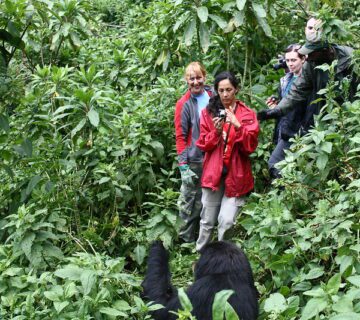
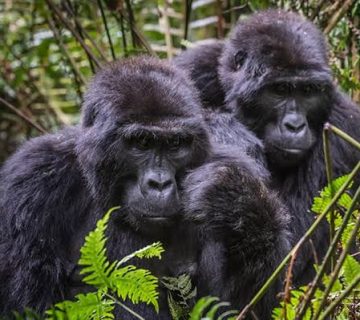
Many Rwanda itineraries now combine Akagera’s Big Five game drives with gorilla trekking in Volcanoes National Park, giving travelers a genuinely complete Rwanda wildlife experience spanning both savannah and mountain forest ecosystems. See our guide to timing a combined Rwanda itinerary for how to sequence both experiences efficiently.
Getting to Akagera National Park
Akagera sits in eastern Rwanda, roughly two to three hours’ drive from Kigali, making it a genuinely convenient add-on for travelers already spending time in the capital before or after gorilla trekking further west. This relatively short transfer distance is part of why combining Akagera with Volcanoes National Park has become such a popular way to build a complete Rwanda itinerary within a genuinely manageable timeframe.
Buffalo’s Role in Akagera’s Ecosystem
As one of Akagera’s primary large grazing herbivores, buffalo play a significant role in shaping the park’s grassland through consistent grazing pressure, influencing vegetation patterns that in turn affect where other species choose to feed. This ecological role, combined with buffalo’s importance as a major prey species for the park’s reintroduced lion prides, makes them a genuinely central part of Akagera’s wider food web rather than simply another Big Five checklist item.
Buffalo Recovery Alongside the Park’s Other Big Five Species
Unlike lion and rhino, which required active reintroduction after local extinction, buffalo persisted through Akagera’s difficult post-1994 years, though their numbers were still significantly reduced by poaching and habitat pressure before the park’s recovery began in earnest. The 2010 African Parks management partnership and the boundary fence completed in 2013 gave buffalo, like the park’s other wildlife, the security conditions needed to recover and grow steadily since.
Akagera’s Wetland Ecosystem and Buffalo Habitat
The Kagera River wetland system, which gives Akagera its name, creates a genuinely unusual habitat mix for an East African savannah park, blending open grassland with extensive papyrus swamp and a chain of lakes that buffalo and the park’s other large mammals depend on heavily. This wetland-savannah combination is part of what makes Akagera’s ecosystem feel distinct from more classically dry savannah parks like Kenya’s Amboseli or Tsavo.
The Boat Safari and Buffalo Viewing
Beyond standard game drives, Akagera’s Lake Ihema boat safari offers a genuinely different perspective on buffalo herds drinking or wallowing at the shoreline, alongside hippo, crocodile, and excellent birdlife along the water’s edge. Combined, the boat safari and land-based game drives give visitors two distinct ways to encounter the park’s buffalo population within a single visit.
Community Benefits From Akagera’s Recovery
Akagera’s transformation has delivered tangible benefits to surrounding communities, with tourism revenue funding schools, healthcare, and other infrastructure projects, while the boundary fence has significantly reduced crop-raiding and conflict incidents involving buffalo and other wildlife. This community benefit model has been central to sustaining local support for the park’s ongoing conservation work.
Visiting Responsibly: Supporting Ongoing Conservation
Every visitor to Akagera contributes directly to the park’s ongoing conservation funding through park fees and guided activity costs, supporting the same ranger patrols, monitoring programmes, and community engagement work that protects buffalo and the park’s other Big Five species. Choosing a reputable local operator who works closely with park management further ensures your visit genuinely supports this ongoing conservation success.
Frequently Asked Questions
Are buffalo dangerous to encounter on a game drive?
Generally not from within a vehicle, though on foot they’re considered genuinely dangerous, particularly solitary bulls, which is why guided supervision is essential on any walking activity.
Where’s the best spot for buffalo sightings in Akagera?
Lake Ihema and the park’s other water sources both offer consistently strong buffalo sightings, with the lake adding the option of viewing herds from the water via boat safari.
Does Akagera now have the full Big Five?
Yes, with lion and rhino both reintroduced alongside existing elephant, buffalo, and leopard populations, Akagera offers Rwanda’s only genuine Big Five destination.
Can I see buffalo and lion in the same visit?
Yes, Akagera’s reintroduced lion prides regularly hunt buffalo, making it possible to see both species, sometimes together, within the same game drive.
Is Akagera better than Uganda’s parks for buffalo?
Uganda’s larger parks offer bigger overall herds, but Akagera’s more compact geography often makes viewing more predictable within a shorter visit.
Ready to Plan Your Akagera Safari?
Whether buffalo herds at Lake Ihema, the park’s remarkable Big Five recovery story, or a combination with gorilla trekking is your priority, our team can build a Rwanda itinerary matched to your interests. Get in touch with our team below today and let’s start planning your complete Rwanda safari itinerary together.


No comment