If you’re thinking about going on an adventure safari in Tanzania, here are some pointers to help you make the most of your Tanzania trip.
- Plan ahead: Research the different parks and reserves in Tanzania and decide which ones you want to visit. Make sure to book your accommodations and activities in advance.
- Pack appropriately: Tanzania can be hot during the day and cool at night, so make sure to pack layers. You’ll also want to bring comfortable walking shoes and a hat.
- Bring a good camera: Tanzania’s wildlife is incredible, and you’ll want to capture it on camera. Make sure to bring a good camera with a zoom lens.
- Hire a guide: A good guide can make all the difference on your safari. They’ll help you spot wildlife and teach you about the local culture.
- Respect the wildlife: Remember that you’re in the animals’ territory, so be respectful and keep a safe distance.
- Learn some Swahili: While many people in Tanzania speak English, learning a few words of Swahili can go a long way in showing respect for the local culture.
- Be prepared for long drives: Many of Tanzania’s parks and reserves are spread out, so be prepared for long drives between destinations.
You’ll be well on your way to a fantastic adventure safari in Tanzania if you follow these guidelines.
Destinations for Tanzania Adventure Safaris
There are various sites in Tanzania that you may visit if you are interested in adventure safaris. Here are a few of the best.
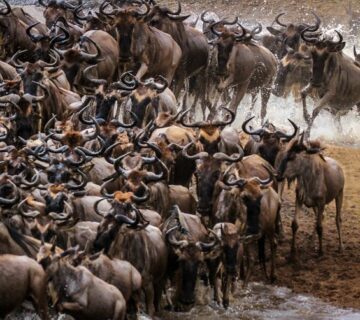
- Serengeti National Park: This park is known for its annual wildebeest migration, where millions of wildebeest, zebras, and gazelles move across the plains in search of food and water.
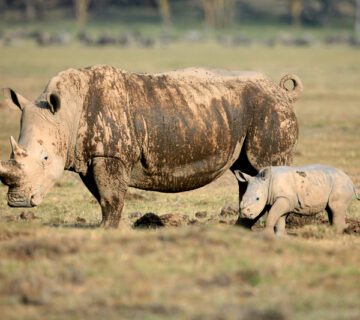
- Ngorongoro Conservation Area: This area is home to the Ngorongoro Crater, a massive volcanic caldera that is home to a wide variety of wildlife, including lions, elephants, and rhinos.
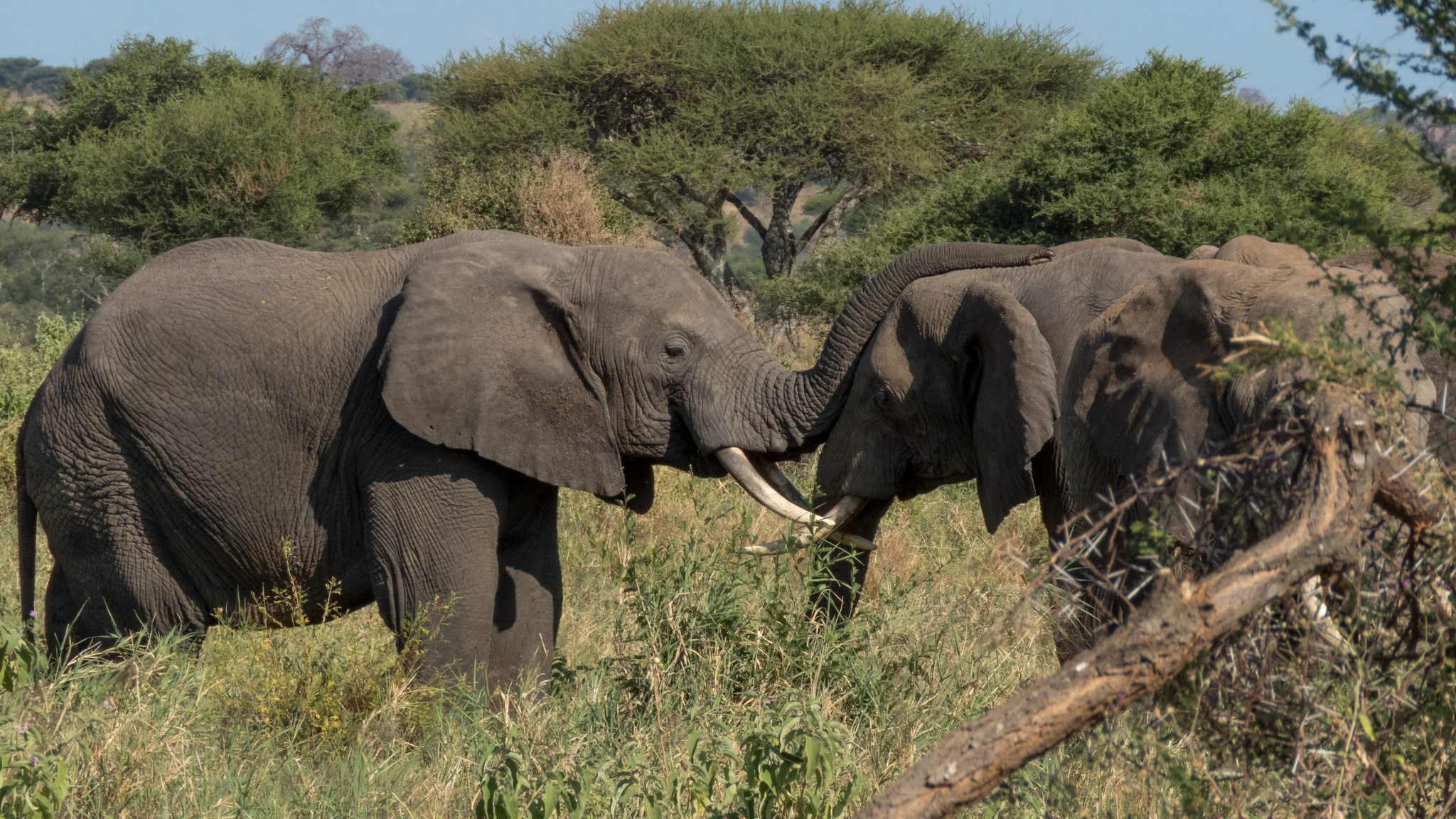
- Tarangire National Park: This park is known for its large herds of elephants, as well as its baobab trees and termite mounds.
- Selous Game Reserve: This reserve is the largest protected wildlife area in Africa and is home to a wide variety of wildlife, including elephants, lions, and hippos.
- Lake Manyara National Park: This park is known for its tree-climbing lions, as well as its large flocks of flamingos and other bird species.
By visiting these locations, you will be able to witness some of Tanzania’s great wildlife and natural scenery.
Health and Vaccination Preparation
Malaria risk exists across most of Tanzania’s safari circuit, so discussing prophylaxis with a travel health provider well ahead of departure is worth doing regardless of which season you’re traveling in. Yellow fever vaccination requirements depend on your travel history and routing through other countries, and it’s worth confirming current requirements for your specific nationality before booking flights, since entry rules can affect your itinerary planning.
Currency and Budgeting Tips
Most safari lodges and camps in Tanzania price in US dollars, though the Tanzanian shilling is useful for smaller purchases, tips, and markets outside the main tourist circuit. Park fees and permit costs generally stay fixed year-round, while accommodation rates swing considerably between peak dry-season pricing and the more affordable shoulder-season rates, worth factoring into your overall trip budget.
Visa Requirements for Tanzania
Most nationalities can obtain a Tanzania visa either online in advance or on arrival, though processing times and requirements vary by country, so checking current rules for your specific passport well before departure avoids last-minute complications. Travelers combining Tanzania with a Kenya safari should also check whether the East Africa Tourist Visa, which covers both countries plus Rwanda, suits their planned route better than separate single-country visas.
Choosing the Right Safari Vehicle and Operator
A reputable operator with well-maintained 4×4 vehicles, experienced driver-guides, and genuine knowledge of current wildlife movement makes a significant difference to the quality of a Tanzania safari, particularly during the Great Migration when timing and positioning matter. All in Africa Safaris can help match your travel dates and interests to the right combination of parks, camps, and guides for a well-paced Tanzania itinerary.
Photography Tips for a Tanzania Safari
Early morning and late afternoon light produces the most flattering conditions for wildlife photography across Tanzania’s parks, and these hours also coincide with when animals are most active, a useful overlap for photographers planning their game-drive schedule. A beanbag or window mount steadies a zoom lens far better than handholding against a moving vehicle, and packing extra memory cards and batteries is worth doing given how remote some of Tanzania’s parks are from any shops or charging facilities.
Understanding Tanzania’s Two Main Safari Circuits
The northern circuit, covering the Serengeti, Ngorongoro, and Tarangire, draws the bulk of first-time visitors and aligns closely with the Great Migration’s movement, while the southern circuit’s Selous and Ruaha offer a quieter, less-visited alternative with a broadly similar dry-wet seasonal pattern. First-time Tanzania travelers often gravitate toward the northern circuit for its established infrastructure, while repeat visitors increasingly explore the south for its greater sense of solitude.
Choosing the Right Time of Year
The dry season, June through October, offers the most reliable game viewing across Tanzania’s parks, as thinning vegetation and concentrated water sources make wildlife considerably easier to spot. Travelers specifically chasing the Great Migration’s dramatic Mara River crossings should target July through October, while the calving season in the southern Serengeti, roughly January through March, offers a genuinely different but equally rewarding wildlife spectacle worth considering as an alternative peak window.
Accommodation Options Across Budget Levels
Tanzania’s safari accommodation spans a wide range, from simple public campsites and budget lodges to luxury tented camps with full-service amenities, meaning a Tanzania adventure safari can be tailored to nearly any budget. Mid-range lodges and permanent tented camps offer a comfortable middle ground for most first-time visitors, combining genuine comfort with a still-authentic bush experience, without the premium pricing of the most exclusive luxury camps.
Combining a Safari With Zanzibar
Many Tanzania itineraries pair the mainland safari circuit with a beach extension on Zanzibar, and the two halves of the trip time well together since Zanzibar’s own dry season broadly overlaps with the mainland’s safari-friendly months. A few days of beach relaxation after an active, early-rising safari schedule is a popular way to close out a Tanzania adventure, and flights between the mainland safari circuit and Zanzibar are frequent and relatively short.
Physical Fitness and Safari Activities
Most classic Tanzania game drives require no particular fitness level, since the bulk of wildlife viewing happens from the comfort of a vehicle, making this style of safari accessible to travelers of nearly any age or fitness background. Walking safaris, offered in select areas including parts of the Ngorongoro Highlands and the southern circuit, demand more physical engagement and are worth discussing with your operator if you specifically want a more active component built into your Tanzania itinerary.
Working With a Local Operator
Booking through an operator with genuine on-the-ground knowledge of current wildlife movement, road conditions, and camp availability consistently produces a better Tanzania safari experience than piecing together an itinerary independently, particularly during the unpredictable timing of the Great Migration. A good operator can also help balance the practical planning tips covered above, vaccination timing, visa requirements, seasonal choice, into a single coherent itinerary rather than leaving travelers to research each piece separately.
Communication and Connectivity While on Safari
Mobile network coverage across Tanzania’s safari circuit has improved considerably in recent years, though it remains patchy or absent at more remote camps, particularly in the southern Selous and Ruaha reserves, worth knowing if staying connected during your trip matters to you. Many lodges offer WiFi in communal areas even where individual room coverage is limited, a reasonable middle ground for travelers who want occasional connectivity without expecting full coverage throughout a genuinely remote safari.
Tipping Etiquette on a Tanzania Safari
Tipping guides, drivers, and camp staff is a well-established part of Tanzania’s safari culture, and budgeting for it separately from your overall trip cost avoids an unwelcome surprise partway through your itinerary. Most operators, including All in Africa Safaris, can provide clear guidance on typical tipping amounts for guides and lodge staff before you travel, so this is worth asking about directly when finalizing your booking.
What First-Time Tanzania Safari-Goers Often Underestimate
First-time visitors frequently underestimate the driving distances between Tanzania’s parks, a single day’s transfer between the Serengeti and Ngorongoro Crater can take several hours on rough roads, information worth factoring into how many destinations you realistically try to fit into a single trip. Similarly, temperature swings between a warm midday and a genuinely cold early-morning game drive catch many visitors off guard, reinforcing the importance of the layered packing approach covered earlier in this guide.
Internal Flights as an Alternative to Long Drives
For travelers short on time or keen to minimize hours spent on rough roads, Tanzania’s network of small domestic airstrips allows internal flights between the Serengeti, Ngorongoro area, and other major parks, cutting a multi-hour drive down to a short scheduled hop. This option costs more than road transfers but frees up additional time for actual game viewing rather than transit, worth weighing against your overall budget and how many destinations your itinerary needs to cover.