Explore the local village and communities on your African Safari, get to sample the local cuisines, take part in the day-to-day local life activities, and discover the way of life of different tribes and people living around. Traveling through Uganda and Rwanda provides a fascinating insight into daily village and community life. Often located in the beautiful countryside surrounding protected areas including national parks and wildlife reserves, a village visit is an absolute highlight where a warm and enthusiastic welcome is guaranteed. It is so exciting meeting the local people across Uganda and being part of their daily life, learning about their lifestyle is a true and authentic experience that you can never leave to take back home.
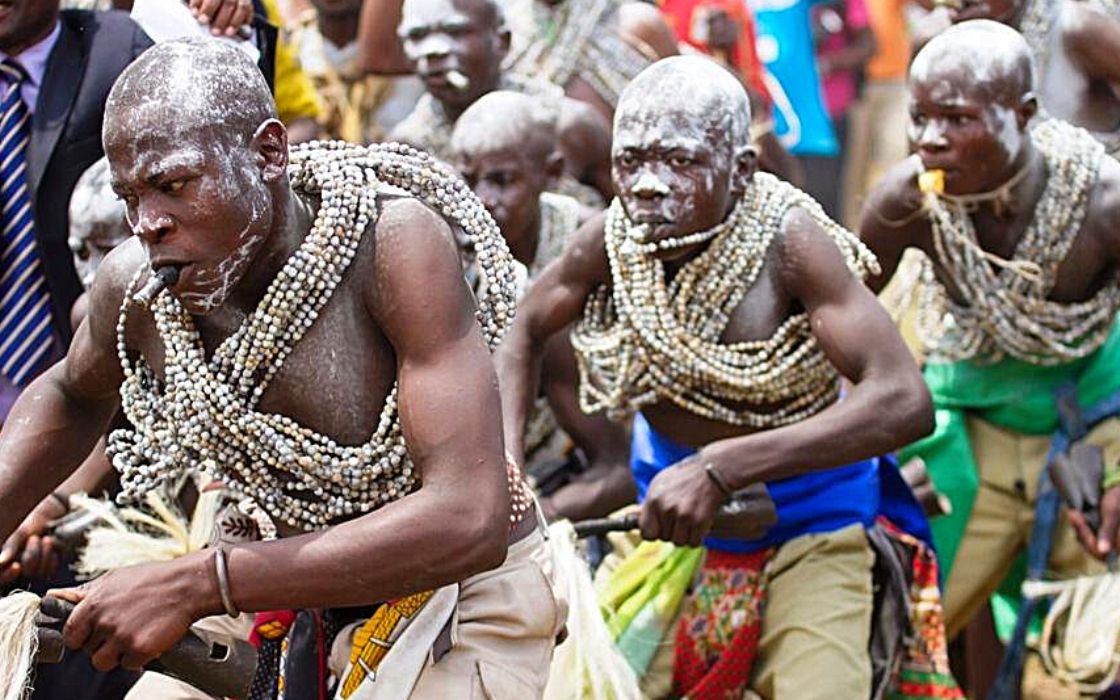
Traveling far north of Kidepo National Park, you will meet the colorful vibrant tribes of the Karamajongs & Ik living around Kidepo Valley National Park that takes you through to the Karamajong homesteads locally called manyattas and probably kraals to see traditional costumes, stools, spears headdress, knives, bows, and arrows and jewelry. If interested, one can buy some of the Karamojong traditional items from the park tourist office. Immerse yourself in traditional performance dances such as the Emuya of the Naporre and Nyangia, ethnic groups, and Larakaraka and Apiti dances of the Acholi.
Leave your vehicles and explore the villages on foot. In Mbale around Mount Elgon National Park is the richest community group of Bagishu and Sabin with a highly significant value to travelers. The community provides a diverse experience from the Imbalu circumcision to the daily lives of the local residents to guided coffee tours plus local food preparation and sampling.
Visit the local people and villages of Uganda. Around Mgahinga National Park, Volcanoes National Park in Uganda and Rwanda respectively bring in meeting the Batwa Pygmies, hunter-gathers and warriors, who depended on the forest for shelter, food, and medicine, Batwa will guides lead visitors through the lower slopes of the forest, introducing them to their old home and demonstrating the skills they used to survive in it. The highlight of the Batwa trail is the descent into the Garama cave for a subterranean performance of music and dance.
During one of your local village and communities tours, you will up with the Bakonzo people living at the foothills of Rwenzori mountain being polite and calm is their identity. Travelers have to wallow through their daily activities which range from raring their traditional animals and crops to preparing nice delicious Ugandan meals with the freshest ingredients and meeting blacksmiths and traditional healers.
Spend a day or two to learn about their social economic life, visit their local markets or prepare traditional foods. Uganda is indeed a land of diverse cultures and people.
Etiquette for a Respectful Village Visit
Asking permission before photographing individuals, dressing modestly, and following your guide’s lead on greetings and customs go a long way toward making a village visit feel like a genuine exchange rather than an intrusive observation. Many communities appreciate small gestures of reciprocity, purchasing a craft item directly, or simply engaging warmly in conversation through your guide’s translation, over passive sightseeing.
Best Time to Combine Village Visits With Wildlife Activities
Village and community visits run year-round regardless of season, making them a flexible addition to any wildlife-focused itinerary, whether scheduled around a gorilla trek’s rest day or as a standalone half-day activity near any of Uganda’s major parks. Many travelers specifically build in a village visit as a change of pace between more physically demanding trekking days.
Supporting Community Tourism Directly
Fees paid for guided village visits, craft purchases, and community-run activities like the Batwa Trail go directly toward supporting the communities themselves, often funding schools, healthcare initiatives, or conservation partnerships tied to the neighboring national park. Choosing to include these visits in your itinerary is a tangible way of ensuring safari tourism benefits reach beyond the parks and lodges alone.
The Batwa Trail in More Detail
Displaced from their ancestral forest home when Bwindi and Mgahinga were gazetted as national parks, the Batwa now share their traditional forest skills, hunting techniques, medicinal plant knowledge, and fire-making, with visitors through guided trail experiences that double as an important act of cultural preservation. The descent into Garama Cave for traditional music and dance performances offers a particularly memorable close to the experience, a genuinely different kind of encounter from wildlife-focused park activities.
Combining Village Visits Across a Uganda Circuit
Because these community experiences are spread across Uganda’s major safari regions, from Karamojong homesteads near Kidepo to Bakonzo villages at the Rwenzori foothills, a well-planned itinerary can weave in two or three distinct cultural encounters alongside the wildlife activities that anchor most Uganda trips. All in Africa Safaris can help sequence these visits efficiently alongside your broader safari itinerary.
Booking a Guided Community Visit
A knowledgeable local guide considerably enriches any village visit, providing translation, cultural context, and introductions that would be difficult to arrange independently. All in Africa Safaris can arrange guided community visits tailored to your specific interests and the regions your itinerary already covers.
How Long a Village Visit Typically Lasts
Most guided community visits run two to four hours, enough time for a genuine walk through the village, conversation with residents, and often a craft demonstration or shared meal, without demanding a full day away from the rest of your itinerary. Longer, more immersive options, spending an overnight in a homestay or dedicating a full day to a specific community, are available for travelers with the extra time and interest in a deeper cultural experience beyond a standard half-day visit.
Coffee and Culinary Experiences Around Mbale
The Bagishu and Sabiny communities around Mount Elgon are known for their coffee-growing traditions, and guided tours through local coffee gardens, from picking and processing through to a freshly brewed cup, offer a genuinely hands-on way to understand the region’s agricultural heritage. Pairing this with a local food preparation session, learning to cook traditional Ugandan dishes alongside a host family, rounds out a full day of cultural immersion beyond simply observing daily life from a distance.
What Makes These Village Visits Different From a Museum Tour
Unlike a static cultural museum, these village encounters put visitors directly alongside people going about their actual daily routines, farming, cooking, craft-making, rather than staged reenactments performed purely for tourists. This authenticity is precisely what repeat visitors describe as the highlight of a Uganda village visit, a genuine window into contemporary life rather than a curated historical performance.
Traditional Markets and Craft Purchases
Local markets encountered during village visits offer a practical, low-pressure opportunity to purchase genuine handcrafted items directly from the artisans who made them, whether Karamojong jewelry, Batwa basketwork, or Bakonzo textiles, with proceeds going directly to the maker rather than a distant retailer. Buying directly this way is one of the simplest, most direct ways travelers can support the specific communities they visit.
Traditional Performance and Dance
Many village visits include a traditional dance or music performance, the Emuya of the Karamojong or the drumming and dance that closes a Batwa Trail experience, offering a vivid, participatory glimpse into cultural traditions that extend well beyond everyday village life. Guests are frequently invited to join in, turning a passive viewing experience into a genuinely memorable, hands-on cultural exchange.
A Meaningful Addition to Any Uganda Itinerary
Whatever combination of wildlife parks and primate trekking anchors your Uganda trip, setting aside even a single half-day for a genuine community visit adds a human dimension that pure wildlife viewing alone can’t provide. All in Africa Safaris can help identify which community experiences best complement the specific parks and regions already on your itinerary.
Stories Travelers Carry Home
Ask past visitors what they remember most vividly from a Uganda trip, and a genuine village encounter, a shared meal, a conversation through a guide, a child’s laughter during a dance performance, often surfaces alongside the headline wildlife sightings, sometimes even ahead of them. These human moments tend to linger in memory in a way that adds real depth to how travelers describe their overall experience of the country long after they return home.
Preparing Thoughtfully for Your Visit
Bringing small, practical gifts, school supplies for a community with a nearby school, or simply an open, curious attitude rather than expectations of a performance, sets the tone for a genuinely warm exchange rather than a transactional visit. All in Africa Safaris can advise on specific etiquette and appropriate preparation for whichever community your itinerary includes, ensuring the visit feels respectful and mutually rewarding.
Building These Encounters Into Your Trip
From the Karamojong homesteads near Kidepo to the Batwa Trail near Bwindi, Uganda’s community visits are scattered across nearly every major safari region, meaning the real planning work lies in choosing which specific encounters fit naturally alongside your wildlife itinerary. All in Africa Safaris can turn this overview into a concrete set of village visits woven into your overall Uganda travel plans, ensuring each stop reflects the specific communities and traditions that genuinely interest you.