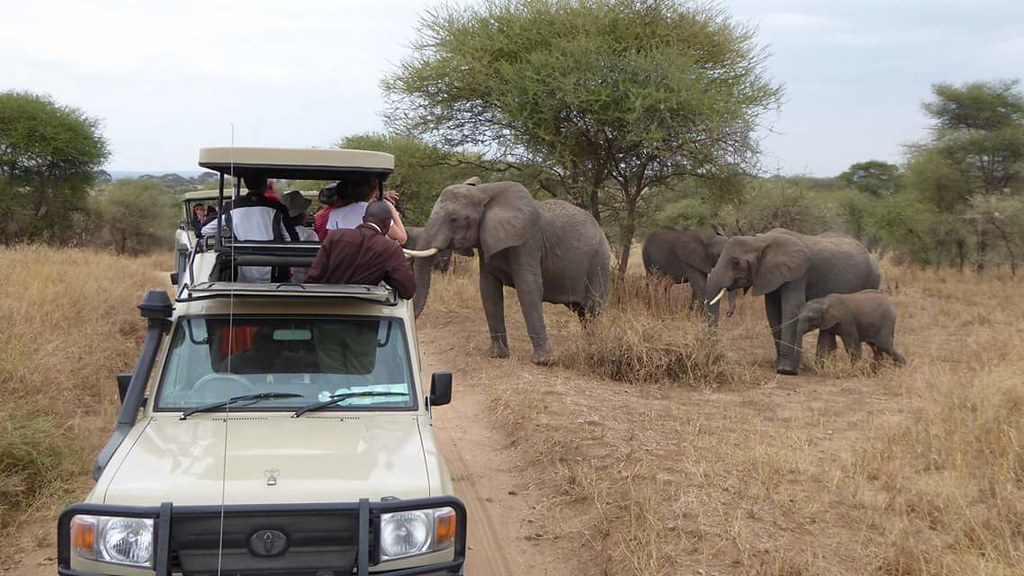
Embark on an unforgettable journey through the breathtaking landscapes of Tanzania, where adventure and wildlife await at every turn. Tanzania safaris offer a once-in-a-lifetime opportunity to witness the awe-inspiring wonders of nature up close. From the iconic Serengeti National Park to the majestic Mount Kilimanjaro, this East African gem is a paradise for adventure seekers and wildlife enthusiasts alike.
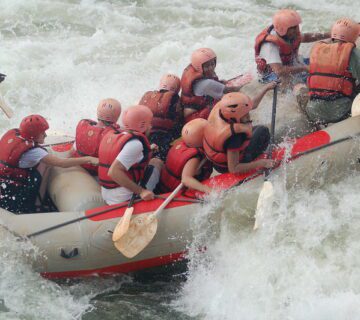
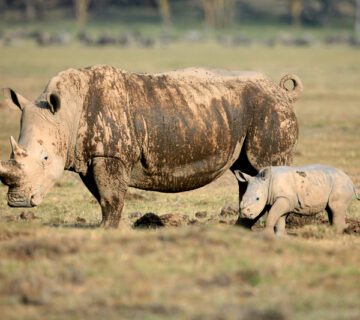
For those seeking an adrenaline rush, Tanzania adventure safaris are a must-do. Experience heart-pounding encounters with some of Africa’s most magnificent creatures on thrilling game drives through vast savannahs. Get up close and personal with the Big Five – lions, elephants, buffalos, leopards, and rhinos – as you navigate through their natural habitats.
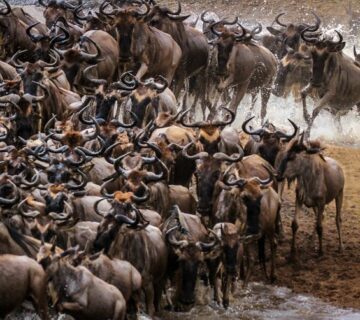
One of the highlights of Tanzania safaris is witnessing the Great Migration. Witness millions of wildebeests and zebras as they embark on their annual journey across the Serengeti in search of greener pastures. This natural spectacle is a sight to behold and offers unparalleled opportunities for wildlife photography.
In addition to these renowned destinations, there are several other hidden gems that make Tanzania a truly remarkable safari destination. Explore Ngorongoro Crater, a UNESCO World Heritage Site known for its dense concentration of wildlife and stunning landscapes. Discover Tarangire National Park, famous for its large elephant herds and baobab trees that dot the horizon.
Whether you’re a seasoned adventurer or a first-time safari-goer, Tanzania offers an array of experiences that will leave you in awe. With its diverse ecosystems and abundant wildlife, this East African nation promises unforgettable moments at every corner.
Embark on your own Tanzanian adventure safari today and create memories that will last a lifetime!
Ngorongoro Crater: Africa’s Natural Amphitheater
No list of Tanzania’s best places is complete without a full stop at the Ngorongoro Crater, the world’s largest intact volcanic caldera. The crater floor sits over 600 meters below the rim and holds one of the densest concentrations of wildlife anywhere in Africa, including one of the last populations of black rhino you can reliably see on a day’s game drive. Because the walls trap animals within a fairly compact area year-round, sightings here are dependable even outside the peak migration months, which makes it a strong choice for travelers with limited time.
Tarangire National Park: Elephants and Ancient Baobabs
Tarangire National Park is best known for two things: some of the largest elephant herds in East Africa and a landscape dotted with centuries-old baobab trees. During the dry season, from roughly June to October, the Tarangire River becomes one of the only reliable water sources for miles, drawing elephants, buffalo, zebra, and wildebeest to its banks in large numbers. It’s quieter than the Serengeti or Ngorongoro, which makes it a favorite for travelers who want a genuine big-game experience without the crowds of vehicles.
Lake Manyara National Park: Tree-Climbing Lions and Flamingo Flocks
Lake Manyara packs a surprising range of habitat into a small park: dense groundwater forest, open grassland, and the soda lake itself, which can turn pink with thousands of flamingos depending on water levels. Manyara is famous for its tree-climbing lions, a behavior rarely seen elsewhere in Africa, and its birdlife is exceptional even by Tanzanian standards. It’s an easy add-on for travelers heading between Arusha and the Ngorongoro-Serengeti circuit, usually visited on the first or last day of a longer safari.
Ruaha National Park: Tanzania’s Best-Kept Safari Secret
For travelers who have done a classic northern circuit safari before, Ruaha National Park in the south offers something different: Tanzania’s largest national park, rugged baobab-studded scenery, and some of the country’s healthiest predator populations, including large lion prides and good odds of spotting African wild dogs. Ruaha sees a fraction of the visitors that the northern parks do, so game drives feel remote and unhurried. It’s a longer journey to reach, typically by light aircraft, but it rewards travelers looking to go beyond the well-trodden route.
Nyerere National Park (Selous): Boat Safaris on the Rufiji
Nyerere National Park, carved from the former Selous Game Reserve, is one of the few places in Tanzania where you can safari by boat as well as by vehicle. The Rufiji River and its network of lakes support large concentrations of hippo and crocodile, and boat safaris here offer a completely different perspective on the wildlife than a standard game drive. Like Ruaha, it belongs to Tanzania’s less-visited southern circuit, making it a good match for the “beyond the Serengeti” branch of a Tanzania adventure safari.
Zanzibar: The Perfect Beach Finale
Many travelers pair their mainland safari with a few days on Zanzibar, and it’s easy to see why. Stone Town’s narrow alleys and Swahili-Arab architecture make for a fascinating half-day of exploring, while the island’s east coast beaches, Nungwi and Paje among them, offer the white sand and turquoise water most people picture when they imagine a post-safari escape. Spice tours, dhow sailing trips, and snorkeling on the nearby reefs round out a stay that works well as the closing chapter of a longer Tanzania adventure safari.
Best Time to Visit Tanzania for a Safari
Tanzania is a year-round safari destination, but the best time to visit depends on what you want to see. The long dry season, June through October, brings the most reliable wildlife viewing as animals concentrate around permanent water sources, and it typically coincides with the Serengeti’s river-crossing months. The short rains in November and December bring green scenery and fewer crowds, while January to March is calving season on the southern Serengeti plains, when predator action is at its most intense. The long rains, April and May, are quieter and less popular with travelers, but lodge rates drop accordingly and the landscape is at its most lush.
What to Pack for Your Tanzania Adventure
A good Tanzania safari packing list starts with neutral-colored clothing, layers for cool early-morning game drives that warm up quickly by mid-morning, a wide-brimmed hat, and sunscreen. Binoculars are worth the space in your bag, especially for spotting distant cats and birds, and a dry bag or rain cover is useful if you’re traveling during the shoulder seasons. If your itinerary includes Zanzibar afterward, pack swimwear and lightweight beachwear separately so you can leave your safari gear behind for the coastal leg of the trip.
Northern Circuit or Southern Circuit: Which Is Right for You?
Tanzania’s safari country splits broadly into two circuits, and first-time visitors often aren’t sure which to choose. The northern circuit, covering the Serengeti, Ngorongoro, Tarangire, and Lake Manyara, is the more established route: infrastructure is well developed, flight and road connections between parks are short, and wildlife density is consistently high, which is why most travelers on their first Tanzania trip start here. The southern circuit, built around Ruaha and Nyerere, trades some of that convenience for a genuinely wilder feel; distances between camps are greater and access typically means light aircraft rather than road transfers, but the reward is game viewing with far fewer other vehicles around. Many returning visitors choose to do the northern circuit first and save the south for a second trip, though a two-week itinerary can comfortably combine both if you want the full picture in one visit.
How Long Should Your Tanzania Safari Be?
A short three- to four-day safari can cover the highlights of the northern circuit if your time is limited, but five to seven days lets you move through Tarangire, Lake Manyara, the Ngorongoro Crater, and at least two or three days in the Serengeti without feeling rushed between stops. Travelers who want to add the southern circuit, a Kilimanjaro trek, or a Zanzibar beach extension should plan for ten days to two weeks, which is also enough time to time your visit around a specific highlight like the wildebeest migration’s river crossings or the Serengeti’s calving season.
Frequently Asked Questions
How many days do I need for a Tanzania safari? Most travelers spend at least five to seven days on the northern circuit (Tarangire, Lake Manyara, Ngorongoro, and the Serengeti) to avoid feeling rushed, with additional days for the southern circuit or Zanzibar if included.
Can I combine a mainland safari with Zanzibar? Yes, this is one of the most popular ways to structure a Tanzania trip, and most itineraries build in a short domestic flight from the northern safari circuit or Dar es Salaam to Zanzibar.
Do I need a visa to visit Tanzania? Most nationalities need a visa, which can typically be arranged online in advance or on arrival; requirements change periodically, so it’s worth confirming your specific situation before you travel.
Is Tanzania a good safari destination for first-timers? Yes. The northern circuit in particular is set up for travelers new to safari, with reliable game viewing, established lodges and camps at every comfort level, and short transfer times between parks.
Should I self-drive or book a guided safari? Most visitors book a guided safari with a private vehicle and driver-guide, which is the more practical option given road conditions, park regulations, and the value of local knowledge for spotting wildlife.
Whichever combination of parks you choose, planning ahead with a tailor-made Tanzania safari makes it far easier to fit the right mix of northern and southern circuit parks, plus a Zanzibar extension, into the time you have available.