
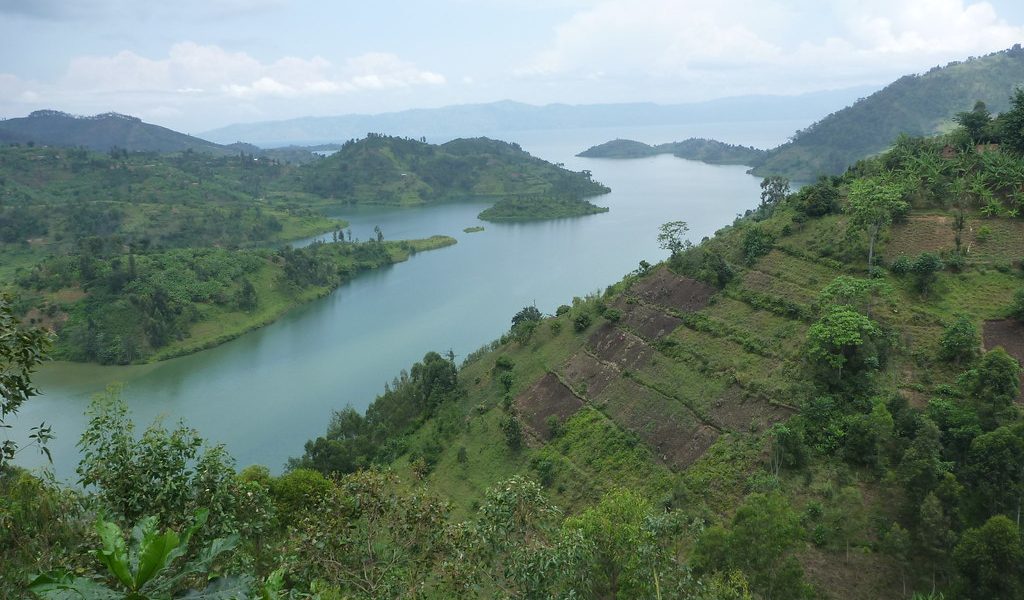
19 days Rwanda safari: Akagera Big Five, gorillas, Lake Kivu and Nyungwe with African crabwood tree planting
Overview
This 19-day Rwanda safari combines the country’s leading wildlife destinations with forest exploration, mountain gorilla trekking, Lake Kivu experiences and community tree planting. Starting and ending in Kigali, the journey follows a scenic route through Akagera National Park, Musanze, Rubavu, Gishwati-Mukura National Park, Karongi and Nyungwe National Park.
Begin with four days exploring Akagera’s savannah, woodland and wetlands. Search for lions, leopards, elephants, buffaloes and rhinoceroses on guided game drives, and enjoy a boat trip on Lake Ihema.
Continue to Musanze for mountain gorilla trekking in Volcanoes National Park. You will then travel to Rubavu for lakeside relaxation and activities along Lake Kivu. In Gishwati, explore a recovering montane forest, look for primates and birds, and learn about forest restoration. Your journey continues to Karongi for more Lake Kivu experiences before ending in Nyungwe, where the famous canopy walkway takes you above the rainforest.
The GreenSpot tree-planting programme features four species: Grevillea robusta, Syzygium guineense, Carapa grandiflora and Entandrophragma excelsum. Indigenous species will be prioritised for natural forest restoration, while Grevillea robusta will be restricted to suitable managed agricultural or demonstration sites after ecological assessment.
This itinerary includes 18 nights of accommodation, with the final night in Kigali before departure.
Safari Highlights
- Lake Kivu shoreline experiences in Rubavu and Karongi.
- Boat trips, kayaking and other optional lakeside activities.
- Guided forest walks and chimpanzee tracking opportunities in Gishwati, subject to current arrangements.
- Nyungwe National Park canopy walkway experience.
- Rainforest walks and birdwatching in Nyungwe.
- Community visits and conservation experiences.
- Scenic drives through Rwanda's highlands, forests, lakes and countryside.
Tree species featured in the planting programme
Grevillea robusta – Silky oak
Main uses: Grevillea robusta is a fast-growing tree originally from Australia. It is commonly planted in farms and managed landscapes for timber, shade, windbreaks and boundary planting. Its relatively open canopy can allow crops to grow beneath it when properly managed.
Why plant it? In suitable agricultural settings, silky oak can provide shade, timber and additional farm income. However, it is non-native to Rwanda and should not be introduced into natural forests or sensitive habitats. Indigenous alternatives should be prioritised for ecological restoration.
Planted at: Selected farms and managed community demonstration sites around Akagera’s surrounding communities or other suitable agricultural areas, subject to ecological assessment and local approval.
Syzygium guineense – Waterberry
Main uses: Waterberry is an indigenous African tree found in a range of habitats, including riverine woodland and moist forest margins. Its fruits provide food for birds and other wildlife. It can also provide shade, timber and useful products for local communities.
Why plant it? Waterberry can contribute to the restoration of suitable moist landscapes and stream corridors. Its fruits support wildlife, while its roots and vegetation can help protect soil in appropriate planting locations.
Planted at: Suitable community sites, farms and restoration areas around Gishwati, Karongi and other locations with appropriate rainfall and soil moisture.
Carapa grandiflora – African crabwood
Main uses: Carapa grandiflora is an indigenous African forest tree associated with moist montane environments. It contributes to forest structure and is valued for its timber. Its seeds contain oils, although their use should follow appropriate local knowledge and processing practices.
Why plant it? Planting this indigenous forest species can support the recovery of suitable montane habitats and maintain native tree diversity. It is a useful candidate for restoration where its ecological requirements are met.
Planted at: Approved community and restoration sites around Gishwati, Karongi and Nyungwe, where elevation, rainfall and soil conditions are suitable.
Entandrophragma excelsum – Mountain mahogany
Main uses: Entandrophragma excelsum is a large indigenous African forest tree associated with montane and moist forest environments. It is valued for its timber and contributes to the structure of mature forests.
Why plant it? Restoring native mountain mahogany supports long-term forest regeneration and the conservation of indigenous tree diversity. Planting suitable native hardwoods can also help reduce pressure on remaining natural forest populations.
Planted at: Suitable highland community forestry and restoration sites around Gishwati and Nyungwe, subject to local ecological guidance.
Detailed Itinerary
Day 1: Arrival in Kigali
Arrive at Kigali International Airport, where your safari guide will welcome you and transfer you to your hotel. Depending on your arrival time, you can enjoy a short city tour, visit the Kigali Genocide Memorial or explore local craft markets.
Your guide will introduce the safari programme, explain the planned activities and review the arrangements for gorilla trekking, Akagera game drives and the GreenSpot tree-planting programme.
Accommodation: Hotel in Kigali.
Meals: Dinner.
Day 2: Kigali to Akagera National Park
After breakfast, depart Kigali for Akagera National Park in eastern Rwanda. The journey takes approximately 2.5 to 3 hours, depending on your lodge location and road conditions.
Enter the park and enjoy the changing landscape as the hills give way to savannah, woodland and wetlands. Depending on your arrival time, you may enjoy an introductory game drive on the way to your lodge.
Look out for giraffes, zebras, antelopes, buffaloes, elephants and other wildlife. Check in at your accommodation and enjoy the surrounding natural environment.
Accommodation: Lodge in or near Akagera National Park.
Meals: Breakfast, lunch and dinner.
Day 3: Akagera morning and afternoon game drives
Start early with a guided game drive through Akagera’s savannah and woodland habitats. Early morning is a good time to look for wildlife as animals become active and move through feeding areas.
Your guide will search for lions, elephants, buffaloes, giraffes, zebras and different antelope species. Leopards and rhinoceroses are also present in the park, although they can be difficult to locate.
Return to the lodge for lunch and some relaxation. Later, enjoy another game drive through a different section of the park, depending on wildlife movements and the day’s route.
Accommodation: Lodge in or near Akagera National Park.
Meals: Breakfast, lunch and dinner.
Day 4: Akagera boat safari on Lake Ihema
After breakfast, explore Akagera’s wetland environment with a boat trip on Lake Ihema. The lake is an important habitat for hippos, Nile crocodiles and numerous waterbirds.
Enjoy views of the shoreline and surrounding vegetation while your guide explains the ecological importance of the lake. You may see fish eagles, herons, egrets, kingfishers and other water-associated birds.
After the boat trip, enjoy lunch and continue with an afternoon game drive. The day’s activities provide a good opportunity to explore habitats that differ from the open savannah areas.
Accommodation: Lodge in or near Akagera National Park.
Meals: Breakfast, lunch and dinner.
Day 5: Full-day Akagera Big Five safari
Spend another full day exploring Akagera National Park. This additional game-viewing day gives you more time to search for the Big Five and explore areas not covered during earlier drives.
Your guide will select the route according to wildlife movements, road conditions and the park’s operating arrangements. Look for elephants, buffaloes, giraffes, zebras, antelopes and, with luck, lions, leopards and rhinoceroses.
Enjoy a picnic lunch or return to your lodge, depending on the day’s schedule. You may also arrange an optional night game drive if available through the park.
Accommodation: Lodge in or near Akagera National Park.
Meals: Breakfast, lunch and dinner.
Day 6: Akagera to Musanze
After breakfast, depart Akagera for Musanze in northern Rwanda. The journey takes approximately 4 to 5 hours, depending on the route, traffic and stops.
As you approach Musanze, the Virunga volcanic range creates a dramatic backdrop. Arrive at your lodge, check in and enjoy lunch.
The afternoon is free for relaxation or a short visit to the local area. Your guide will brief you about the following day’s gorilla trekking activity and check that you have suitable hiking equipment.
Accommodation: Lodge in Musanze.
Meals: Breakfast, lunch and dinner.
Day 7: Mountain gorilla trekking in Volcanoes National Park
After an early breakfast, transfer to the Volcanoes National Park headquarters for your gorilla trekking briefing. Park rangers will explain the rules and assign your group to a habituated mountain gorilla family.
Enter the montane forest with your ranger guides and begin the search. Trekking time varies according to the location and movement of the gorilla family. The terrain may include steep slopes, thick vegetation and muddy trails.
Once you find the gorillas, you will spend a maximum of one hour observing them from the required distance. Watch their feeding, grooming, movement and family interactions while following your guides’ instructions.
After the encounter, return to the park headquarters and transfer to your lodge.
Accommodation: Lodge in Musanze.
Meals: Breakfast, lunch and dinner.
Day 8: Musanze cultural and volcanic experiences
Enjoy breakfast before exploring the Musanze area. You can visit the Gorilla Guardians Village to learn about traditional Rwandan culture and the role of surrounding communities in gorilla conservation.
Alternatively, take a guided walk near the foothills of the Virunga volcanoes or visit local agricultural communities. These experiences offer a different perspective on the region beyond gorilla trekking.
The afternoon can be spent relaxing at your lodge and enjoying the mountain scenery.
Accommodation: Lodge in Musanze.
Meals: Breakfast, lunch and dinner.
Day 9: Musanze to Rubavu and Lake Kivu
After breakfast, travel west to Rubavu, also known as Gisenyi, on the northern shores of Lake Kivu. The drive takes approximately 1.5 to 2 hours, depending on road conditions and stops.
On arrival, check in at your lakeside hotel or lodge. Spend the afternoon enjoying the waterfront, walking along the shoreline or relaxing at the beach.
Lake Kivu offers beautiful views of surrounding hills and fishing communities. Your guide can introduce you to the lake’s importance for local transport, tourism and livelihoods.
Accommodation: Hotel or lodge in Rubavu.
Meals: Breakfast, lunch and dinner.
Day 10: Lake Kivu boat trip and lakeside activities
Spend the day exploring Lake Kivu. After breakfast, take an optional guided boat trip to discover some of the lake’s islands, fishing communities and scenic shoreline.
You can also arrange kayaking, swimming in designated safe areas, lakeside cycling or a visit to local markets. The activities provide opportunities to learn about the communities that depend on the lake.
Return to your accommodation in the afternoon and enjoy a relaxed evening.
Accommodation: Hotel or lodge in Rubavu.
Meals: Breakfast, lunch and dinner.
Day 11: Rubavu to Gishwati-Mukura National Park
After breakfast, depart Rubavu and travel south towards Gishwati. The journey usually takes approximately 2 to 3 hours, depending on your accommodation location and road conditions.
Arrive near Gishwati, check in and enjoy lunch. In the afternoon, learn about the forest’s restoration history and the wildlife it protects.
If time permits, take a short guided walk around the surrounding community or enjoy the scenery from your lodge. Gishwati offers a quieter forest experience compared with the more established tourism areas of Nyungwe and Volcanoes National Park.
Accommodation: Lodge or guesthouse near Gishwati.
Meals: Breakfast, lunch and dinner.
Day 12: Gishwati forest exploration and chimpanzee experience
After an early breakfast, prepare for a guided forest experience in Gishwati-Mukura National Park. Depending on current park arrangements, you may participate in a chimpanzee tracking activity or a guided nature walk.
Gishwati is home to a small chimpanzee population, and its chimpanzee tourism programme is less established than the one in Nyungwe. Sightings are not guaranteed. Confirm the current visitor programme, access arrangements, fees and availability before travel.
During the forest experience, you may also look for L’Hoest’s monkeys, colobus monkeys, blue monkeys and forest birds. Your guide will explain the park’s restoration work and the importance of protecting the remaining forest habitat.
Accommodation: Lodge or guesthouse near Gishwati.
Meals: Breakfast, lunch and dinner.
Day 13: Gishwati to Karongi and the Kivu shoreline
After breakfast, depart Gishwati for Karongi, also known as Kibuye, on the eastern shores of Lake Kivu. The journey takes approximately 2 to 3 hours, depending on the route and road conditions.
Arrive at your lakeside accommodation and enjoy lunch. Spend the afternoon relaxing along the shoreline and enjoying views of the lake’s islands and surrounding hills.
Karongi offers a quieter atmosphere and provides a different perspective of Lake Kivu compared with Rubavu. You can take a short walk near the waterfront or enjoy the scenery from your lodge.
Accommodation: Hotel or lodge in Karongi.
Meals: Breakfast, lunch and dinner.
Day 14: Karongi boat trip and community experiences
After breakfast, enjoy a guided boat trip on Lake Kivu. Explore the lake’s islands and shoreline while learning about fishing activities and local livelihoods.
Depending on your interests, you can visit a nearby community, learn about traditional fishing practices or enjoy a lakeside nature walk. You may also arrange kayaking or other water-based activities through local operators.
Return to your lodge in the afternoon for relaxation.
Accommodation: Hotel or lodge in Karongi.
Meals: Breakfast, lunch and dinner.
Day 15: Karongi to Nyungwe National Park
After breakfast, depart Karongi and travel south towards Nyungwe National Park. The journey takes approximately 2.5 to 3.5 hours, depending on the route, stops and road conditions.
The drive passes through scenic hills, agricultural communities and tea-growing landscapes. On arrival, check in at your lodge near the forest.
Spend the afternoon relaxing or enjoy a short walk around the lodge. Your guide will introduce Nyungwe’s biodiversity and explain the arrangements for the following day’s canopy walkway experience.
Accommodation: Lodge near Nyungwe National Park.
Meals: Breakfast, lunch and dinner.
Day 16: Nyungwe canopy walkway and rainforest exploration
After breakfast, travel to the Uwinka Visitor Centre for your guided canopy walkway experience. The suspended walkway takes you above the rainforest canopy, offering views of the forest, surrounding valleys and upper vegetation layers.
The experience begins with a guided forest trail before you reach the elevated walkway. Look out for forest birds, butterflies and other wildlife as you explore the area.
After the canopy walk, enjoy an additional guided forest walk or birdwatching activity, depending on your interests and available time.
Return to your lodge in the afternoon.
Accommodation: Lodge near Nyungwe National Park.
Meals: Breakfast, lunch and dinner.
Day 17: Nyungwe forest walk and birdwatching
Spend another day exploring Nyungwe’s rainforest. After breakfast, join a guided forest walk along one of the park’s authorised trails.
Nyungwe is home to several primate species, including chimpanzees, colobus monkeys and L’Hoest’s monkeys. The forest also supports a rich variety of birds, plants, butterflies and other wildlife.
You can focus on birdwatching, forest ecology or photography. If you would like an additional primate activity, ask your operator about chimpanzee tracking or colobus monkey tracking, subject to availability and the relevant permits.
Accommodation: Lodge near Nyungwe National Park.
Meals: Breakfast, lunch and dinner.
Day 18: Nyungwe to Kigali
After breakfast, depart Nyungwe for Kigali. The journey takes approximately 5 to 6 hours, depending on traffic, weather and stops.
Enjoy the scenic drive through Rwanda’s countryside, with opportunities for photographs and refreshments along the way.
On arrival in Kigali, check in at your hotel. If time permits, enjoy a final city visit, explore local markets or purchase souvenirs before your departure the following day.
Accommodation: Hotel in Kigali.
Meals: Breakfast, lunch and dinner.
Day 19: Departure from Kigali
Enjoy breakfast at the hotel, depending on your flight schedule. Your driver will transfer you to Kigali International Airport for your onward journey.
If your flight departs later in the day, you may have time for a short activity in Kigali, subject to the available time.
Accommodation: None.
Meals: Breakfast.
Optional activities
In Akagera, optional activities include night game drives, additional boat trips and extended game drives in different sections of the park.
In Musanze, you can visit the Gorilla Guardians Village, take a guided walk near the Virunga volcanoes or arrange a local cultural experience.
In Rubavu and Karongi, optional activities include Lake Kivu boat trips, kayaking, swimming in designated areas, lakeside cycling and visits to fishing communities.
In Gishwati, you can arrange additional guided forest walks, birdwatching and community conservation visits. Chimpanzee tracking depends on current park arrangements and availability.
In Nyungwe, optional experiences include chimpanzee tracking, colobus monkey tracking, guided birdwatching, additional forest hikes and other park-approved activities.
Arrange activities that require permits, guides or special transport in advance.
Frequently asked questions
Can I see the Big Five in Akagera?
Akagera is home to lions, leopards, elephants, buffaloes and rhinoceroses. You have four days allocated to the park, providing good time for game drives and wildlife searches. However, sightings are never guaranteed, particularly for elusive animals such as leopards and rhinoceroses.
Is gorilla trekking included in this itinerary?
A gorilla trekking day is planned in Volcanoes National Park on Day 7. The permit must be confirmed and paid for according to the final safari quotation. Gorilla permits are limited, so early booking is important.
How long does gorilla trekking take?
The trek can take a few hours or longer depending on the location of the gorilla family. Once you find the gorillas, you are allowed a maximum of one hour with them.
Can I see chimpanzees in Gishwati?
Gishwati-Mukura has a small chimpanzee population, and chimpanzee tourism is less established than in Nyungwe. Tracking arrangements can change, and sightings are not guaranteed. Confirm the current programme and access requirements before booking.
Is chimpanzee tracking available in Nyungwe too?
Yes. Nyungwe has established chimpanzee tracking experiences. This itinerary focuses on the canopy walkway and rainforest exploration, but you can add chimpanzee tracking on Day 17 if permits and timing allow.
What can I do around Lake Kivu?
You can enjoy boat trips, kayaking, swimming in designated areas, lakeside walks, cycling and visits to fishing communities. Rubavu and Karongi offer different shoreline settings and both provide good opportunities to relax.
How difficult is the Nyungwe canopy walk?
The canopy walkway experience involves walking along forest trails and crossing an elevated suspended bridge. Some sections of the approach trail can be steep and slippery, especially after rain. Suitable walking shoes are recommended.
What is the minimum age for gorilla trekking?
The minimum age for mountain gorilla trekking in Rwanda is generally 15 years. Confirm current park rules when arranging permits.
Can all four tree species be planted during this safari?
The GreenSpot programme features all four species, but the final planting combination depends on the approved site and local ecological conditions. Indigenous species will be prioritised for natural forest restoration. Grevillea robusta will only be considered for suitable managed agricultural or demonstration sites.
What should I pack for this safari?
Bring waterproof hiking boots, long trousers, long-sleeved shirts, a rain jacket, gardening gloves, insect repellent, sunscreen, a hat, binoculars, a reusable water bottle and a small daypack. A walking stick and gaiters can be useful during gorilla and forest trekking.
Akagera wildlife and conservation
Akagera National Park protects Rwanda’s savannah, woodland and wetland ecosystems. Its wildlife includes lions, leopards, elephants, buffaloes and rhinoceroses, making it the country’s main Big Five safari destination.
The park’s lakes and wetlands support hippos, crocodiles and many waterbirds. Lake Ihema is one of the important wetland areas, and a boat trip offers opportunities to observe wildlife along the shoreline.
Conservation activities include habitat management, wildlife monitoring, anti-poaching patrols and community engagement. Responsible tourism contributes to the protection of these habitats and supports conservation-related livelihoods.
Mountain gorilla conservation in Volcanoes National Park
Volcanoes National Park protects part of the Virunga Mountains and provides habitat for endangered mountain gorillas. The park’s conservation programme includes ranger patrols, veterinary monitoring, research and cooperation with surrounding communities.
Gorilla trekking permits support conservation and tourism activities. Visitors also contribute by following park rules, maintaining the required distance, observing hygiene guidance and avoiding loud behaviour during the encounter.
Lake Kivu and community livelihoods
Lake Kivu supports fishing, transport, tourism and other local livelihoods. Rubavu and Karongi offer different experiences along its shoreline, from busy lakeside areas to quieter settings with views of islands and surrounding hills.
Responsible visitors should avoid littering, respect fishing activities and follow local safety guidance during water-based activities. Choose authorised boat operators and use designated swimming areas.
Gishwati forest restoration and wildlife
Gishwati-Mukura National Park protects recovering montane forest habitats in western Rwanda. The park supports chimpanzees, golden monkeys, L’Hoest’s monkeys, colobus monkeys and a variety of forest birds.
Restoration work helps improve habitat quality, protect soil and water resources and support wildlife populations. Community involvement is an important part of protecting the forest and maintaining local support for conservation.
Nyungwe rainforest conservation and biodiversity
Nyungwe National Park protects one of Africa’s important montane rainforest ecosystems. Its forest supports chimpanzees, colobus monkeys, other primates, Albertine Rift birds, butterflies and many plant species.
The canopy walkway offers a view of the forest’s upper vegetation layers and introduces visitors to the importance of protecting mature rainforest habitats. Guided forest walks and responsible tourism support conservation awareness and local tourism services.
Birdwatching opportunities
This itinerary offers birdwatching in several different habitats. Akagera is rewarding for savannah, woodland and wetland birds, while Gishwati and Nyungwe support montane forest species. Volcanoes National Park also offers highland forest birding opportunities.
Lake Kivu’s shoreline and Akagera’s wetlands provide opportunities to observe waterbirds, including herons, egrets, kingfishers and fish eagles. Nyungwe and Gishwati are particularly interesting for forest bird species and Albertine Rift endemics.
Bring binoculars and allow time for quiet observation. A specialist local bird guide can help identify species and explain their habitats.
GreenSpot tree planting and community conservation
The GreenSpot programme forms part of the safari’s community conservation experience. It introduces visitors to selected tree species and the role of appropriate planting in restoring degraded landscapes.
The programme includes Syzygium guineense, Carapa grandiflora and Entandrophragma excelsum as indigenous species suitable for restoration in appropriate habitats. Grevillea robusta is non-native and will be restricted to suitable managed farms or demonstration sites after ecological assessment.
Planting locations will be selected with local partners according to elevation, rainfall, soil conditions and intended land use. Activities can include seedling planting, conservation education and practical guidance on tree care.
Long-term success depends on aftercare. Local participants should monitor seedlings, protect them from livestock and fire, and provide watering where necessary during dry periods.
Community experiences
Community visits around Akagera, Musanze, Lake Kivu, Gishwati and Nyungwe provide opportunities to learn about local livelihoods, agriculture, crafts and conservation activities.
In Musanze, community experiences introduce the relationship between local livelihoods and gorilla conservation. Around Gishwati, visitors can learn about forest restoration and community participation. Along Lake Kivu, fishing and small-scale tourism are important parts of daily life.
The GreenSpot programme provides another opportunity for visitors to participate in a practical community activity. Respect local customs, seek permission before taking photographs and support locally owned services where possible.
Practical notes
Gorilla permits: Book your Volcanoes National Park permit well in advance. The permit date should match Day 7 unless the itinerary is adjusted.
Akagera activities: Confirm game drive arrangements, boat trip schedules and park fees before travel. Wildlife sightings depend on animal movements and cannot be guaranteed.
Gishwati chimpanzee experience: Confirm the current tracking or guided forest programme, access arrangements and fees before booking. Do not assume that chimpanzee tracking operates every day.
Nyungwe canopy walk: The walkway begins from the Uwinka Visitor Centre and includes a forest trail. Follow your guide’s instructions and carry a rain jacket.
Road transfers: The itinerary includes several long drives, especially between Kigali and Nyungwe and between Nyungwe and Kigali. Allow flexibility for traffic, weather and stops.
Fitness: Gorilla trekking and forest walks involve uneven ground and can be physically demanding. Prepare with regular walking and bring suitable footwear.
Tree planting: Planting should take place at approved community or restoration sites outside protected national parks unless specific authorisation is obtained. Indigenous species should be prioritised for natural forest restoration.
Travel documents: Carry a valid passport and check Rwanda’s entry and visa requirements before departure.
Travel insurance: Comprehensive travel insurance is recommended, including cover for medical emergencies and trip interruption.
Permits and park fees: Confirm which permits, entrance fees and optional activities are included in your final safari quotation.
Best time to visit
Rwanda is a year-round safari destination, but the drier months generally provide more convenient conditions for game drives, gorilla trekking, forest walks and road travel.
The main dry seasons usually occur from June to September and December to February. During these months, forest trails are often less muddy, and wildlife viewing in Akagera can be easier around water sources.
The wetter periods generally occur from March to May and October to November. Nyungwe and Gishwati become greener, although forest trails can become slippery and road transfers may take longer. These months can also offer rewarding birdwatching opportunities.
For this combined itinerary, June to September and December to February are generally good choices. Book gorilla permits early and confirm Gishwati activities before finalising your travel dates.
Tour Includes
- Travel in a 4×4 car
- Professional guide
- Park fees
- Accommodation
- Meals
- All Activities In Itinerary
Tour Excludes
- Alcoholic drinks
- Laundry
- Tips
- Shopping
- Insurance
- Anything not included per itinerary
Get Your Tailored 19 days Rwanda safari: Akagera Big Five, gorillas, Lake Kivu and Nyungwe with African crabwood tree planting
Uganda Safari Photos
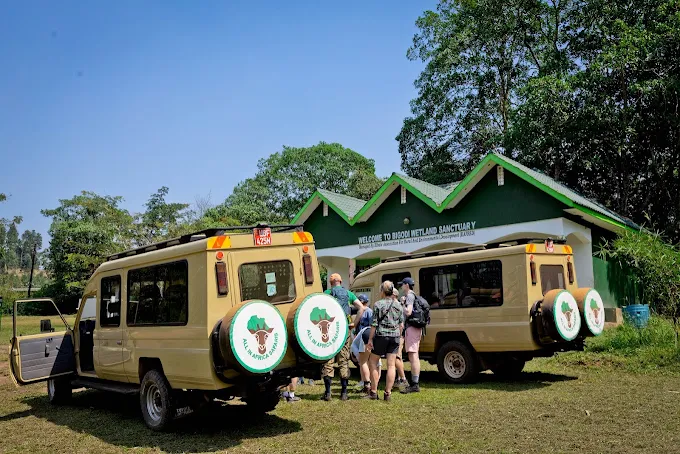
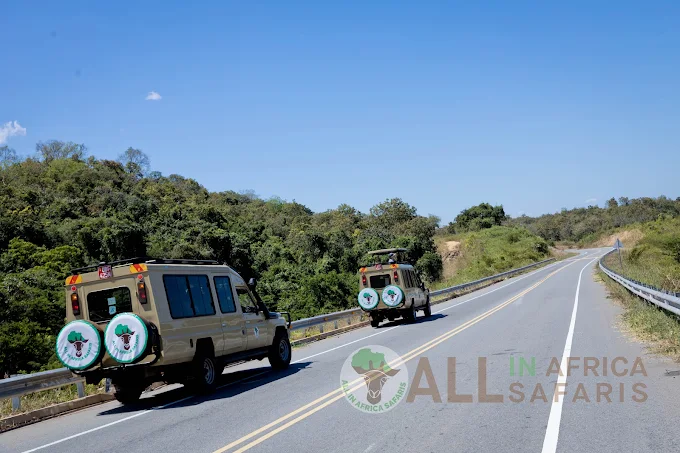
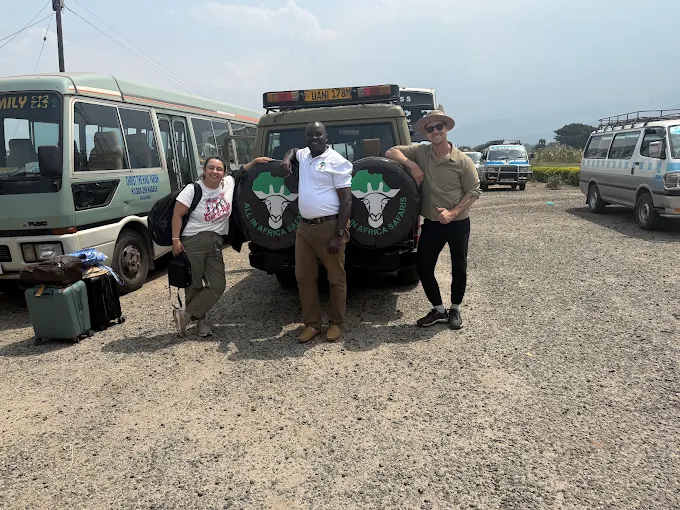
Our Green Spot Campaign
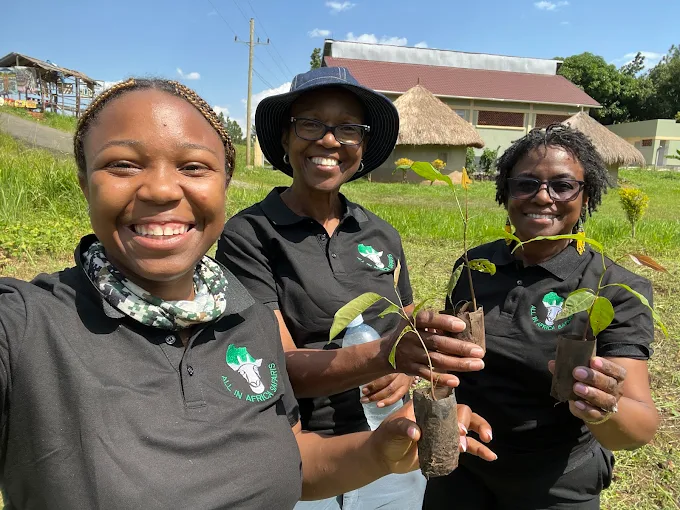
Every safari with us supports our Green Spot Campaign — planting trees across Uganda’s communities. Learn more & get involved →
All in Africa Safaris arranges tours to Uganda, Rwanda, Kenya and Tanzania
3 Days Murchison Falls Safari
Discover the Wildlife in the Murchison Falls National Park with engagement with a boat cruise and game drives which lead to a nature walk on top of the falls
4 Days Gorillas & Queen Wildlife
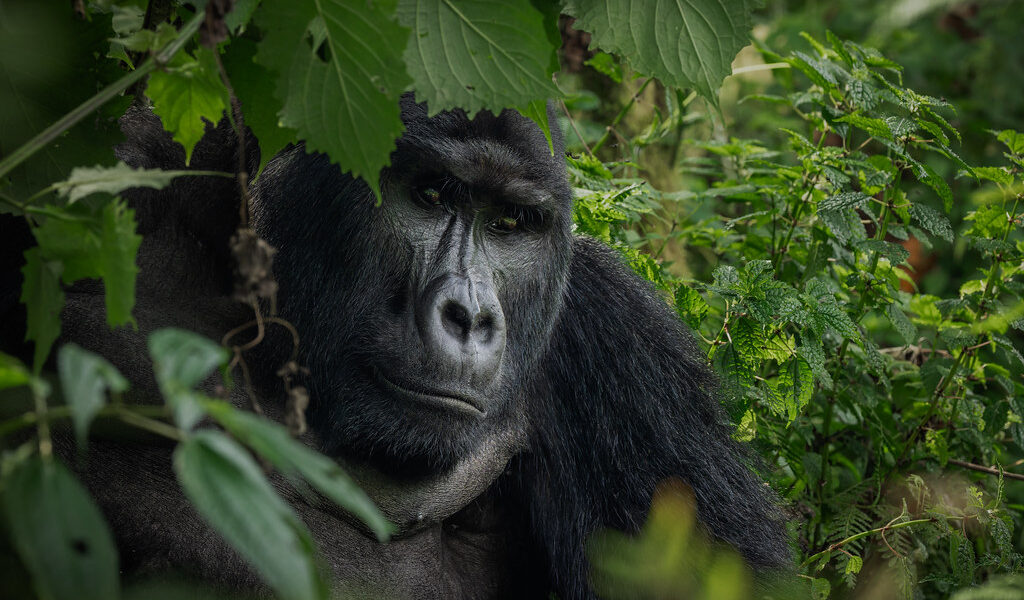
Visit the magical national parks of Uganda known as Bwindi Forest and Queen Elizabeth National Park including gorilla trekking and wildlife views for travelers
5 Days Gorillas & Chimps Track
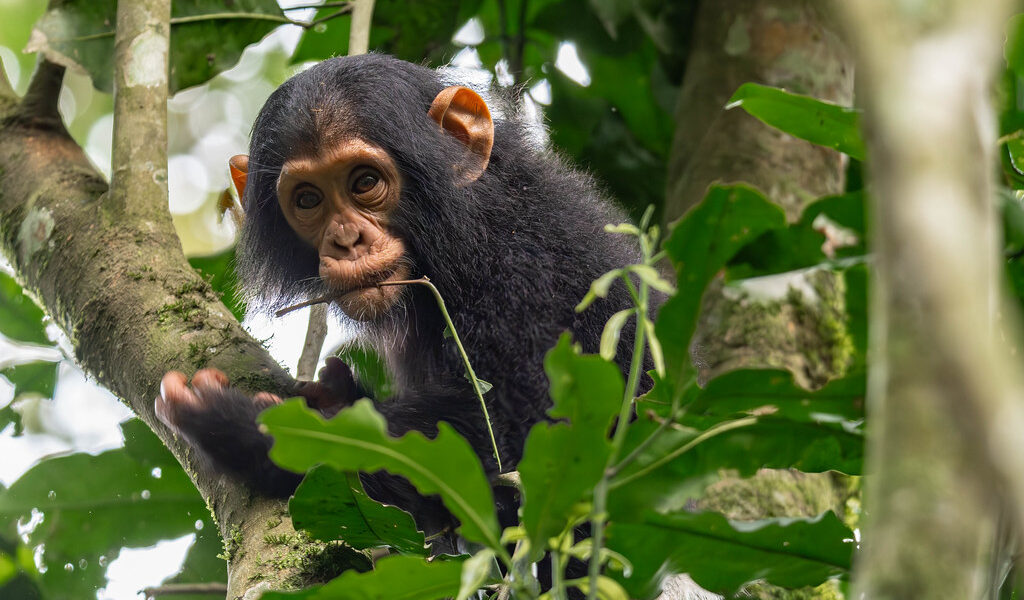
Explore the great Mgahinga National Park conserving and protecting the endangered Mountain gorillas & chimpanzees in the pearl of Africa
6 Days Uganda Safari
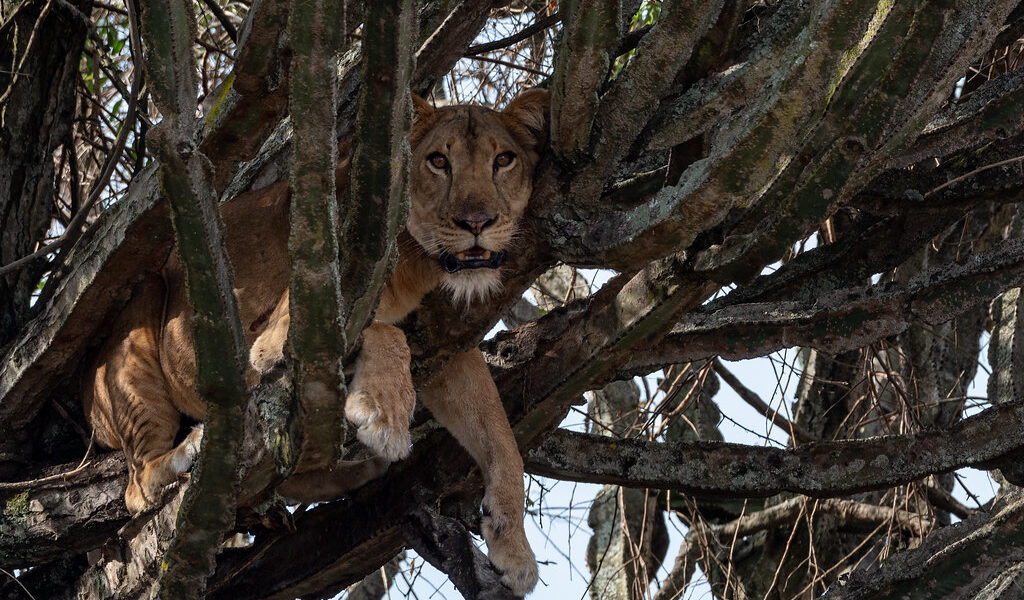
Visit the magical national parks of Uganda known as Bwindi Forest and Queen Elizabeth National Park which include the gorilla trekking and wildlife views
1 Day Bwindi Gorilla Tour from Kigali
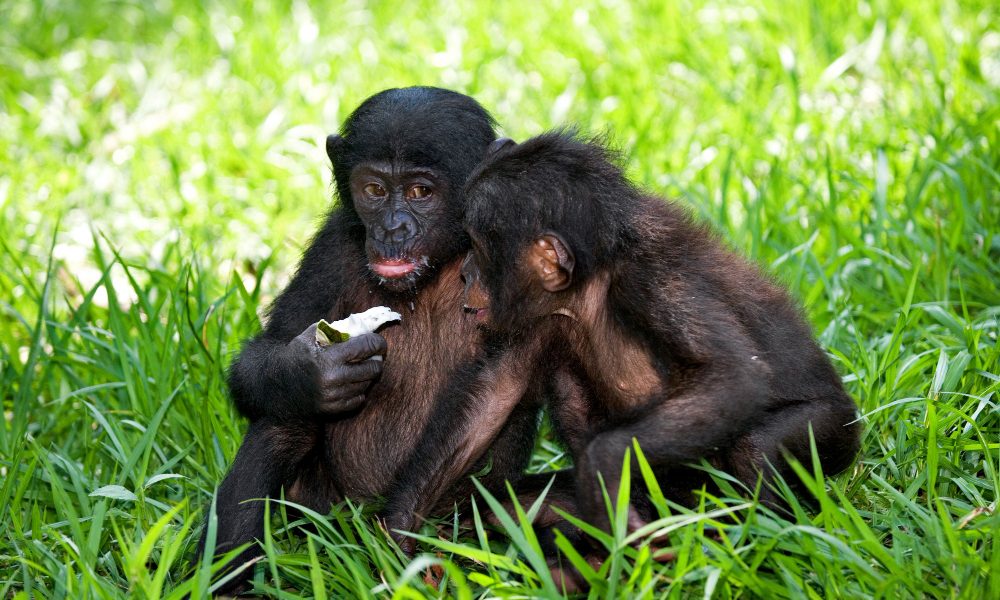
A fast-paced day trip from Kigali into Bwindi Impenetrable Forest for a single unforgettable hour with a mountain gorilla family
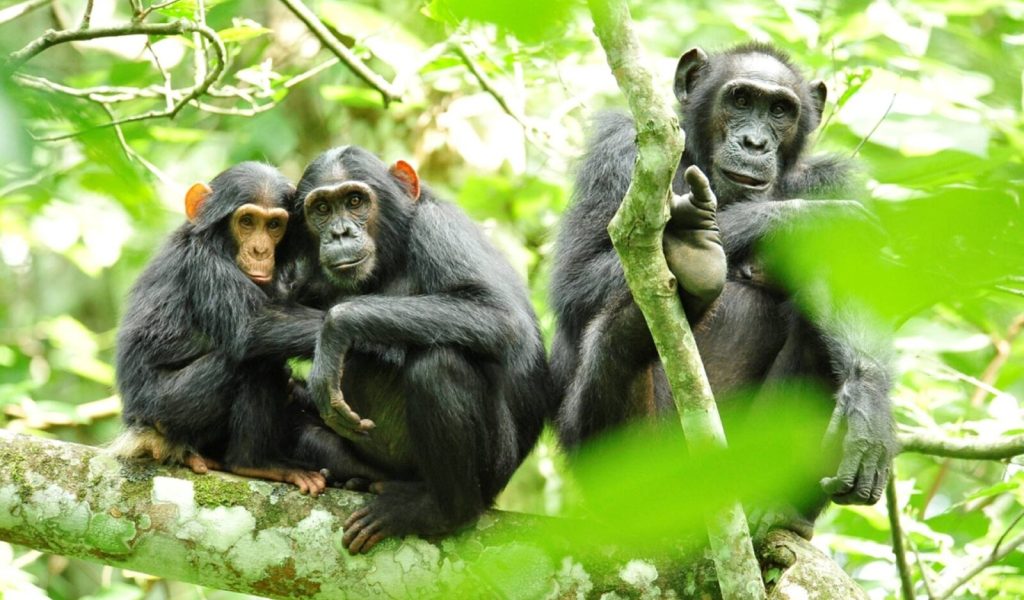
3 Days Chimpanzee Tracking in Kibale
Track chimpanzees through Africa’s primate capital, Kibale Forest, alongside a community walk through Bigodi Wetland Sanctuary
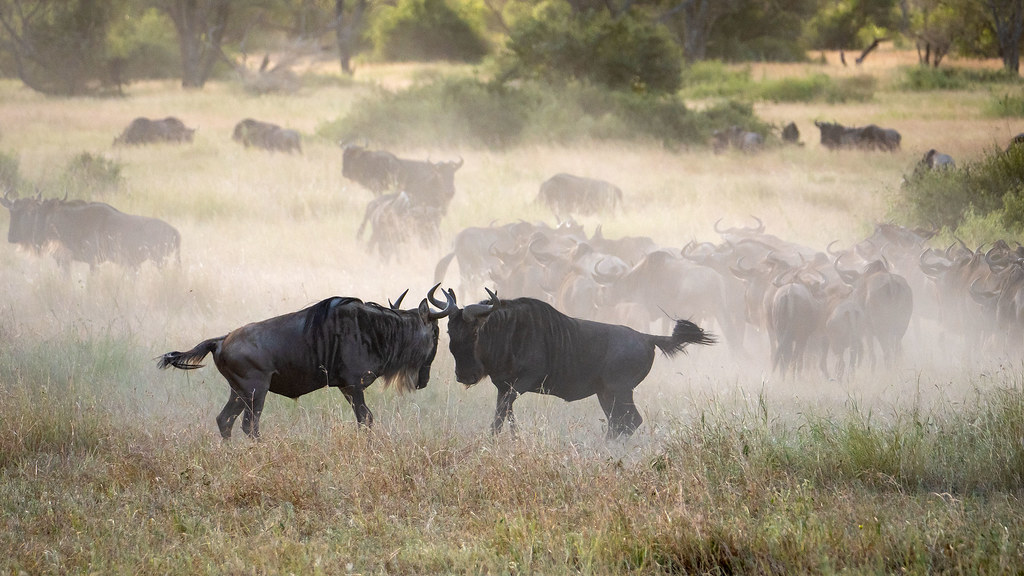
4 Days Kidepo Valley Wildlife Safari
Venture into Uganda’s most remote wilderness for cheetahs, ostriches and dramatic mountain scenery few visitors ever see
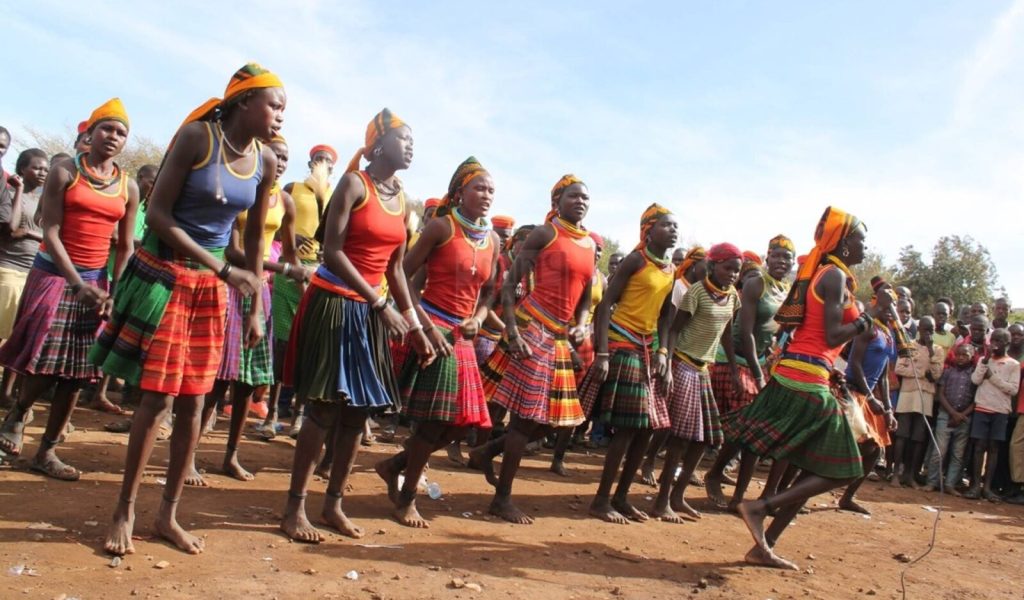
7 Day Kidepo and Sipi Safari
Combine Kidepo Valley’s wild plains with waterfall hikes and coffee tours in the Sipi Falls region
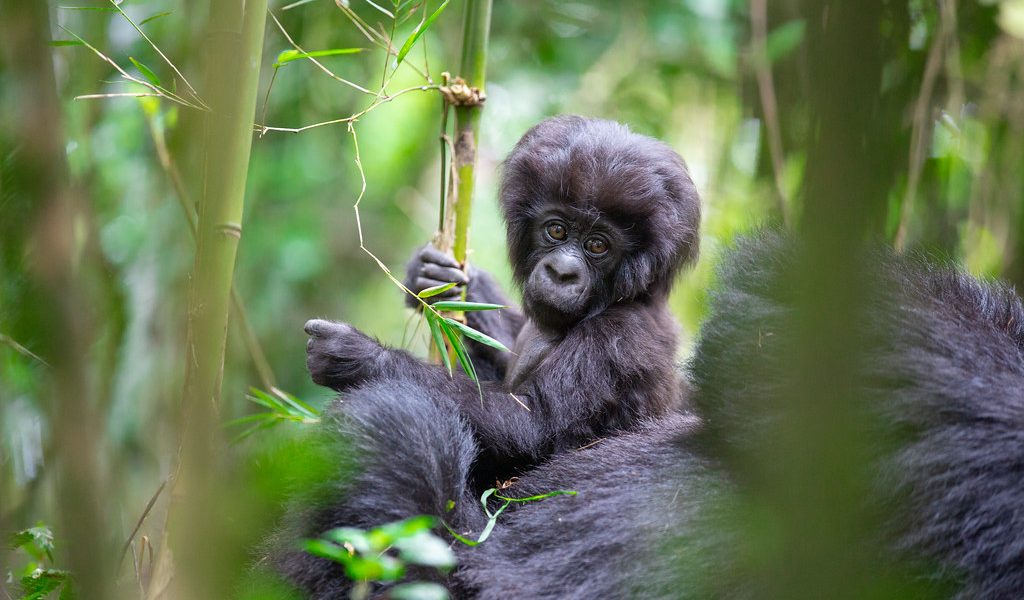
10 Days Rwanda Uganda Safari
A complete circuit through Volcanoes, Bwindi, Queen Elizabeth and Kibale for gorillas, chimps and classic wildlife
12 Days Uganda Leisure Holidays
An unhurried two-week journey through Murchison Falls, Kibale, Queen Elizabeth, Bwindi and Lake Mburo
14 Days Uganda Northern Circuit
Explore Kidepo Valley, Murchison Falls and Sipi Falls on this off-the-beaten-path northern adventure
15 Days Uganda Safari
Uganda’s full highlight reel across two relaxed weeks of gorillas, chimps, wildlife and scenic countryside