

As the savanna’s apex predator, lions play a structural role in shaping the entire ecosystem beneath them, influencing prey population balance, herbivore grazing behaviour, and even the health of scavenger and smaller predator communities in ways that ripple considerably further than a single hunt might suggest.
This guide covers exactly how this ecological role works, from prey selection and grazing patterns through to scavenger support and the cascading consequences of losing an apex predator from any given ecosystem entirely.
Why Apex Predators Matter Beyond Simple Population Control
Lions don’t just reduce herbivore numbers through direct predation; their presence alone changes how prey species behave, where they graze, and how long they linger in any one area, a phenomenon researchers call the “landscape of fear.” This behavioural effect shapes vegetation patterns across an entire ecosystem, sometimes as significantly as the direct act of predation itself, a finding that has reshaped how ecologists understand apex predator influence more broadly, well beyond African savanna ecosystems specifically.
How Lion Predation Shapes Herbivore Population Balance
By selectively targeting weaker, older, or more vulnerable individuals within prey herds, lions contribute to a healthier overall prey population, since this selective pressure tends to remove less fit individuals while leaving stronger, healthier animals to breed and pass on their genes. Our guide on what lions eat and how they hunt covers the specific hunting strategy behind this selective predation pattern, including how cooperative hunting specifically targets vulnerable individuals within a larger, healthier herd.
The “Landscape of Fear”: How Prey Behaviour Shapes Vegetation
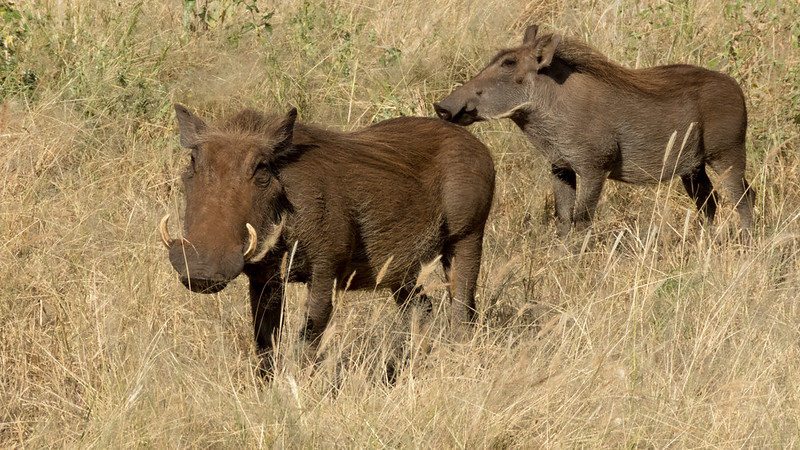
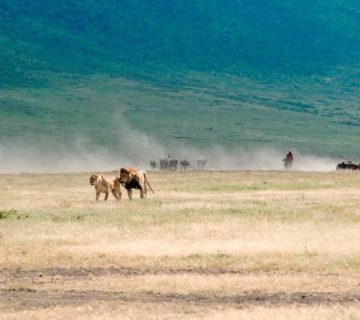
Prey species avoid lingering in areas where lions are known to hunt successfully, particularly dense cover offering ambush opportunities, meaning vegetation in these higher-risk zones experiences less sustained grazing pressure than open areas where prey feels safer. This uneven grazing pattern helps maintain a mosaic of different vegetation types across the wider landscape rather than uniform, heavily grazed terrain everywhere, benefiting numerous other species that depend on this habitat diversity.
Why Lions Help Regulate Mid-Sized Predator Populations Too
Beyond their direct effect on prey, lions exert top-down pressure on smaller predators like cheetahs and wild dogs, both of which lose kills to lions and occasionally lose cubs to direct predation, a dynamic that keeps mid-sized predator populations in check and prevents any single smaller predator species from becoming disproportionately dominant within a shared ecosystem. Our guide on lion versus hyena competition covers this same kind of interspecies pressure from a different angle, one of the savanna’s other major predator rivalries.
How Lion Kills Sustain the Scavenger Community
A single lion kill feeds far more than just the pride itself, with vultures, hyenas, jackals, and other scavengers all benefiting from the remains once a pride has finished feeding, meaning lion hunting activity underpins a considerable share of the broader scavenger community’s food supply across the ecosystem. Vultures in particular depend heavily on this carrion access, and declining lion populations in some regions have been linked to corresponding declines in scavenger species reliant on this same food source.
Why Removing Lions From an Ecosystem Triggers Cascading Effects
Research from ecosystems where large predator populations have collapsed shows the resulting consequences, unchecked herbivore population growth, overgrazing, and vegetation degradation, that ripple through an entire food web once the apex predator’s regulating influence disappears, a pattern ecologists refer to as trophic cascade. Documented examples from other ecosystems worldwide show how quickly and dramatically vegetation and smaller species populations can shift once a top predator is removed, underscoring how much invisible work an apex predator does simply by existing within a landscape.
How This Ecological Role Reinforces the Case for Lion Conservation
Beyond their considerable tourism value, lions’ structural ecological role provides an additional, science-based argument for their conservation, since protecting lion populations means protecting the broader ecosystem functions they help regulate, not simply preserving a single charismatic species in isolation. Our guide on how many lions remain in Africa covers the broader population decline this ecological role makes considerably more concerning, and our guide on how climate change affects lion populations covers an additional compounding pressure on the same ecological system.
Why Healthy Lion Populations Indicate a Healthy Wider Ecosystem
Given their position at the top of the food chain, thriving lion populations serve as a reliable indicator species for overall ecosystem health, since a stable apex predator population generally requires a correspondingly healthy, well-functioning prey base and habitat beneath it to sustain that stability over the long term. Conservationists track lion population trends partly for this reason, using them as a practical proxy for assessing the broader health of an entire protected ecosystem.
How This Ecological Understanding Enriches a Safari Experience
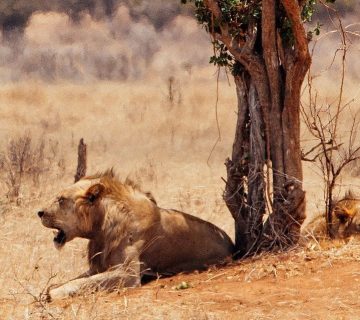
Understanding lions’ structural ecological role adds depth to observing a pride on safari, since a resting lion isn’t simply an impressive photo subject but an active participant in a considerably larger, interconnected system shaping the entire landscape around it. Our guide on how lion prides are structured covers more about the social system underlying this ecological role, connecting individual pride dynamics to the wider ecosystem-level effects covered throughout this guide.
Where to See This Ecological Dynamic Firsthand
Ecosystems with dense, well-studied lion populations offer the strongest opportunity to observe these dynamics directly, from tense predator standoffs over a kill to visibly cautious herbivore behaviour near known hunting grounds. Our guide on Serengeti lion safaris covers one of the best-studied examples of these ecological relationships playing out across an entire ecosystem, and our guide on Ngorongoro’s contained ecosystem offers a more compact, easily observed version of these same dynamics within a smaller total area.
How Lions Influence Migratory Herd Movement Patterns
Beyond localised grazing effects, predation pressure from lions and other large carnivores factors into the broader migratory herds’ movement decisions too, with herds generally avoiding lingering too long in any single high-predation-risk area, a behavioural pattern that contributes to the continuous circulating movement characteristic of ecosystems like the Serengeti-Mara. This interaction between predation risk and rainfall-driven grass growth represents one of the more complex, multi-factor dynamics shaping the timing and route of the wider migration itself.
Why Genetic Diversity Within Prey Populations Benefits From Predation Pressure
Beyond simply removing weaker individuals, sustained predation pressure creates ongoing evolutionary pressure favouring traits like speed, vigilance, and herd cohesion within prey populations, meaning lions’ presence shapes prey species’ evolution over many generations, not just the population size and behaviour of any single generation. This long-term evolutionary shaping represents one of the more subtle, easy-to-overlook consequences of apex predator presence within any given ecosystem.
How Buffalo and Other Large Herbivores Respond to Lion Presence
Buffalo herds in particular show pronounced behavioural adaptations in response to lion presence, including the well-documented defensive circle formations they adopt when directly threatened. Our guide on why buffalo herds form defensive circles covers this specific collective response in more depth, a genuine example of prey species evolving coordinated group strategies specifically in response to sustained lion predation pressure over many generations of shared ecological history.
Why This Ecological Understanding Matters for Conservation Planning
Conservation planners use this ecological understanding when designing protected area boundaries and corridors, since maintaining functional apex predator populations across a sufficiently large connected landscape matters more for overall ecosystem health than simply protecting isolated pockets of habitat without regard for the wider predator-prey relationships that landscape needs to sustain, a lesson that has reshaped conservation strategy across the region over recent decades.
Frequently Asked Questions
A few quick answers to the questions travelers ask most often about lions’ ecological role.
Do lions control herbivore population numbers?
Yes – selective predation of weaker individuals helps maintain a healthier overall prey population balance across the entire herd structure.
What is the “landscape of fear”?
It’s the way prey species change grazing behaviour in response to predation risk, shaping vegetation patterns across the wider ecosystem over time.
Do lions affect other smaller carnivore predator species?
Yes – lions exert consistent top-down pressure on cheetahs, wild dogs, and other mid-sized predators through competition and occasional direct predation.
What happens if lions disappear from an ecosystem?
Research shows this triggers cascading effects across the food web, including overgrazing and vegetation degradation, a pattern known as trophic cascade.
Does lion hunting benefit other species?
Yes – lion kills sustain a considerable share of the broader scavenger community, including vultures, hyenas, jackals, and other opportunistic feeders.
Ready to Plan Your African Safari?
Whether you’re fascinated by predator-prey dynamics, the landscape of fear, or simply want to see lions in their full ecological context within a thriving savanna ecosystem, our team can build a trip matched to your interests. Get in touch with our team below today and let’s start planning your complete African safari itinerary together.


No comment