
Do African Wild Dogs Really “Vote” Before a Hunt?
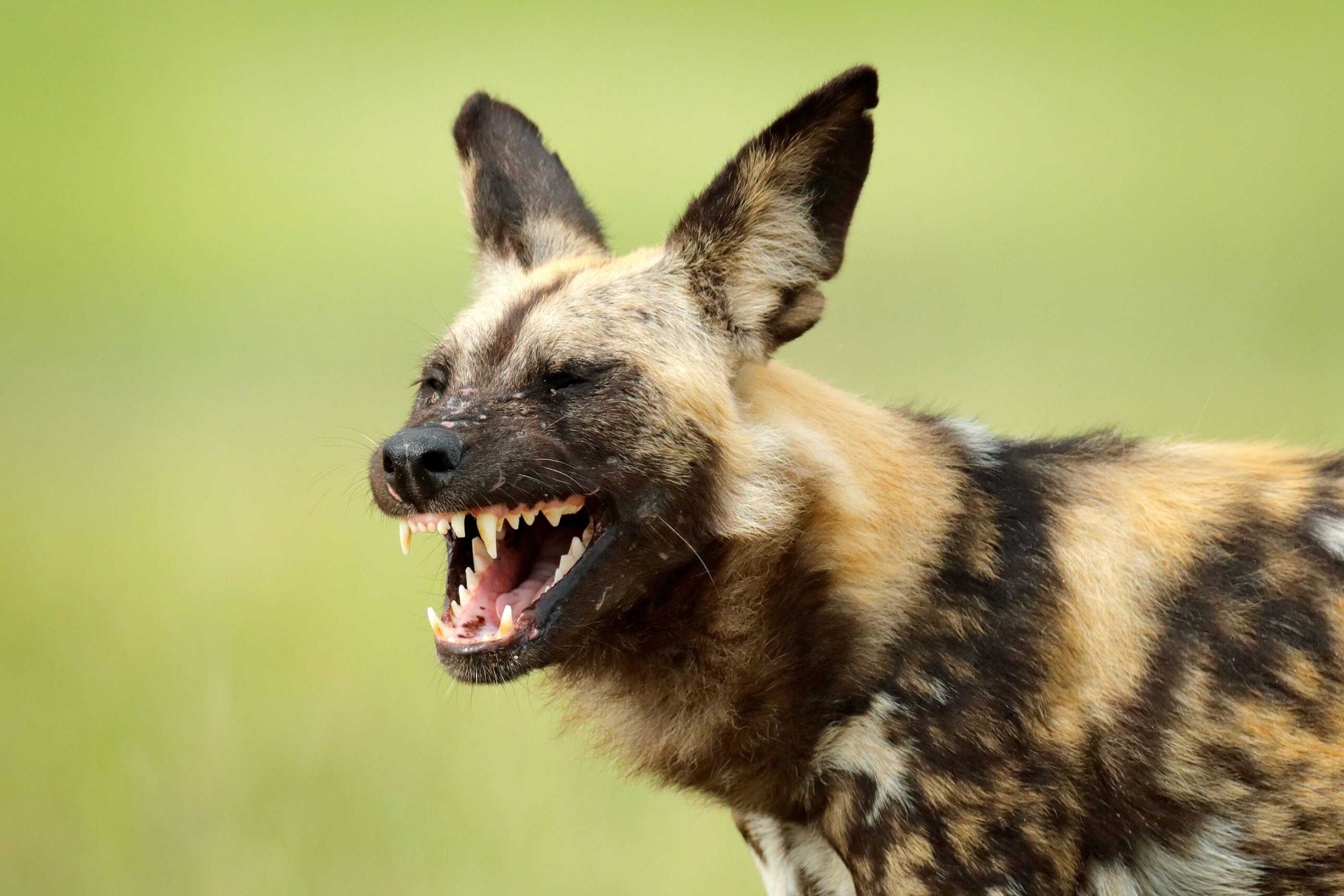
African wild dogs genuinely use a distinctive sneezing behaviour that functions much like a voting mechanism before deciding whether to launch a hunt, a discovery researchers made by tracking rally gatherings and finding that the number of audible sneezes exchanged within the pack genuinely predicts whether the group actually moves off to hunt afterward.
Why Researchers Genuinely Describe This Behaviour as a Voting Quorum
Field researchers studying wild dog pre-hunt rallies, social gatherings where pack members greet and stimulate each other before a potential hunt, genuinely documented that these rallies frequently include a distinctive sneezing sound from multiple individuals, and critically, found that hunts genuinely became measurably more likely to actually occur once the sneeze count within a rally crossed a specific threshold, a quorum-like pattern that led researchers to describe the behaviour using genuine voting terminology.
How Dominant Pack Members Genuinely Require Fewer Sneezes to Trigger a Hunt
The research genuinely found that when a dominant pack member initiated the rally, considerably fewer total sneezes were needed before the group committed to hunting compared to when a subordinate individual initiated, meaning social rank genuinely influences how much collective “buy-in” a hunting proposal requires, similar in underlying logic to how a suggestion from a recognised leader might carry more immediate weight within a human group decision-making process.
Why This Discovery Genuinely Reshaped Understanding of Wild Dog Social Decision-Making
Prior to this research, hunting decisions in social carnivores were genuinely assumed to follow either a strict dominance hierarchy or simple opportunistic triggering based on prey sighting alone, but the sneeze-quorum finding genuinely demonstrated a more democratic, threshold-based collective decision process operating within the pack, a genuinely significant contribution to broader research on collective decision-making across social animal species.
How the Sneeze Itself Genuinely Differs From an Ordinary Reflexive Sneeze
The sneezing behaviour documented during rallies genuinely appears to be a voluntary, communicative vocalisation rather than an involuntary reflexive response to nasal irritation, with individuals genuinely producing the sound specifically within the social rally context rather than randomly throughout the day, meaning researchers view the behaviour as genuinely functioning as intentional social signalling rather than an incidental physiological byproduct.
Why Wild Dog Pack Cohesion Genuinely Depends on This Kind of Collective Agreement
Given how much wild dog hunting success genuinely depends on full pack cooperation, since the species relies on coordinated group pursuit rather than solitary hunting, a genuine collective agreement mechanism like the sneeze quorum makes considerable ecological sense, ensuring the whole pack genuinely commits together rather than a hunt beginning with only partial participation that would undermine the cooperative strategy’s effectiveness.
How This Research Genuinely Connects to Broader Animal Collective Decision-Making Studies
The wild dog sneeze-voting discovery genuinely joins a small but growing body of research documenting quorum-based decision-making across various social species, including certain ant and bee colonies reaching collective decisions through comparable threshold mechanisms, meaning the wild dog finding genuinely contributes to a broader scientific understanding of how decentralised, threshold-based group decisions emerge across genuinely different branches of the animal kingdom.
Where to Observe Wild Dog Pack Behaviour in East Africa
African wild dogs are genuinely reliable to observe in specific pockets of East Africa, including areas near Murchison Falls, where resident packs remain, though the species’ considerable range and reduced population overall mean sightings genuinely require more dedicated tracking than more common predator species.
Best Time of Year for Wild Dog Viewing
Wild dogs are visible year-round given resident pack territories, though denning season can concentrate pack activity around a fixed location. See our regional best-time guide for how seasonal patterns generally affect wider game viewing.
Photographing Wild Dog Rally Behaviour
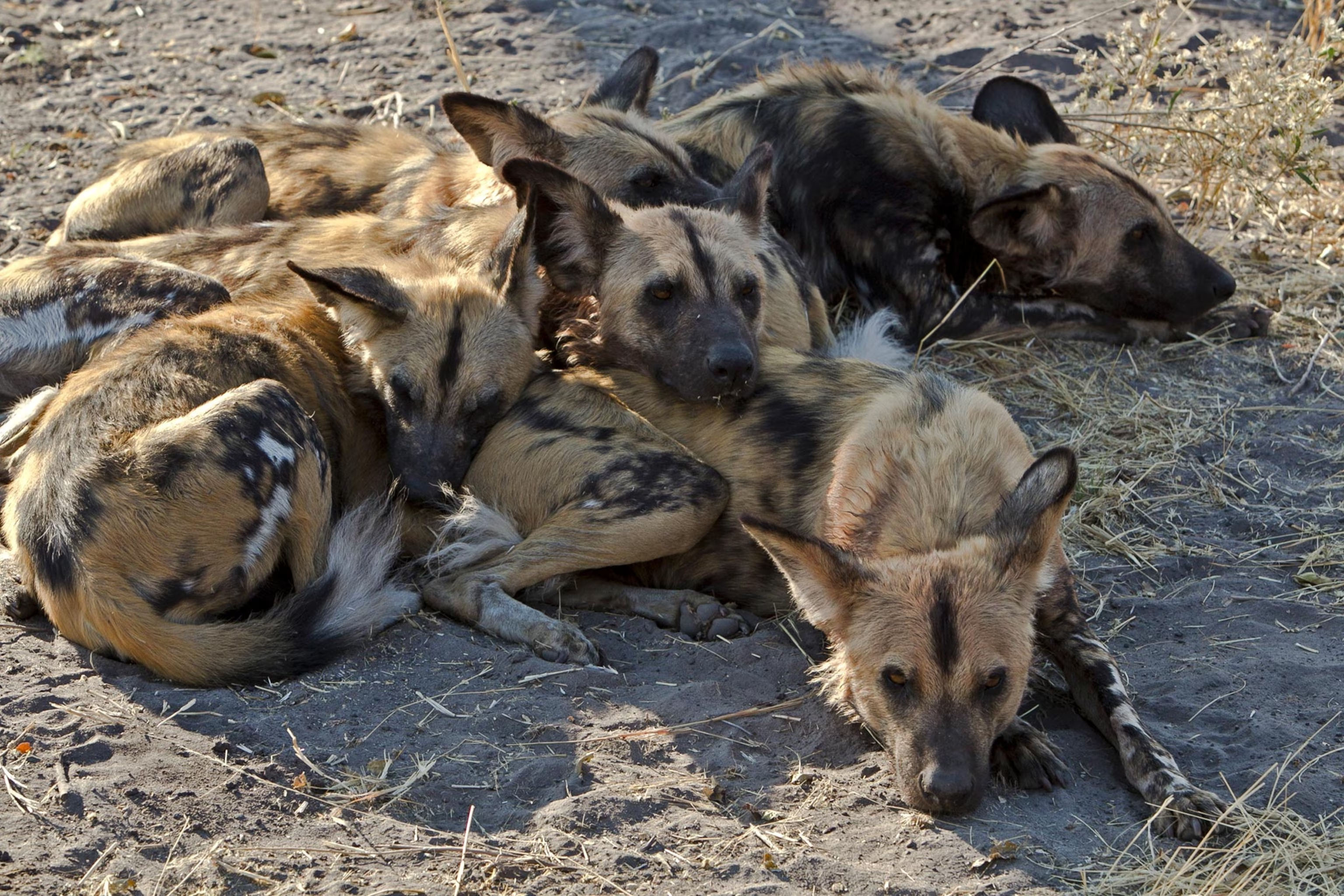
Capturing a pre-hunt rally, with pack members greeting and stimulating each other before a potential hunt, offers genuinely rich behavioural photography beyond a standard resting pack portrait. See our camera gear guide for broader equipment recommendations.
What to Pack for Wild Dog Tracking
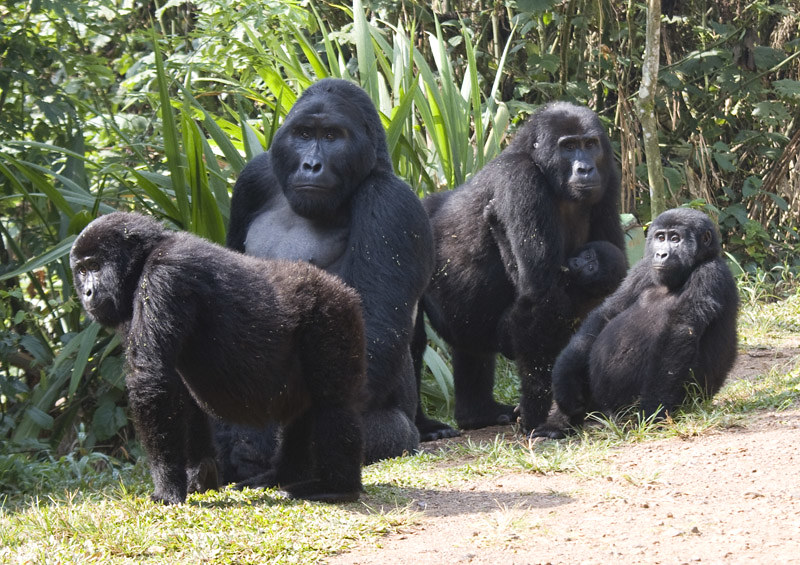
Standard game drive gear – neutral clothing, sun protection, and binoculars – covers most of what wild dog viewing requires. If your wider itinerary includes gorilla trekking, our gorilla trekking packing list covers that portion separately.
Why Wild Dog Conservation Status Genuinely Makes This Research Particularly Valuable
Given that African wild dogs genuinely rank among Africa’s most endangered large carnivores, with populations severely reduced across much of their historical range, understanding the precise social mechanisms underlying pack cohesion and hunting success genuinely carries direct conservation relevance, since maintaining sufficient pack size and social integrity for this kind of collective decision-making to function effectively becomes a genuine consideration in population management and habitat protection planning.
How Rally Behaviour Genuinely Extends Beyond Pre-Hunt Decision-Making Alone
Beyond the specific hunting-decision context, wild dog rallies genuinely serve broader social bonding functions too, with the same greeting and stimulation behaviour occurring at other points during the day unrelated to any imminent hunting decision, meaning the sneeze-counting quorum mechanism genuinely represents one specific, measurable application of a considerably broader social ritual the species relies on for overall pack cohesion.
Why Younger Pack Members Genuinely Participate in Rallies From an Early Age
Wild dog pups genuinely begin participating in pack rally behaviour well before reaching hunting age themselves, a form of early social integration that researchers believe helps young dogs learn the pack’s collective communication patterns before they’re old enough to meaningfully contribute to actual hunting decisions.
Comparing Wild Dog Collective Decision-Making to Lion Pride Hunting Coordination
Where lion prides coordinate hunting largely through visual positioning and individual role specialisation once a hunt begins, wild dogs genuinely add this additional pre-hunt collective agreement layer before any pursuit starts at all, a meaningfully different approach to cooperative predator decision-making that reflects the two species’ distinct social structures.
Why Guides Value Explaining This Research to Visitors
Given how genuinely remarkable and recently documented this behaviour is, experienced guides who track wild dog packs genuinely value explaining the sneeze-quorum research whenever a rally is observed, adding real scientific depth to what might otherwise look like simple pack excitement before a hunt.
Combining Wild Dog Viewing With a Wider Predator Circuit
Wild dog pack behaviour observation pairs naturally with a broader predator-focused itinerary, giving travelers genuine insight into one of Africa’s most socially sophisticated and endangered carnivore species.
Why This Voting Mechanism Genuinely Prevents Wasted Hunting Effort
Given how much energy a coordinated wild dog hunt genuinely demands from every participating pack member, a reliable pre-commitment mechanism like the sneeze quorum genuinely helps avoid the energy waste and reduced success rate a half-hearted, partially committed hunt would produce, meaning the behaviour genuinely serves a real practical efficiency function beyond simply being an interesting social curiosity.
How Researchers Actually Recorded and Analysed This Behaviour in the Field
The original research documenting this quorum behaviour genuinely relied on careful audio recording and detailed behavioural coding of numerous rally events across multiple wild dog packs, a methodologically demanding research approach that required distinguishing genuine communicative sneezes from background noise and correlating sneeze counts with actual subsequent hunting outcomes across a considerable number of observed rallies before the pattern could be confirmed with genuine statistical confidence.
Why This Finding Genuinely Adds to a Broader Pattern of Underestimated Carnivore Cognition
The sneeze-quorum discovery genuinely joins other recent findings, including documented hyena vocal complexity and lion individual recognition systems, that collectively suggest African carnivore social cognition genuinely runs considerably deeper than earlier research assumed, meaning wild dog voting behaviour represents one more piece of mounting evidence for genuinely sophisticated decision-making across the continent’s social predator species.
How Pack Size Genuinely Affects the Practical Function of This Voting System
Smaller wild dog packs, genuinely more vulnerable given the species’ considerable population decline across much of its range, likely face a somewhat different practical voting dynamic than the larger, more robust packs historical research often studied, since fewer available “voters” genuinely changes how quickly a quorum threshold can realistically be reached, a consideration researchers continue actively exploring as wild dog conservation efforts monitor increasingly fragmented, smaller pack populations.
Frequently Asked Questions
Do wild dogs really “vote” before deciding to hunt?
Researchers found a genuine quorum-like pattern – the number of sneezes exchanged during a pre-hunt rally predicts whether the pack actually goes on to hunt.
Does it matter who starts the sneezing?
Yes – fewer sneezes are needed to trigger a hunt when a dominant pack member initiates the rally compared to a subordinate.
Is the sneeze a normal reflexive sneeze?
Researchers believe it’s a voluntary, communicative vocalisation rather than an involuntary reflex, since it occurs specifically within the rally context.
Why does this collective decision-making matter for wild dogs specifically?
Their hunting success depends entirely on full pack cooperation, making a genuine collective agreement mechanism ecologically valuable.
Where can I see wild dog behaviour on safari?
Specific pockets of East Africa host resident packs, though sightings require more dedicated tracking than more common predator species.
Ready to Plan Your East Africa Safari?
Whether observing wild dog behaviour firsthand, wider predator viewing, or a full East Africa itinerary is your priority, our team can build a trip matched to your interests. Get in touch with our team below today and let’s start planning your complete safari itinerary together.

No comment