





Why Do Hyena Cubs Fight Each Other at Birth?
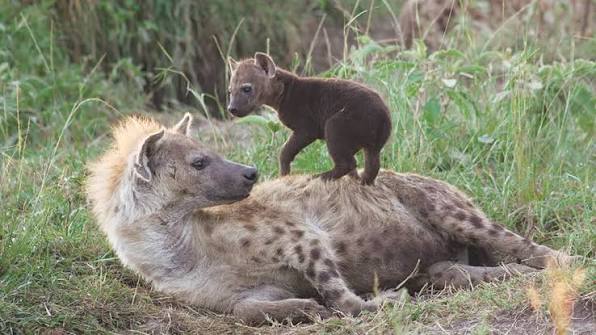
Spotted hyena cubs genuinely begin fighting each other within hours of birth, a behaviour researchers call siblicide aggression that establishes dominance rank between littermates so early that cubs are born with fully erupted teeth specifically adapted for this immediate, genuinely dangerous sibling competition.
Why Hyena Cubs Are Genuinely Born Physically Ready to Fight
Unlike most mammal newborns, spotted hyena cubs genuinely enter the world with eyes open, fully erupted canine teeth, and considerable neuromuscular coordination already in place, a genuinely advanced developmental state at birth that researchers directly link to the immediate need for physical sibling competition, since a cub born less physically capable would genuinely struggle to survive the fighting that typically begins within the first day of life.
How Same-Sex Littermates Genuinely Face the Most Intense Competition
Research into hyena sibling aggression has found fighting genuinely occurs most intensely between same-sex littermates, particularly among females, since same-sex siblings will eventually compete most directly for rank position within the clan’s matriarchal hierarchy, meaning the earliest sibling conflict genuinely previews the same rank competition these individuals would otherwise face later in life, just compressed into the first days after birth instead.
Why This Early Aggression Genuinely Determines Lifelong Social Rank
The outcome of early sibling fighting genuinely establishes a dominance relationship between littermates that typically persists for the rest of both individuals’ lives within the clan, meaning the winner of this initial neonatal conflict genuinely gains a lasting rank advantage over its sibling that continues shaping access to food, mating opportunity, and general clan status well into adulthood, a remarkably durable outcome from conflict occurring so early in life.
How Maternal Milk Production Genuinely Adds Real Stakes to This Competition
Beyond rank establishment, sibling fighting genuinely determines which cub gains preferential access to maternal milk, and because hyena milk is genuinely among the richest and most nutrient-dense of any land mammal, winning this early competition provides a considerable genuine nutritional advantage that compounds over the following weeks, meaning the fighting outcome genuinely affects physical development, not just eventual social rank alone.
Why Mortality From This Sibling Conflict Genuinely Occurs in Some Litters
In litters where resource competition proves genuinely severe, particularly during periods of food scarcity affecting the mother’s milk production, sibling aggression can genuinely escalate to the point of causing a weaker cub’s death, a documented outcome researchers describe as siblicide, meaning the earliest days of a hyena cub’s life genuinely carry real survival stakes considerably higher than most other mammal species experience during comparable early development.
How Researchers Believe This Behaviour Genuinely Evolved
Evolutionary biologists studying hyena reproduction believe this intense early sibling competition genuinely evolved as a mechanism for rapidly and efficiently establishing rank without the prolonged uncertainty and repeated conflict that might otherwise persist across years of shared clan life, meaning the considerable early-life cost genuinely trades off against reduced ongoing conflict later, a difficult but evolutionarily coherent strategy given the clan’s genuinely strict hierarchical social structure.
Where to Observe Hyena Clan Behaviour in East Africa
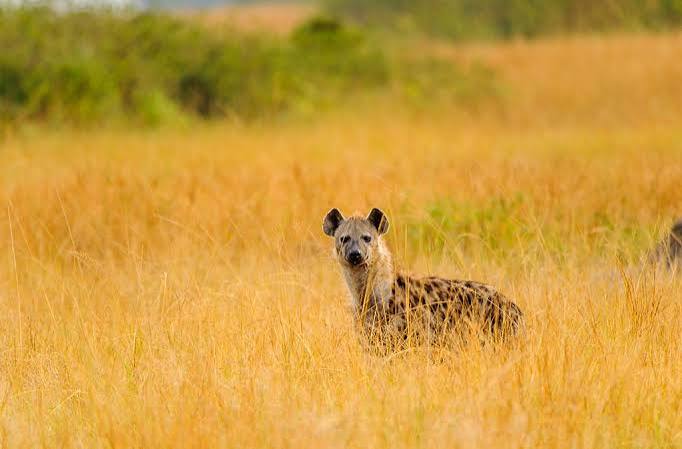
Hyena clans with observable cub-rearing activity are genuinely reliable to see across Queen Elizabeth National Park and the broader Serengeti-Mara ecosystem, though the earliest neonatal fighting itself typically occurs within the concealment of the den, making direct observation genuinely rare.
Best Time of Year for Hyena Clan Viewing
Hyenas are visible year-round given resident clan territories. See our regional best-time guide for how seasonal patterns generally affect wider game viewing.
Photographing Hyena Cub and Clan Behaviour
Capturing cubs at a den site, or the broader clan’s social interaction, offers genuinely rich behavioural photography beyond a standard resting portrait. See our camera gear guide for broader equipment recommendations.
What to Pack for Predator-Focused Game Drives
Standard game drive gear – neutral clothing, sun protection, and binoculars – covers most of what hyena clan viewing requires. If your wider itinerary includes gorilla trekking, our gorilla trekking packing list covers that portion separately.
Why Female Dominance Within Hyena Clans Genuinely Connects Directly to This Early Behaviour
Given that female hyenas genuinely hold higher average clan rank than males, and rank position typically traces directly back to outcomes established during this early sibling competition, female cub conflict genuinely carries even higher long-term stakes than male sibling conflict, since the ultimate rank a female cub secures through early fighting will shape her entire adult reproductive and social trajectory within the matriarchal clan structure.
How Litter Size Genuinely Affects the Severity of Sibling Competition
Hyena litters genuinely typically consist of just one to two cubs, a comparatively small litter size that researchers believe partly reflects the intensity of this early competition, since a smaller litter genuinely concentrates maternal resources and fighting stakes between fewer individuals rather than diluting the competition across a larger group the way considerably larger litters in other carnivore species often do.
Why This Behaviour Genuinely Surprises Most First-Time Visitors
Given how playful and social young mammals generally appear in most other African species, the genuine intensity of hyena sibling conflict, beginning within hours of birth, considerably surprises most first-time visitors who learn about the behaviour, adding real depth to understanding just how uniquely structured and competitive hyena clan society genuinely is compared to most other social carnivores.
Comparing Hyena Sibling Competition to Other African Predator Cub Dynamics
Where lion cubs genuinely benefit from considerably more cooperative, communal pride-based rearing with less intense early sibling conflict, hyena cubs face a genuinely much harsher, more individually competitive start to life, a meaningful behavioural contrast between two of Africa’s most prominent social predator species.
Why Guides Value Explaining This Behaviour to Visitors
Given how rarely visitors witness hyena cub behaviour directly given its concealed den-based timing, experienced guides genuinely value explaining the species’ remarkable early-life competition whenever the topic arises, adding real appreciation for just how demanding hyena clan life genuinely is from the very earliest hours of an individual’s existence.
Combining Hyena Clan Viewing With a Wider Predator Circuit
Hyena clan behaviour viewing pairs naturally with a broader predator-focused itinerary, giving travelers genuine insight into East Africa’s varied predator social structures and reproductive strategies.
Why Elevated Testosterone Exposure Genuinely Shapes Female Cub Aggression Before Birth
Researchers studying spotted hyena reproductive biology have found female cubs genuinely experience unusually high prenatal testosterone exposure compared to most other female mammals, a hormonal condition that directly contributes to the considerable physical aggression and even genuinely masculinised genitalia female cubs display from birth, meaning the intense sibling fighting behaviour is genuinely rooted in measurable prenatal hormonal biology rather than purely environmental or learned aggression.
How This Hormonal Adaptation Genuinely Connects to Broader Female Dominance
This same elevated prenatal testosterone exposure that fuels early sibling aggression genuinely continues shaping female hyena behaviour and physical development throughout life, contributing directly to the considerable size and aggression advantage females maintain over males within the clan’s broader vocal and social hierarchy, meaning the neonatal fighting behaviour represents just the earliest visible expression of a hormonal pattern shaping the entire female lifespan.
Why Twin Litters Genuinely Experience the Most Dramatic Version of This Conflict
Given how frequently hyena litters genuinely consist of exactly two cubs, twin litters represent the most commonly studied and dramatic expression of this sibling competition, since the fighting genuinely resolves into a clear, direct winner-loser relationship between just two individuals rather than the more diffuse competition a larger litter size, more typical of species like baboon reproduction, would otherwise produce.
How This Early Aggression Compares to Rank Establishment in Other Matriarchal Societies
Where elephant matriarchal leadership develops gradually over decades through accumulated experience and family trust, hyena rank establishment genuinely compresses an entire lifetime’s worth of hierarchy determination into the first days of life, a striking contrast between two of Africa’s most prominent female-led social species and how dramatically differently each has evolved to establish internal social order.
Frequently Asked Questions
Do hyena cubs really fight each other from birth?
Yes, genuinely so – siblicide aggression begins within hours of birth, and cubs are born with fully erupted teeth specifically suited to this early competition.
Why does this early fighting matter so much long-term?
The outcome typically establishes a dominance relationship between littermates that persists for the rest of both individuals’ lives within the clan.
Can this sibling conflict actually be fatal?
In some litters, particularly during food scarcity, aggression can escalate to the point of causing a weaker cub’s death.
Why is competition most intense between same-sex siblings?
They’ll eventually compete most directly for rank position within the clan’s hierarchy, so the early conflict previews that later competition.
Can I observe this behaviour on safari?
It’s genuinely rare to witness directly since it typically occurs within the concealment of the den during the earliest days of life.
Ready to Plan Your East Africa Safari?
Whether observing hyena clan behaviour firsthand, wider predator viewing, or a full East Africa itinerary is your priority, our team can build a trip matched to your interests. Get in touch with our team below today and let’s start planning your complete safari itinerary together.





No comment