




Oxpecker birds genuinely provide large mammals including buffalo, giraffe, and rhino with a real pest-control service, picking ticks and other parasites directly off the skin, while also serving as an early-warning alarm system, a mutually beneficial relationship researchers have studied in considerable detail to understand exactly how much each partner genuinely gains from the arrangement.
Why Ticks Genuinely Form the Core of the Oxpecker’s Diet
Oxpeckers genuinely feed extensively on ticks and other external parasites found on large mammal hosts, with a single bird capable of consuming considerable numbers of ticks daily, meaning the relationship genuinely provides direct nutritional benefit to the oxpecker while simultaneously reducing the parasite burden, and associated blood loss and irritation, the host animal would otherwise carry.
How Oxpeckers Genuinely Function as an Early-Warning System for Their Hosts
Beyond parasite removal, oxpeckers genuinely react with loud, distinctive alarm calls and sudden flight when a predator or other threat approaches, a reaction the host mammal genuinely learns to recognise and respond to, meaning the birds’ presence provides a real supplementary vigilance benefit alongside the host’s own senses, particularly valuable for species like rhino with comparatively weaker eyesight relative to their other senses.
Why Researchers Have Found This Relationship Is Genuinely More Complicated Than Pure Mutualism
Detailed field research has genuinely revealed the relationship isn’t purely beneficial to the host in every respect, since oxpeckers have been documented pecking at and enlarging open wounds to feed on blood directly, meaning the relationship genuinely sits somewhere between mutual benefit and mild parasitism depending on specific circumstances, a nuance considerably more complex than the simple, purely cooperative partnership often described in popular accounts.
How Oxpeckers Genuinely Select Which Host Species to Associate With
Oxpeckers genuinely show some preference for hosts carrying heavier tick loads and thicker, coarser hair that provides more secure perching, meaning species like buffalo and rhino, both heavily tick-burdened and hosting genuinely coarse hair or hide, tend to attract more consistent oxpecker attention than smoother-coated species that offer less secure footing and typically carry a lighter parasite load to begin with.
Why Two Distinct Oxpecker Species Genuinely Occupy Slightly Different Niches
East Africa genuinely hosts both red-billed and yellow-billed oxpecker species, and while both feed on similar hosts, researchers have found subtle differences in feeding technique and preferred host species between the two, meaning the broader oxpecker-mammal relationship genuinely involves more ecological nuance than a single uniform partnership applying identically across every documented interaction.
How Host Mammals Genuinely Tolerate, and Sometimes Actively Encourage, Oxpecker Presence
Large mammals genuinely tolerate oxpeckers landing and moving across their bodies in a way they wouldn’t accept from most other birds, and some species have been observed adjusting posture or standing still specifically to allow easier oxpecker access to hard-to-reach areas like the ears or under the tail, a behavioural accommodation that suggests genuine recognition of the birds’ pest-control benefit rather than simple passive tolerance alone.
Where to Observe Oxpecker-Mammal Symbiosis in East Africa
Oxpeckers are genuinely reliable to observe across buffalo herds and rhino populations throughout the Serengeti-Mara ecosystem, offering genuine close-range viewing of the relationship in action.
Best Time of Year for Oxpecker Viewing
Oxpeckers are visible year-round given their close association with resident large mammal populations. See our regional best-time guide for how seasonal patterns generally affect wider game viewing.
Photographing Oxpecker Behaviour
Capturing oxpeckers actively foraging across a buffalo or rhino’s hide offers genuinely engaging behavioural photography beyond a standard mammal portrait alone. See our camera gear guide for broader equipment recommendations.
What to Pack for Big Five-Focused Game Drives
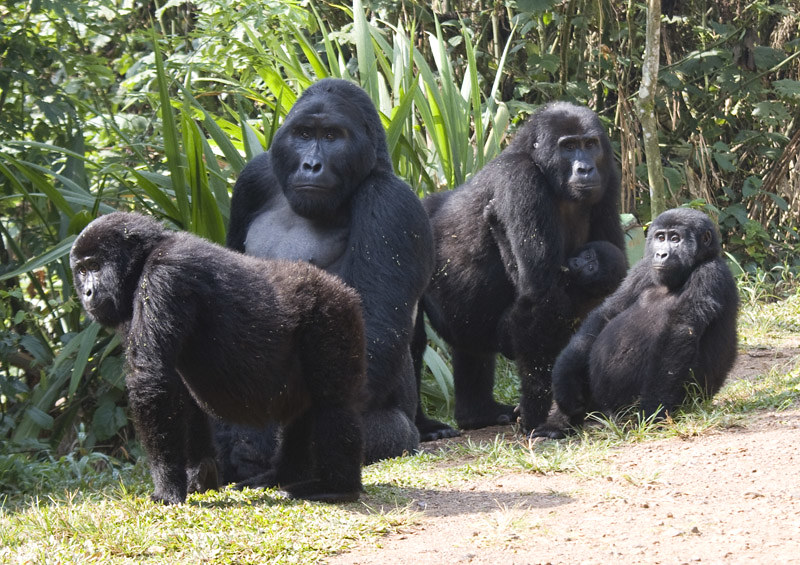
Standard game drive gear – neutral clothing, sun protection, and binoculars – covers most of what oxpecker viewing requires. If your wider itinerary includes gorilla trekking, our gorilla trekking packing list covers that portion separately.
Why Oxpecker Population Health Genuinely Reflects Broader Ecosystem Condition
Because oxpecker survival depends so directly on healthy populations of large mammal hosts, researchers genuinely use oxpecker presence and population trends as one useful indirect indicator of broader ecosystem and megafauna population health, meaning the species’ own conservation status genuinely serves a secondary function as an ecological health signal beyond its direct pest-control value.
How This Relationship Compares to Other African Wildlife Symbiotic Partnerships
Similar cleaning partnerships exist across other species combinations, though the oxpecker-mammal relationship remains one of the most visually obvious and thoroughly studied examples of this kind of interaction documented in East Africa, offering visitors a genuinely accessible, easily observed illustration of ecological symbiosis in action.
Why Domestic Livestock Sometimes Genuinely Attract Oxpeckers Too
Beyond wild mammal hosts, oxpeckers genuinely sometimes forage on domestic cattle grazing near protected area boundaries, extending the same tick-removal service to livestock, an interaction that has occasionally drawn interest from agricultural researchers exploring whether the relationship might offer practical pest-management value for livestock farming, though wild megafauna genuinely remain the species’ primary and preferred host base.
Why Guides Value Explaining This Relationship to Visitors
Given how visually obvious yet often underexplained oxpecker behaviour is during a standard game drive, experienced guides genuinely value explaining the full nuance behind the relationship, including its more complicated wound-feeding aspect, adding real appreciation for a genuinely more layered ecological interaction than the simple mutual-benefit story often told.
Combining Oxpecker Viewing With a Wider Big Five Circuit
Oxpecker-mammal symbiosis observation pairs naturally with a broader Big Five itinerary, giving travelers genuine ecological depth alongside the standard sighting.
How Oxpecker Foraging Behaviour Genuinely Reveals Something About Herd Health
Experienced trackers sometimes genuinely use oxpecker concentration and activity level as an indirect indicator of a particular herd’s overall tick burden and health status, since noticeably heavier oxpecker attention on a specific individual or group can genuinely signal elevated parasite load, information that occasionally proves useful to researchers monitoring wildlife health alongside more direct methods like those used to track elephant family condition more broadly.
Why Rhino Conservation Efforts Genuinely Consider Oxpecker Presence a Positive Sign
Given the alarm-call benefit oxpeckers provide, conservationists working with rhino populations genuinely view healthy oxpecker association as a positive sign for anti-poaching efforts too, since the birds’ alarm reaction to human approach can occasionally alert a rhino, and by extension nearby rangers monitoring the area, to unauthorised human presence well before visual or auditory detection would otherwise occur.
How Oxpecker Feeding Behaviour Genuinely Differs Between Ear, Nostril, and Wound Sites
Oxpeckers genuinely target different body regions with different feeding techniques, gently probing ears and nostrils for smaller parasites while feeding more aggressively at wound sites or areas with heavier tick concentration, meaning the birds’ overall foraging pattern across a single host genuinely reflects a considered, location-specific feeding strategy rather than random, undifferentiated pecking across the entire body surface.
Why Young Mammals Genuinely Receive Somewhat Different Oxpecker Attention Than Adults
Given their thinner, more delicate skin, young mammals genuinely receive somewhat more cautious oxpecker attention than fully grown adults, with birds generally favouring the tougher hide of mature animals for more aggressive feeding, meaning the relationship’s more parasitic wound-feeding aspect genuinely concentrates disproportionately on adult hosts better able to tolerate the associated tissue disturbance.
Why This Symbiosis Occasionally Extends to Species Beyond the Usual Hosts
Beyond buffalo, rhino, and giraffe, oxpeckers have occasionally been observed foraging on other large mammal species too, including hippo that spend time out of water, showing the relationship genuinely isn’t strictly limited to a small fixed list of preferred hosts but rather extends opportunistically to whichever suitable large mammal happens to be available and tolerant of the birds’ presence.
Why This Relationship Genuinely Demonstrates Evolution Shaped by Behaviour, Not Just Environment
Unlike adaptations driven purely by physical habitat pressure, the oxpecker-mammal relationship genuinely represents a case where behavioural interaction between two entirely different species has shaped each partner’s evolutionary trajectory, meaning oxpecker biology genuinely can’t be fully understood in isolation from the large mammal hosts it depends on, and vice versa, illustrating how deeply interconnected evolutionary pressures can become between unrelated species sharing a consistent ecological relationship.
Frequently Asked Questions
What do oxpeckers actually eat?
Primarily ticks and other external parasites found on large mammal hosts, along with some blood from open wounds.
Is the oxpecker relationship purely beneficial to the host?
Not entirely – research has found oxpeckers sometimes enlarge open wounds to feed directly on blood, complicating the purely mutual-benefit story.
Do oxpeckers really warn mammals of approaching danger?
Yes, genuinely so – their loud alarm calls and sudden flight reactions provide a real supplementary vigilance benefit hosts learn to recognise.
Which mammals attract the most oxpecker attention?
Species with heavier tick loads and coarser hair or hide, like buffalo and rhino, tend to attract more consistent attention.
Where can I see oxpecker behaviour on safari?
Buffalo herds and rhino populations throughout the Serengeti-Mara ecosystem offer genuine close-range viewing opportunities.
Ready to Plan Your East Africa Safari?
Whether observing oxpecker behaviour firsthand, wider Big Five viewing, or a full East Africa itinerary is your priority, our team can build a trip matched to your interests. Get in touch with our team below today and let’s start planning your complete safari itinerary together.



No comment