



Why Do Lions Live in Prides But Tigers Don’t?
Lions genuinely evolved pride living specifically because Africa’s open savannah habitat rewards cooperative hunting of large, herding prey and coordinated territorial defence, while tigers remain solitary because their considerably denser forest habitat and more dispersed, individually huntable prey base genuinely make group living an unnecessary cost rather than a survival advantage.
Why Open Savannah Habitat Genuinely Favours Cooperative Living
Lions evolved within Africa’s open grassland and savannah ecosystems, habitat where large prey herds, wildebeest, zebra, and buffalo, genuinely congregate in considerable numbers across visible, open terrain, and this environment genuinely rewards group hunting since multiple lionesses coordinating together can bring down prey too large or dangerous for any single individual, while the same open terrain also makes cooperative territorial defence against rival prides genuinely more practical than it would be in denser, more visually obstructed habitat.
Why Tiger Habitat Genuinely Makes Group Living Considerably Less Advantageous
Tigers evolved primarily within dense forest and jungle habitat across Asia, considerably more visually obstructed terrain where large, cooperative group hunts genuinely become impractical, since dense vegetation prevents the kind of coordinated multi-individual positioning lion prides rely on across open savannah, meaning a solitary ambush strategy genuinely suits tiger habitat far better than any cooperative alternative would.
How Prey Type Genuinely Shapes Which Hunting Strategy Makes Sense
Lions genuinely target large, herding prey species that congregate in considerable numbers across open terrain, prey that specifically rewards coordinated group hunting tactics, while tigers genuinely hunt more solitary or smaller-group prey species, including deer and wild boar, dispersed across dense forest terrain in a pattern that doesn’t offer the same cooperative hunting advantage lions gain from Africa’s large, concentrated herding prey base.
Why Territorial Defence Genuinely Differs Between the Two Species
A lion pride’s shared territory genuinely requires active, ongoing defence against rival prides and nomadic males seeking to take over, and cooperative group defence, multiple lionesses and resident males working together, genuinely proves more effective at holding valuable open-terrain territory than any single individual could manage alone, while tiger territories, considerably more defined by scent marking across dense forest boundaries, don’t face the same kind of direct, visible confrontational pressure from rival groups that open savannah territorial disputes create.
How Cub-Rearing Genuinely Benefits From Pride Cooperation in a Way Tiger Motherhood Doesn’t Require
Lion prides genuinely practice communal cub-rearing, with multiple related lionesses nursing and protecting cubs collectively, a cooperative arrangement that provides genuine survival advantage on open, exposed savannah terrain where cubs face considerable predation risk from hyena and other lion, while tiger cubs, raised by a solitary mother within considerably denser, more concealing forest cover, don’t face the same open-terrain exposure risk that makes lion cooperative cub-rearing so genuinely valuable.
Why Male Coalition Behaviour Genuinely Differs Between Lion and Tiger
Male lions genuinely form coalitions, often brothers, that cooperate to take over and defend a pride territory together, a cooperative male strategy that provides genuine advantage when competing against rival coalitions for control of valuable open-terrain pride territory, while male tigers, holding considerably more dispersed individual forest territories overlapping with multiple females rather than a single defended pride, genuinely have no comparable cooperative incentive structure driving coalition formation.
Where to Observe Lion Pride Social Structure in East Africa
Well-studied lion prides displaying full cooperative pride behaviour are genuinely reliable to observe across the Serengeti-Mara ecosystem and Queen Elizabeth National Park.
Best Time of Year for Lion Pride Viewing
Lions are visible year-round given resident pride territories, though migration season concentrates prey and correspondingly increases visible hunting activity. See our regional best-time guide for how seasonal patterns generally affect wider game viewing.
Photographing Lion Pride Social Behaviour
Capturing communal cub care, coalition male bonding, or coordinated pride movement offers genuinely rich behavioural photography opportunities beyond a standard resting portrait. See our camera gear guide for broader equipment recommendations.
What to Pack for Predator-Focused Game Drives
Standard game drive gear – neutral clothing, sun protection, and binoculars – covers most of what pride viewing requires. If your wider itinerary includes gorilla trekking, our gorilla trekking packing list covers that portion separately.
Why Lion Are the Only Genuinely Social Big Cat Species Globally
Among all of the world’s big cat species, lions genuinely stand alone as the only consistently social species maintaining true group living year-round, with every other big cat, tiger, leopard, jaguar, cheetah, and snow leopard, living solitarily outside of brief mating encounters or a mother raising dependent young, meaning lion pride behaviour genuinely represents a unique evolutionary outcome rather than one variation within a broader pattern of big cat social living.
How Researchers Believe This Difference Evolved Over Time
Evolutionary biologists studying big cat social structure believe lion sociality genuinely emerged as a direct adaptive response to the specific ecological pressures of open African savannah habitat, meaning pride living isn’t simply an ancestral trait retained by lions and lost by other cats, but rather a genuinely specialised adaptation that developed specifically because savannah conditions rewarded it in a way forest and jungle habitat elsewhere simply didn’t for other big cat lineages.
Why This Comparison Genuinely Helps Visitors Understand Lion Behaviour Better
Understanding why lions specifically evolved pride living, rather than simply accepting it as an unexplained quirk, genuinely helps visitors better interpret behaviour they observe on safari, from coordinated hunting formations to communal cub care to coalition male bonding, connecting each specific behaviour back to the underlying open-savannah ecological pressures that originally shaped it.
Comparing Lion Pride Dynamics to Cheetah’s More Solitary Structure
Despite sharing the same African savannah habitat as lions, cheetahs remain considerably more solitary, a genuine divergence explained by the cheetah’s specialised, lightly built body optimised purely for speed rather than the close-contact strength cooperative hunting and defence would require, showing that even within the same shared ecosystem, different physical specialisations genuinely lead to very different social outcomes.
Why Guides Value Explaining This Comparison to Visitors
Given how often visitors assume all big cats share broadly similar social behaviour, experienced guides genuinely value explaining why lions specifically evolved pride living while every other big cat species remained solitary, adding real ecological context to what might otherwise seem like an arbitrary behavioural difference.
Combining Lion Pride Viewing With a Wider Predator Circuit
Lion pride social behaviour viewing pairs naturally with a broader predator-focused itinerary covering leopard and cheetah sightings within the same overall trip, giving travelers genuine insight into East Africa’s varied big cat social structures.
Why Lion Mane Growth Genuinely Ties Directly Into This Social System
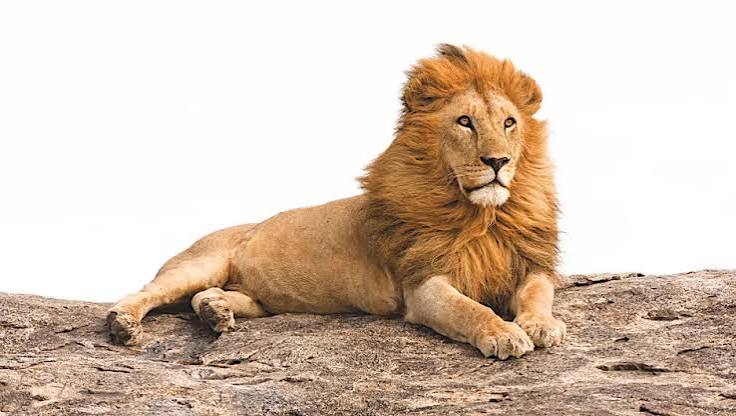
The prominent mane male lions grow, a trait unique among big cats, genuinely evolved specifically to signal fitness and dominance within the competitive coalition-and-pride social system, functioning as a visible marker rival males and potential mates can assess at a distance, and researchers studying mane variation across populations have found the trait’s prominence correlates closely with the specific social pressures a given population’s pride structure creates, a genuinely direct evolutionary link between social living and the species’ most visually distinctive physical feature.
How Roaring Genuinely Serves the Pride System in a Way Tiger Vocalisation Doesn’t Need To
Lions genuinely produce their famous roar specifically to communicate across considerable distance with other pride members and warn rival prides away from held territory, a long-range vocal communication system that makes direct sense for a species coordinating group movement and defending shared territorial boundaries, while tigers, lacking this same coordination need, use vocalisation considerably less for this specific long-range group-coordination purpose.
Why This Difference Genuinely Shapes How Each Species Experiences Old Age
An aging lion, no longer able to compete effectively within pride or coalition dynamics, genuinely faces a considerably harsher decline, often pushed out entirely and forced into a solitary, resource-scarce existence, while an aging solitary tiger simply continues its established individual territory and hunting pattern without the same social displacement risk, meaning the pride system that provides such considerable cooperative advantage during a lion’s prime years genuinely becomes a liability once an individual can no longer keep pace with the group’s competitive demands.
Frequently Asked Questions
Why are lions the only social big cat species?
Their open savannah habitat and large, herding prey genuinely reward cooperative hunting and territorial defence in a way no other big cat’s habitat does.
Why don’t tigers live in groups like lions?
Dense forest habitat makes coordinated group hunting impractical, and their more dispersed prey doesn’t offer the same cooperative advantage.
Do all lions live in prides?
The overwhelming majority do, though some nomadic males live solitarily or in small coalitions before establishing or joining a pride.
Why do lion cubs benefit from communal rearing?
Open, exposed savannah terrain creates considerable predation risk, and cooperative nursing and protection genuinely improves cub survival odds.
Where can I see lion pride behaviour on safari?
The Serengeti-Mara ecosystem and Queen Elizabeth National Park both offer strong, well-studied resident pride populations.
Ready to Plan Your East Africa Safari?
Whether observing lion pride behaviour firsthand, wider predator viewing, or a full East Africa itinerary is your priority, our team can build a trip matched to your interests. Get in touch with our team below today and let’s start planning your complete safari itinerary together.



No comment