





How Do Crocodiles Communicate?
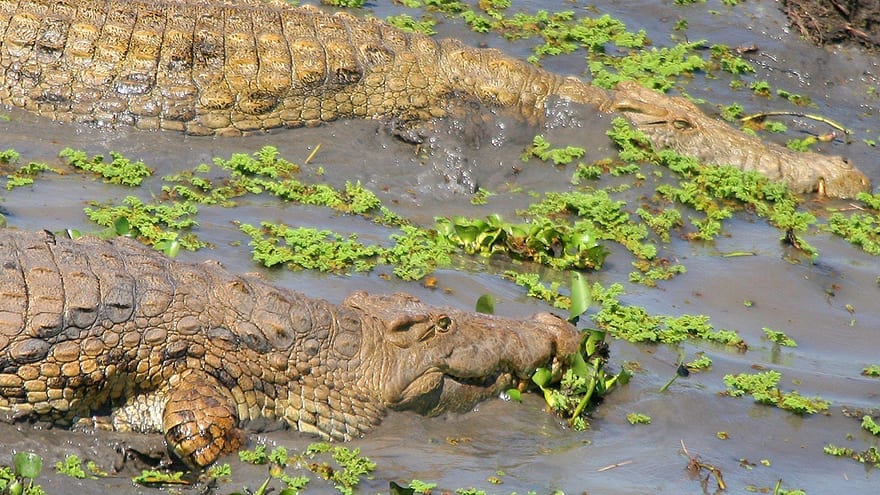
Nile crocodiles genuinely communicate through a surprisingly varied combination of bellowing calls, jaw-slapping, infrasonic vibrations, and even underwater “dancing” displays during breeding season, a communication repertoire considerably more sophisticated than the largely silent, purely predatory reputation most visitors bring to a first crocodile sighting.
The Genuine Purpose Behind a Crocodile’s Bellowing Call
Adult crocodiles genuinely produce a deep, resonant bellowing call primarily during breeding season, used to advertise territory and attract potential mates, and researchers have found this call carries considerably further across water than through air, meaning crocodiles have genuinely evolved a vocalisation specifically optimised for their aquatic environment rather than simply adapting a generic land-based call to water.
How Infrasonic Vibrations Add a Genuinely Hidden Communication Layer
Beyond audible bellowing, crocodiles genuinely produce low-frequency infrasonic vibrations below the range of human hearing, created by rapidly vibrating specific body muscles while partially submerged, causing the water’s surface directly above the crocodile to visibly dance and ripple in a phenomenon researchers call the “water dance,” a genuinely striking visual display that signals reproductive readiness to other crocodiles across considerable distance, entirely independent of any audible sound a human observer could actually perceive standing on the riverbank nearby.
Why Jaw-Slapping Serves a Genuinely Different Communication Purpose
Crocodiles genuinely slap their jaws against the water’s surface as a distinct signal separate from bellowing, a behaviour researchers believe functions primarily as a territorial warning or dominance display rather than a mating call, meaning the specific type of vocal or physical signal a crocodile produces genuinely varies based on context, mating advertisement, territorial warning, or simple presence announcement, rather than relying on one single all-purpose call.
How Hatchlings Genuinely Communicate With Their Mother Before Even Hatching
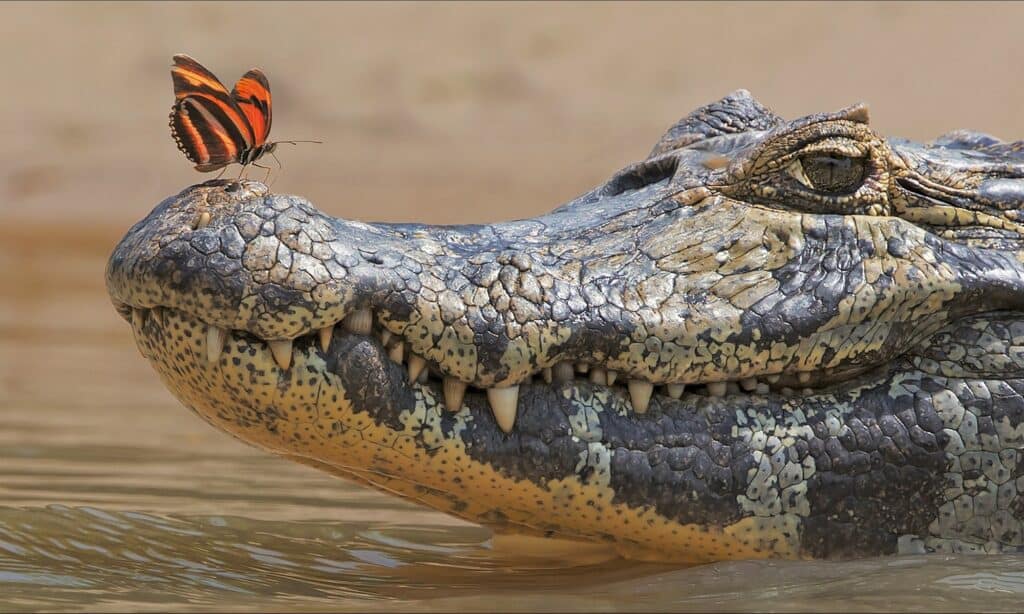
Crocodile hatchlings genuinely begin vocalising while still inside the egg shortly before hatching, producing a distinctive high-pitched chirping sound that alerts the mother, still guarding the nest, to begin excavating and assisting the hatching process, a genuinely remarkable pre-hatching communication behaviour that triggers real, coordinated maternal action before a single hatchling has physically emerged from its shell.
Why Maternal Care Continues Well Beyond Hatching
Once hatchlings emerge, a mother crocodile genuinely continues responding to their distress calls for several weeks, sometimes carrying vulnerable hatchlings in her mouth to safer water when they call out in danger, a genuinely attentive maternal behaviour that contradicts the species’ popular reputation as an entirely cold, purely instinctive predator with no meaningful parental investment beyond simply guarding a nest site.
How Crocodiles Use Body Posture Alongside Vocal Signals
Beyond sound, crocodiles genuinely communicate through visible body posture, including raising the head and tail simultaneously out of the water in a display researchers call the “high walk” or head-and-tail arch, a visual signal of dominance or territorial presence that other crocodiles in the immediate area genuinely recognise and typically respond to by giving way rather than risking direct confrontation.
Where to Observe Crocodile Communication Behaviour in East Africa
Dense crocodile populations along Murchison Falls’ Nile stretch and Kenya’s Mara River, alongside basking populations documented during migration season, both offer genuine opportunities to observe bellowing, jaw-slapping, and territorial display behaviour, particularly during breeding season concentrations.
Best Time of Year for Crocodile Communication Viewing
Crocodile breeding season, when bellowing, water dancing, and territorial displays peak, offers the most active communication behaviour to observe. See our regional best-time guide for how seasonal patterns generally affect wider game viewing.
Photographing Crocodile Display Behaviour
Capturing the head-and-tail arch display or jaw-slapping in progress offers genuinely dramatic behavioural photography beyond a standard basking portrait. See our camera gear guide for broader equipment recommendations.
What to Pack for River and Boat Cruise Activities
Standard game drive gear – neutral clothing, sun protection, and binoculars – covers most of what a boat cruise requires. If your wider itinerary includes gorilla trekking, our gorilla trekking packing list covers that portion separately.
Why Researchers Believe Crocodile Communication Is Genuinely More Complex Than Once Assumed
Detailed acoustic and behavioural research over the past few decades has genuinely revealed considerably more communicative complexity in crocodilians than earlier assumptions credited them with, a shift in scientific understanding that places crocodiles closer to birds in vocal sophistication than the largely silent reptile stereotype most people still associate with the species, given how many distinct, context-specific signals researchers have now documented across bellowing, infrasound, jaw-slapping, and posture combined.
How Group Bellowing Choruses Genuinely Form During Breeding Season
During peak breeding season, multiple crocodiles within the same stretch of river genuinely bellow in overlapping chorus, one individual’s call frequently triggering nearby crocodiles to respond in turn, a chain-reaction communication pattern researchers believe helps establish and broadcast the overall breeding population’s presence and relative density across a shared river system more effectively than any single isolated call could achieve alone.
Why Territorial Communication Genuinely Reduces Direct Physical Conflict
Much like rhino scent marking reduces unnecessary confrontation between individuals, crocodile bellowing and posture displays genuinely serve a similar conflict-avoidance function, letting individuals establish territorial boundaries and relative dominance through signalling rather than requiring every encounter to escalate into a genuinely dangerous physical confrontation between two powerful, heavily armed predators.
Why Guides Value Explaining Crocodile Communication to Visitors
Given how strongly most visitors associate crocodiles purely with silent, motionless ambush predation, experienced guides genuinely value pointing out bellowing, jaw-slapping, or a visible water dance display, adding real behavioural depth to what might otherwise register as one of the less dynamic sightings on a standard river cruise.
Combining Crocodile Behaviour Viewing With a Wider River Circuit
Crocodile communication viewing pairs naturally with a broader Nile boat cruise covering hippo and birdlife within the same overall outing, giving travelers genuine behavioural variety beyond crocodile sightings alone.
Why Crocodile Hearing Is Genuinely Better Adapted to Water Than Most People Assume
Crocodiles genuinely possess specialised ear flaps that close automatically when submerged, protecting sensitive internal hearing structures while still allowing genuinely effective sound detection both above and below the waterline, an adaptation that means a submerged crocodile can still detect a bellowing call, jaw slap, or approaching threat considerably more effectively than most visitors watching from a boat would assume possible for an animal mostly hidden beneath the surface.
How Crocodile Communication Differs Genuinely Between Species
While Nile crocodile communication has been the most extensively studied among African crocodilians, related species elsewhere display genuinely distinct vocal repertoires and display behaviours suited to their specific habitat, meaning the bellowing-and-water-dance system documented in Nile crocodile shouldn’t be assumed to apply identically across every crocodilian species globally, even among those sharing broadly similar aquatic ambush-predator lifestyles like East Africa’s other river and lake ecosystems.
Why Size-Based Dominance Signalling Genuinely Reduces Fatal Conflict
Beyond vocal and postural display, crocodile territorial encounters genuinely favour signalling over combat because a serious physical fight between two large adults risks genuinely severe injury to both parties regardless of who ultimately wins, meaning the elaborate combination of bellowing, jaw-slapping, and body-arch display genuinely functions as a lower-cost way to establish who’s larger and more dominant before committing to a physically dangerous confrontation neither individual can be certain of winning cleanly.
How Researchers Actually Study These Communication Behaviours in the Field
Studying crocodile communication genuinely presents considerable practical challenges given the species’ aquatic, often concealed lifestyle, and researchers have increasingly relied on underwater hydrophones and remote camera systems to capture infrasonic vibrations and displays that would otherwise go completely undetected by a human observer working purely from the riverbank or a boat, technology that has genuinely expanded documented behavioural understanding considerably over just the past two decades of dedicated field study across multiple crocodile-populated river systems.
Why This Complexity Genuinely Changes How Guides Frame a Crocodile Sighting
Once visitors understand that a seemingly silent, motionless basking crocodile may actually be constantly emitting infrasonic signals invisible to human perception, or that a passing bellow carries specific reproductive or territorial meaning rather than being random noise, the entire species genuinely becomes considerably more interesting to observe, shifting a crocodile encounter from a static photograph opportunity into a genuine window onto an ongoing, actively communicating social world happening largely beneath human awareness.
Frequently Asked Questions
Do crocodiles actually make sounds to communicate?
Yes, genuinely so – including deep bellowing calls, jaw-slapping, and infrasonic vibrations that create a visible “water dance” during breeding season.
Do baby crocodiles communicate with their mother?
Yes – hatchlings begin chirping while still inside the egg, alerting the mother to begin excavating and assisting the hatching process.
What does jaw-slapping signal?
Researchers believe it functions primarily as a territorial warning or dominance display, distinct from the mating-focused bellowing call.
Do mother crocodiles continue caring for hatchlings after birth?
Yes, genuinely so – mothers respond to hatchling distress calls for several weeks, sometimes carrying vulnerable young to safer water.
Where can I see crocodile communication behaviour on safari?
Murchison Falls’ Nile stretch and Kenya’s Mara River both offer strong opportunities, particularly during breeding season.
Ready to Plan Your East Africa Safari?
Whether observing crocodile behaviour firsthand, a Nile boat cruise, or a full East Africa itinerary is your priority, our team can build a trip matched to your interests. Get in touch with our team below today and let’s start planning your complete safari itinerary together.





No comment