
How Do Crocodiles Survive Months Without Eating?
Nile crocodiles can genuinely survive over a year without eating, a physiological feat rooted in a cold-blooded metabolism so efficient at conserving energy that a single large meal, a wildebeest taken during a migration river crossing, can sustain an adult crocodile for months, fundamentally reshaping how the species approaches hunting compared to any warm-blooded predator sharing the same waterway.
Why a Reptile Metabolism Changes Everything
Unlike mammals, which burn energy continuously to maintain a constant body temperature, crocodiles are ectothermic, meaning their metabolic rate rises and falls with ambient temperature rather than running at a fixed, energy-hungry baseline, and this fundamental difference lets crocodiles genuinely reduce their energy expenditure to a small fraction of what a similarly sized mammal would require simply to stay alive. Researchers measuring crocodile metabolic rate have found it can run at roughly a tenth of a comparable mammal’s resting energy use, the core reason a single substantial meal stretches so much further.
How Crocodiles Actually Store Energy From a Single Kill
After a large kill, a crocodile genuinely converts much of the consumed fat and protein into stored reserves within the liver and along the tail, building up considerable fat deposits that the body then draws down gradually over the following weeks and months rather than needing regular fresh intake, a storage strategy considerably more extreme than the fat reserves most mammals maintain between meals.
Why Crocodiles Can Afford to Wait for the Perfect Ambush
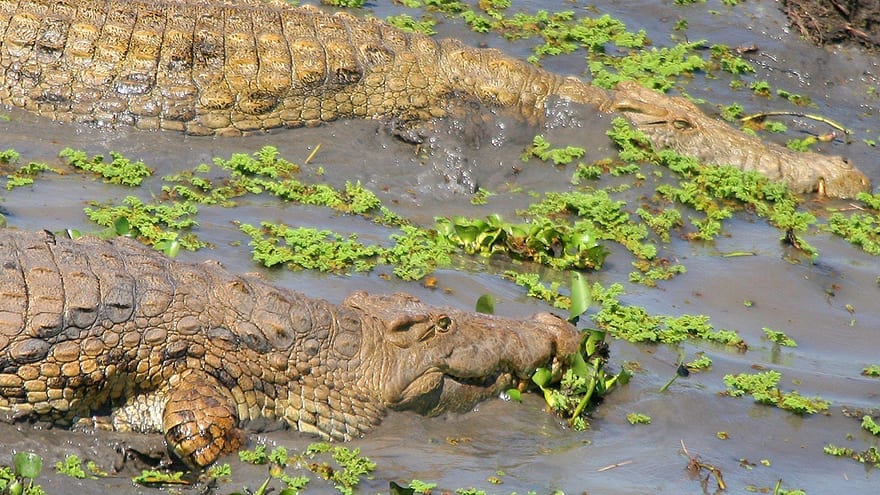
Because a single successful kill can sustain a crocodile for such an extended period, individuals can genuinely afford to remain motionless for hours or even days at a time, waiting for a genuinely ideal ambush opportunity rather than needing to hunt actively and frequently the way a mammalian predator with a faster metabolism must. This patience-based strategy is a direct behavioural consequence of the species’ slow energy burn, and it’s part of why crocodile ambush hunting during the wildebeest migration’s river crossings looks so genuinely calculated compared to the more constant hunting pressure lion or hyena maintain.
Digestion: A Genuinely Slow, Acid-Powered Process
Crocodile stomach acid is among the most concentrated found in any vertebrate, powerful enough to genuinely dissolve bone, horn, and hoof over time, allowing the species to extract nutrition from parts of a carcass most other predators simply cannot digest, extending the usable nutritional value of a single kill considerably further than the same carcass would provide a mammal with less aggressive digestive chemistry.
Why Basking Behaviour Is Directly Tied to This Metabolism
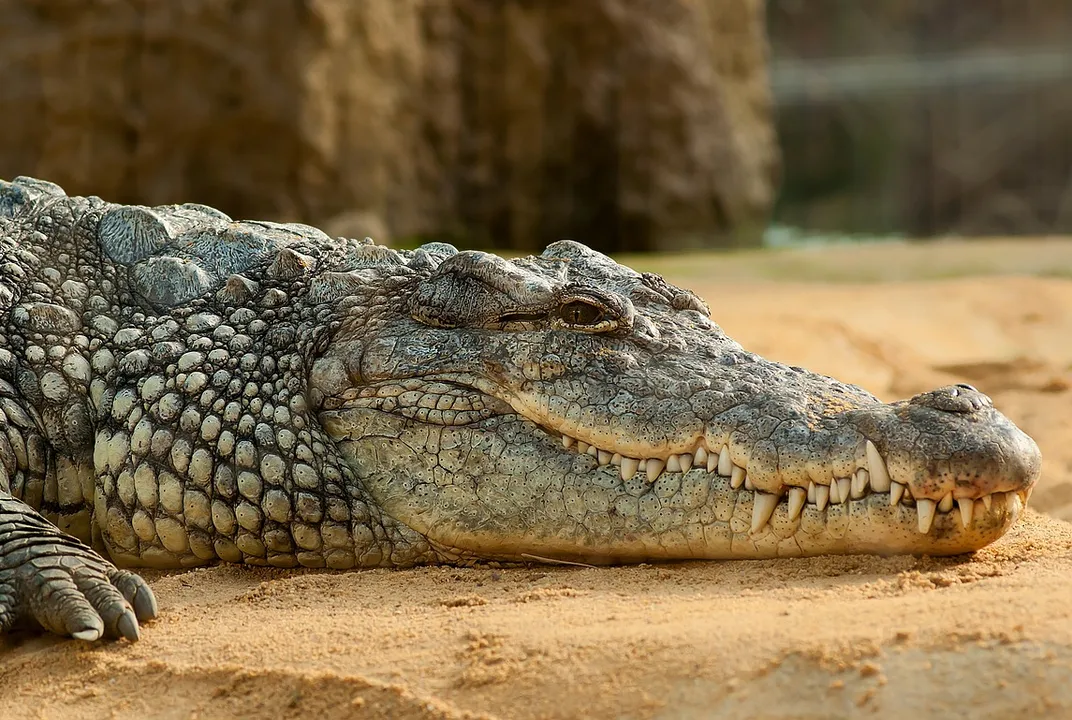
Crocodiles bask on riverbanks specifically to regulate body temperature, since warmer body temperature genuinely speeds up digestion and metabolic processing of a stored meal, meaning the familiar sight of crocodiles lying motionless with jaws open on a sandbank is directly connected to how efficiently the animal processes its last kill rather than being simple idle sunbathing.
How This Fasting Capacity Shapes Migration River Crossings
Crocodiles at major migration crossing points, most famously along the Mara River, genuinely gorge during the concentrated weeks when wildebeest are crossing in large numbers, and this feast-then-fast pattern means individual crocodiles at these specific crossing points may only need to feed substantially during this narrow annual window, relying on stored reserves through the considerably longer stretch of the year when crossing activity is minimal.
Where to Observe Crocodile Behaviour in East Africa
Crocodile hunting and basking behaviour is genuinely reliable to observe at Kenya’s Mara River during migration crossing season, and year-round along Uganda’s Nile at Murchison Falls, both offering genuine close-range viewing from a boat cruise.
Best Time of Year for Crocodile Viewing
Crocodiles are visible year-round given resident river populations, though migration crossing season offers particularly dramatic hunting activity. See our regional best-time guide for how East Africa’s seasonal patterns generally affect wider game viewing.
Photographing Crocodile Basking and Hunting Behaviour
Capturing crocodiles basking with jaws open, a behaviour tied directly to temperature regulation and digestion, offers a genuinely different photograph than the more dramatic ambush moment. See our camera gear guide for broader equipment recommendations.
What to Pack for River and Boat Cruise Activities
Standard game drive gear – neutral clothing, sun protection, and binoculars – covers most of what a boat cruise requires. If your wider itinerary includes gorilla trekking, our gorilla trekking packing list covers that portion separately.
How Crocodile Growth Rate Compares to Constantly Feeding Predators
Because so much energy is conserved rather than burned on maintaining constant body temperature, crocodiles genuinely redirect a considerably larger share of consumed calories toward growth compared to warm-blooded predators of similar size, a major reason Nile crocodile can continue growing throughout their entire multi-decade lifespan rather than reaching a fixed adult size early and simply maintaining it, as most mammals do.
Why Younger Crocodiles Can’t Fast as Long as Adults
Juvenile crocodiles genuinely lack the substantial fat reserves adults build up over years of successful hunting, meaning young crocodiles must feed considerably more frequently on smaller prey, insects, fish, and small vertebrates, and cannot yet rely on the extended fasting capacity that defines adult behaviour, a distinction that shapes where juveniles hunt, since they typically favour shallower, prey-rich margins over the deeper ambush positions adults use for larger targets.
The Genuine Risk Involved in Waiting for a Large Kill
While the ability to fast for extended periods is a genuine advantage, it also means a crocodile’s survival can hinge disproportionately on relatively rare large-prey opportunities, and researchers studying crocodile population dynamics around major river crossing points have found individual body condition and survival correlate measurably with how successfully a crocodile fed during the concentrated migration season, underscoring that the fasting capacity is a buffer against scarcity rather than making food availability irrelevant to the species’ wellbeing.
How Crocodiles Detect Prey While Remaining Motionless
A crocodile’s genuinely sensitive pressure receptors, small dome-shaped organs covering the jaw and, in some populations, much of the body, detect minute vibrations and pressure changes in water from considerable distance, allowing a completely motionless, submerged crocodile to sense an approaching animal’s movement well before any visual contact, a sensory adaptation that makes the extended, patient ambush strategy genuinely viable rather than requiring constant visual scanning.
Comparing Crocodile Fasting to Other Reptiles
While extended fasting capacity is genuinely common across reptiles generally given the shared ectothermic metabolism, Nile crocodile’s combination of large body size, powerful digestive chemistry, and effective fat storage makes their specific fasting endurance genuinely exceptional even among other large reptile species, closer in degree to some snake species’ famous extended fasts than to typical lizard or tortoise metabolism.
Why This Behaviour Makes Migration Crossings So Predictable for Guides
Guides tracking the wildebeest migration’s annual crossing points genuinely use knowledge of crocodile feeding cycles to help predict which specific river stretches will see the most intense predation activity during a given crossing, since crocodiles that fed successfully earlier in the season may show reduced hunting urgency compared to individuals still working through leaner reserves.
Best Boat Cruises for Observing This Behaviour
A Nile boat cruise at Murchison Falls genuinely offers close, extended viewing of both basking and stationary ambush-position crocodiles within the same outing, alongside the park’s famous hippo population sharing the same waterway.
Why This Detail Enriches a Standard River Cruise
Understanding that a motionless basking crocodile is actively digesting a stored meal, rather than simply doing nothing, adds genuine behavioural context to what might otherwise register as a static, unremarkable sighting compared to the park’s more visibly active Big Five wildlife.
Getting to Murchison Falls for Crocodile Viewing
Murchison sits roughly four to five hours from Kampala by road, or a shorter scheduled flight, making the park’s Nile boat cruise genuinely accessible as part of a broader Uganda itinerary combining savannah wildlife and gorilla trekking further southwest.
A Detail Worth Asking Your Guide to Explain
Given how motionless and unremarkable a basking crocodile can look at first glance, asking a guide specifically about recent feeding activity genuinely transforms a passing sighting into a considerably richer piece of behavioural context.
Frequently Asked Questions
Is it true crocodiles can go a year without eating?
Yes, genuinely so – their cold-blooded metabolism runs at a fraction of a mammal’s energy use, letting a single large meal sustain them for months.
Why can crocodiles afford to wait so long for an ambush?
Their slow metabolism means they don’t need to hunt frequently, so remaining motionless for extended periods carries little energy cost.
Why do crocodiles bask with their mouths open?
To regulate body temperature, which directly speeds up digestion of a stored meal rather than simple idle sunbathing.
Where can I see crocodile hunting behaviour on safari?
Kenya’s Mara River during migration crossing season, and Uganda’s Nile at Murchison Falls year-round.
How does crocodile stomach acid compare to other animals?
Among the most concentrated of any vertebrate, powerful enough to dissolve bone and horn over time.
Ready to Plan Your East Africa Safari?
Whether observing crocodile behaviour firsthand, the wildebeest migration’s river crossings, or a full East Africa itinerary is your priority, our team can build a trip matched to your interests. Get in touch with our team below today and let’s start planning your complete safari itinerary together.

No comment