


How Do Buffalo Herds Defend a Wounded Member?
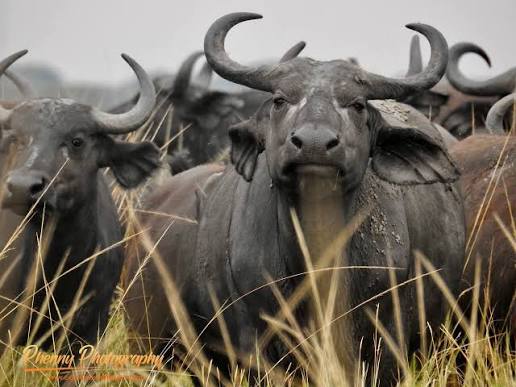
Cape buffalo genuinely mount coordinated group defence when a herd member is wounded or under attack, a behaviour documented repeatedly by researchers and famously captured on film in cases where buffalo have actually reversed an active lion attack, driving predators away and, in some recorded instances, rescuing an individual already pinned down mid-hunt.
Why Buffalo Rescue Behaviour Genuinely Surprises Researchers
Unlike most African prey species, which typically scatter and abandon a targeted individual once a predator makes contact, buffalo genuinely reverse this pattern under certain conditions, with nearby herd members actively charging toward the commotion rather than fleeing away from it, a response researchers believe reflects the species’ unusually strong herd cohesion and, potentially, some capacity for recognising a herd member’s distress calls as something worth responding to directly rather than simply treating as background danger signal.
How the Distress Bellow Genuinely Triggers a Coordinated Response
A buffalo under attack genuinely produces a distinctive, loud bellowing distress call considerably different from routine herd communication, and this specific vocalisation appears to function almost like an alarm specifically calling for backup, with nearby buffalo, sometimes numbering a dozen or more, converging on the sound and physically confronting whatever predator triggered it, a response pattern documented clearly enough across multiple recorded incidents that researchers consider it a genuine, repeatable behavioural pattern rather than isolated coincidence.
Why Buffalo Horns and Sheer Mass Make This Defence Genuinely Effective
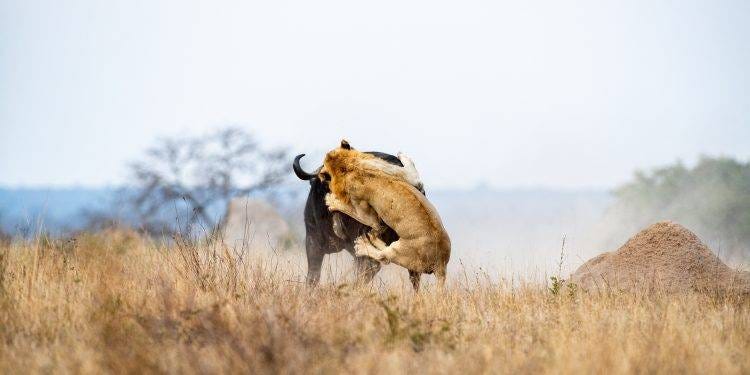
A charging group of adult buffalo, each individual weighing up to roughly 700 to 900 kilograms and equipped with genuinely formidable fused horn bosses capable of serious goring injury, presents a threat considerably more dangerous to a lion than the reverse scenario, meaning a coordinated buffalo counter-charge genuinely carries enough physical force to injure or kill an attacking lion, a real enough risk that prides typically avoid pressing an attack once several defending buffalo have arrived on scene.
Documented Cases Where Buffalo Have Genuinely Reversed a Lion Attack
Wildlife researchers and safari guides have documented multiple genuine cases across East and Southern Africa where a buffalo herd successfully drove off an attacking lion pride mid-hunt, in some instances after a lion had already made physical contact with a targeted individual, with the herd’s counter-charge forcing lions to abandon the kill entirely and retreat, outcomes that would be genuinely unthinkable for most other prey species facing an established pride attack.
Why This Defensive Cohesion Doesn’t Apply Equally to Every Buffalo
Research into buffalo herd defence has found the behaviour is genuinely strongest around calves and core herd members, while old, solitary bulls that have left the main herd, sometimes called “dagga boys,” genuinely lack this same collective backup and must rely entirely on individual strength and aggression when confronted, a meaningful distinction that explains why lion predation success against solitary bulls runs considerably higher than against buffalo embedded within a defended herd.
How Herd Size Genuinely Affects Defensive Capability
Larger buffalo herds, sometimes numbering in the hundreds, genuinely field a considerably more effective collective defence than smaller groups, since more individuals means more potential responders converging on a distress call and a correspondingly larger physical mass confronting any predator, meaning herd size itself functions as a direct, measurable component of overall defensive strength rather than simply diluting individual predation risk the way herding benefits work for less confrontational species like zebra.
Where to Observe Buffalo Herd Behaviour in East Africa
Large, well-documented buffalo herds are genuinely reliable to observe across the Serengeti-Mara ecosystem and Queen Elizabeth National Park, both known for strong resident lion-buffalo predator-prey dynamics.
Best Time of Year for Buffalo Herd Viewing
Buffalo are visible year-round given resident herd territories, though dry season concentrations around remaining water sources typically improve viewing odds. See our regional best-time guide for how seasonal patterns generally affect wider game viewing.
Photographing Buffalo Defensive Behaviour
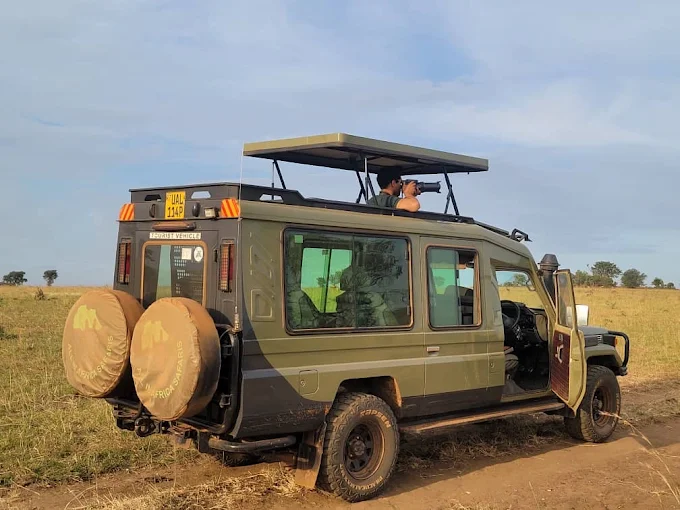
Capturing a defensive gathering or the distinctive alert posture a herd adopts when sensing nearby predator activity offers genuinely dramatic behavioural photography opportunities. See our camera gear guide for broader equipment recommendations.
What to Pack for Predator-Prey-Focused Game Drives
Standard game drive gear – neutral clothing, sun protection, and binoculars – covers most of what predator-prey dynamic viewing requires. If your wider itinerary includes gorilla trekking, our gorilla trekking packing list covers that portion separately.
Why This Behaviour Makes Buffalo Genuinely Dangerous to Approach on Foot
The same collective defensive instinct that makes buffalo herds so effective against lion is directly responsible for the species’ reputation as one of Africa’s most dangerous animals to encounter on foot, since a herd that perceives a human as a threat to a herd member genuinely can and does mount the same coordinated charging response, a major reason experienced guides maintain genuinely strict safe-distance protocols around buffalo during any walking safari activity.
How Buffalo Herd Vigilance Compares to Wildebeest and Zebra
While zebra and wildebeest herds primarily rely on shared vigilance and flight to reduce predation risk, buffalo genuinely add an active counter-aggression layer most other grazing herd species simply don’t attempt, a meaningfully different defensive strategy that reflects the species’ considerable size and strength advantage over most African predators, an advantage smaller herbivores genuinely lack and therefore cannot rely on regardless of their own herd cohesion.
Why Calves Receive the Strongest Collective Protection
Buffalo calves genuinely receive the most concentrated defensive attention within a herd, with cows and even unrelated herd members positioning themselves protectively and responding fastest to a calf’s distress call specifically, reflecting how much a herd’s overall reproductive success depends on calf survival, and explaining why lion prides targeting buffalo calves specifically face considerably stronger, faster collective retaliation than when targeting other, less centrally protected herd members.
Why Guides Value Explaining This Dynamic to Visitors
Given how genuinely counterintuitive it is to imagine prey animals actively rescuing a herd member from an active, ongoing predator attack, experienced guides genuinely value explaining documented buffalo rescue incidents, adding real behavioural depth to what might otherwise be viewed as a straightforward predator-prey relationship favouring the lion by default.
Combining Buffalo Behaviour Viewing With a Wider Predator-Prey Circuit
Buffalo herd defence viewing pairs naturally with a broader predator-focused itinerary covering lion pride hunting behaviour within the same overall trip, giving travelers genuine insight into one of East Africa’s most dramatic predator-prey dynamics.
Why Researchers Believe This Behaviour Reflects Genuine Kin and Group Recognition
Some researchers studying buffalo social cognition believe the rescue response may reflect a degree of genuine individual and group recognition beyond simple reflexive reaction to a loud noise, since herds have been observed responding with noticeably more urgency and larger numbers when the distress call comes from a herd member with close, long-established social bonds to nearby individuals, compared to a more muted, delayed response when the caller is a more peripheral or recently joined herd member, a pattern consistent with genuine social bond strength shaping urgency rather than the response being a purely automatic, indiscriminate reflex triggered by any loud distress sound.
How This Behaviour Has Shaped Lion Hunting Strategy Around Buffalo
Given how genuinely costly a failed buffalo attack can be, prides that regularly hunt buffalo have developed noticeably more cautious tactics specifically for this prey species, typically isolating an individual well away from the main herd, often patiently over several hours, before committing to an attack rather than risking a direct assault within easy reach of a large defending group, a hunting adaptation that reflects just how seriously lion prides treat the genuine physical risk buffalo herds pose once collective defence kicks in, a caution considerably more pronounced than the approach prides take toward less collectively defended prey, and a genuine factor in how hyena clans similarly hesitate before challenging a well-defended, cohesive buffalo herd directly rather than a lone or already-isolated individual.
Why This Makes Buffalo Genuinely Unusual Among Africa’s Large Herbivores
Very few African prey species genuinely combine large herd size, individual physical strength capable of seriously injuring a predator, and a coordinated group response triggered by a specific distress signal, meaning buffalo occupy a genuinely unusual position among the continent’s grazing herbivores, closer in overall defensive philosophy to how a musk ox herd confronts wolves than to how most African antelope or zebra respond to a predator attack.
Frequently Asked Questions
Do buffalo herds genuinely rescue herd members from lion attacks?
Yes, documented repeatedly – buffalo have reversed active lion attacks and, in some recorded cases, freed an individual already pinned down mid-hunt.
How do other buffalo know to respond to an attack?
Through a distinctive distress bellow considerably different from routine communication, functioning almost as an alarm call specifically requesting backup.
Are all buffalo equally protected by this behaviour?
No – solitary older bulls that have left the main herd lack this collective backup and rely entirely on individual strength when confronted.
Why are buffalo considered so dangerous to encounter on foot?
The same coordinated defensive charging instinct that repels lions can be directed at a human perceived as threatening a herd member.
Where can I see buffalo herd dynamics on safari?
The Serengeti-Mara ecosystem and Queen Elizabeth National Park both offer strong resident lion-buffalo predator-prey dynamics.
Ready to Plan Your East Africa Safari?
Whether observing buffalo herd behaviour firsthand, the wider predator dynamic, or a full East Africa itinerary is your priority, our team can build a trip matched to your interests. Get in touch with our team below today and let’s start planning your complete safari itinerary together.



No comment