
Warthogs trot across Lake Mburo National Park’s open grassland on genuinely long, spindly legs, tails held stiffly upright like small antennae, a distinctive running posture that combines with the park’s relaxed, predator-light ecosystem to make warthog sightings here genuinely more relaxed and closer-range than in Uganda’s larger, more predator-dense parks.
Why Lake Mburo’s Warthog Behave Differently Than Elsewhere in Uganda
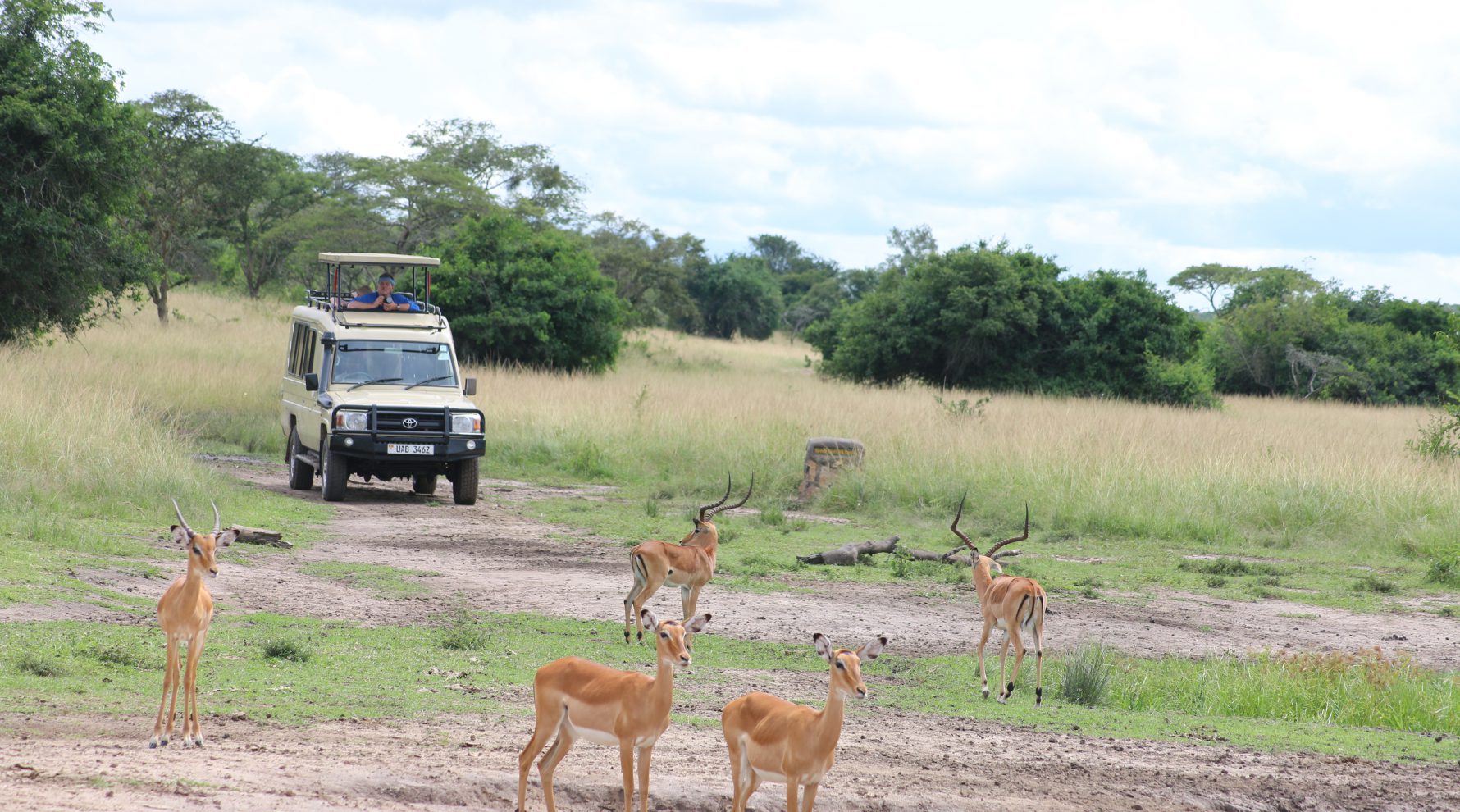
Lake Mburo’s genuine absence of lion, combined with reduced elephant density compared to Murchison Falls or Queen Elizabeth, leaves warthog here facing considerably less predation and disturbance pressure than populations sharing habitat with a full predator guild. Guides who work both Lake Mburo and Uganda’s larger parks consistently describe Mburo’s warthog as noticeably calmer around vehicles, tolerating closer approach and continuing to feed rather than bolting at the first sign of an engine, a genuine behavioural difference visitors notice within a single game drive.
The Distinctive Tail-Up Running Posture Explained
When a warthog breaks into a run, it holds its thin, tufted tail bolt upright, a posture guides often point out as one of the park’s more instantly recognisable sights from considerable distance across open grassland. Researchers generally interpret the upright tail as a visual signal helping family members maintain contact while moving quickly through grass tall enough to obscure direct sightlines, essentially a mobile beacon the rest of the group can track even when the animal itself briefly disappears from view.
Feeding Behaviour: Kneeling on Genuinely Callused Pads
Warthogs feed by dropping onto their front knees and rooting through soil with their broad snout for bulbs, roots, and tubers, a posture supported by tough, thickly callused pads specifically adapted to this kneeling position rather than standing to graze the way most grassland herbivores do. This ground-level foraging, combined with a genuine willingness to graze standing grass when available, gives warthog a flexible diet that sustains them through Lake Mburo’s dry-season vegetation changes considerably better than more specialised grazers manage.
Why Warthogs Shelter in Aardvark Burrows Rather Than Digging Their Own
Warthogs consistently use abandoned aardvark burrows for shelter rather than excavating their own, backing into the entrance tail-first so their tusks face outward toward any threat attempting to follow them in. This burrow-sharing relationship is a genuinely practical energy-saving strategy, since aardvark burrows are already dug to roughly the right depth and diameter, and it illustrates one of the less obvious ecological dependencies running through Lake Mburo’s smaller mammal community.
Family Structure and How Sounders Actually Form
Female warthogs, called sows, typically raise litters within small family groups, and related females frequently combine litters into a single larger sounder, sharing vigilance duty so more adults are watching for danger at any given moment than a single mother could manage alone. Boars generally live more solitary lives outside the breeding season, joining a sounder only temporarily to mate before returning to independent movement, a pattern genuinely different from the tighter, longer-lasting family units bushpig maintain in denser habitat elsewhere in Uganda.
Warthog Tusks: Genuinely Functional, Not Just Decorative
Both sexes grow tusks, modified canine teeth that continue growing throughout life, though males typically develop noticeably larger, more prominent tusks used both for digging and for genuine physical contests with rival males during the breeding season. These curved, ridged tusks also serve a real defensive function against predators, giving even a genuinely cornered warthog some capacity to inflict serious injury despite its otherwise modest size.
Where to Find Warthogs in Lake Mburo
Warthog range across the park’s open grassland and acacia woodland edges, often visible alongside zebra, impala, and eland sharing the same open terrain, making a single stretch of grassland frequently productive for several species within one sighting.
Best Time of Year for Warthog Sightings
Warthog are visible in Lake Mburo year-round given their resident status, and the park’s relatively small size means seasonal variation matters less here than in Uganda’s larger, more dispersed parks. See our Uganda best-time guide for how the country’s broader dry and wet seasons still shape wider trip planning.
Self-Drive vs Guided Safaris
Lake Mburo’s compact size and good road network make self-driving genuinely feasible here compared to Uganda’s larger, more remote parks, and warthog specifically are among the easiest species to locate independently given their bold daytime activity and open-grassland habitat.
Photographing Lake Mburo’s Warthogs
A warthog captured mid-kneel while feeding, or mid-trot with tail held upright, offers genuinely charming, easily recognisable photographic subjects that reward patient, close-range framing given how relaxed Mburo’s population tends to be around vehicles. See our camera gear guide for broader equipment recommendations.
What to Pack for a Lake Mburo Safari
Standard game drive gear – neutral clothing, sun protection, and binoculars – covers most of what the park requires, and comfortable walking shoes are worth packing given the park’s unique walking safari option. If your wider itinerary includes gorilla trekking, our gorilla trekking packing list covers that portion separately.
Combining Warthog Viewing With Gorilla Trekking
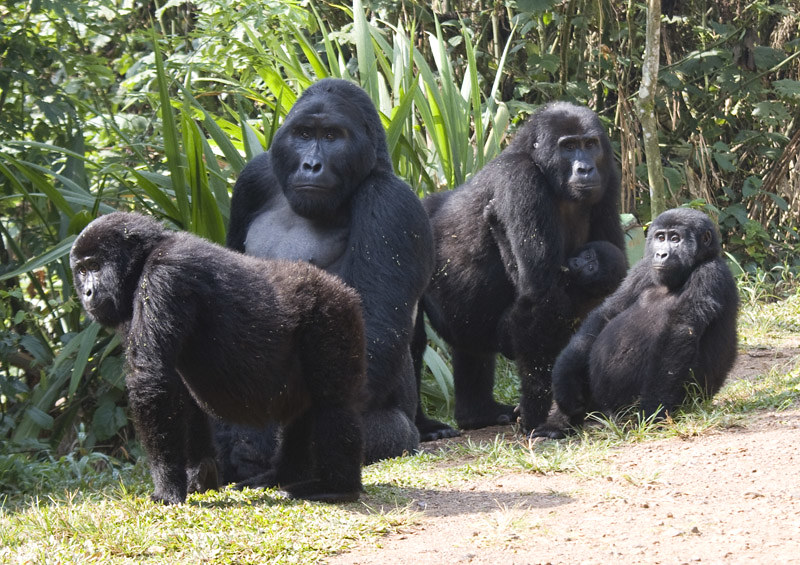
Given its position en route to Bwindi, Lake Mburo pairs naturally with gorilla trekking, letting travelers break up the long drive south with a genuinely worthwhile wildlife stop rather than treating the journey as pure transit time.
Getting to Lake Mburo National Park
Lake Mburo sits conveniently along the main road between Kampala and Bwindi Impenetrable National Park, roughly three to four hours from the capital, making it a natural stopover for travelers heading toward gorilla trekking rather than a dedicated separate trip.
Piglet Vulnerability and Why the First Weeks Matter Most
Warthog litters can number up to four piglets, born within the relative safety of an appropriated burrow and remaining underground for their first several weeks before beginning to accompany the sounder on daily foraging trips. Even with Lake Mburo’s reduced predator pressure, this early period remains genuinely the most dangerous stretch of a warthog’s life, since piglets are considerably too small to outrun leopard or the park’s resident python population, and mothers respond to any perceived threat near the burrow with immediate, visible alarm rather than the calmer tolerance adult warthog otherwise show toward vehicles.
Speed as a Genuine Backup to the Burrow Strategy
Despite their stocky build, warthog are capable of short bursts approaching 50 kilometres per hour, fast enough to outrun most pursuing predators over the kind of open ground Lake Mburo’s grassland provides, and their standard response to sudden danger is a full sprint directly toward the nearest known burrow entrance rather than random flight. This burrow-focused escape strategy means warthog rarely travel far from a known bolt-hole during the day, and guides who understand this pattern can often predict roughly where a spooked warthog will run before it actually moves.
The Oxpecker Relationship: A Genuinely Mutual Cleaning Arrangement
Warthog are frequently seen accompanied by red-billed or yellow-billed oxpecker perched directly on their back, picking off ticks and other parasites in a relationship that benefits both species: the warthog gets a genuine reduction in parasite load, and the bird gets a reliable food source without competing with other oxpecker working larger animals like buffalo. This partnership is visible across much of Lake Mburo’s larger mammal population and adds a genuinely interesting secondary behavioural layer to what might otherwise be a passing warthog sighting.
Why Lake Mburo’s Wallowing Sites Concentrate Wildlife
Warthog wallow regularly in mud, particularly during the hottest parts of the day, both to cool down given their genuinely sparse hair coat and to coat the skin in a protective layer that helps deter biting insects, and the same handful of reliable wallowing sites within the park tend to draw zebra and other species at similar times of day, making these specific spots genuinely productive stops on a longer game drive circuit rather than random patches of mud, much as watering points concentrate giraffe and other browsers at predictable times elsewhere in the park.
Frequently Asked Questions
Why do warthogs run with their tails up?
The upright tail likely helps family members maintain visual contact while moving quickly through tall grass with limited sightlines.
Why are Lake Mburo’s warthog calmer than elsewhere in Uganda?
The park’s absence of lion and reduced elephant density mean genuinely less predation and disturbance pressure than in Uganda’s larger parks.
Do warthogs dig their own burrows?
No, they shelter in abandoned aardvark burrows, backing in to keep their tusks facing outward toward potential threats.
What’s the best time of year to see warthogs in Lake Mburo?
Year-round given their resident status, making seasonal timing genuinely less critical than for other Uganda wildlife.
Is Lake Mburo worth visiting on the way to gorilla trekking?
Genuinely yes – its position directly on the route to Bwindi makes it an efficient, worthwhile stop rather than a detour.
Ready to Plan Your Lake Mburo Safari?
Whether the park’s relaxed, close-range warthog sightings, its unique zebra population, or a stop en route to gorilla trekking is your priority, our team can build an itinerary matched to your interests. Get in touch with our team below today and let’s start planning your complete Uganda safari itinerary together.

No comment